Wildlife
Practical Strategies for Capturing Tanzanian Wildlife Moments on a Luxury Safari
Encounters Africa - 10 min read
Updated on 18 June 2026
Tanzanian wildlife moments unfold with an intensity that lingers long after the dust settles on an open vehicle track. From the thunder of a million wildebeest crossing the Mara River to a leopard melting into acacia shadows at dusk, these encounters define a luxury safari in Tanzania. This article explores how thoughtful preparation and an understanding of seasonal rhythms can transform fleeting glimpses into profound connections with the natural world.
The country supports an estimated 20 percent of Africa's large mammal population across 16 national parks and numerous conservation areas. Tanzanian wildlife rewards those who move with patience and local insight rather than chasing lists or dramatic spectacles. By aligning your journey with natural patterns, you stand a far greater chance of witnessing authentic behaviour that reveals the intricate balance sustaining these ecosystems.
The most memorable wildlife sightings rarely announce themselves with drama. They arrive quietly: a mother cheetah teaching her cubs to hunt at first light, or elephants gathered in silent communion around a shrinking waterhole as the dry season tightens its grip.
Understanding Tanzania's Major Wildlife Regions
Tanzania's protected areas span dramatically different landscapes, each supporting distinct animal communities shaped by altitude, rainfall and vegetation. The vast Serengeti ecosystem covers nearly 15,000 square kilometres of rolling plains, while the Ngorongoro Crater offers a self-contained world within its 260-square-kilometre caldera. Further south, Ruaha and Selous present more remote wilderness experiences where vehicle density remains exceptionally low.
Each region presents different opportunities for observing tanzanian wildlife at its most compelling. Northern circuits tend to deliver the famous wildebeest migration between June and October, while southern parks excel in dry-season concentrations around limited water sources from July to November. Knowledge of these patterns allows travellers to select experiences that align with their interests rather than following generic itineraries.
Private concessions bordering national parks often provide the most intimate access. Here, off-road driving and night drives become possible, revealing nocturnal creatures rarely seen in public areas. These zones also support lower visitor numbers, allowing for more considered observation of natural behaviour.
Seasonal Patterns That Shape Animal Behaviour
The short rains arrive in November, triggering the wildebeest migration's return to southern Serengeti plains where calving begins in February. By April, the herds move westward toward the Grumeti River before crossing into Kenya's Maasai Mara around July. Understanding this cyclical movement helps travellers position themselves at river crossings or calving grounds during peak activity periods.
In the crater of Ngorongoro, wildlife remains remarkably consistent year-round due to permanent water and grazing. However, the dry months from June to October concentrate animals around water sources, creating exceptional predator-prey interactions. These months also bring clearer skies and golden light ideal for photography.

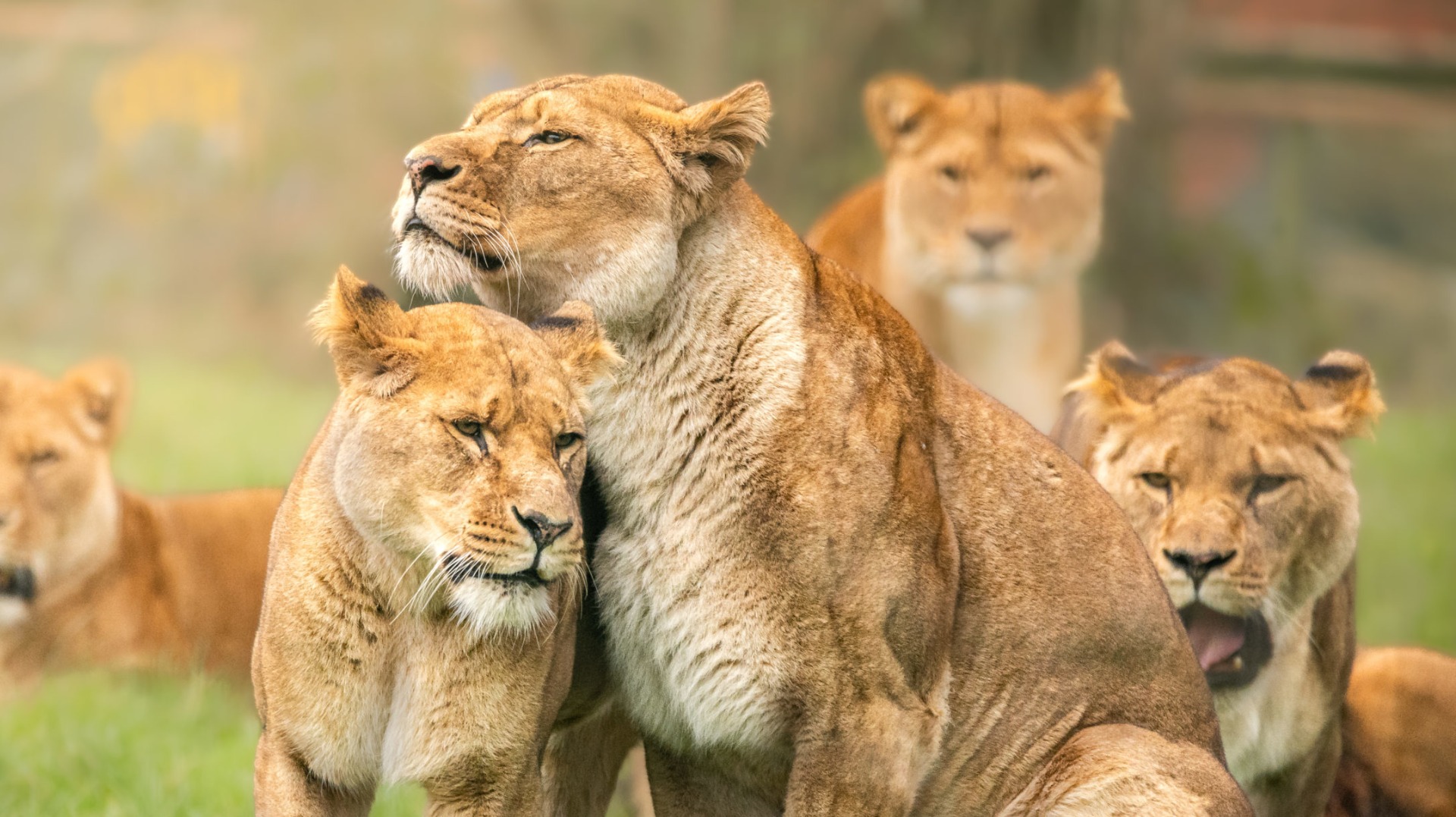
Patience in the right place at the right time often reveals more than any number of rushed game drives. A single hour spent watching a pride of lions digesting their meal can teach volumes about social structure and the patient economy of the savannah.
Wildlife Moments in Tanzania: Planning Your Safari Calendar
The optimal time for witnessing wildlife moments in Tanzania depends entirely on what you hope to observe. February and March offer front-row seats to the wildebeest calving season in southern Serengeti, when approximately 8,000 calves are born daily. This period also sees high predator activity as lions, cheetahs and hyenas capitalise on vulnerable newborns.
July through October delivers the dramatic river crossings in northern Serengeti and the Masai Mara, though these months see higher visitor numbers. For those seeking solitude alongside exceptional wildlife viewing, consider the shoulder months of May or November when rains have begun but crowds remain thin. Southern parks like Ruaha shine brightest from late June to October when animals gather at dwindling waterholes.
Many luxury operators now offer flexible itineraries that adapt to real-time wildlife movements rather than fixed schedules. This responsiveness allows for meaningful encounters with specific species or behaviours that align with individual interests, whether photographing big cats or observing birdlife during the European winter migration.
Choosing the Right Conservation Areas
Not all protected areas deliver the same quality of experience. The Ngorongoro Conservation Area maintains a delicate balance between wildlife protection and Maasai pastoralist communities, supporting one of the highest densities of large mammals in Africa. Meanwhile, the Selous Game Reserve (now Nyerere National Park) covers 30,000 square kilometres of largely untouched miombo woodland, offering exceptional walking safari opportunities.
Private conservancies such as those bordering the Serengeti provide exclusive access and support community development projects. These areas often maintain higher standards of guiding and allow activities prohibited within national park boundaries, including night drives and walking safaris that foster deeper understanding of the ecosystem.
Photography Techniques for Authentic Tanzanian Wildlife Moments
Capturing compelling images of tanzanian wildlife requires more than expensive equipment. The most powerful photographs often emerge from understanding animal behaviour and anticipating movement rather than simply reacting to it. Professional guides can position vehicles to take advantage of natural light and background elements that enhance rather than distract from the subject.
Early morning and late afternoon deliver the most flattering light across East Africa's equatorial latitudes. During these golden hours, the low angle creates dramatic shadows and rich colour saturation. For big cat photography, positioning yourself with the sun behind you helps illuminate eyes and facial expressions that convey personality and intent.
Consider leaving your longest telephoto lens in camp occasionally. Wider perspectives that show animals within their environment often tell more compelling stories about habitat and behaviour than tightly cropped portraits. A 70-200mm lens frequently proves more versatile than a 600mm when working in dense vegetation or when capturing interaction between multiple species.
Ethical Approaches to Wildlife Photography
Responsible photography begins with respect for natural behaviour and personal space. Never encourage vehicles to surround an animal or block its path. The best images emerge when animals remain unaware of your presence or have accepted the vehicle as part of their landscape.
Many luxury camps now partner with conservation organisations that use photographic data for research and monitoring. By sharing your images through recognised citizen science platforms, your safari photographs can contribute directly to long-term wildlife protection efforts across Tanzania.
A photograph that respects its subject carries an authenticity no technical perfection can replicate. The most moving images often capture quiet moments of connection rather than high-drama action sequences.
Guided Experiences That Enhance Your Understanding
The quality of your guide often determines the depth of your wildlife moments in Tanzania. Top operators employ individuals with decades of field experience who can interpret subtle signs: the particular alarm call of a go-away bird, the fresh track of a leopard dragging its kill into a tree, or the distant dust cloud suggesting an approaching herd.
Walking safaris with armed rangers offer unparalleled intimacy with the environment. Moving silently through the bush heightens all senses as you learn to read the landscape for signs of recent animal activity. These experiences reveal the smaller wonders easily missed from a vehicle: intricate termite mounds, medicinal plants, and the complex relationships between seemingly unrelated species.
Specialist guides focusing on particular interests, whether birds, photography or scientific research, can transform a standard game drive into a masterclass in natural history. Some camps maintain research stations where guests can participate in ongoing monitoring projects, from carnivore collaring to vegetation surveys.
Supporting Conservation Through Responsible Travel
Tanzania faces significant challenges including habitat loss, human-wildlife conflict and poaching pressure. By choosing operators that demonstrate genuine commitment to conservation and community development, travellers can ensure their presence contributes positively to protecting these remarkable ecosystems.
Many luxury lodges support anti-poaching initiatives, community education programmes and habitat restoration projects. Direct financial contributions through conservation fees or carbon offset programmes help fund essential work that maintains the wilderness areas supporting Tanzania's abundant wildlife.
What Makes Tanzanian Wildlife Encounters Unique
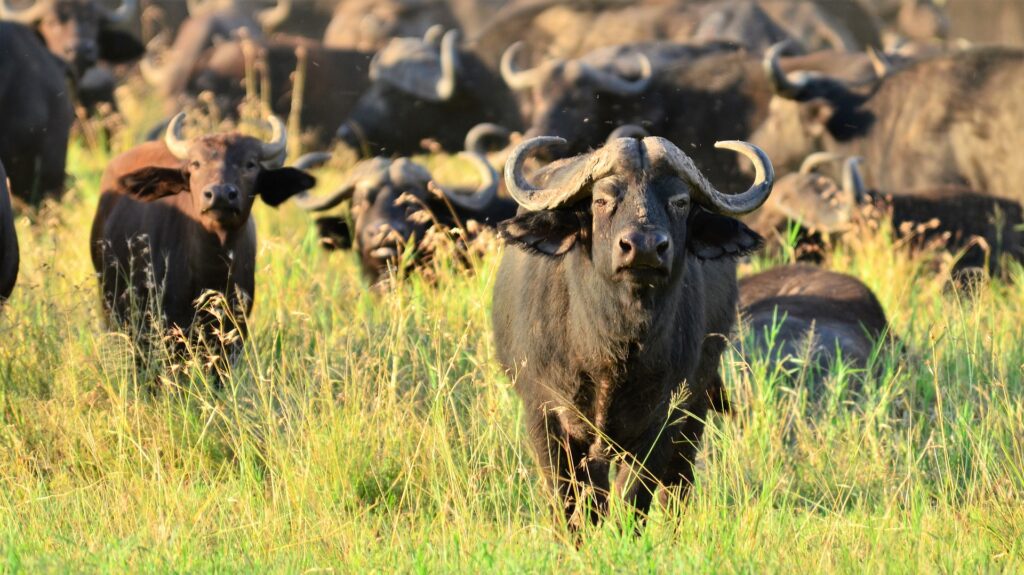
The sheer scale of the Serengeti-Mara ecosystem creates wildlife spectacles found nowhere else on earth. The annual migration involves approximately 1.5 million wildebeest, 200,000 zebra and thousands of accompanying predators following ancient routes unchanged for millennia. This cyclical movement sustains one of the last intact large mammal systems remaining in Africa.
Yet Tanzania offers far more than migration drama. The country harbours healthy populations of all the Big Five, with particularly strong numbers of elephants and lions. Black rhino have been successfully reintroduced to several areas, while African wild dogs maintain viable packs in the southern parks. This diversity across different habitats creates opportunities for layered safari experiences that reveal different aspects of the continent's natural heritage.
The cultural dimension adds further richness. Many camps work closely with local Maasai, Hadza and other communities whose traditional knowledge of the land spans generations. Learning about indigenous perspectives on wildlife creates deeper appreciation for the complex relationship between people and nature that has shaped these landscapes for thousands of years.
True luxury in the African wilderness lies not in lavish accommodation but in having the time and space to observe the natural world on its own terms. When the vehicle engine falls silent and the only sounds are those of the bush, genuine connection becomes possible.
Preparing for Your Tanzanian Wildlife Safari
Successful observation begins long before departure. Researching specific animal behaviour, understanding basic ecology and familiarising yourself with common species helps you recognise significant moments when they occur. Many serious wildlife enthusiasts maintain detailed journals that record not simply what they saw but the context surrounding each encounter.
Physical preparation matters too. Long days in open vehicles require protection from sun and dust, while walking safaris demand appropriate footwear and fitness levels. Most importantly, cultivate patience and curiosity. The most rewarding sightings often occur when you have surrendered expectations and simply remain open to what the landscape offers.
Technology can enhance rather than replace direct experience. High-quality binoculars, field guides and discreet recording equipment help document observations for later study. However, the most valuable tool remains an attentive mind fully present in the moment rather than viewing everything through a lens or screen.
Conclusion
The wildlife moments in Tanzania that stay with travellers longest are rarely those featuring dramatic action. Instead, they tend to be quieter revelations: the tender interaction between elephant family members, the focused intensity of a hunting cheetah, or the patient vigil of vultures waiting for their turn at a carcass. These encounters remind us of our place within a complex web of life that has evolved over millions of years.
By approaching your safari with respect, preparation and genuine curiosity, you position yourself to experience tanzanian wildlife in its most authentic form. The memories created will resonate far beyond any photograph or checklist, becoming part of how you understand and value the natural world.
For discerning travellers seeking a private safari beyond our set itineraries, we invite you to contact us directly. We specialise in designing exceptional, tailor-made journeys for individuals, couples, families, and private groups of up to eight guests. Drawing on our handpicked network of distinguished camps and lodges, we curate every detail with precision and care, creating a seamless, deeply personal safari experience shaped entirely around your preferences, pace, and budget.
Discover more about experiencing Serengeti Pioneer Camp during the migration or explore our dedicated Tanzania safari collection. For those looking for a private safari beyond our set itineraries, we would be delighted to hear from you directly. Please visit our enquiry form to begin planning your journey with Encounters Africa.
More like this
Wildlife
Practical Ways to Witness Ugandan Animals and Wildlife on Your Next Safari
Wildlife
Practical Ways Tourists Can Support African Wildlife During Game Drives
Wildlife
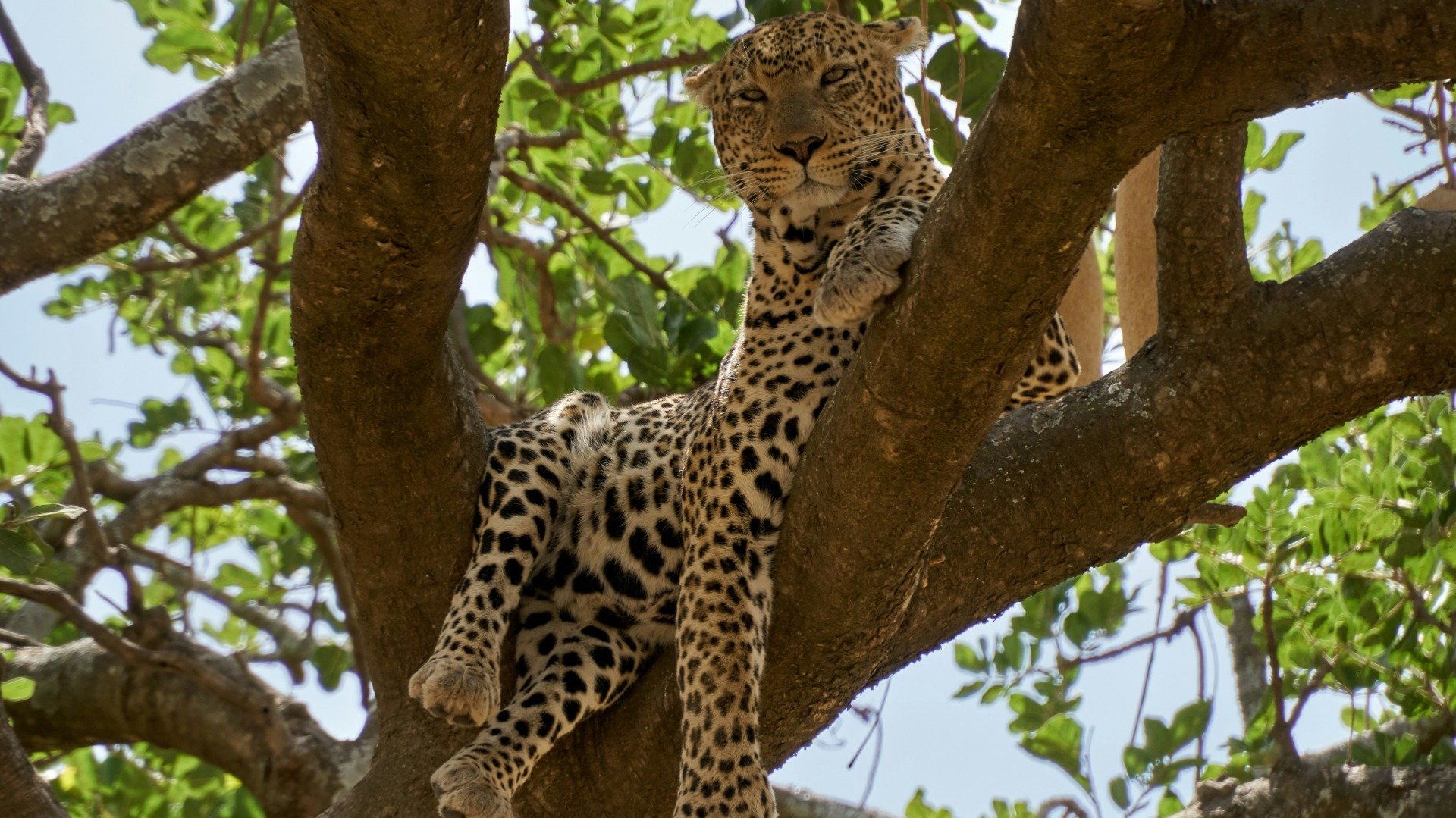
Reading Kenya's Savannah: Proven Field Signs That Reveal Nearby Wildlife
wildlife
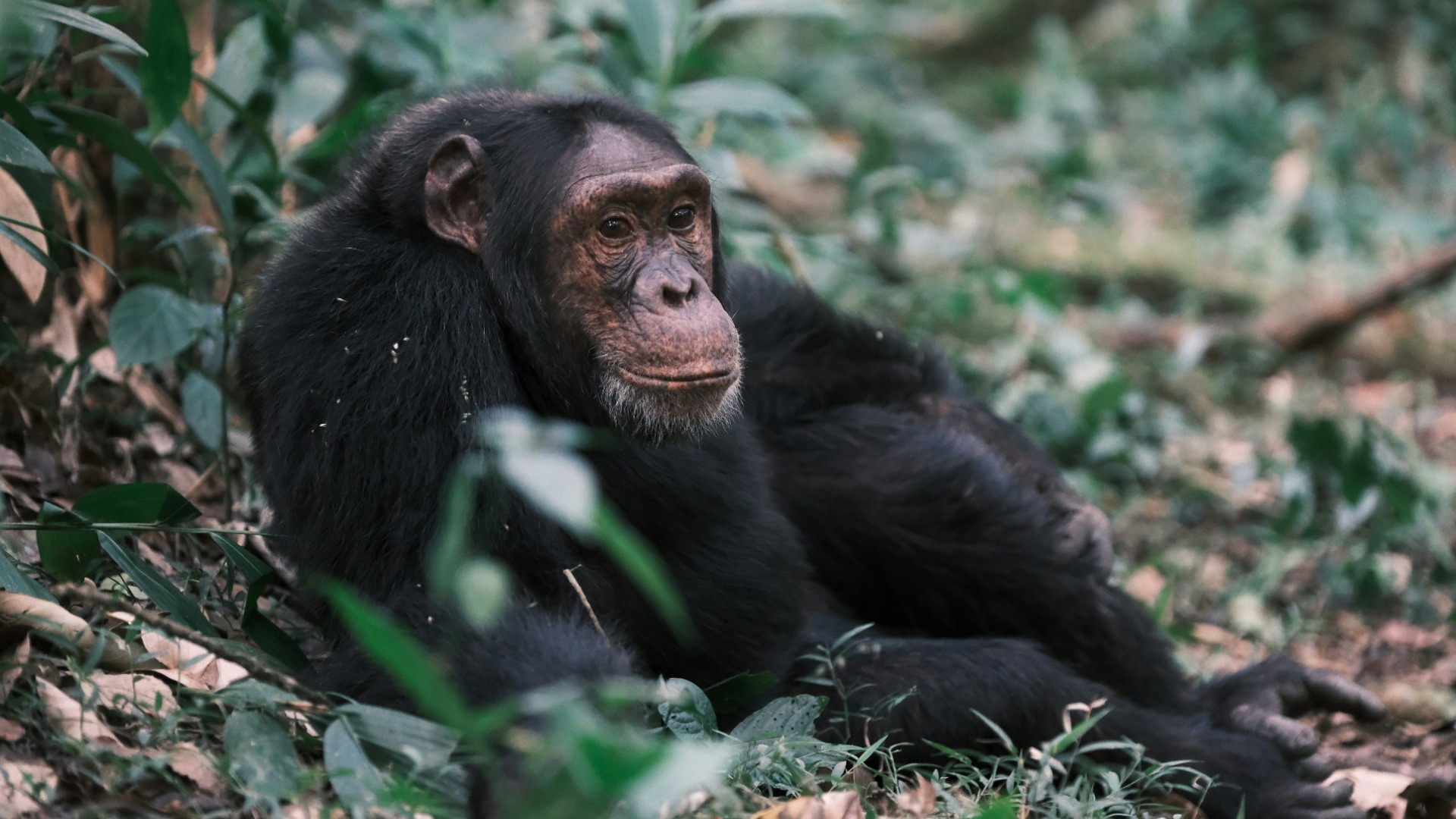
Rwanda’s Forest Canopy and Chimpanzee Troops: What to Expect at Nyungwe
wildlife
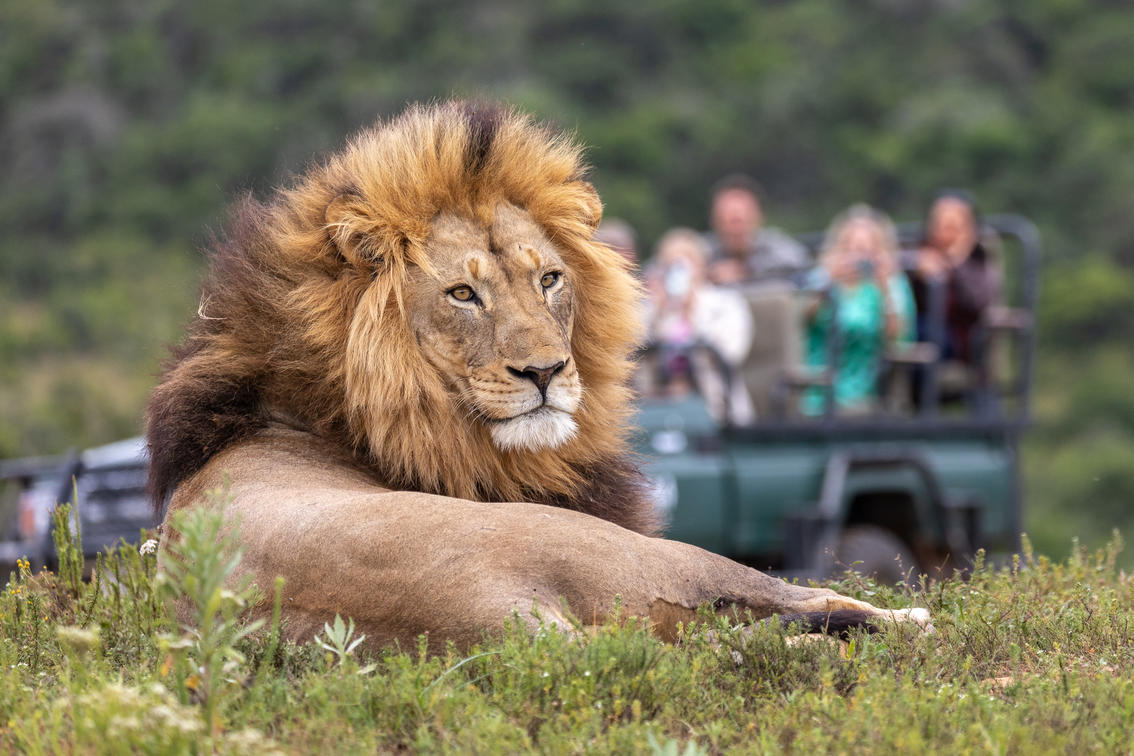
Sabi Sand Wildlife Planner: Key Species, Habitats, and Dry-Season Patterns
wildlife