Wildlife
Practical Ways to Witness Ugandan Animals and Wildlife on Your Next Safari
Encounters Africa - 11 min read
Updated on 18 June 2026
Ugandan wildlife moments bring travellers face to face with some of Africa’s most charismatic species in landscapes that range from misty montane forests to expansive savannahs. Whether you are drawn to the gentle power of mountain gorillas or the prehistoric silhouette of a shoebill stork, Uganda delivers intimate encounters that linger long after the journey ends. These experiences are shaped by robust conservation programmes that protect over 500 bird species and more than 340 mammal types across more than 60 protected areas.
The country’s national parks and community-managed reserves offer structured opportunities to witness Ugandan animals and wildlife responsibly. From chimpanzee tracking in dense rainforest to boat safaris on the Nile, each activity is designed to minimise disturbance while maximising connection. For discerning travellers seeking a private safari beyond our set itineraries, we invite you to contact us directly. We specialise in designing exceptional, tailor-made journeys for individuals, couples, families, and private groups of up to eight guests. Drawing on our handpicked network of distinguished camps and lodges, we curate every detail with precision and care, creating a seamless, deeply personal safari experience shaped entirely around your preferences, pace, and budget.
Understanding Uganda’s Remarkable Biodiversity
Uganda sits at the crossroads of East and Central African ecosystems, creating a remarkable overlap of habitats. This geographical position supports an astonishing variety of Ugandan animals and wildlife, from forest elephants in the west to savannah species in the east. Ten national parks and numerous community reserves work together to safeguard these populations, many of which have rebounded thanks to sustained anti-poaching efforts and local engagement.
The Albertine Rift, a biodiversity hotspot running through western Uganda, harbours more than 40 per cent of Africa’s mammal species. Here, endangered mountain gorillas share misty slopes with golden monkeys and forest elephants. Further east, the open plains of Kidepo Valley National Park host cheetahs and ostriches more commonly associated with the semi-arid regions of Kenya and Tanzania. These contrasting environments make Uganda an exceptional destination for travellers seeking varied wildlife encounters within a single journey.
Each dawn in Uganda feels like a fresh chapter in the continent’s oldest wildlife story, where ancient forests meet modern conservation and every sighting carries the weight of careful protection.
Key Species That Define Ugandan Wildlife Moments
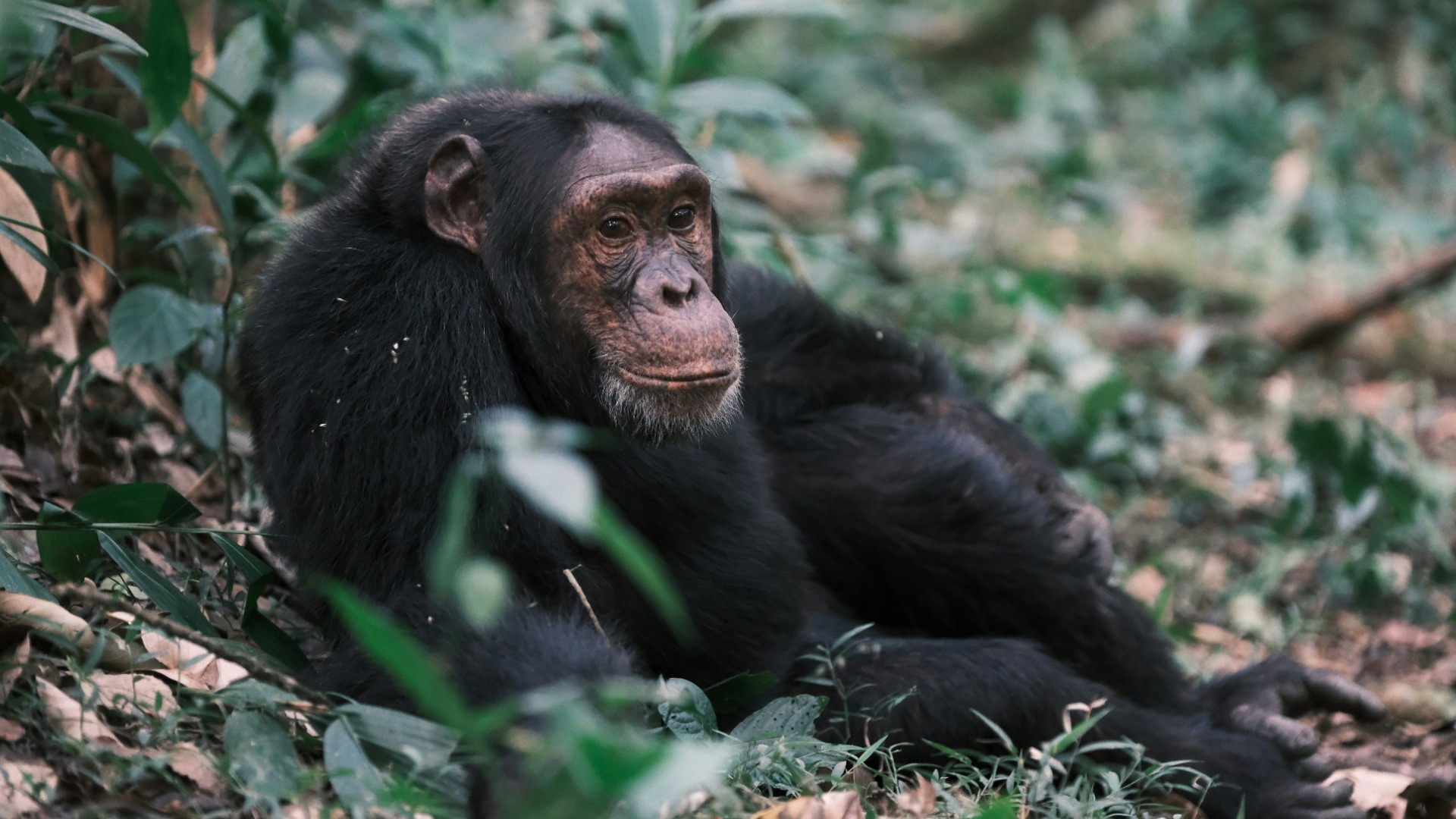
Mountain gorillas remain the flagship species, with approximately 1,063 individuals now living in the wild across the Virunga massif and Bwindi Impenetrable National Park. Uganda protects roughly half of the world’s remaining population. Chimpanzees, our closest living relatives, thrive in several forested areas, with habituated troops in Kibale National Park and Budongo Forest offering some of the continent’s finest primate viewing.
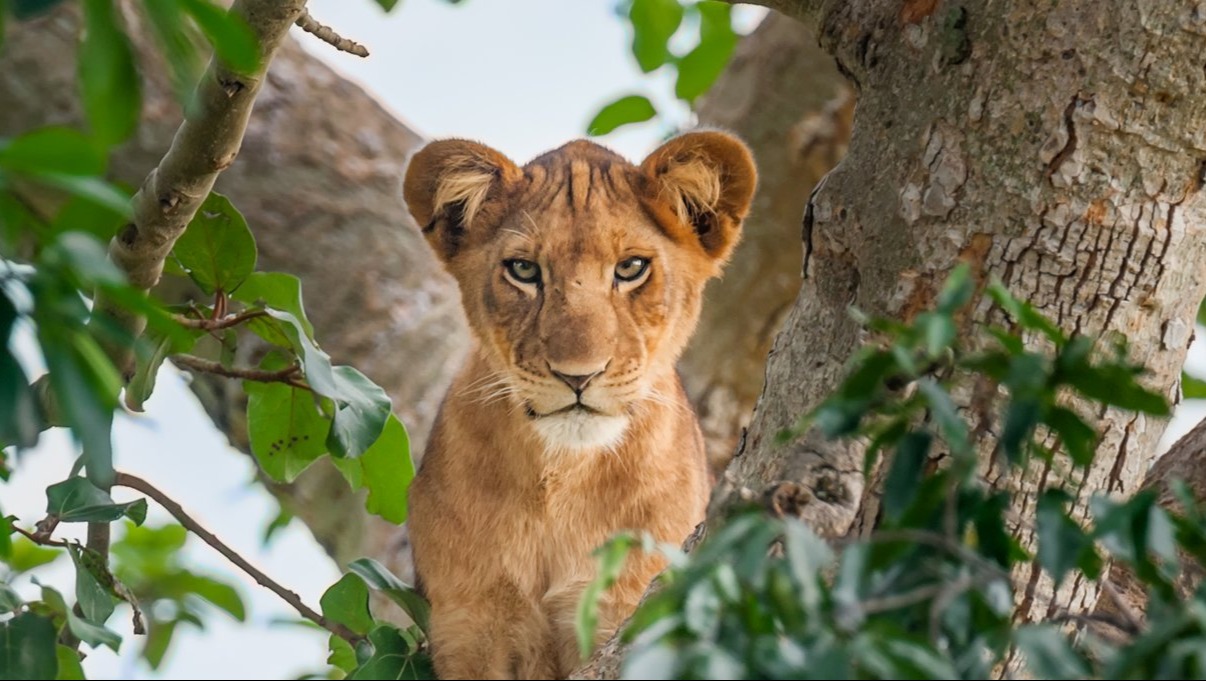
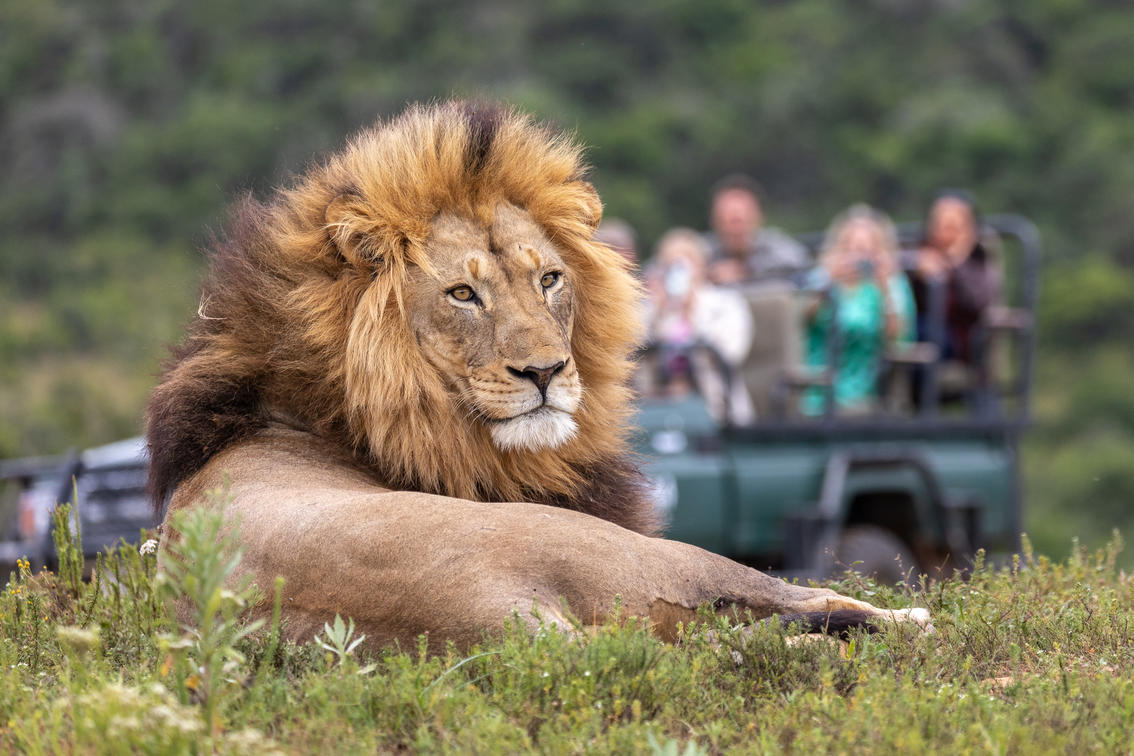
Lions in the Ishasha sector of Queen Elizabeth National Park have developed the unusual habit of climbing fig trees to escape the midday heat, creating one of Africa’s most memorable predator sightings. Elephants number around 2,500 in Murchison Falls National Park alone, while the parks along the Albertine Rift support healthy populations of buffalo, hippo and various antelope species. Birdwatchers can expect to record over 300 species during a two-week safari, including the iconic shoebill stork that stands over a metre tall and possesses a bill shaped like a Dutch clog.

Planning Your Safari for Optimal Ugandan Animals and Wildlife Sightings
The best time to witness Ugandan wildlife moments depends on your target species and preferred activities. The dry seasons from June to September and December to February generally offer better game viewing as animals concentrate around water sources. However, the wetter months bring lush vegetation and excellent birding, particularly from March to May and October to November.
Travel between June and September aligns perfectly with gorilla trekking permits and provides comfortable conditions for forest walks. This period also sees lower rainfall in the savannah parks, improving visibility for lion and leopard sightings. Serious birdwatchers often prefer the wetter months when migrants arrive and breeding plumage is at its most vibrant. Whatever season you choose, working with experienced guides ensures you understand both the rhythms of the wildlife and the subtle signs that reveal their presence.
Seasonal Patterns and Strategic Timing
Each park follows its own seasonal rhythm. In Murchison Falls, the dry season concentrates elephants and buffalo along the Nile, making boat safaris particularly rewarding. Kibale’s chimpanzee tracking remains consistent year-round, though drier trails are easier to navigate between December and February. Queen Elizabeth National Park offers year-round access to its tree-climbing lions, though the Ishasha sector becomes more accessible during drier periods.
Understanding these patterns allows travellers to build a safari that captures the full spectrum of Ugandan animals and wildlife. A well-planned two-week itinerary might combine primate tracking in the west with savannah game drives further east, creating a journey that reveals the country’s remarkable ecological diversity.
The quiet intensity of watching a family of gorillas move through bamboo forest reminds us why we travel: to witness lives unfolding on their own terms, in landscapes preserved through decades of dedicated effort.
Prime Locations for Unforgettable Ugandan Wildlife Moments
Bwindi Impenetrable National Park stands as the premier destination for mountain gorilla encounters. The dense montane forest protects roughly 400 gorillas across four habituated groups, with daily trekking permits strictly limited to maintain the animals’ wellbeing. Each trek begins at dawn with a briefing from experienced rangers who share intimate knowledge of individual gorilla personalities and family dynamics.
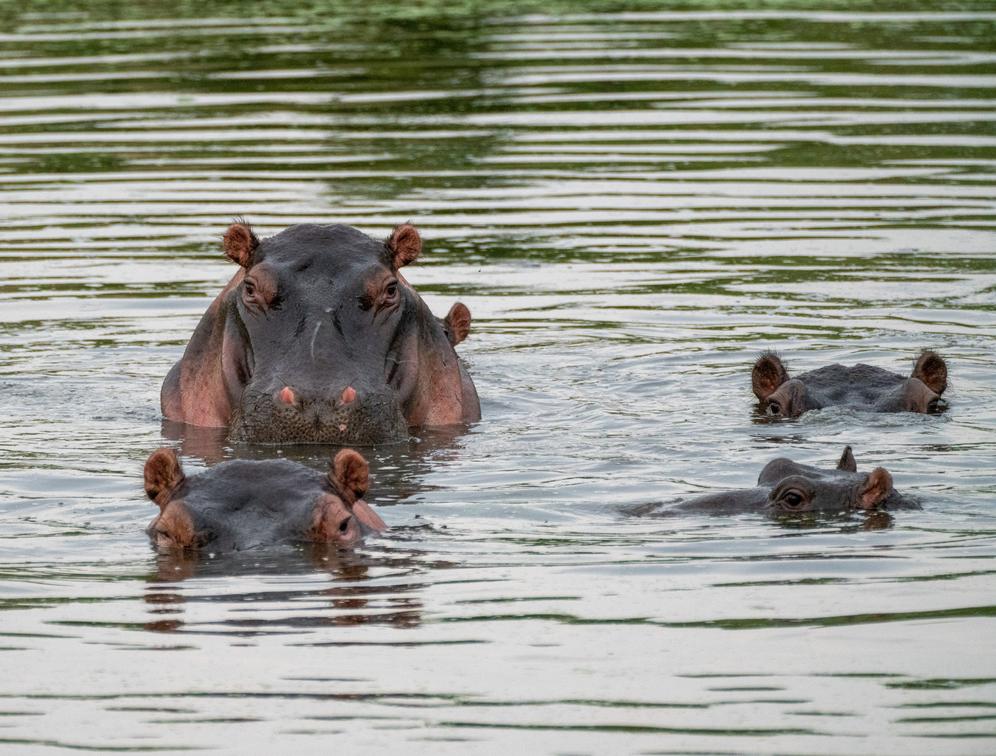
Queen Elizabeth National Park offers a striking contrast with its open savannah, crater lakes and the unique Ishasha sector. Here, visitors can observe the famous tree-climbing lions alongside large herds of Uganda kob, the national antelope. The Kazinga Channel, a 40-kilometre natural waterway connecting two lakes, hosts one of the highest concentrations of hippos in Africa and provides exceptional birdwatching from comfortable launch boats.
Kibale National Park, often called the primate capital of the world, protects 13 primate species including chimpanzees, red colobus and L’Hoest’s monkeys. Guided walks through its ancient forest deliver some of Africa’s most rewarding primate encounters. For those seeking rarer sightings, the remote swamps of Semuliki National Park harbour shoebills, while Kidepo Valley in the northeast offers a true wilderness experience with minimal visitor numbers.
Choosing the Right Experience for Your Interests
Whether your passion lies with great apes, big cats or specialised birds, Uganda’s protected areas cater to diverse interests. Primate enthusiasts typically allocate several days to Bwindi and Kibale, while those seeking classic savannah game viewing focus on Queen Elizabeth and Murchison Falls. Combining these areas creates the richest possible tapestry of Ugandan animals and wildlife.
Community-owned conservancies surrounding the national parks offer additional opportunities for more intimate experiences. These areas often allow walking safaris and cultural interactions that deepen understanding of both wildlife and the local communities who share the landscape. Many of these initiatives directly support habitat protection through tourism revenue.
Responsible Ways to Engage with Ugandan Animals and Wildlife
Responsible safari practices form the foundation of meaningful wildlife encounters in Uganda. Strict regulations govern gorilla trekking, with groups limited to eight people maintaining a seven-metre distance from the animals. These rules, combined with daily health screenings and careful monitoring, have helped gorilla populations increase by more than 25 per cent since 2010.
Choose operators who employ qualified naturalist guides and support community development projects. Many lodges work directly with local conservation organisations, funding everything from veterinary programmes to alternative livelihood initiatives that reduce pressure on protected areas. By travelling with such partners, visitors contribute directly to the preservation of the very species they have come to see.
True connection with Ugandan wildlife comes not from the number of species ticked off a list, but from understanding the delicate balance that allows these animals to thrive alongside the communities who call these forests and plains home.
Practical Tips for Maximising Your Wildlife Experience
Pack binoculars of at least 8x magnification and a good field guide to fully appreciate smaller species and birds. Wear muted colours and comfortable walking boots for forest treks, and always follow your guide’s instructions regarding noise levels and movement. Early morning and late afternoon activities typically yield the most rewarding sightings, as animals are more active during these cooler periods.
Consider keeping a journal to record not just the animals you see but the sensory details that make each encounter unique: the distinctive chest-beat of a silverback, the prehistoric croak of a shoebill, or the electric tension when a leopard melts into the undergrowth. These memories often prove more lasting than any photograph.
Conservation Success Stories Supporting Uganda’s Wildlife
Uganda’s conservation achievements offer genuine reasons for optimism. The mountain gorilla population has grown from approximately 250 individuals in the 1980s to more than 1,000 today, thanks to intensive protection efforts and community involvement. Similar success stories exist for chimpanzees and several bird species that have returned to areas where they had disappeared.
Community-based tourism models have proven particularly effective. Revenue from gorilla permits supports local schools, healthcare facilities and alternative income projects that reduce reliance on forest resources. In many areas, former poachers have become highly skilled guides and conservation champions, creating powerful examples of how tourism can transform relationships between people and wildlife.
Organisations working across Uganda continue to monitor populations, combat illegal activities and restore habitats. Their work ensures that future generations of travellers will continue to experience these profound Ugandan wildlife moments. By choosing to visit, travellers become part of this positive cycle of protection and appreciation.
How Tourism Funds Long-term Protection
Each gorilla trekking permit contributes directly to conservation activities, funding everything from ranger patrols to community projects. Similar revenue streams support anti-poaching initiatives in other parks. This model has proven remarkably successful, with studies showing that well-managed tourism areas experience significantly lower rates of illegal activity than those without visitor presence.
The most effective conservation happens when local communities see tangible benefits from protecting wildlife. Many lodges work with neighbouring villages to develop sustainable enterprises, from beekeeping to handicraft production. These initiatives create genuine incentives for protecting the animals and habitats that draw visitors from around the world.
What to Expect on a Tailored Ugandan Wildlife Safari
A thoughtfully designed safari in Uganda typically combines several distinct experiences across different ecosystems. You might begin with chimpanzee tracking in the lush forests of Kibale before moving to the open plains of Queen Elizabeth National Park to search for lions and elephants. Each transfer reveals new landscapes and opportunities to observe how Uganda’s varied environments support different communities of animals.
Private guiding allows for greater flexibility and deeper interpretation of what you witness. Your guide can adjust the pace according to weather conditions, animal activity and your particular interests. Whether you prefer to spend extended time with a single gorilla family or cover more ground to encounter a wider variety of species, a personalised approach ensures the journey matches your expectations.
Accommodation ranges from comfortable tented camps to elegant lodges, all positioned to maximise wildlife viewing opportunities. Many properties offer private decks overlooking water sources or forest clearings, allowing you to observe Ugandan animals and wildlife from the comfort of your own space. Evening sundowners and fireside conversations with guides often become cherished memories in their own right.
Creating a Balanced Itinerary
The most rewarding journeys balance active wildlife experiences with time for reflection and relaxation. After the physical demands of a gorilla trek, a gentle boat safari on the Nile provides welcome contrast. Similarly, days spent tracking chimpanzees in dense forest benefit from following with more open savannah drives where game viewing happens from the comfort of a vehicle.
Allow sufficient time in each location to truly absorb the atmosphere. Rushing between parks can diminish the quality of your encounters. A well-paced itinerary typically spends at least three nights in each major area, giving you the chance to experience different times of day and varying weather conditions that so dramatically influence wildlife behaviour.
Begin Your Journey with Ugandan Wildlife Moments
Uganda offers far more than a checklist of species to be observed. It provides the rare opportunity to witness complex animal societies functioning in ancient forests and expansive plains, supported by conservation initiatives that demonstrate how tourism and protection can successfully coexist. The country’s Ugandan animals and wildlife continue to thrive thanks to decades of dedicated work by rangers, scientists and local communities.
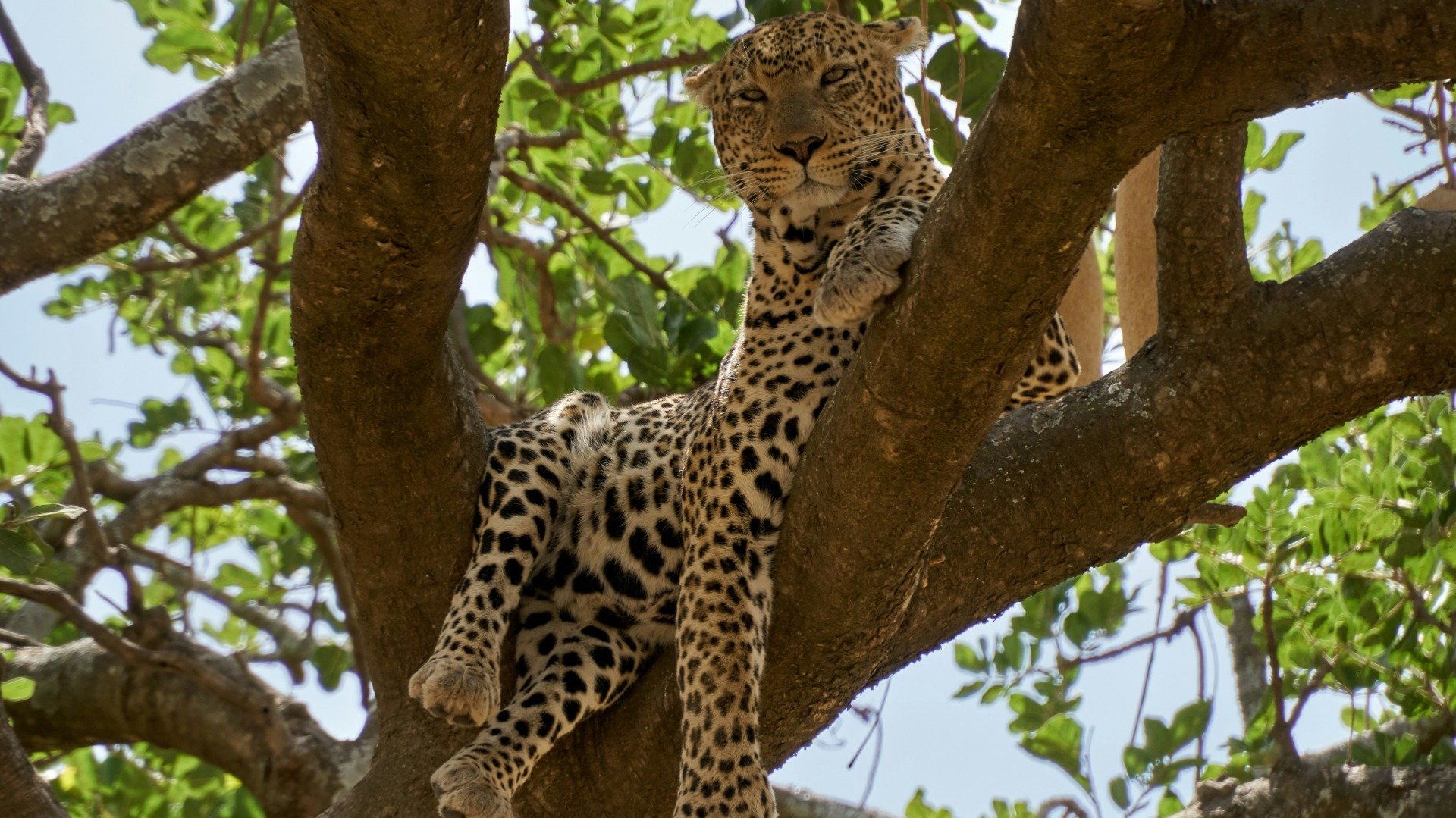
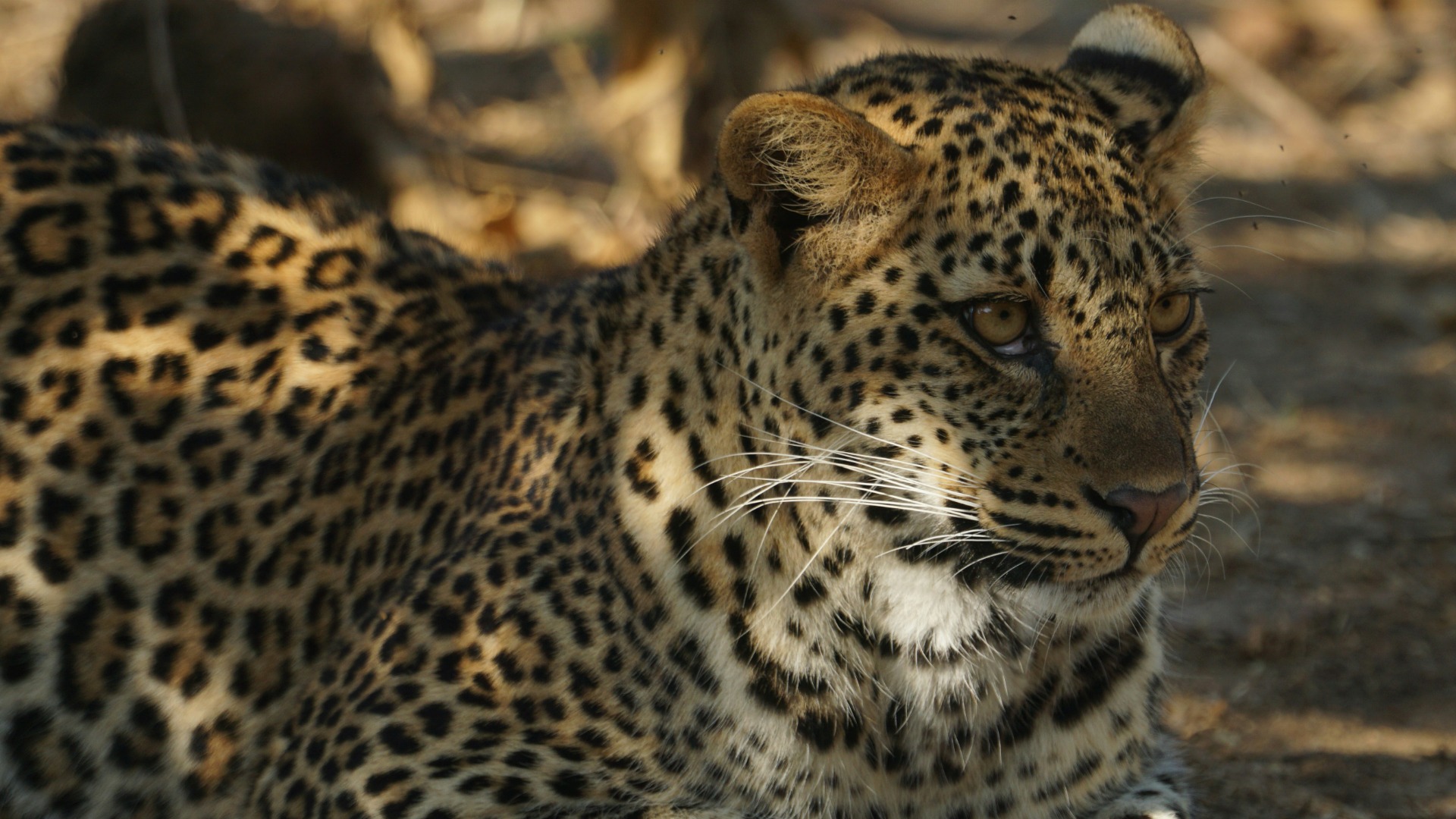
Whether you seek the profound connection of sitting quietly near a mountain gorilla family or the thrill of spotting a leopard draped along a tree branch at dusk, these experiences leave an indelible mark. Each encounter reinforces our responsibility to protect these remarkable creatures and the landscapes they inhabit. For those looking for a private safari beyond our set itineraries, we would be delighted to hear from you directly. We specialise in creating beautifully tailored journeys for solo travellers, couples, families, and private groups of up to eight guests. Through our trusted network of carefully selected camps and lodges, we craft each safari around your individual interests, preferred pace, and budget, ensuring a seamless and deeply personal experience from beginning to end.
Explore our Uganda safari collection or discover more about Bwindi Lodge and Gorilla Safari Lodge to begin planning your own transformative journey. Visit our enquiry form to start a conversation about creating your perfect Ugandan wildlife experience with Encounters Africa.
More like this
Wildlife
Practical Ways Tourists Can Support African Wildlife During Game Drives
Wildlife
Reading Kenya's Savannah: Proven Field Signs That Reveal Nearby Wildlife
wildlife
Rwanda’s Forest Canopy and Chimpanzee Troops: What to Expect at Nyungwe
wildlife
Sabi Sand Wildlife Planner: Key Species, Habitats, and Dry-Season Patterns
wildlife
South Africa Wildlife Planner: Reserves, Behaviors, and Optimal Months
Wildlife