
Culture
Respectful Safari Practices That Honor African Wildlife Traditions
Encounters Africa - 9 min read
Updated on 11 August 2026
Respectful safari practices that honor African wildlife traditions begin with understanding the deep connections between local communities and the animals sharing their landscapes. Across East and Southern Africa, indigenous knowledge has shaped how people live alongside elephants, lions, and countless other species for generations. A responsible safari not only seeks memorable wildlife sightings but also supports the cultural frameworks that have sustained these ecosystems.
The best time to engage with these traditions is during the drier months when animals gather predictably around water sources, from July to October in many regions. Travellers who approach their journey with cultural awareness return with richer insights and contribute meaningfully to conservation efforts that benefit both wildlife and communities. Encounters Africa has guided thousands of visitors in practising this mindful approach since our founding.
Understanding Cultural Connections to Wildlife
Many African societies view wildlife not as distant attractions but as integral to their stories, livelihoods, and spiritual beliefs. The Maasai of Kenya maintain intricate relationships with lions, incorporating them into coming-of-age ceremonies while developing sophisticated methods of coexistence. Similarly, the San people of the Kalahari have passed down tracking techniques for centuries that reveal animal behaviour through subtle signs in the sand and vegetation.
These traditions emphasise balance rather than dominance. Where Western perspectives might focus solely on observation, local knowledge systems often incorporate taboos against unnecessary disturbance and rituals that acknowledge the spirit of the land. This foundation informs how respectful safari practices that honor African wildlife traditions are conducted today.
Respect flows from knowledge. When we understand that an elephant path follows ancestral routes used for hundreds of years, our presence becomes part of a longer conversation rather than an interruption.
The Maasai Lion Guardians
In southern Kenya and northern Tanzania, Maasai communities have transitioned from traditional lion hunting to conservation-focused guardianship programmes. These initiatives compensate herders for livestock losses and celebrate warriors who protect rather than hunt big cats. Visitors who learn about these programmes gain context for the lions they observe on morning game drives.
Participating in a cultural visit to a manyatta reveals how beadwork patterns tell stories of human-wildlife encounters. The distinctive colours and designs often reference specific animals and events, creating living records of coexistence that span generations.

Respectful Safari Practices That Honor African Wildlife Traditions in Practice
Translating cultural awareness into daily safari behaviour requires attention to both obvious and subtle details. The most impactful actions often involve what you choose not to do. Maintaining appropriate distances allows animals to continue natural behaviours without becoming habituated to human presence, a principle rooted in many indigenous approaches to wildlife.
Guides trained in both ecological science and cultural knowledge can explain why certain areas hold special significance. A seemingly ordinary acacia tree might mark a historical meeting place or contain medicinal properties known to local healers. Recognising these layers transforms a standard game drive into a more meaningful experience.
Practical Guidelines for Cultural Sensitivity
Before visiting community areas, familiarise yourself with basic protocols. In many regions, asking permission before photographing people is essential, and modest dress shows respect for local customs. When participating in village visits, consider how your questions reflect genuine curiosity rather than treating cultural practices as entertainment.
Follow your guide's instructions regarding where and when photography is appropriate
Learn a few words in the local language as a gesture of appreciation
Support community enterprises by purchasing directly from artisans when possible
Avoid imposing external value judgements on traditional practices
Respect designated sacred sites and ceremonial areas
Community-Based Conservation Models
Across Africa, innovative partnerships between wildlife areas and neighbouring communities have created new models of shared prosperity. In Botswana, several conservancies allocate tourism revenue directly to local development projects, ensuring that wildlife protection brings tangible benefits to residents. These arrangements reflect traditional African values of collective responsibility.
The Mara Naboisho Conservancy in Kenya demonstrates how shifting from individual land use to collaborative management can benefit both people and wildlife. With over 50,000 acres under unified stewardship since 2010, the conservancy supports approximately 500 lion prides while providing sustainable income for more than 1,200 landowners.
True conservation succeeds when local communities see wildlife as partners in their future rather than competitors for resources. This shift in perspective represents one of Africa's most significant contributions to global environmental thinking.
Engaging Authentically with Local Communities
Meaningful engagement goes beyond brief photo opportunities. Arrange visits that allow time for genuine exchange, perhaps through shared meals or craft demonstrations. Many lodges partner with neighbouring communities to offer experiences that highlight traditional knowledge about medicinal plants, tracking techniques, or wildlife behaviour.
When staying at properties like Angama Mara, guests can participate in programmes designed in consultation with Maasai elders. These experiences provide insight into how cultural practices inform modern conservation strategies while ensuring that economic benefits remain within the community.
Minimising Environmental and Cultural Impact
Every safari choice carries potential consequences for both natural systems and cultural integrity. Selecting operators who employ local staff and support community projects ensures your journey contributes positively. The most responsible companies maintain small group sizes, typically no more than six to eight guests, to reduce pressure on sensitive habitats and cultural sites.
Consider the full lifecycle of your safari, from travel arrangements to daily consumption patterns. Choosing lodges that source produce locally, minimise plastic use, and manage waste responsibly aligns with traditional African values of living in harmony with available resources. Many properties now partner with communities to restore indigenous vegetation and monitor wildlife movements using techniques passed down through generations.
Seasonal Considerations and Traditional Knowledge
Indigenous calendars often differ from Western seasonal divisions, incorporating subtle indicators such as specific bird migrations or plant flowering patterns. The San tracking traditions, for instance, recognise at least six distinct seasons in the Kalahari based on animal behaviour and available resources. Understanding these nuances helps travellers appreciate why certain wildlife patterns occur when they do.
In Tanzania, the annual wildebeest migration follows routes used for thousands of years, with local communities marking its progress through stories and songs. Aligning your visit with these natural cycles demonstrates respect for both the wildlife and the cultural frameworks that have documented these movements for centuries.
How to Choose Culturally Responsible Safari Operators
Identifying operators who genuinely integrate cultural respect into their practices requires careful research. Look for companies that can demonstrate long-term community partnerships rather than one-off donations. Reputable organisations publish detailed information about how tourism revenue supports specific local initiatives, from school construction to wildlife monitoring programmes.
Encounters Africa maintains relationships with communities spanning more than two decades in several key areas. Our selection of camps and lodges reflects a commitment to properties that employ significant numbers of local staff and support traditional land management practices. When you book through us, you invest in approaches that have been refined through years of collaboration with indigenous knowledge holders.
The most profound wildlife encounters often happen when cultural context illuminates what your eyes are seeing. A lion becomes more than a predator when you understand its role in the stories children hear around evening fires.
Questions to Ask Before Booking
Thoughtful enquiries reveal much about an operator's commitment to cultural respect. Ask about staff composition, revenue distribution models, and how traditional knowledge influences guiding practices. The most reputable companies welcome these conversations as opportunities to share their approach in detail.
What percentage of staff come from neighbouring communities?
How does tourism income directly benefit local conservation and development projects?
Do your guides receive training in both ecological science and cultural knowledge?
Are there opportunities to engage meaningfully with community members beyond brief visits?
How do you ensure that cultural experiences respect local protocols and preferences?
The Role of Indigenous Knowledge in Modern Conservation
Traditional ecological knowledge offers insights that complement scientific research in powerful ways. San trackers can identify individual animals through footprints with remarkable accuracy, while Maasai herders predict livestock predation risks based on subtle changes in lion behaviour. These skills increasingly inform formal conservation strategies across Africa.
In Rwanda, programmes around Volcanoes National Park incorporate traditional knowledge about gorilla behaviour into monitoring protocols. Similar approaches in South Africa blend Zulu and Xhosa understanding of medicinal plants with modern botanical surveys, creating more comprehensive conservation frameworks.
Supporting Cultural Continuity
Responsible travellers recognise that supporting living cultures means allowing communities to evolve on their own terms. This might involve attending ceremonies only when explicitly invited or understanding that some traditional knowledge remains private. The goal is partnership rather than extraction of cultural elements for entertainment.
Many lodges now employ elders as cultural advisors, ensuring that traditional perspectives shape both guest experiences and conservation decisions. These roles provide valuable income while preserving knowledge that might otherwise fade as younger generations pursue different opportunities.

Creating Lasting Connections Through Respectful Travel
Approaching your African safari with cultural awareness transforms it from a series of wildlife sightings into a meaningful dialogue with both the land and its people. The traditions that have sustained these ecosystems for centuries offer profound lessons about coexistence that resonate far beyond the safari experience itself.
By choosing to travel thoughtfully, supporting community initiatives, and maintaining genuine respect for local knowledge systems, you become part of a positive cycle that helps ensure these traditions and the wildlife they protect continue to thrive. The most rewarding journeys are those that leave both the visitor and the visited enriched by the encounter.
For discerning travellers seeking a private safari beyond our set itineraries, we invite you to contact us directly. We specialise in designing exceptional, tailor-made journeys for individuals, couples, families, and private groups of up to eight guests. Drawing on our handpicked network of distinguished camps and lodges, we curate every detail with precision and care, creating a seamless, deeply personal safari experience shaped entirely around your preferences, pace, and budget.
Discover more about integrating cultural learning into your wildlife experience in our guide to understanding the deep links between African wildlife and cultural traditions. For those planning their first journey, our article on preparing thoughtfully for your initial safari offers complementary advice. When ready to begin planning, please visit our enquiry form to start a conversation about creating your own respectful safari journey with Encounters Africa.
More like this
culture
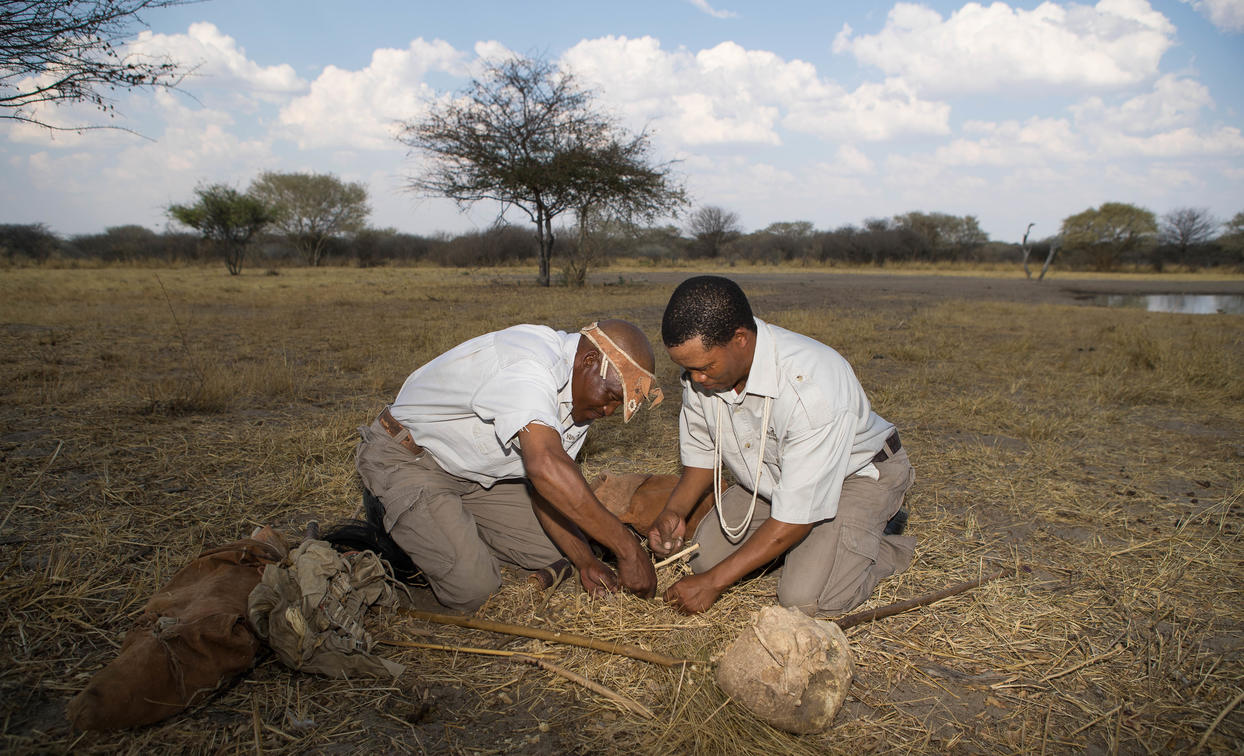
San Tribe Rhythms: Living Among Botswana's Ancient Bushmen
Culture
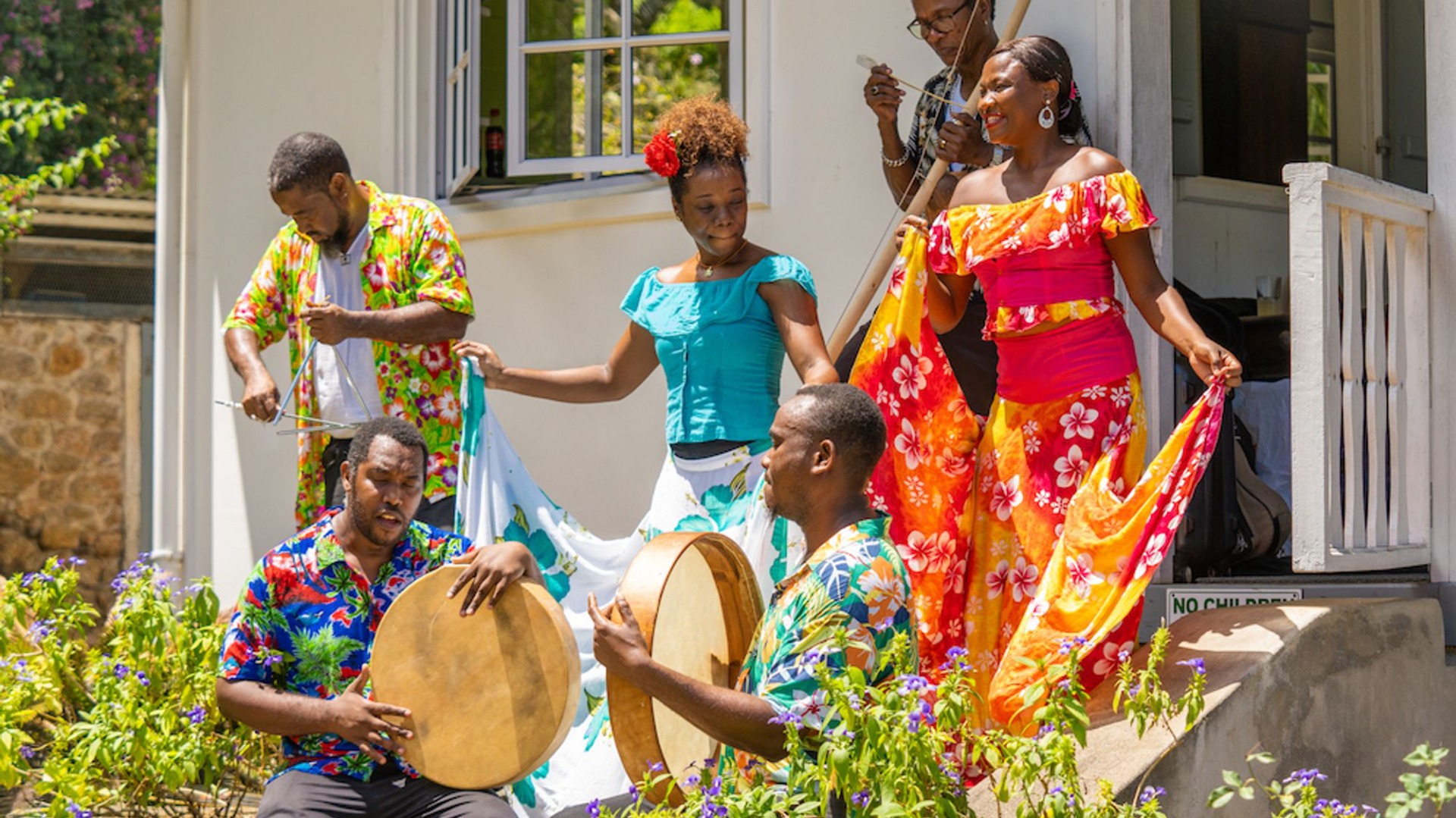
Seychelles Beyond the Beaches: What the Creole Traditions Reveal
culture
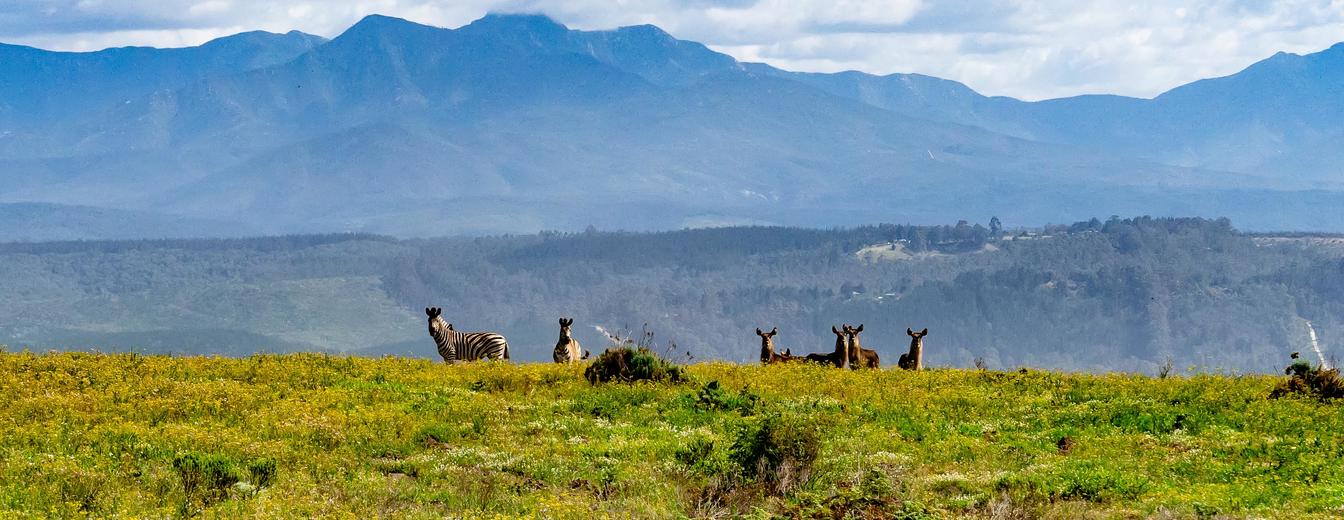
South Africa's Cultural Essentials: Xhosa, Zulu, and Sotho Traditions Explained
Culture
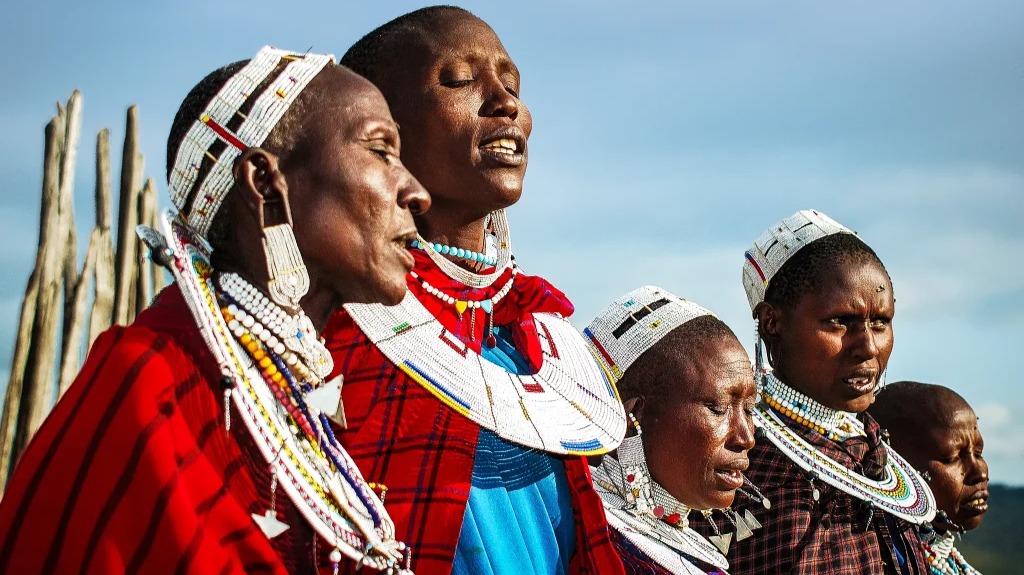
Tanzania's Vibrant Traditions: What Every Visitor Should Know Before Arrival
Culture
Tracing Zambia’s Cultural Roots from Ancient Kingdoms to Modern Traditions

culture