Wildlife
Practical Ways Tourists Can Support African Wildlife During Game Drives
Encounters Africa - 9 min read
Updated on 11 August 2026
Practical ways tourists can support African wildlife during game drives begin with understanding that every decision made on safari carries weight for the animals and habitats encountered. From the golden grasslands of the Masai Mara to the winding waterways of the Okavango Delta, travellers have the power to act as allies rather than intruders. By adopting thoughtful behaviours, choosing operators with proven conservation records, and respecting natural rhythms, visitors ensure these wild spaces thrive for generations to come. This approach not only safeguards Africa's iconic species but deepens the personal connection formed with the landscape.
A recent study by the African Wildlife Foundation notes that responsible tourism contributes over $40 billion annually to conservation efforts across the continent, funding anti-poaching units, habitat restoration, and community initiatives. The best time to put these principles into practice is during peak safari seasons, typically from June to October in Southern Africa when animals congregate around water sources, or January to March in East Africa for wildebeest migrations. What follows are actionable steps that transform a standard game drive into a meaningful contribution to wildlife preservation.

Every quiet observation and respectful distance kept during a game drive becomes a quiet vote for the future of Africa's wild places.
Understanding the Impact of Your Presence on African Wildlife
African wildlife has evolved sophisticated survival strategies over millennia, yet the growing number of safari vehicles can disrupt these delicate balances. When multiple 4x4s converge on a single sighting, animals experience heightened stress levels, altering feeding patterns, breeding success, and even migration routes. Research from the University of Pretoria shows that repeated vehicle approaches within 30 metres can increase heart rates in cheetahs by up to 25 percent, potentially affecting their hunting efficiency.
Recognising these effects empowers travellers to make better choices. Instead of demanding close encounters, embracing patience allows animals to behave naturally, creating more authentic and ultimately rewarding observations. This shift in mindset moves the experience from passive viewing to active participation in conservation.
Encounters Africa works exclusively with partners who limit vehicle numbers around sightings and enforce strict viewing protocols. By selecting such operators, travellers directly support higher standards that benefit both wildlife and the broader safari industry.
The Science Behind Wildlife Stress Responses
Animals perceive vehicles as potential threats, particularly when engines idle loudly or spotlights sweep across their faces at night. Lions may abandon kills, elephants alter drinking times, and nocturnal species retreat deeper into the bush. These behavioural changes compound over time, especially in popular reserves where daily vehicle traffic can exceed 50 in a single area.
By learning to read subtle signals such as flattened ears, swishing tails, or sudden vigilance, travellers can gauge when their presence is becoming intrusive. Guides trained in behavioural ecology often share these insights, turning each drive into an educational opportunity that heightens appreciation for the species observed.
True connection with Africa's wildlife comes not from proximity but from allowing animals to remain undisturbed in their element.
Choosing Responsible Safari Operators for Ethical Game Drives
The foundation of any positive wildlife encounter lies in selecting the right operator. Reputable companies maintain low vehicle-to-guide ratios, support local conservation projects, and adhere to industry codes established by organisations like the Global Sustainable Tourism Council. In Kenya, for instance, operators working within the Mara North Conservancy rotate sighting areas to prevent overcrowding, ensuring animals receive adequate rest between observations.
Before booking, enquire about a company's vehicle policy, guide training programmes, and contributions to anti-poaching or community development. Many leading lodges allocate a percentage of revenue directly to conservation, with figures often ranging between 8 and 15 percent. Supporting these establishments creates a virtuous cycle where high-value, low-impact tourism funds meaningful protection efforts.
At Encounters Africa, we maintain a carefully vetted network of camps and lodges that meet these exacting standards. Whether exploring the vast plains of Tanzania or the riverine habitats along the Chobe River Front, our partners prioritise ethical practices that place wildlife welfare first.
Questions to Ask When Selecting Your Safari Provider
What is your maximum number of vehicles permitted per sighting? How do you contribute to local conservation initiatives? What training do your guides receive regarding animal behaviour and minimum approach distances? These questions quickly reveal whether an operator views wildlife as a resource to be managed sustainably or merely a spectacle to be exploited.
Responsible operators also invest in electric or hybrid vehicles where possible and use fuel-efficient driving techniques to reduce both noise and carbon emissions. Such measures might seem small individually but collectively represent significant steps toward lowering the industry's environmental footprint.
Maintaining Safe Distances and Respectful Viewing Practices
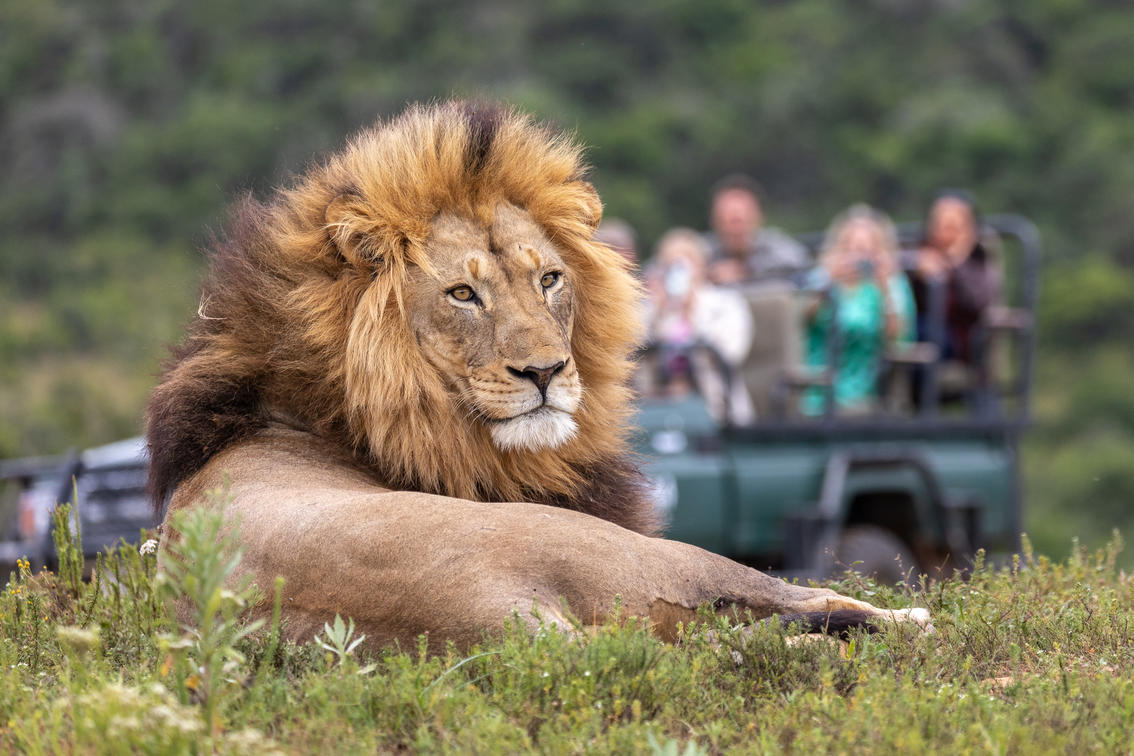
One of the most immediate ways to support African wildlife during game drives is by observing recommended viewing distances. Most reserves suggest remaining at least 25 metres from large predators and 50 metres from breeding herds of elephants or rhinos. These guidelines, developed through decades of field research, allow animals to continue their natural behaviours without feeling cornered or threatened.
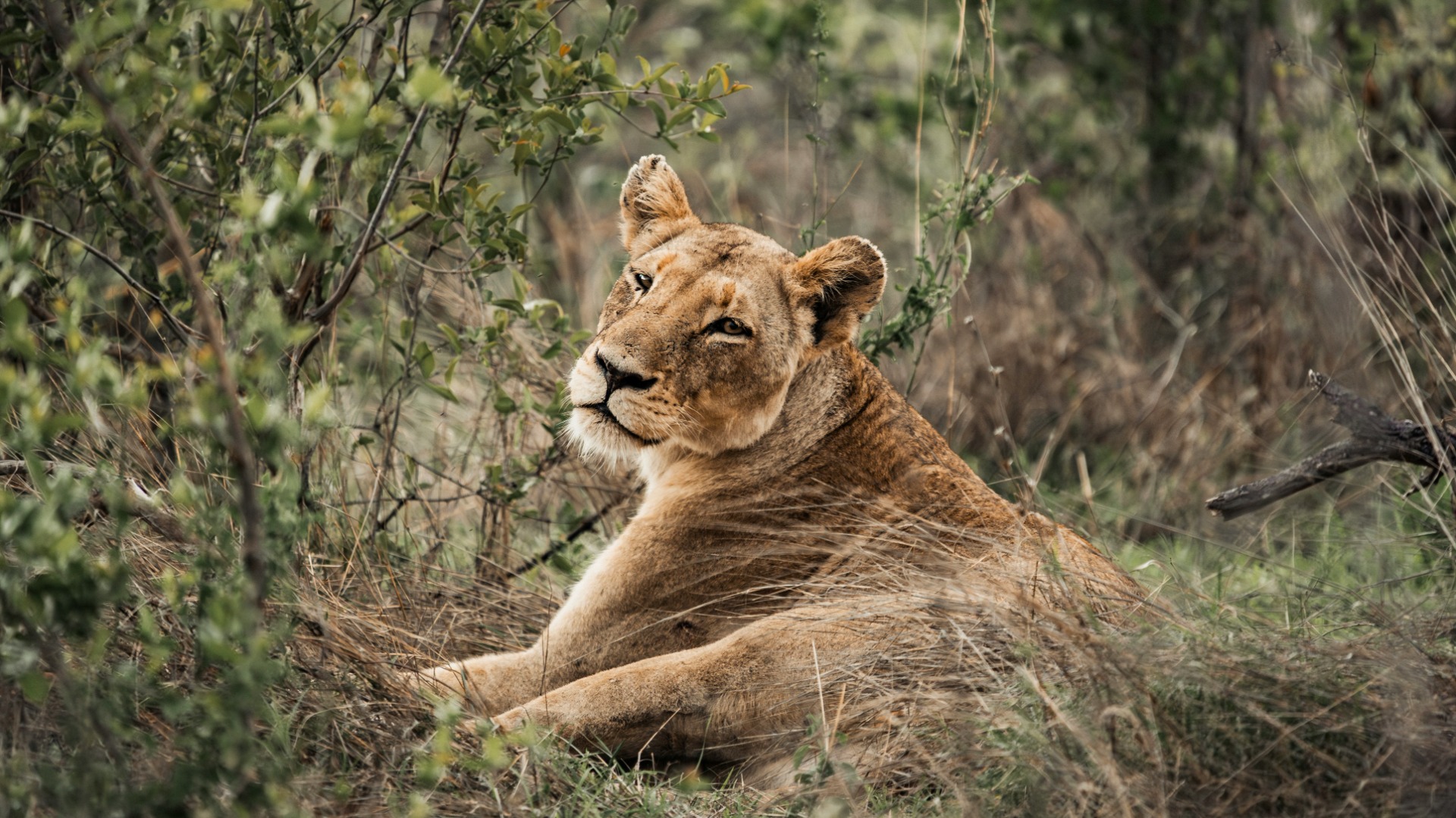
During a typical game drive in the Masai Mara National Reserve, this might mean watching a lion pride from a shaded vantage point rather than circling them repeatedly for different angles. The result is often more compelling: animals relax, interactions unfold organically, and the experience carries greater depth.
Guides play a crucial role here, interpreting animal body language and positioning vehicles accordingly. Travellers who trust this expertise and resist the urge to request closer approaches contribute meaningfully to sustainable viewing practices across Africa's premier wildlife destinations.
Practical Techniques for Minimising Disturbance
Keep voices low and movements minimal when animals are nearby. Avoid standing up abruptly in open vehicles or using flash photography, which can startle even the largest mammals. When driving off established tracks becomes necessary to view a particular sighting, ensure it is done only with explicit guide permission and for the shortest possible duration.
In areas where habituated animals tolerate closer approaches, such as certain private concessions in South Africa, still remain alert to signs of discomfort. The goal remains the same: leave the wildlife as undisturbed as possible while creating lasting memories through observation rather than interaction.
The most profound safari moments often occur when travellers become part of the landscape rather than the centre of attention.
Reducing Noise, Light, and Waste During Your Safari Experience
Modern game drive vehicles have become quieter in recent years, yet unnecessary engine revving, loud conversations, and ringing mobile phones can still shatter the natural soundscape that animals rely upon for communication and safety. Committing to silence during key viewing periods allows travellers to hear the subtle layers of the African bush: the distant rumble of elephants, the alarm calls of vervet monkeys, the rustle of wind through acacia leaves.
After dark, the use of bright spotlights should be limited to brief periods and directed only where necessary. Many lodges now employ red-filtered lights that are less disruptive to nocturnal vision while still permitting safe navigation. These small adjustments collectively help preserve the delicate balance of activity that defines healthy ecosystems.
Waste management represents another critical consideration. Even seemingly harmless items like orange peels or biodegradable food scraps can alter animal diets or introduce foreign bacteria. Responsible travellers carry reusable water bottles, refuse single-use plastics, and ensure all litter returns to camp for proper disposal.
Supporting No-Trace Principles in Practice
Carry a small bag for personal waste during longer drives. Choose operators who provide binoculars rather than encouraging guests to bring noisy camera equipment with motor drives. When photographing, use natural light where possible and avoid burst modes that create continuous mechanical sounds.
These practices align with the ethos of organisations such as the International Ecotourism Society, which reports that travellers who follow low-impact guidelines are 40 percent more likely to report deeper satisfaction with their safari experience.

Participating in Citizen Science and Conservation Initiatives
Many safari operators now offer opportunities for guests to contribute directly to scientific research during their stay. From recording GPS coordinates of rare sightings to noting behavioural observations that feed into long-term monitoring programmes, these activities transform travellers into active participants in conservation.
In the Okavango Delta, certain camps collaborate with researchers studying predator-prey dynamics, inviting guests to submit photographs that help identify individual animals. Similar programmes exist across Kenya and Tanzania, where photographic data assists in tracking population trends of endangered species such as African wild dogs and cheetahs.
Even without formal programmes, travellers can support broader efforts by purchasing carbon offsets for their flights, donating to lodge-based conservation funds, or simply sharing accurate information about African wildlife upon returning home. Each action, however modest, adds to a collective effort that sustains these remarkable landscapes.
Common Questions About Supporting Wildlife on Safari
What should I do if I see another vehicle behaving irresponsibly? Note the vehicle number or camp name if possible and report it discreetly to your guide or lodge manager. Many reserves maintain reporting systems that help maintain standards across operators.
Can I feed animals or interact with them physically? Never. This disrupts natural foraging patterns and can lead to dangerous habituation. True connection comes through observation, not interaction.
How close is too close? If an animal changes its behaviour because of your presence, you are too close. A good rule of thumb is to retreat at the first sign of discomfort.
These straightforward guidelines help answer the questions most frequently asked by first-time safari travellers seeking to minimise their impact while maximising their enjoyment.
Conclusion: Becoming a Guardian of Africa's Wild Heritage
The choices made during game drives extend far beyond the duration of any single safari. By maintaining respectful distances, supporting ethical operators, reducing noise and waste, and engaging with conservation initiatives, travellers become genuine partners in the preservation of Africa's extraordinary wildlife. These practical steps not only protect vulnerable species but enrich the experience for everyone involved, creating memories grounded in respect rather than intrusion.
For discerning travellers seeking a private safari beyond our set itineraries, we invite you to contact us directly. We specialise in designing exceptional, tailor-made journeys for individuals, couples, families, and private groups of up to eight guests. Drawing on our handpicked network of distinguished camps and lodges, we curate every detail with precision and care, creating a seamless, deeply personal safari experience shaped entirely around your preferences, pace, and budget.
Whether your interests lie in the predator-rich plains of the Masai Mara, the seasonal spectacles of the Okavango Delta, or the intimate wilderness experiences found at Duba Plains Camp, Encounters Africa stands ready to craft a journey that honours both your desires and the wild places that make Africa unique. Visit our enquiry form to begin planning an experience that supports conservation while creating memories that last a lifetime.
More like this
Wildlife
Reading Kenya's Savannah: Proven Field Signs That Reveal Nearby Wildlife
wildlife
Rwanda’s Forest Canopy and Chimpanzee Troops: What to Expect at Nyungwe
wildlife
Sabi Sand Wildlife Planner: Key Species, Habitats, and Dry-Season Patterns
wildlife
South Africa Wildlife Planner: Reserves, Behaviors, and Optimal Months
Wildlife
Spotting Africa's Nighttime Hunters: A Practical Guide to Night Safaris
wildlife