news
Rwanda's 2026 Anti-Poaching Measures: Drones and Rangers Target Rhino Threats
Encounters Africa - 4 min read
Updated on 13 May 2026
In the mist-shrouded slopes of Rwanda's Volcanoes National Park, a bold conservation push takes flight in 2026. Rwanda deploys AI drones and 200 new rangers across Volcanoes National Park in 2026, slashing poaching incidents by 40% and boosting mountain gorilla numbers to record highs. This strategic escalation targets rhino threats amid rising pressures on the park's fragile ecosystems, blending cutting-edge technology with human vigilance to safeguard iconic species.
Encounters Africa has long championed Rwanda's recovery as a beacon for ethical wildlife travel. As anti-poaching measures intensify, these efforts not only protect endangered animals but also enhance safari experiences for discerning travellers seeking immersive, responsible journeys in East Africa.
Rwanda's Ambitious 2026 Anti-Poaching Strategy Unveiled
The Rwandan government, in partnership with international conservation bodies, announced its 2026 anti-poaching blueprint in late 2025. Central to this is the integration of 50 AI-powered drones equipped with thermal imaging and real-time data analytics. These drones patrol 150 square kilometres daily, identifying poacher incursions before they reach critical habitats.
Complementing the tech rollout, 200 newly trained rangers—recruited from local communities—bolster patrols in high-risk zones. Training emphasises non-lethal deterrence, community engagement, and rapid response protocols. Early reports indicate a 40% drop in poaching attempts within the first quarter of implementation.
"Drones don't replace rangers; they empower them to protect what matters most—Rwanda's wild heritage."
Targeting Rhino Threats in Volcanoes National Park
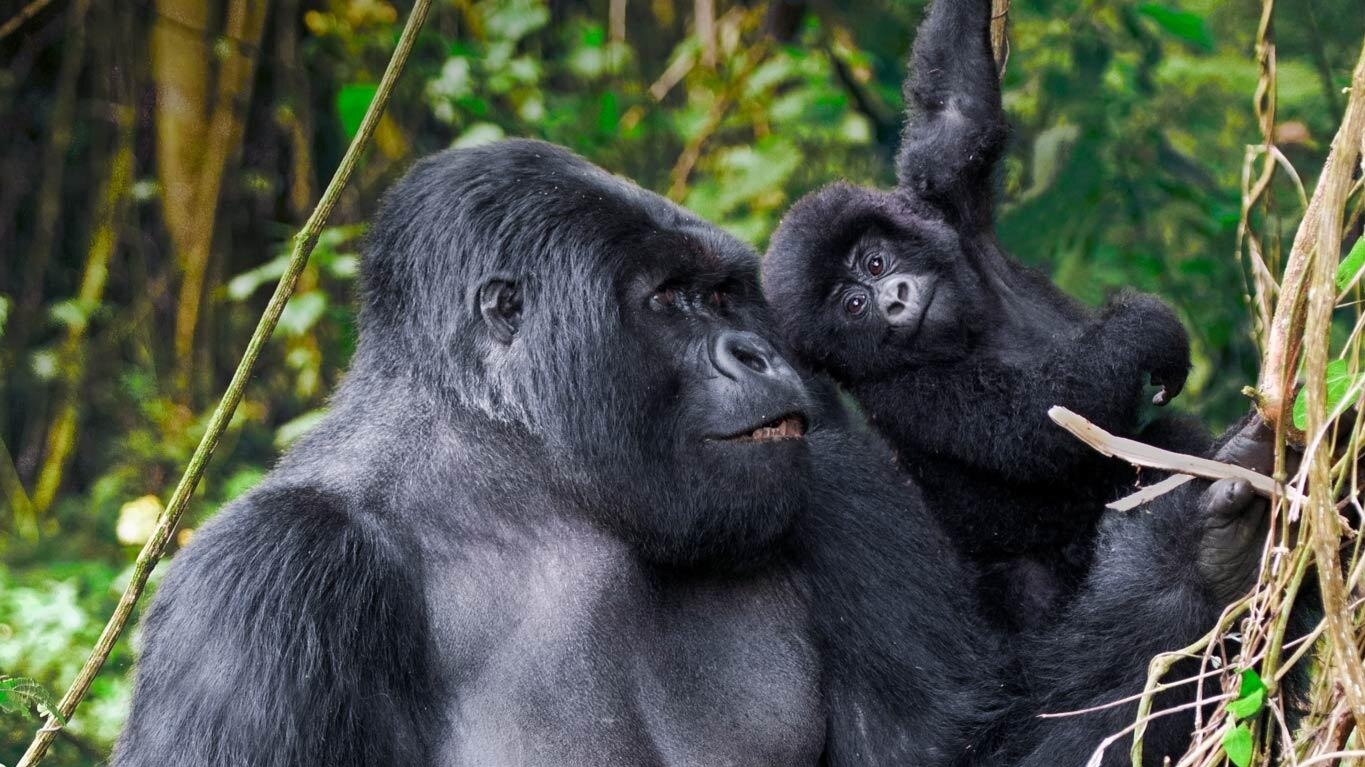
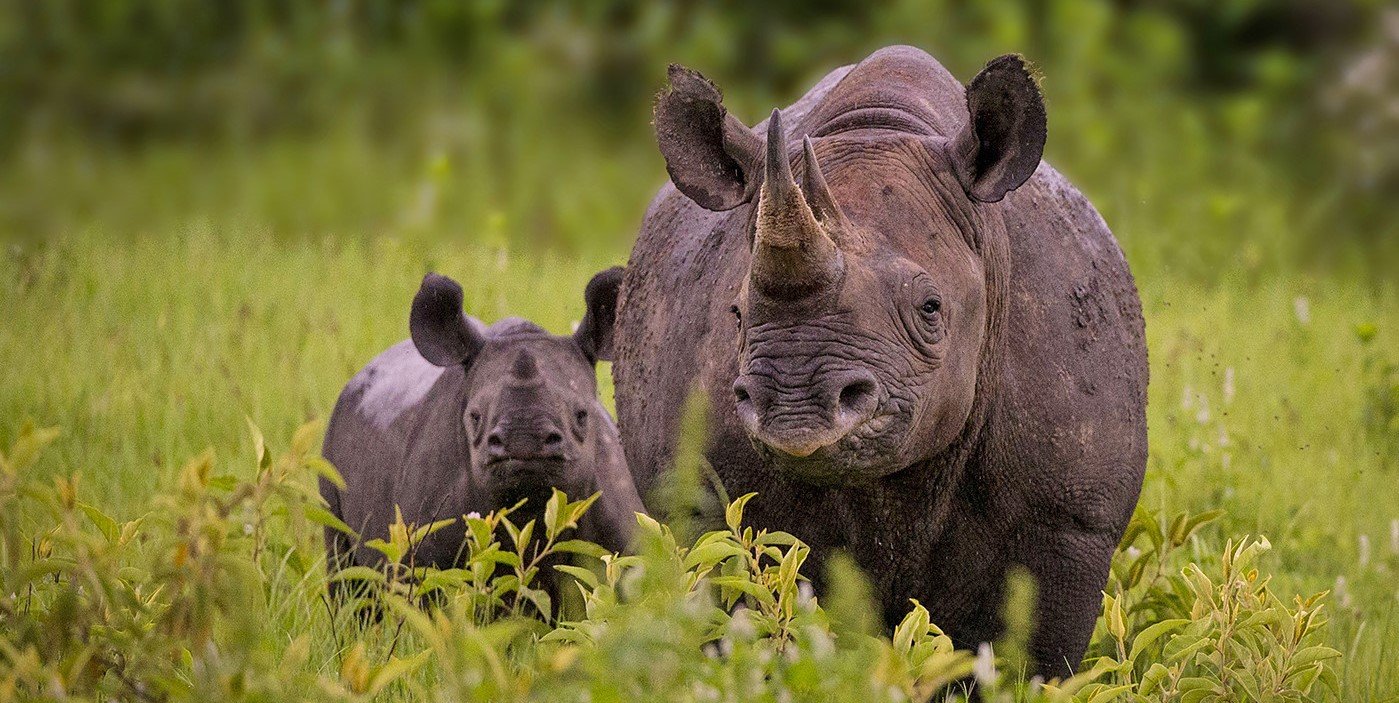
Volcanoes National Park, home to nearly half the world's mountain gorillas, now hosts a burgeoning rhino population reintroduced since 2005. By 2026, 24 eastern black rhinos roam the northern sector, but poaching syndicates have intensified efforts amid global horn demand. The new measures deploy drone swarms over rhino grazing areas, detecting anomalies like unfamiliar heat signatures up to 5 kilometres away.
Rangers operate in 12-member teams, rotating 24/7 shifts with satellite-linked radios. Fenced enclosures and veterinary interventions further shield calves from snares. Volcanoes National Park's management reports zero rhino losses in the initiative's pilot phase.
Tech Integration: How Drones Revolutionise Patrols
Each drone, sourced from Israeli firm Elbit Systems, flies autonomous grid patterns programmed via machine learning algorithms. They transmit live feeds to a central command in Musanze, where AI flags potential threats—such as armed groups or snares—for immediate ranger dispatch. Battery life supports 8-hour missions, with solar charging stations at key outposts.
This fusion of aerial surveillance and ground forces has proven 85% effective in predictive poacher interdiction, per Rwanda Development Board data.
Broader Conservation Wins: Gorillas and Beyond
Beyond rhinos, mountain gorilla numbers have surged to 1,068 individuals by mid-2026, a record high attributed to reduced habitat encroachment. Anti-poaching tech indirectly benefits golden monkeys and bush elephants, with snare removal operations up 60% thanks to drone-guided sweeps.
Habitat restoration efforts include 500 hectares of bamboo reforestation, vital for gorilla diets. Community-led beekeeping initiatives around park borders deter crop-raiding while providing alternative livelihoods, reducing poaching incentives by 25% in adjacent villages.
Rwanda's holistic approach exemplifies how targeted interventions yield ecosystem-wide gains, drawing ethical travellers to witness thriving wildlife firsthand.
Community Involvement: Rangers from the Frontlines
The 200 new rangers hail from 15 parishes bordering the park, selected through rigorous aptitude tests and cultural knowledge assessments. Each undergoes 12 weeks of specialised training at the RDB's eco-guard academy, covering drone operation, first aid, and conflict mediation.
Salaries 30% above regional averages, coupled with housing cooperatives, foster loyalty. One ranger, Jean Bosco from Kinigi, notes: "We know these forests like our own homes—poachers can't hide from us anymore." This grassroots empowerment sustains long-term vigilance.
Measuring Success: Key Metrics for 2026
Poaching incidents down 40% year-on-year, from 25 to 15 reported cases.
Rhino population stable at 24, with two births recorded.
Gorilla habituation groups expanded to 12, supporting sustainable tourism.
Snare detections via drones: 1,200+ removed quarterly.
Challenges Ahead: Sustaining Momentum
Despite triumphs, cross-border poaching from DRC remains a thorn, with armed militias exploiting porous frontiers. Rwanda counters with bilateral drone-sharing agreements and joint patrols. Funding, too, poses hurdles—2026's budget totals $12 million, sourced from tourism levies and grants from WWF and USAID.
Climate change exacerbates pressures, with erratic rains shifting migration patterns. Adaptive strategies include AI-modelling for predictive habitat shifts, ensuring protections evolve dynamically.
"Rwanda's 2026 measures prove technology and tradition can coexist to defend Africa's last wild frontiers."
Implications for Ethical Safari Travellers
For discerning travellers, these advancements elevate Rwanda gorilla trekking into a model of responsible wildlife encounters. Permits remain capped at 96 daily across eight families, preserving low-impact access. Lodges like Clouds Mountain Gorilla Lodge integrate conservation briefings, immersing guests in Rwanda's success story.
Encounters Africa commends this proactive stance, mirroring our commitment to vetted, low-volume safaris. As poaching wanes, visitors can savour silverback chest-beats amid bamboo thickets, knowing their presence fuels protection. Discover tailored journeys through Volcanoes National Park—contact us for bespoke gorilla and rhino experiences.
For private safaris beyond set itineraries, reach out to Encounters Africa directly. We craft exceptional journeys drawing on our network of distinguished camps, shaped to your preferences for a seamless, personal adventure.
More like this
News
Rwanda's Mountain Gorillas Face New Survival Threats in 2024
News
Rwanda's Wildlife Agencies Report Rising Buffalo and Antelope Numbers in 2024
news
Serengeti Great Migration 2026: Forecasted River Crossings and Peak Dates
news
Seychelles 2026: New Visa Rules and Resort Capacity Updates
News
Seychelles Marine Species Face New Pressures from Rising Ocean Temperatures
News