News
Rwanda's Wildlife Agencies Report Rising Buffalo and Antelope Numbers in 2024
Encounters Africa - 9 min read
Updated on 22 July 2026
Rwanda's wildlife agencies have released encouraging 2024 figures showing notable increases in buffalo and antelope populations, particularly within Akagera National Park. Fresh data confirms buffalo herds have expanded by 18 percent while various antelope species are rebounding strongly thanks to years of dedicated anti-poaching work and thoughtful habitat restoration. Rangers now regularly monitor more than 2,500 large mammals across the reserve, painting a picture of genuine ecological recovery in this eastern corner of the country.
This progress reflects sustained investment in conservation across Rwanda, where protected areas serve as vital strongholds for species that once faced steep declines. The latest wildlife counts offer concrete evidence that targeted interventions deliver measurable results, providing hope for similar efforts elsewhere on the continent. For those planning a safari focused on authentic wildlife encounters, these developments signal that Rwanda continues to mature as a premier destination for observing healthy, thriving herds.
The Latest Population Figures from Akagera
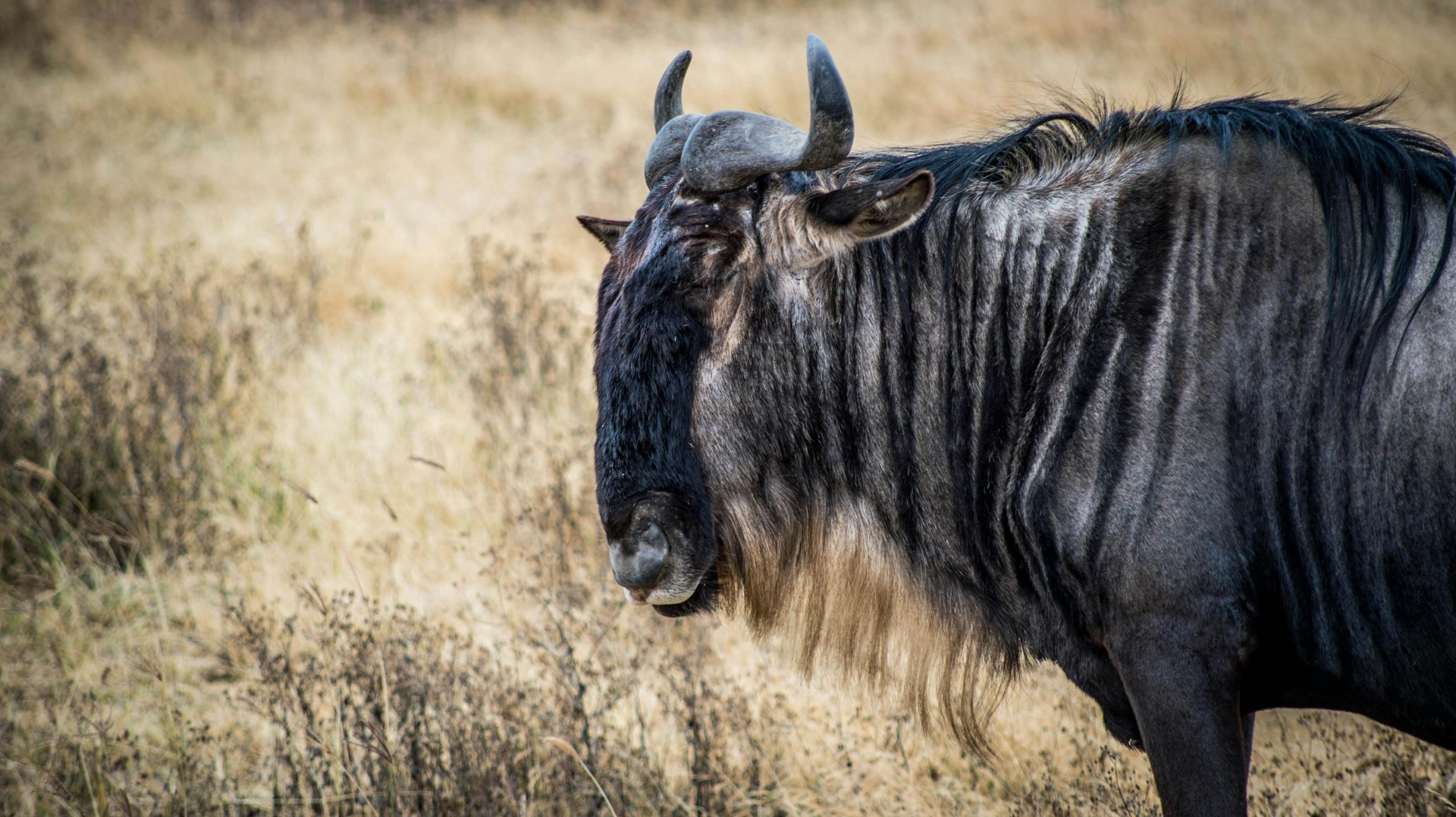
According to the Rwanda Development Board and African Parks, who jointly manage Akagera, the 2024 aerial and ground surveys recorded approximately 1,350 buffalo across the park's 1,122 square kilometres. This represents an 18 percent rise since the previous comprehensive count in 2022. The figures also highlight healthy breeding rates, with young calves making up nearly 22 percent of the observed herds during the dry season surveys conducted between June and August.
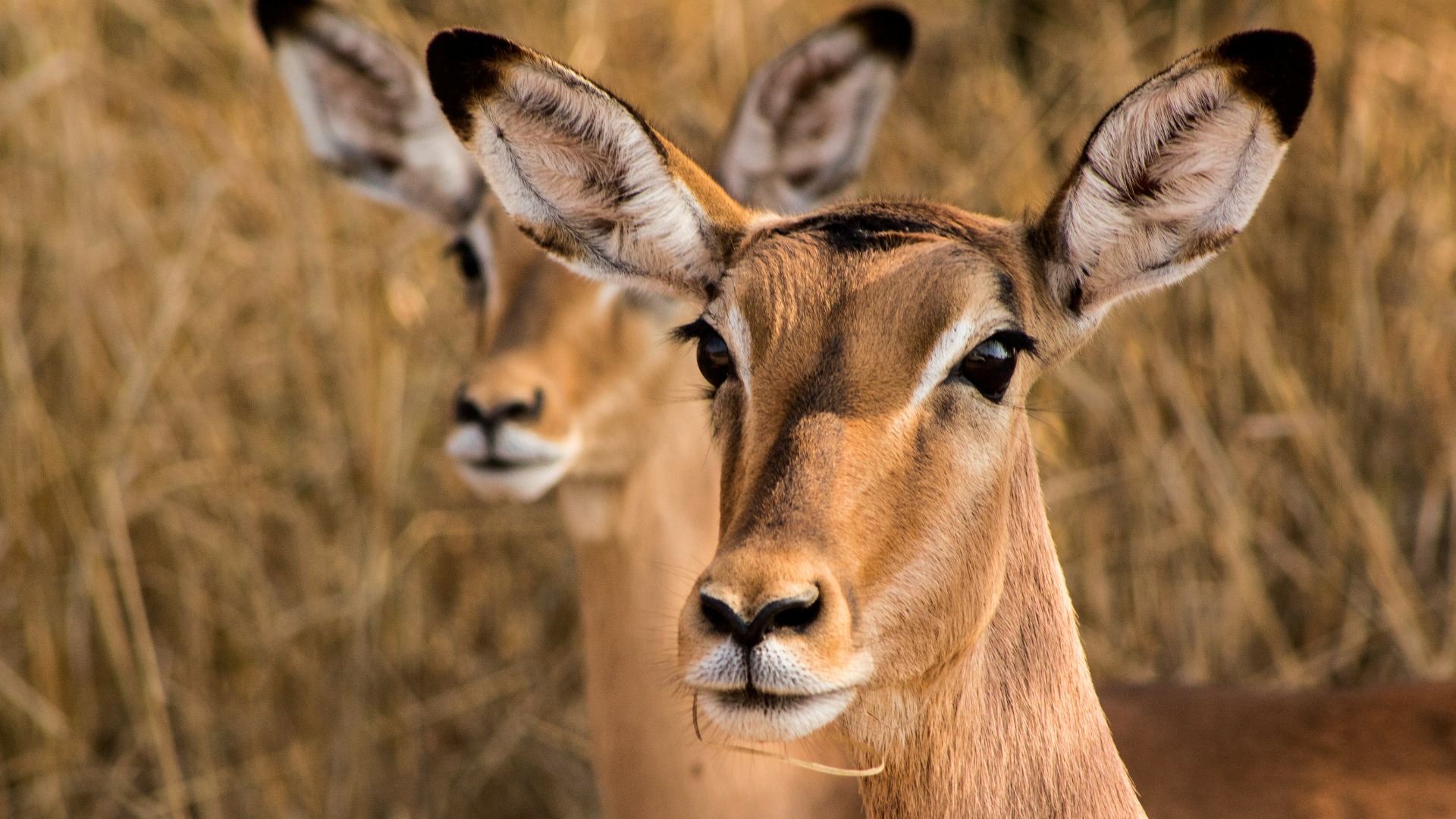
Antelope populations have shown equally promising recovery. Impala numbers have climbed to around 3,800 individuals, while topi have increased by 12 percent to roughly 1,650. Roan and eland, both more selective in their habitat requirements, have also posted modest but steady gains. These statistics come from a combination of drone surveys, camera traps, and traditional vehicle-based counts involving more than 40 rangers and conservation scientists.
The steady rise in buffalo and antelope numbers demonstrates what becomes possible when communities, government, and conservation partners align their efforts over time.
These increases stand in contrast to broader regional trends where many large mammal populations continue to face pressure. The data underscores Akagera's emergence as one of East Africa's conservation success stories, particularly following the reintroduction of lions in 2015 and the subsequent ecological adjustments that have followed.

Anti-Poaching Measures Driving the Recovery
The foundation of this wildlife rebound rests on rigorous anti-poaching strategies implemented since African Parks assumed management of Akagera in 2010. Law enforcement teams now deploy a sophisticated network of more than 120 rangers, supported by real-time intelligence gathering, sniffer dogs, and strategic fencing along key park boundaries. Between 2020 and 2024, rangers removed over 2,800 snares and made 87 arrests related to illegal wildlife activities.
Community engagement has proven equally important. The park's revenue-sharing model directs 10 percent of tourism income directly to neighbouring villages, funding schools, health clinics, and agricultural projects. This approach has dramatically reduced local reliance on bushmeat and natural resources inside the protected area. Former poachers have been retrained as rangers or guides, creating a powerful incentive for protection rather than exploitation.
Technology plays an increasingly prominent role. Solar-powered camera traps, drone surveillance, and a dedicated rapid response unit have transformed how threats are detected and neutralised. The result is a level of security that allows herds to move freely without the constant pressure that once fragmented their populations and limited breeding success.
Habitat Restoration Projects Yielding Results
Parallel to security improvements, extensive habitat restoration has created more favourable conditions for grazing species. Over 3,500 hectares of invasive plants have been cleared since 2018, allowing native grasses to return and supporting larger, more stable herds. Controlled burning programmes now follow ecological rather than purely managerial schedules, promoting fresh growth at precisely the right times of year.
Wetland rehabilitation along the park's eastern lakes has been particularly beneficial for water-dependent species such as sitatunga and buffalo. By restoring natural water flows and reducing siltation, these projects have improved both water quality and the availability of nutrient-rich grazing throughout the dry season. The changes are visible not only in population numbers but in the overall body condition of the animals themselves.
Seeing a herd of 80 buffalo move across a floodplain that was choked with invasive mimosa just a decade ago reminds us that landscapes can heal when given the right support.
How These Numbers Compare to Regional Trends
While Rwanda celebrates these gains, the picture across neighbouring countries remains mixed. In parts of Uganda, buffalo populations in certain reserves have declined by up to 30 percent over the same period due to habitat loss and disease transmission from livestock. Tanzania has recorded stable but not growing numbers in many areas, with some antelope species showing concerning localised declines.
The contrast highlights the effectiveness of Rwanda's integrated approach combining strong law enforcement, genuine community benefits, and scientific habitat management. Akagera's success provides a potential blueprint for other parks facing similar challenges. Notably, the park has achieved these results while tourism numbers have increased from just 4,000 visitors in 2010 to more than 32,000 in 2023, demonstrating that conservation and responsible visitation can successfully coexist.
Researchers from the University of Rwanda and international partners continue to study how these growing herds influence broader ecosystem dynamics. Their findings suggest that increased grazing pressure is actually benefiting certain bird species and helping maintain grassland diversity, illustrating the complex interconnections within healthy African savanna systems.
What This Means for Safari Experiences in Rwanda
For travellers, these rising numbers translate into more rewarding wildlife viewing opportunities. The increased density of buffalo and antelope creates richer predator-prey dynamics, with healthy lion prides now regularly observed hunting in the open grasslands. Leopard sightings have also become more frequent as prey availability supports larger carnivore populations.
Visitors to Akagera can expect to encounter substantial buffalo herds during morning game drives, particularly near the lakes and in the Mutumba Hills region. Antelope species offer excellent opportunities for detailed observation, from the graceful impala to the less commonly seen roan with their distinctive facial markings. The park's relatively compact size means these sightings often occur within a single morning's drive.
Our partners at Gorilla Safari Lodge near Volcanoes National Park and various properties around Akagera report that guests frequently comment on the visible health and abundance of wildlife. The improved populations have enhanced the overall safari product, allowing for more time spent with animals and less time searching.
Best Times to Witness These Herds
The dry season from June to September offers the clearest viewing conditions as animals concentrate around permanent water sources. During these months, large buffalo aggregations frequently gather along the lakeshore, creating spectacular scenes at first light. The short rains in November and December can also prove excellent, with fresh grass drawing herds into more open terrain.
Those interested in photography will find the golden light of early morning particularly flattering for capturing herd movements against the backdrop of the park's rolling hills. Professional guides know the most productive areas and can position vehicles for optimal observation without disturbing natural behaviour.
Looking Ahead: Future Conservation Priorities
While the 2024 figures represent genuine cause for celebration, conservationists emphasise that continued vigilance remains essential. Climate change brings new challenges, with shifting rainfall patterns potentially affecting grass quality and water availability. The park's management team is already developing adaptive strategies, including expanded water points and enhanced monitoring of vegetation changes.
Transboundary cooperation with neighbouring Tanzania offers exciting possibilities for expanding protected corridors. Discussions are underway to create wildlife movement routes between Akagera and the adjacent Kimisi and Kigosi reserves, which could further strengthen genetic diversity and population resilience.
Community education programmes continue to evolve, with particular focus on younger generations. School outreach initiatives now reach more than 5,000 children annually, fostering a conservation ethic that will prove vital for long-term success. The integration of traditional knowledge with modern scientific approaches creates a more holistic framework for protecting Rwanda's natural heritage.

These rising numbers are not merely statistics but living proof that thoughtful, sustained conservation delivers results that benefit both wildlife and the communities who share the landscape.
Planning Your Own Journey to Witness Rwanda's Recovering Wildlife
The encouraging 2024 wildlife data from Akagera adds another compelling reason to consider Rwanda for your next safari experience. Beyond the famous mountain gorillas of Volcanoes National Park, the country now offers increasingly rewarding savanna encounters that showcase the full spectrum of East African wildlife. Combining visits to both regions creates a safari of remarkable ecological and cultural contrast.
Encounters Africa specialises in designing seamless itineraries that capture these diverse experiences while maintaining the highest standards of guiding and hospitality. Our deep relationships with the finest camps and lodges across Rwanda allow us to create journeys perfectly matched to your interests, whether your passion lies with large mammals, birdlife, cultural interaction, or simply absorbing the beauty of these recovering landscapes.
For discerning travellers seeking a private safari beyond our set itineraries, we invite you to contact us directly. We specialise in designing exceptional, tailor-made journeys for individuals, couples, families, and private groups of up to eight guests. Drawing on our handpicked network of distinguished camps and lodges, we curate every detail with precision and care, creating a seamless, deeply personal safari experience shaped entirely around your preferences, pace, and budget.
Whether you wish to spend extended time with Akagera's growing buffalo herds at dawn or combine gorilla tracking with savanna game viewing, our team stands ready to craft an itinerary that delivers meaningful connections with Rwanda's remarkable natural heritage. The current momentum in wildlife recovery makes this an especially rewarding time to visit.
Contact Encounters Africa today to begin planning your journey into the heart of Rwanda's conservation success story. Our expert team looks forward to sharing these evolving landscapes with you.
More like this
news
Serengeti Great Migration 2026: Forecasted River Crossings and Peak Dates
news
Seychelles 2026: New Visa Rules and Resort Capacity Updates
News
Seychelles Marine Species Face New Pressures from Rising Ocean Temperatures
News
Seychelles Rolls Out New Measures to Safeguard Dugongs and Dolphins
news
South Africa 2026: Key Conservation Rules Reshaping Tourism Access
News