news
Serengeti Great Migration 2026: Forecasted River Crossings and Peak Dates
Encounters Africa - 5 min read
Updated on 13 May 2026
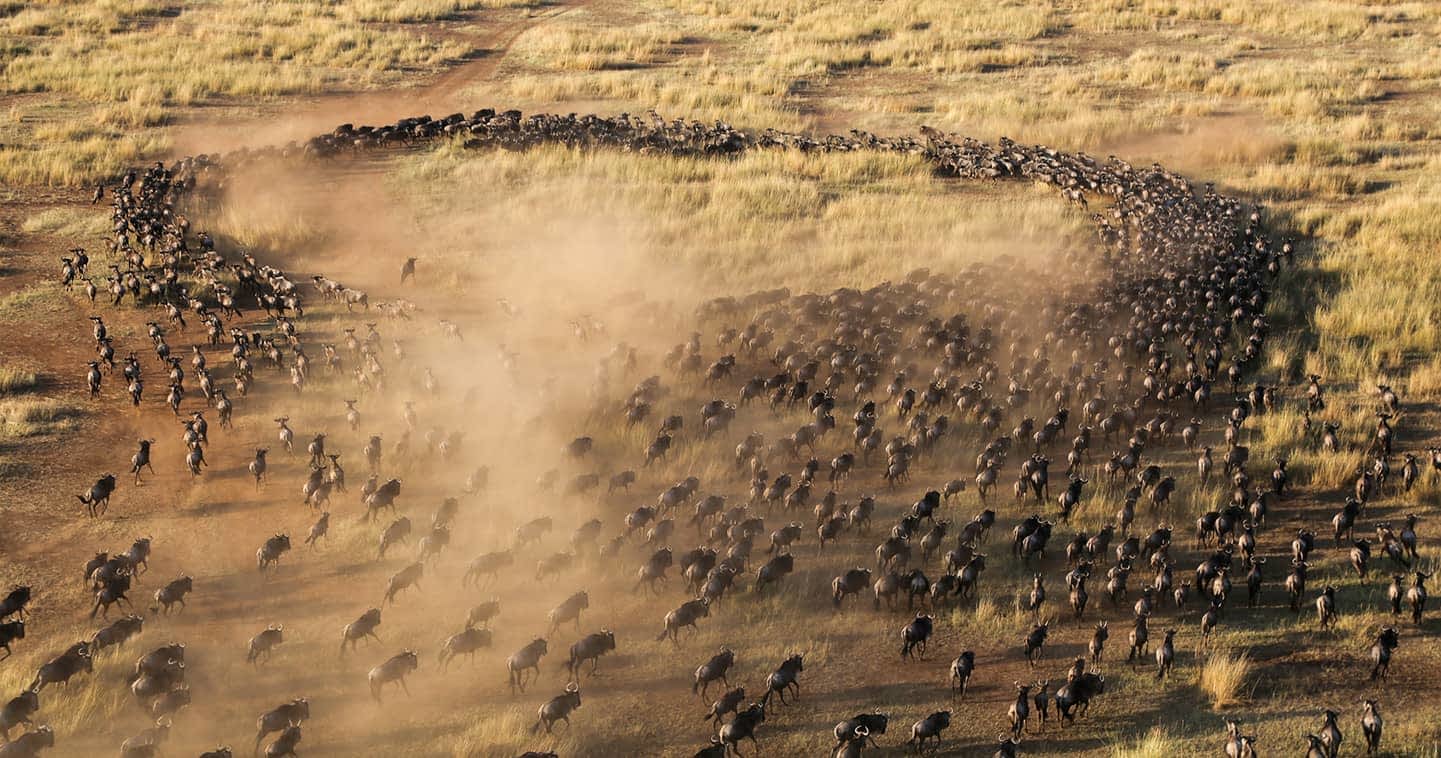
Forecasts for the Serengeti Great Migration in 2026 point to dramatic river crossings as 1.8 million wildebeest navigate the Mara River amid elevated water levels from lingering El Niño effects. Experts from Tanzania's wildlife authorities and independent trackers predict peak action around July 15, with herds massing on the northern plains earlier than usual. This annual spectacle, one of Africa's most awe-inspiring natural events, draws travellers seeking front-row views of survival in the wild.
Climate patterns have shifted the migration's rhythm, promising prolonged crossings from mid-July through early August. Encounters Africa monitors these developments closely, advising on prime viewing windows in the Masai Mara and Serengeti borderlands. Plan now to witness thunderous splashes and predator ambushes under vast skies.
2026 Migration Timeline: Key Phases and Peak Dates
The Great Migration follows a roughly 800-kilometre circuit through Tanzania's Serengeti and into Kenya's Tanzania plains. In 2026, rains are expected to greening southern Serengeti grasses by late January, spurring calving season from February 1 to March 15. Herds numbering over 1.4 million wildebeest, plus 200,000 zebras and 300,000 gazelles, will birth up to 500,000 calves amid lion prides feasting on vulnerable newborns.
By April, the mega-herd shifts northwest, reaching the Grumeti River around May 10. Crossings here intensify due to 20% higher water volumes forecast from upstream dams. Western Corridor bottlenecks peak June 1-20, with dramatic leaps drawing early crowds.
July 15 marks the 2026 crescendo: 1.8 million hooves churning Mara River banks as crocodiles lurk below.
Northern Serengeti and Masai Mara see the main event from July 10 to August 20, with multiple crossings daily at Kogatende and Bologonja. September disperses herds eastward, looping south by November for the next cycle.
Factors Shaping the 2026 Serengeti Great Migration
Erratic El Niño rains, lingering from 2025, elevate Mara River levels by an estimated 1.5 metres, prolonging crossing chaos into late August. Tanzania National Parks reports 15% more rainfall in catchment areas, swelling tributaries and forcing herds to wider, riskier points. This intensifies predator action, with Nile crocodiles claiming up to 30,000 wildebeest annually.
Grass quality drives pacing: nutrient-rich regrowth post-rains pulls herds north faster, compressing timelines. Satellite collar data from 300 wildebeest predicts arrival at Lamai Wedge by June 25, two weeks ahead of 2025. Human factors, like balloon safari regulations, cap aerial views to minimise disturbance.
Climate Impact on River Crossings
Rising waters demand herds bunch for momentum, creating bottlenecks visible from Angama Mara ridges. Expect 50-100 crossings per major site, each lasting 20-60 minutes amid dust clouds and roars. Trackers note safer vantage points away from popular banks to avoid stampedes.
Prime Viewing Spots for Mara River Crossings
Northern Serengeti’s Kogatende offers unobstructed panoramas from rocky outcrops, ideal for photography. Masai Mara’s Bologonja and Lower Mara deliver reliable action, with guides predicting 10 daily attempts July 12-25. Private conservancies like Mara North provide exclusive access, limiting vehicles to four per crossing.
Kogatende Airstrip banks: Herds mass here first, crossing 40-metre-wide Mara with strong currents.
Lamai Triangle: Elevated viewpoints capture 360-degree drama, perfect for dawn vigils.
Mara Triangle: Ranger-patrolled, fewer crowds, higher croc densities for tense encounters.
Position in Masai Mara National Reserve by July 10 for pre-peak build-up. Mobile camps shift with herds, ensuring proximity without fixed-site limitations.
What to Expect: Practical Advice for 2026 Travellers
The best time to witness the Serengeti Great Migration river crossings in 2026 is July 10-25, when herds attempt 200+ crossings amid peak densities. Days start with 5am game drives to staked-out banks, returning for brunch as heat builds. Afternoons suit siestas or guided walks, evenings spotlight hyena ambushes under starlit skies.
Pack layers for 10-28°C swings, binoculars with 10x magnification, and waterproof gear for splash zones. Book flights to Kogatende or Talek airstrips 9-12 months ahead; light aircraft hold six passengers for swift herd tracking. Malaria prophylaxis and yellow fever certificates remain mandatory.
Opt for camps with private vehicles to dodge 20-vehicle pile-ups at crossings.
Schedule hot-air balloon rides pre-dawn for aerial herd perspectives.
Reserve Sand River Masai Mara for riverfront tents vibrating with migration thunder.
In 2026, El Niño-swollen rivers will test the wildebeest like never before, forging unforgettable spectacles for patient observers.
Booking Your 2026 Migration Safari: Essential Tips
Secure spots via Encounters Africa’s curated itineraries, blending fixed camps like Angama Mara with mobile setups in Lamai. Peak July slots fill 18 months out; aim for June 20 cut-off for prime dates. Budget £8,000-£15,000 per person for 10-day journeys including charters and all-inclusive lodges.
Tanzania eases visa-on-arrival for 90-day stays, but pre-apply for park fees averaging $80 daily. Pair migration with cultural visits to Maasai villages or Ngorongoro Crater day trips. Encounters Africa crafts seamless extensions, from Zanzibar beaches to gorilla treks in Kenya.
Plan Your Front-Row Seat to the 2026 Spectacle
The 2026 Serengeti Great Migration promises intensified drama from climate-driven river surges, cementing its status as nature's grand theatre. From calving floods to Mara plunges, every phase pulses with raw energy. Encounters Africa stands ready to orchestrate your ideal vantage, drawing on decades of on-ground insight.
For discerning travellers seeking a private safari beyond our set itineraries, we invite you to contact us directly via our enquiry form. We specialise in designing exceptional, tailor-made journeys for individuals, couples, families, and private groups of up to eight guests. Drawing on our handpicked network of distinguished camps and lodges, we curate every detail with precision and care, creating a seamless, deeply personal safari experience shaped entirely around your preferences, pace, and budget.
More like this
news
Seychelles 2026: New Visa Rules and Resort Capacity Updates
News
Seychelles Marine Species Face New Pressures from Rising Ocean Temperatures
News
Seychelles Rolls Out New Measures to Safeguard Dugongs and Dolphins
news
South Africa 2026: Key Conservation Rules Reshaping Tourism Access
News
South Africa Strengthens Anti-Poaching Measures Across Key Reserves
News