News
Rwanda's Mountain Gorillas Face New Survival Threats in 2024
Encounters Africa - 9 min read
Updated on 5 August 2026
Rwanda's mountain gorillas face new survival threats in 2024, with recent conservation reports highlighting increased pressures from habitat encroachment, disease transmission risks, and the subtle impacts of climate variability in Volcanoes National Park. According to data released by the Rwanda Development Board and international partners, the endangered population now stands at approximately 1,063 individuals across the Virunga massif, yet fresh challenges threaten the hard-won gains of the past two decades. This article draws on the latest field studies and ranger observations to examine these evolving risks while celebrating measurable conservation successes.
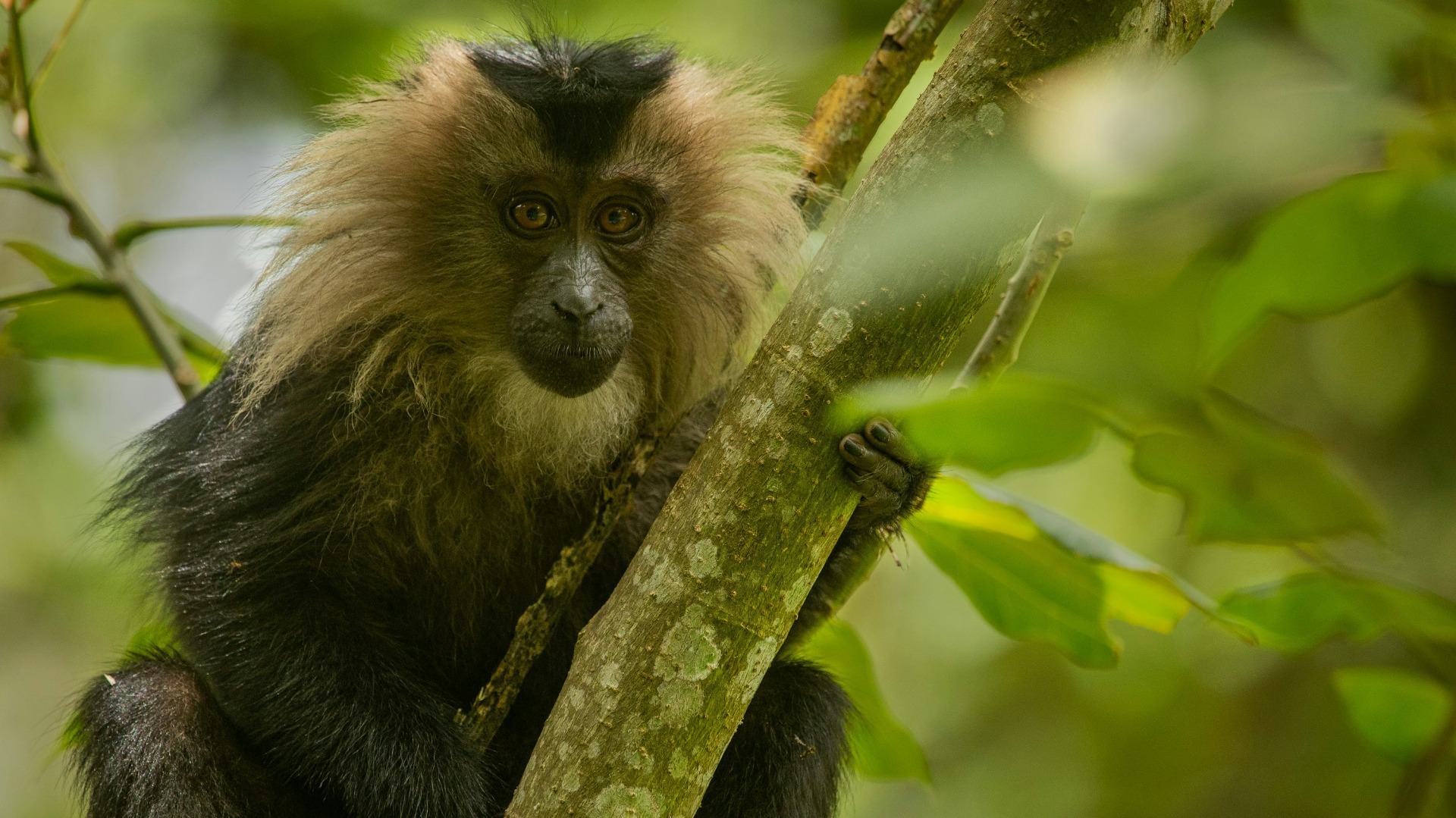
Golden monkeys, another charismatic primate unique to the region, are similarly under strain. Habitat loss driven by agricultural expansion at the park's edges continues to fragment their living spaces, while respiratory illnesses occasionally cross from human communities into troops. Yet conservation teams have recorded encouraging progress through intensified monitoring programmes that now cover over 80 percent of the park's core gorilla zones.
The Current State of Rwanda's Endangered Primates
Mountain gorillas represent one of Africa's most closely watched conservation stories. The latest census figures from 2023, verified in early 2024, confirm a steady increase from the critically low numbers of the 1980s when fewer than 250 individuals survived in the Virunga mountains. Today, roughly 604 gorillas roam the Rwandan sector of this transboundary forest shared with Uganda and the Democratic Republic of Congo.
Golden monkeys, with an estimated population of around 4,000 across the Virunga chain, receive less public attention but play a vital ecological role as seed dispersers. Both species now contend with pressures that extend beyond traditional poaching threats. Recent rwandan news articles on endangered species detail how changing rainfall patterns have altered vegetation growth cycles, forcing groups to range further and occasionally venture closer to human settlements.
The delicate balance between human development and wildlife survival in Rwanda's highlands has never been more apparent than in the data emerging from 2024 monitoring efforts.
Population Trends and Distribution
Habituated gorilla families, those accustomed to regular visits from researchers and small groups of travellers, now number 14 in the Rwandan sector. These groups receive daily health checks and veterinary intervention when necessary. Unhabituated families remain more elusive, though camera traps deployed since 2022 have improved understanding of their movements across the 160 square kilometres of Volcanoes National Park.
Golden monkey troops show greater adaptability yet face higher vulnerability to habitat fragmentation. A 2024 survey documented seven main troops in the park, with average group sizes declining by 12 percent in areas bordering intensive potato farming zones. This statistic underscores the direct link between land use practices and primate wellbeing.

Emerging Threats Documented in 2024 Reports
Recent rwandan news articles on endangered species paint a complex picture of modern conservation challenges. Habitat loss remains paramount, with agricultural pressure increasing by an estimated 8 percent along park boundaries since 2021. Small-scale farmers, responding to population growth and economic needs, occasionally clear bamboo and Hagenia forest edges that form critical foraging areas for both gorillas and golden monkeys.
Disease transmission presents another serious concern. Respiratory infections, potentially carried by visitors or local communities, can spread rapidly in close-knit primate groups. The 2024 veterinary reports note three separate incidents where human-associated pathogens affected young gorillas, though swift intervention by the Gorilla Doctors team limited fatalities to one individual. Climate variability compounds these issues, with erratic rainfall patterns disrupting traditional food sources and increasing stress levels within troops.
Human-wildlife conflict has also risen modestly. Crop raiding by golden monkeys increased by 15 percent in communities adjacent to the park between 2022 and 2024, prompting innovative responses from local cooperatives. These incidents rarely involve mountain gorillas, which tend to remain at higher altitudes, but illustrate the interconnected nature of conservation and community livelihoods.
Each new pressure on these primates reminds us that conservation success depends not only on protection within park boundaries but on thoughtful partnerships with the people who call these highlands home.
Climate Change Impacts on High-Altitude Habitats
Scientists monitoring the Virunga massif have recorded a 1.2 degree Celsius rise in average temperatures over the past 30 years. This warming shifts vegetation belts upward, reducing the available range for mountain gorillas that already inhabit one of the most restricted habitats on earth. Bamboo shoots, a dietary staple, now appear earlier in the season and in different locations, forcing groups to adapt their ranging patterns.
For golden monkeys, the changes manifest in altered insect availability and fruiting cycles. A joint study between the Dian Fossey Gorilla Fund and Rwanda's national parks authority, published in March 2024, documented a 22 percent reduction in preferred feeding sites for one particular troop over a 12-month period.
Conservation Successes and Innovative Approaches
Despite these challenges, 2024 has brought demonstrable conservation advances. Expanded monitoring efforts now incorporate 47 GPS collars on sentinel animals and an additional 120 camera traps positioned across key corridors. This technological leap has enabled rangers to respond to potential threats within hours rather than days.
Community involvement programmes have expanded significantly. Over 350 former poachers and their families now participate in the revenue-sharing scheme funded by gorilla trekking permits, which generated approximately $12.4 million in 2023. These funds support education, healthcare, and alternative livelihood projects that reduce pressure on park resources.
The introduction of rapid diagnostic testing for respiratory diseases in the field has dramatically improved response times. Where once samples needed to travel to laboratories in Kigali or overseas, portable testing units now provide results within 90 minutes, allowing veterinarians to administer targeted treatments before infections spread through entire families.
Technology Meets Traditional Knowledge
Rangers working in Volcanoes National Park increasingly blend modern tools with deep ecological knowledge passed through generations. Teams now use drone surveys to map bamboo regeneration patterns while consulting with traditional healers about medicinal plants that support primate immune systems. This synthesis of approaches has yielded more holistic conservation strategies.
International partnerships have strengthened too. The Rwanda Development Board collaborates with organisations including the World Wildlife Fund, the Dian Fossey Gorilla Fund, and the International Gorilla Conservation Programme. Their combined 2024 budget for direct protection and research exceeds $4.2 million, focused primarily on the Rwandan sector of the Virunga massif.
What Recent Rwandan News Articles Reveal About Future Outlook
Recent rwandan news articles on endangered species offer both caution and optimism. While documenting genuine threats, they also highlight adaptive management strategies that have already shown results. Gorilla birth rates remained stable at 92 percent survival for infants born in 2023, and no gorillas were lost to poaching in the Rwandan sector during 2024 to date.
Golden monkey populations have shown resilience in core protected zones, with several troops expanding their ranges into newly reforested areas established between 2018 and 2022. These restoration zones, covering 37 hectares so far, demonstrate the potential for active habitat management to counter climate pressures.
Common Questions About Rwanda's Primate Conservation
How many mountain gorillas remain in Rwanda in 2024? The most recent census places the Virunga population at 1,063 individuals total, with approximately 604 in the Rwandan sector of Volcanoes National Park. This represents a remarkable recovery from the 250 individuals counted across the entire range in the mid-1980s.
What are the main threats facing golden monkeys today? Habitat fragmentation from agricultural expansion poses the greatest risk, followed by disease transmission and the effects of changing climate patterns on food availability. Conservation teams report that human-wildlife conflict has increased but remains manageable through community education programmes.
How effective are current conservation measures? Measurable gains include a 70 percent reduction in snare incidents since 2018, improved infant survival rates, and successful habitat restoration projects. The integration of technology with community engagement has proven particularly effective in addressing multiple simultaneous threats.

Conservation is not a static achievement but an ongoing dialogue between humanity and the wild spaces we share. In Rwanda's highlands, that conversation grows richer and more nuanced each year.
The Role of Responsible Travel in Supporting Conservation
Visitors play a meaningful part in these conservation stories. The permit system for gorilla trekking and golden monkey visits directly channels substantial funds into protection efforts. Each $1,500 gorilla permit contributes to ranger salaries, veterinary care, and community development projects that benefit over 200,000 people living near the park.
Those planning a journey to Rwanda can maximise their positive impact by choosing operators committed to ethical practices. Limiting group sizes, maintaining prescribed distances from primates, and following strict health protocols all help minimise disturbance while supporting long-term survival of these species.
Our partners at Clouds Mountain Gorilla Lodge and similar distinguished properties work closely with local conservation teams, ensuring that every visit contributes meaningfully to protection efforts. These experiences offer more than memorable wildlife encounters; they become part of the solution for species survival.
Looking Ahead: A Shared Future for People and Primates
The coming years will test Rwanda's conservation framework as never before. Population growth, economic development, and a changing climate will continue reshaping the landscape in which mountain gorillas and golden monkeys must survive. Yet the progress achieved since the 1980s, when extinction seemed almost inevitable, offers genuine reason for hope.
Recent rwandan news articles on endangered species reveal a conservation community that refuses to accept decline as inevitable. Through innovative monitoring, community partnerships, and adaptive management, Rwanda continues to write new chapters in the story of its most famous wildlife. The measurable gains in population stability and habitat restoration demonstrate what becomes possible when political will, scientific expertise, and local knowledge converge.
For discerning travellers seeking a private safari beyond our set itineraries, we invite you to contact us directly. We specialise in designing exceptional, tailor-made journeys for individuals, couples, families, and private groups of up to eight guests. Drawing on our handpicked network of distinguished camps and lodges, we curate every detail with precision and care, creating a seamless, deeply personal safari experience shaped entirely around your preferences, pace, and budget.
Whether witnessing the quiet dignity of a silverback gorilla against the mist-shrouded slopes of the Virungas or observing the acrobatic grace of golden monkeys through the canopy, these encounters remind us why such efforts matter. The future of Rwanda's endangered primates depends on continued innovation, community support, and the engagement of thoughtful visitors who understand that their presence can help secure these species for generations to come.
Discover more about ethical primate encounters in our recent feature on responsible gorilla trekking practices, or explore how community-led initiatives are reshaping conservation across East Africa. To begin planning your own meaningful journey to Rwanda, we encourage you to visit our enquiry form and share your interests with the Encounters Africa team. We look forward to crafting an experience that honours both the extraordinary wildlife and the dedicated people working to protect it.
More like this
News
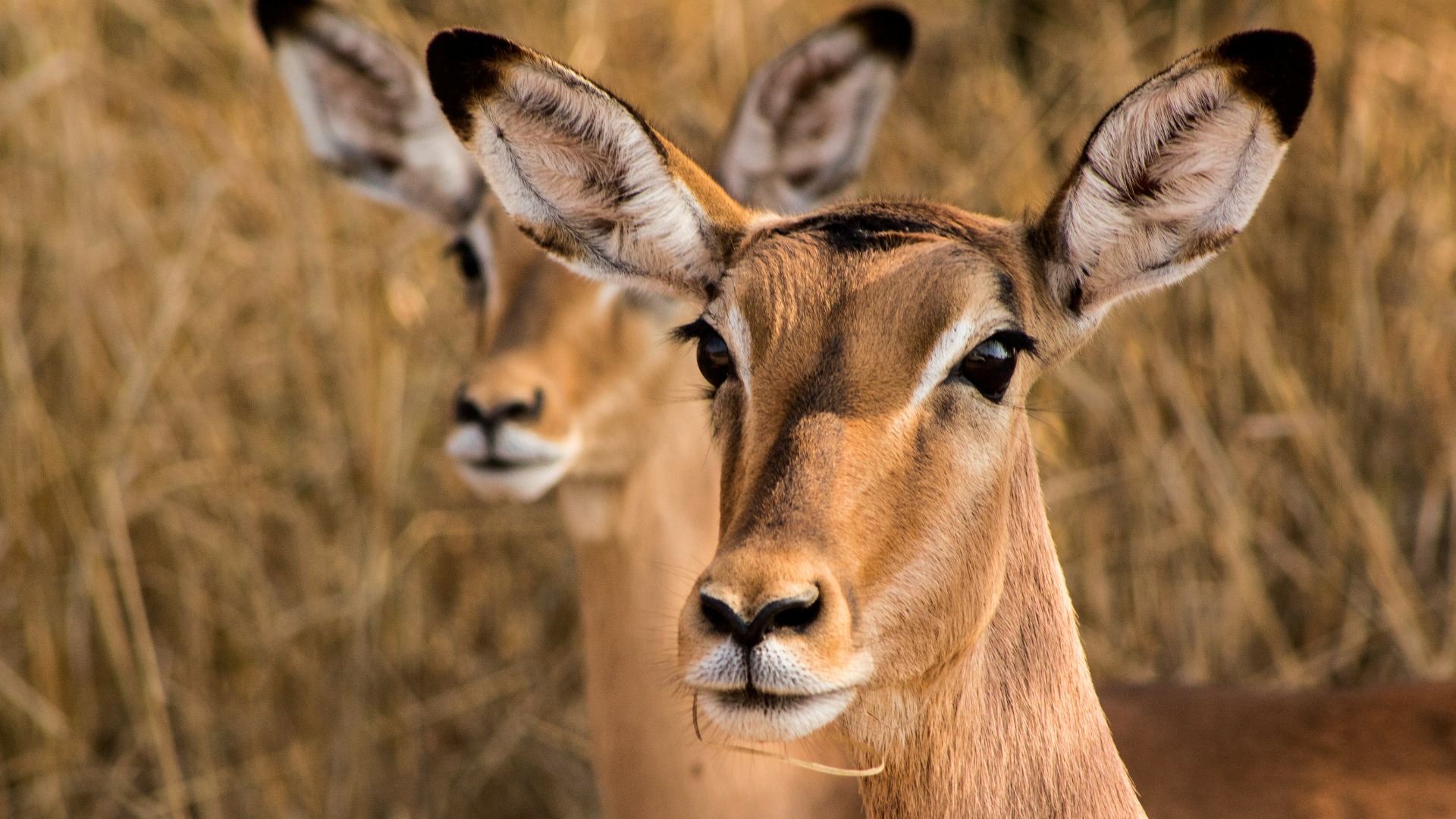
Rwanda's Wildlife Agencies Report Rising Buffalo and Antelope Numbers in 2024
news
Serengeti Great Migration 2026: Forecasted River Crossings and Peak Dates
news
Seychelles 2026: New Visa Rules and Resort Capacity Updates
News
Seychelles Marine Species Face New Pressures from Rising Ocean Temperatures
News
Seychelles Rolls Out New Measures to Safeguard Dugongs and Dolphins
news