culture
San Tribe Rhythms: Living Among Botswana's Ancient Bushmen
Encounters Africa - 6 min read
Updated on 1 May 2026
Imagine crouching in the dusty Kalahari under a starlit sky, listening to the rhythmic clack of San hunters' bows as they recount tales etched into ancient rock faces. Botswana's cultural groups, particularly the San Tribe, embody a living link to humanity's earliest chapters, with their 20,000-year hunter-gatherer heritage preserved in rock art and masterful tracking skills. This article delves into the San's enduring rhythms alongside the Herero's migratory legacy in cattle herding, offering travellers a respectful pathway to connect with these vibrant communities in Botswana.
From the vast Okavango Delta to the arid expanses of the Central Kalahari Game Reserve, these groups shape the nation's cultural mosaic. Encounters Africa guides discerning travellers to immersive, ethical encounters that honour traditions while supporting conservation. Discover how these ancient ways persist amid modern Botswana.
The San Tribe: Echoes of 20,000 Years in the Kalahari
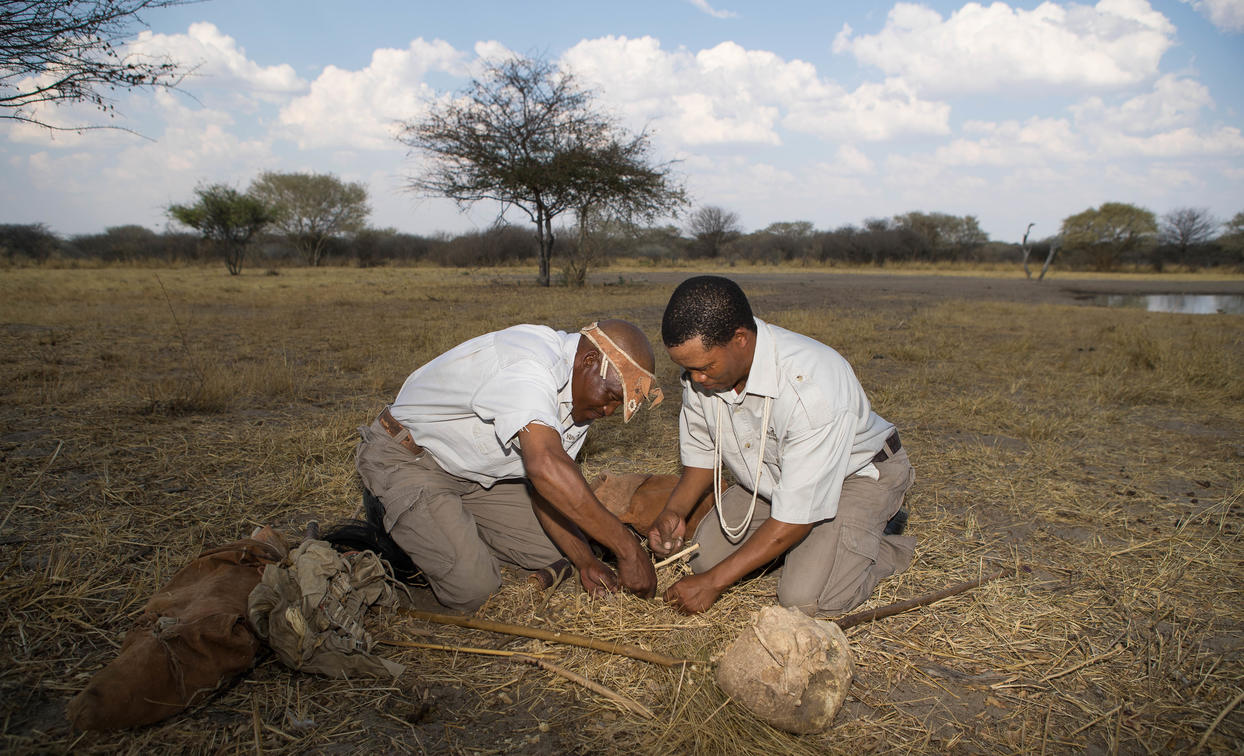
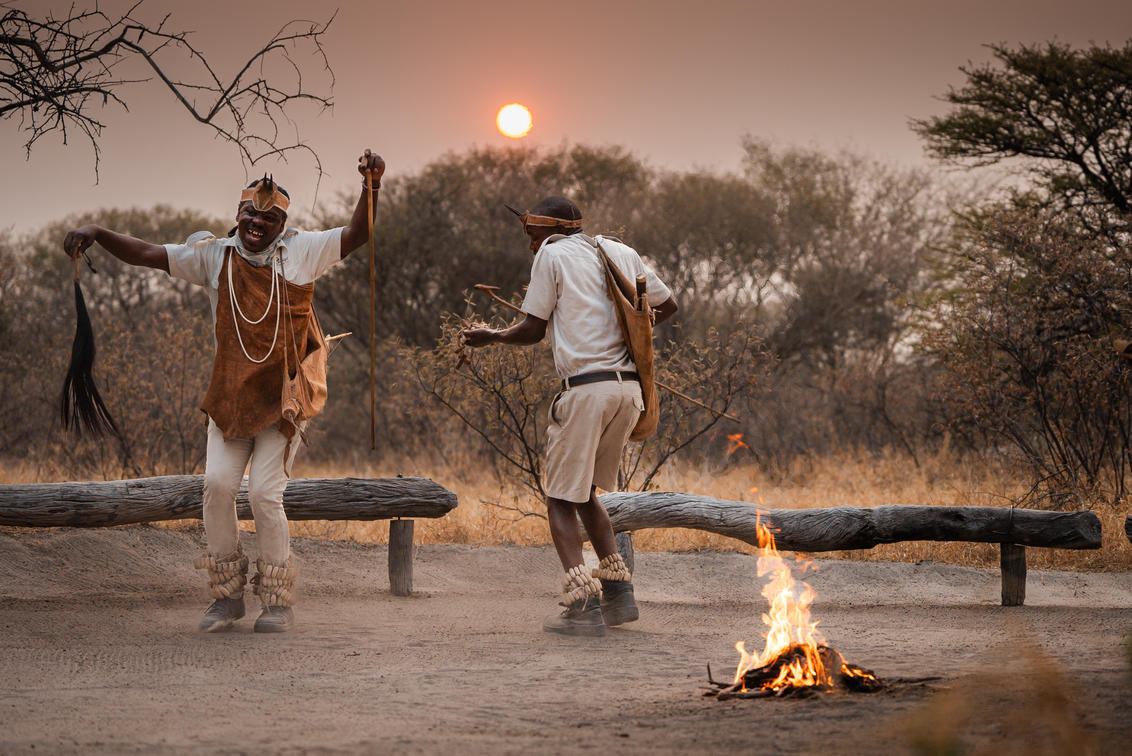
The San, often called Bushmen, represent one of the world's oldest continuous cultures, with archaeological evidence tracing their presence in southern Africa for over 20,000 years. In Botswana's Central Kalahari Game Reserve, they navigate the parched landscape with an uncanny intuition honed by generations. Their click-language conversations—rich with sounds mimicking nature—fill the air as families gather around flickering fires.
Daily life revolves around foraging for mongongo nuts, whose buttery flesh sustains them through lean seasons, and hunting with poison-tipped arrows. Travellers joining guided walks learn to read footprints in the sand, a skill that reveals the passage of gemsbok or porcupine hours earlier. These interactions foster profound respect for the San's symbiotic bond with the bush.
The San's tracking prowess turns the Kalahari's silent sands into a living storybook of animal lives.
Rock Art: Windows to Prehistoric Narratives
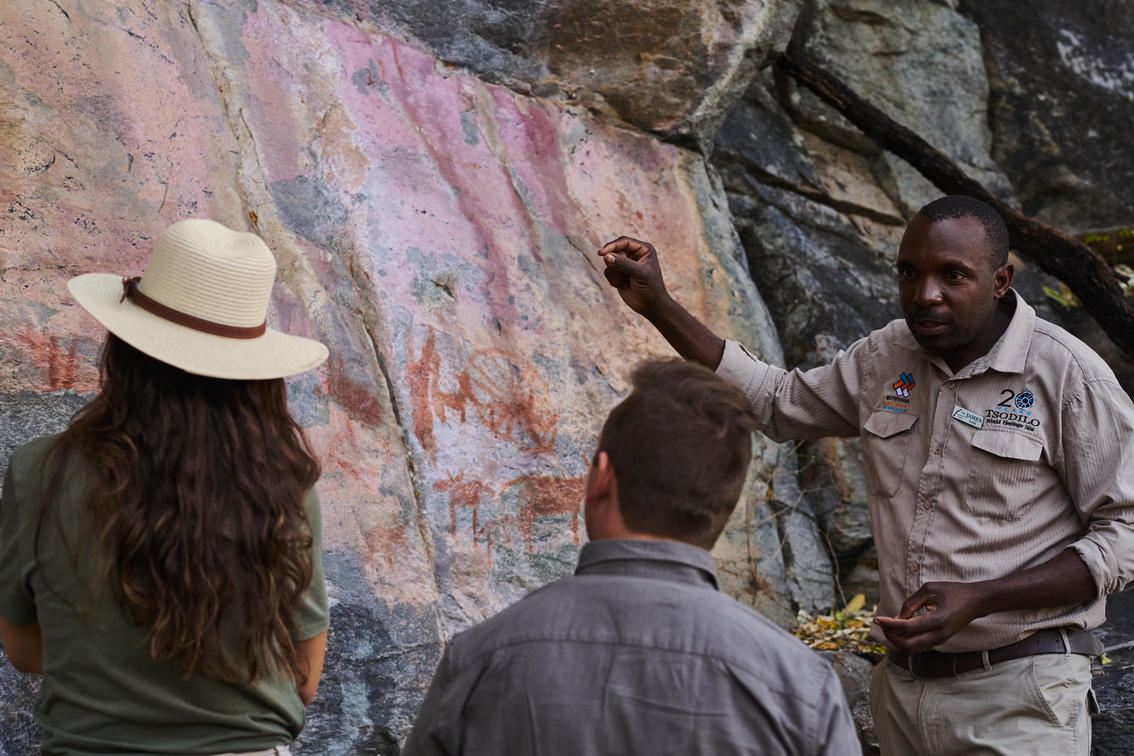
Scattered across Botswana's Tsodilo Hills—a UNESCO World Heritage site—are over 4,000 paintings created by San ancestors between 2,000 and 13,000 years ago. Crimson ochre depictions of eland dances and trance rituals capture spiritual ceremonies where shamans entered altered states to heal the sick. Visiting these sites with San guides brings the faded pigments to vivid life through oral histories.
Each motif tells of rain dances invoking thunder gods or hunts blessed by animal spirits. The best time to explore is during the dry season from May to October, when cooler temperatures allow for full-day hikes without the midday scorch.
Herero People: Cattle Herders and Victorian Silhouettes
Migrating from Namibia in the 19th century, the Herero have woven their pastoral traditions into Botswana's fabric, particularly along the Okavango Panhandle. Their vast herds of hump-backed cattle symbolise wealth and status, grazed on floodplains teeming with lush grasses after seasonal inundations. Women in towering horned headdresses and voluminous Victorian-style dresses—adopted post-colonial encounters—move with graceful authority through villages.
These garments, blending European influences with Himba roots, feature intricate embroidery in bold colours that withstand the dusty trails. Cattle herding involves intricate knowledge of water points and migratory routes, ensuring herds thrive amid variable rainfall averaging just 500mm annually.
Encounters with Herero families often include milking demonstrations and milk-based porridges shared in thatched homesteads. Such moments highlight their resilience, having rebuilt communities after historical displacements.
Herero women's attire stands as a defiant fusion of history and heritage amid Botswana's sweeping savannas.
From Migration to Modern Stewardship
The Herero's 1893 escape from German genocide in Namibia led to settlements in Botswana's northwest, where they adapted to semi-arid conditions. Today, they manage over 100,000 cattle, contributing to the national economy while practising rotational grazing to prevent overgrazing. Community-led eco-tourism initiatives allow visitors to participate in herding, learning the subtle cues of bovine behaviour.
June to August marks peak visiting season, coinciding with post-rain grass abundance and cultural festivals featuring cattle songs and dances.
Tswana Traditions: Village Life and Royal Legacies
Forming the majority of Botswana's population, the Tswana people cluster in structured villages like those near Maun, governed by hereditary chiefs under kgotla assemblies—open-air forums for democratic dialogue dating back centuries. Mud-brick homes encircle central cattle posts, where livestock kraals buzz with evening activity as herders return under amber sunsets.
Bogobe, a fermented sorghum porridge, anchors communal meals, often paired with morogo wild greens foraged from riverbanks. Festivals such as the annual Domboshaba ruins gatherings revive ancestral praise poems recited in Setswana, evoking kings who unified clans in the 1800s.
Respectful engagement means seeking permission before photographs, allowing Tswana hosts to share stories on their terms.
Influence on Botswana's National Identity
Tswana customs underpin the country's stability, with kgotla principles informing modern governance. Over 80% of Batswana trace heritage here, blending Christianity with rainmaking rituals. Travellers can witness bogwera initiation schools, where youth learn survival lore in secluded bush camps.
Ethical Encounters: Best Practices for Cultural Immersion
When and Where to Connect with Botswana's Groups
The optimal window for cultural safaris aligns with the dry season, May to October, minimising disruptions to rainy-season rituals. Key sites include Central Kalahari for San, Okavango for Herero, and Maun for Tswana. Encounters Africa crafts private itineraries linking these with wildlife viewing in Moremi Game Reserve.
San tracking walks: 2-3 hours at dawn, limited to six participants for intimacy.
Herero village stays: Overnight homestays with family dinners, supporting local economies.
Tswana kgotla visits: Scheduled audiences with chiefs, focusing on oral histories.
These experiences average 4-6 hours daily, leaving afternoons free for game drives.
Avoiding Common Pitfalls in Cultural Tourism
Never offer sweets or money directly to children; instead, channel support through community funds. Drones are prohibited near villages to preserve privacy. Dress modestly—long skirts for women—and follow guides' lead in gift-giving protocols.
How can travellers ensure respectful San Tribe encounters? Prioritise licensed operators like Encounters Africa, who enforce small-group limits (maximum eight guests) and compensate communities fairly, directing at least 20% of fees back locally.
Ethical immersion transforms fleeting visits into lifelong bonds with Botswana's cultural guardians.
Blending Culture with Luxury Safaris
Pair cultural dives with stays at premier camps like AndBeyond Sandibe Lodge in the Okavango, where mornings might track San prints before afternoons afloat in mokoros. Such journeys reveal how Herero cattle trails intersect elephant paths, enriching wildlife narratives.
Custom safaris via Encounters Africa integrate these elements seamlessly. For groups up to eight, we tailor pacing—from vigorous Kalahari hikes to serene village evenings—across budgets while upholding luxury standards.
Explore sample Botswana safari itineraries that weave cultural threads into big-cat pursuits.
Preserving Botswana's Cultural Tapestry
Botswana's cultural groups face pressures from urbanisation and climate shifts, yet initiatives like the San's Kalahari Conservancy protect languages spoken by fewer than 50,000 today. Herero youth blend smartphone savvy with herding, ensuring traditions evolve.
For discerning travellers seeking private safaris beyond set itineraries, contact Encounters Africa directly. We specialise in designing exceptional, tailor-made journeys for individuals, couples, families, and private groups of up to eight guests, drawing on our handpicked network of distinguished camps and lodges to curate every detail with precision.
Reach out via our contact page to craft your immersive Botswana cultural safari today.
More like this
Culture
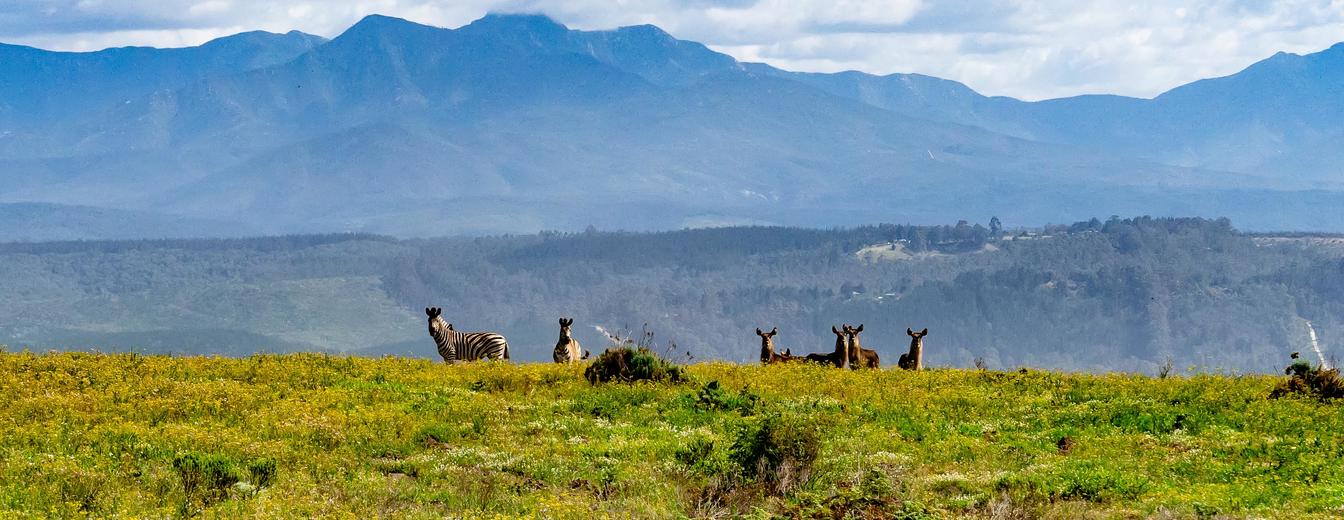
Seychelles Beyond the Beaches: What the Creole Traditions Reveal
culture
South Africa's Cultural Essentials: Xhosa, Zulu, and Sotho Traditions Explained
Culture
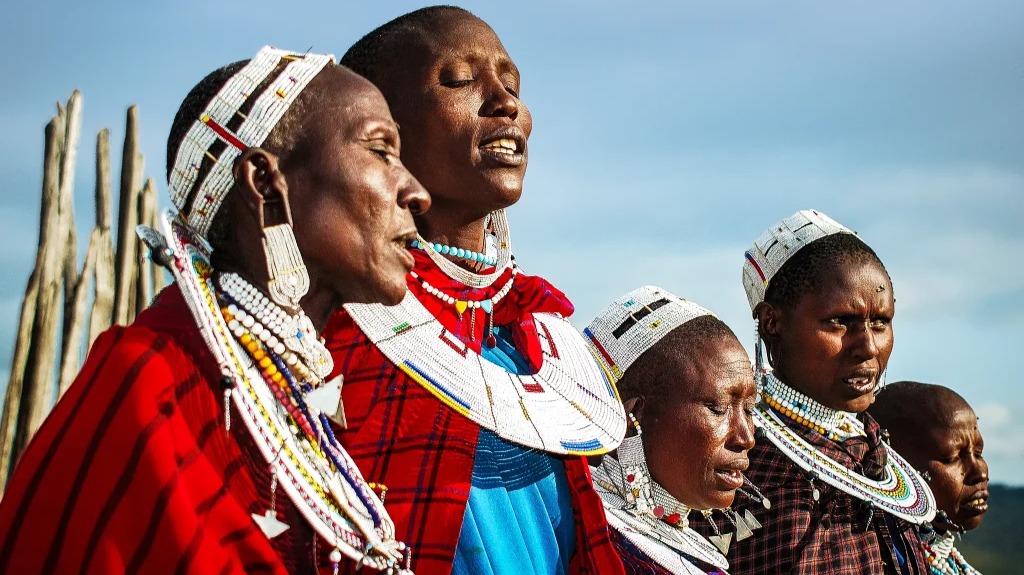
Tanzania's Vibrant Traditions: What Every Visitor Should Know Before Arrival
Culture
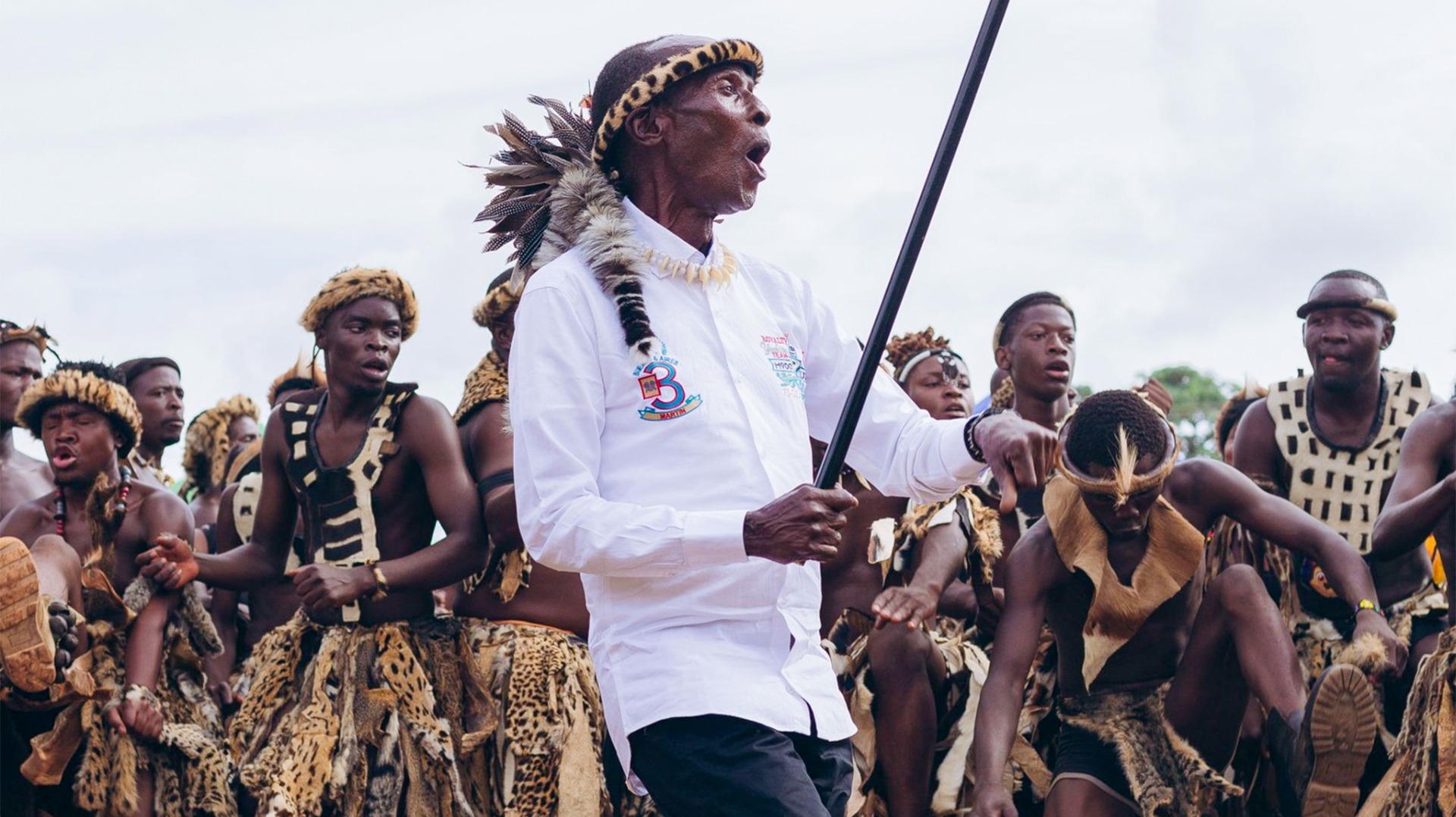
Tracing Zambia’s Cultural Roots from Ancient Kingdoms to Modern Traditions
culture
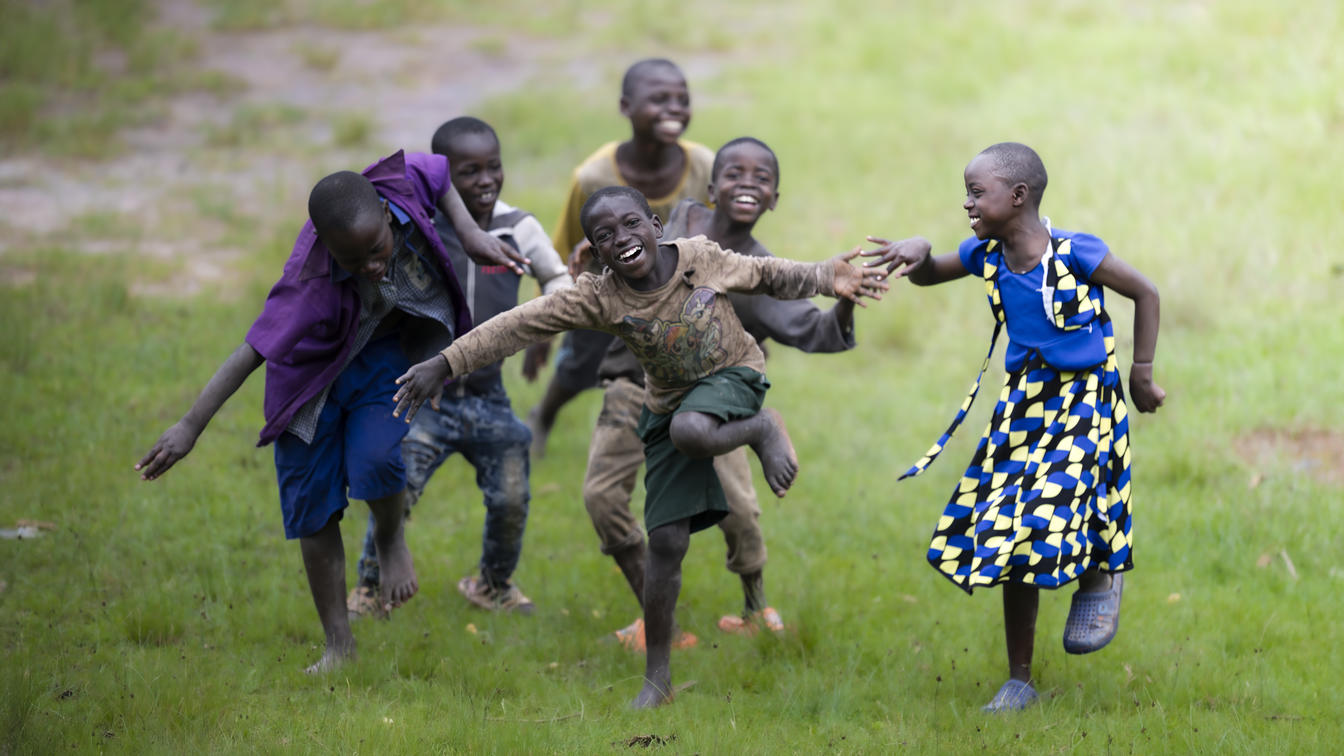
Uganda's Cultural Mosaic: Key Groups and Their Distinct Traditions
culture