photography
Three Lenses That Capture Every Safari Moment Without Overpacking
Encounters Africa - 11 min read
Updated on 19 August 2026
Safari photography thrives when you travel light, and the big three lenses deliver everything needed to capture Kenya and Tanzania's dramatic landscapes, intimate wildlife encounters, and intricate details without the burden of excess gear. These three versatile optics cover sweeping panoramas, powerful telephoto portraits, and delicate macro moments, allowing photographers to focus on the experience rather than fumbling through a heavy bag. Whether you are tracking lions across the Masai Mara or watching elephants gather at a waterhole in the Serengeti, this streamlined kit produces professional results across varied East African terrains and lighting conditions.
The big three lenses represent a carefully balanced selection that has become standard among seasoned safari photographers. A wide-angle zoom for environmental context, a fast telephoto zoom for wildlife action, and a versatile macro or short telephoto for close-up work form the foundation of an efficient safari camera system. This combination typically weighs under three kilograms while delivering the flexibility to respond to everything from a distant cheetah hunt to the texture of a baobab's bark at golden hour.

Why Three Lenses Are All You Need on Safari
Overpacking camera equipment is a common mistake among first-time safari travellers. Dust, heat, and the constant movement between vehicles and camps make heavy bags impractical and increase the risk of damage. By limiting yourself to three carefully chosen lenses, you reduce weight, minimise lens changes that attract dust to your sensor, and spend more time actually observing and photographing wildlife.
Modern zoom lenses have reached such optical quality that they rival prime lenses in sharpness while offering far greater flexibility in the field. On a game drive, animals rarely appear at predictable distances, and light conditions shift rapidly between harsh midday sun and soft dawn glow. The big three lenses adapt to these variables without requiring you to swap glass every few minutes, keeping your focus on the unfolding scene.
The most memorable safari photographs often come not from having the longest lens but from being ready at the right moment with the right optic already mounted.
The Practical Advantages of a Minimalist Kit
Travelling with only three lenses means faster reaction times when a leopard suddenly appears in a tree or a herd of zebra begins stampeding across the plains. Less gear also translates to less fatigue during long days in the African sun, allowing you to maintain concentration from first light until the last rays fade behind the acacia trees.
Airline weight restrictions, particularly on small charter flights between camps in the Masai Mara or across to Tanzania, become far easier to manage. Most safari operators recommend keeping camera equipment under 15kg total, including your bag, and a three-lens kit comfortably meets this requirement while leaving room for essential accessories like spare batteries and cleaning tools.
The Wide-Angle Zoom: Capturing Africa's Dramatic Landscapes
A 16-35mm or 24-70mm f/2.8 lens forms the cornerstone of the big three for safari photography. This range allows you to embrace the vastness of the savanna, frame iconic animals against dramatic skies, and document the relationship between wildlife and their environment. In the Masai Mara, it excels at capturing the scale of migrating wildebeest herds stretching to the horizon or the iconic silhouettes of giraffes against flat-topped acacias at sunset.
The wide-angle perspective creates a powerful sense of place that telephoto lenses simply cannot replicate. During the Great Migration between July and October, when over 1.5 million wildebeest cross the Mara River, a wide lens lets you show both the scale of the herds and the crocodiles waiting in the water below. The fast aperture of f/2.8 proves invaluable during the low light of early morning and late afternoon, when many of the most atmospheric images are captured.
Techniques for Environmental Wildlife Photography
Use the wide-angle lens to tell complete stories rather than isolated portraits. Position yourself low in the vehicle to emphasise the foreground, perhaps with a termite mound or dried grass adding depth to a lion pride scene. The lens's close-focusing capability, often under 30cm at the wide end, also allows creative shots of insects or flowers that reveal the smaller wonders of the African bush.
In Kenya's Amboseli National Park, this lens beautifully frames Mount Kilimanjaro rising behind elephant herds, creating those classic images that convey both grandeur and the fragile balance of the ecosystem. The distortion at the widest settings can be used creatively to emphasise the curve of a rhino's horn or the length of an elephant's trunk when shooting from dramatic angles.
A wide-angle lens on safari reminds us that the true subject is never just the animal, but the entire living landscape that sustains it.
The Telephoto Zoom: Your Essential Wildlife Lens
The 100-400mm or 70-200mm f/2.8 with a 1.4x extender represents the heart of the big three lenses for most safari photographers. This range delivers the reach needed to photograph lions, leopards, and cheetahs without disturbing their natural behaviour while maintaining the flexibility to tighten or widen the frame as the action develops. In Tanzania's Serengeti, where predators often hunt at distances of 50 to 200 metres, this lens proves indispensable.
Modern telephoto zooms from manufacturers like Canon, Nikon, and Sony offer exceptional sharpness even at maximum focal length and aperture. The image stabilisation systems now common in these lenses allow handheld shooting at shutter speeds as low as 1/60th of a second, crucial when tracking moving subjects from a bouncing safari vehicle. For the big three approach, this single lens covers 85 percent of typical safari photography situations.
Mastering Action and Portrait Photography
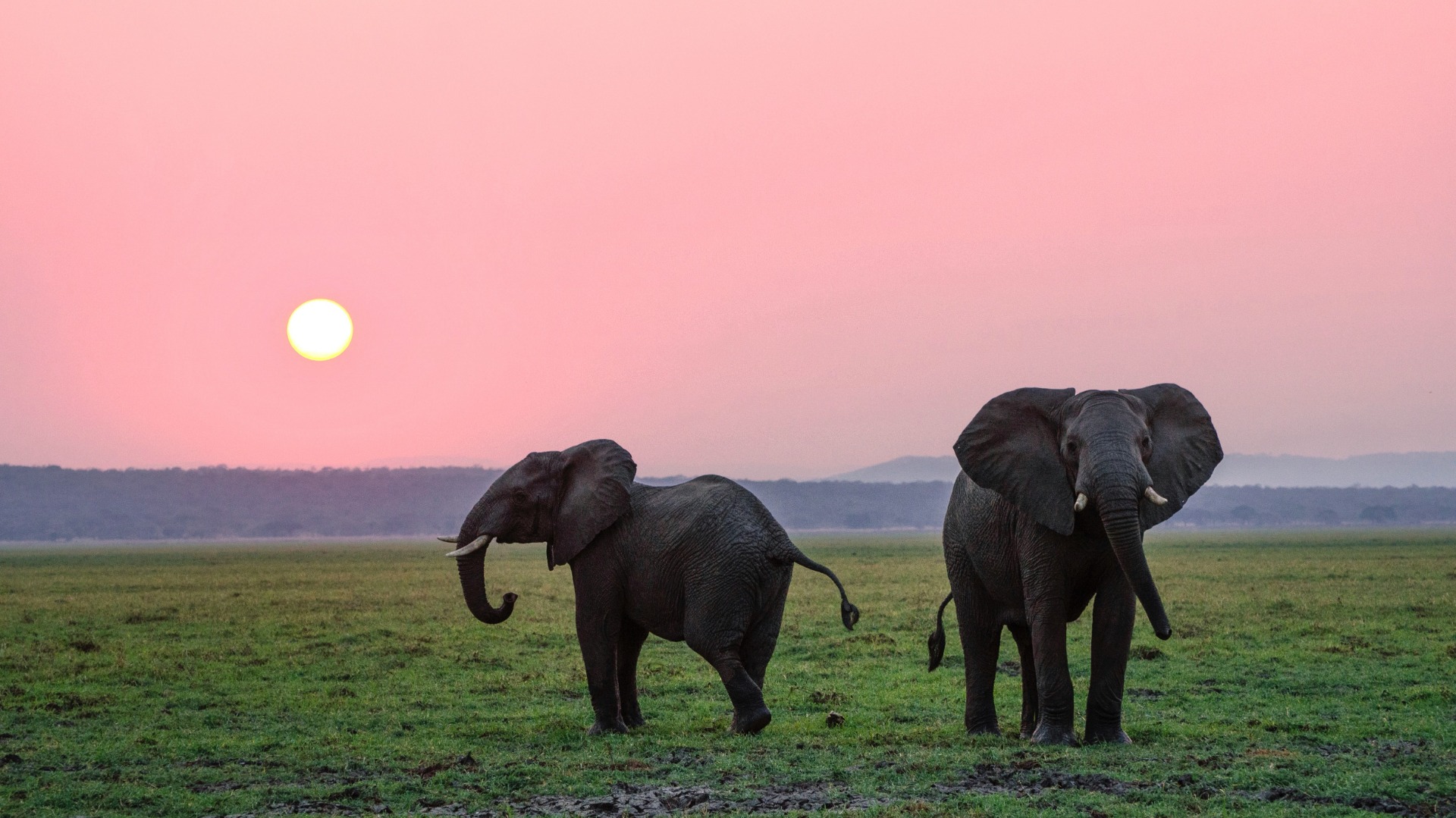
The telephoto zoom shines when capturing behavioural moments: a cheetah reaching peak speed during a hunt, a mother elephant gently guiding her calf, or the intense stare of a male lion at first light. Its versatility means you can shoot environmental portraits at 100mm and then zoom to 400mm for tighter headshots without changing lenses and inviting dust into your camera.
When visiting Angama Mara in Kenya's Mara North Conservancy, the elevated vehicle positioning combined with this lens produces striking portraits that isolate the subject against compressed backgrounds of golden grass. The fast aperture creates beautiful bokeh that makes the animal's eyes pop while softening the often distracting savanna vegetation behind them.
The Macro or Short Telephoto: For Intimate Details
The third lens in this efficient safari trio is typically a 100mm macro or 70-200mm f/4 that specialises in close-up work. This lens captures the intricate patterns on a butterfly's wing, the texture of a zebra's stripes, or the delicate dewdrops on morning grass. It bridges the gap between the wide environmental shots and distant wildlife portraits, adding another dimension to your safari portfolio.
Many photographers choose a 105mm or 100mm macro lens as their third optic because of its dual purpose. Not only does it excel at true 1:1 magnification for tiny subjects, but it also functions as a superb short telephoto for more intimate wildlife portraits and even some landscape details. The working distance of around 30cm keeps you safely back from potentially dangerous insects or reptiles while still filling the frame with exquisite detail.
When and How to Use Your Close-Up Lens
During downtime between game drives or on walking safaris in the company of armed guides, this lens reveals the miniature worlds that most visitors overlook. The compound eyes of a dragonfly, the impossibly soft texture of a vervet monkey's fur, or the geometric perfection of a spider's web covered in dawn condensation all become photographic treasures.
In the Ngorongoro Crater, where flamingos gather by the thousands, the macro lens allows you to isolate a single bird's reflection in the shallow alkaline water or capture the delicate feather patterns that create their characteristic pink hue. The lens's ability to isolate subjects with shallow depth of field proves equally valuable when the background is cluttered with other animals or vehicles.
The small details often tell the most profound stories about the delicate balance of life in Africa's wilderness areas.
Optimising Your Big Three Lenses for East African Conditions
Kenya and Tanzania present specific challenges that influence how you configure and use the big three lenses. The intense equatorial light creates harsh contrasts during midday hours, making early morning and late afternoon the prime times for photography. Dust is an ever-present companion, particularly during the dry seasons from July to October in the Masai Mara and January to March in the Serengeti.
Protect your lenses with high-quality UV filters that double as sacrificial front elements against the fine African dust. Lens hoods are essential not only for controlling flare but also for keeping errant fingers and curious vervet monkeys away from the front element. Consider weather-sealed lenses, as sudden downpours can occur even during the dry season, particularly in the afternoons.
Camera Settings That Complement the Three-Lens System
Pair your big three lenses with a robust camera body featuring fast autofocus and good high-ISO performance. Most professional safari guides recommend shooting in aperture priority mode with auto ISO enabled, setting a minimum shutter speed of 1/1000th of a second for wildlife to freeze movement. For the wide-angle lens, lower minimum speeds around 1/250th often suffice when capturing static landscapes.
Back-button focus proves particularly valuable when using the telephoto lens to track fast-moving subjects like cheetahs or wild dogs. Learn your camera's custom button configurations before departure so that changing between the three lenses becomes instinctive rather than a distraction from the wildlife experience.

Common Questions About Safari Photography Lenses
What focal lengths work best for photographing the Great Migration? The 100-400mm telephoto zoom handles most situations, allowing you to capture both the overall chaos of river crossings and intimate moments of individual animals struggling against the current. Combine this with the wide-angle lens for establishing shots that show the sheer scale of 1.5 million wildebeest moving across the plains.
Is a prime lens better than a zoom for safari photography? While certain prime lenses offer marginally superior optical quality, the flexibility of zoom lenses makes them far more practical in the unpredictable conditions of an African safari. The ability to adjust focal length quickly without changing lenses outweighs the slight sharpness advantage of primes for most travellers.
How do I protect my lenses from the African dust? Always keep rear and front caps on when lenses are not mounted. Use a lens cleaning kit with blower, brush, and microfibre cloth daily. Consider bringing silica gel packets to absorb moisture in your camera bag, particularly important during the humid conditions found in some coastal areas or after rain.
Building Your Complete Safari Photography Kit Around These Three Lenses
Beyond the big three lenses, focus on supporting accessories that enhance their performance. A monopod offers stability in vehicles without the bulk of a full tripod, while a bean bag provides excellent support when shooting from open safari vehicles. Two camera bodies allow you to keep the wide-angle on one and telephoto on the other, virtually eliminating lens changes in the field.
Consider the specific destinations within your itinerary when fine-tuning your selection. For dense forest environments like those around Volcanoes National Park in Rwanda, the wide-angle and macro lenses see more use, while open savanna destinations favour the telephoto. Packing cubes designed for camera gear help organise everything efficiently in your luggage.
Remember that the most important piece of equipment remains your own observation skills and patience. The big three lenses simply provide the technical means to record what your eyes and heart experience during those magical moments on safari.
Ready to Capture Your Own African Stories?
Whether you are planning your first safari photography journey or looking to refine your existing kit, these three lenses provide the perfect foundation for creating compelling images across East Africa's iconic landscapes and wildlife encounters. The streamlined approach not only produces better photographs but allows you to be fully present in the moment, connecting more deeply with the wild places and creatures that make Africa so extraordinary.
For discerning travellers seeking a private safari beyond our set itineraries, we invite you to contact us directly. We specialise in designing exceptional, tailor-made journeys for individuals, couples, families, and private groups of up to eight guests. Drawing on our handpicked network of distinguished camps and lodges, we curate every detail with precision and care, creating a seamless, deeply personal safari experience shaped entirely around your preferences, pace, and budget.
Explore our Great Migration safari in Kenya and Tanzania or discover more in our guide to golden hour safari photography. Visit our enquiry form to begin planning your photography-focused African adventure with Encounters Africa.
More like this
Photography
Through the Viewfinder: How Zimbabwe's Landscapes Reshape What Photographers Notice
Photography
Top 10 Photography Tips for Zimbabwe: Practical Advice for Capturing Its Dramatic Landscapes
photography
Transform Your Safari Shots: Master Golden Hour Lighting for Dramatic Wildlife Images
Photography
Twenty Field-Tested Photography Insights That Transform Your African Safari Shots
Photography
What Emerges When You Photograph Rwanda’s Gorillas Before the Mist Clears
Photography