Culture
Seychelles Beyond the Beaches: What the Creole Traditions Reveal
Encounters Africa - 10 min read
Updated on 1 July 2026
The Seychelles cultural moments that linger longest are rarely found beside turquoise pools or powder-white sands. Instead, they surface in the rhythmic scrape of a moutya drum, the aromatic steam rising from a shared Creole curry, or the patient hands of a fisherman shaping a scale-perfect model boat from coconut fibre and wire. These encounters reveal a vibrant Creole identity shaped by waves of African, French, European, and Asian arrivals over three centuries, creating one of the Indian Ocean’s most distinctive cultural tapestries.
Culture in the Seychelles is not performed for visitors but lived daily by its 100,000 inhabitants across 115 islands. From the bustling markets of Mahé to the quiet fishing villages of La Digue, traditions blend seamlessly with modern island life. The best time to experience these living customs is during the cooler, drier months from May to September, when outdoor festivals and community gatherings occur most frequently. This fusion heritage offers discerning travellers a richer, more meaningful connection than any beachside cocktail ever could.
The true Seychelles reveals itself not in five-star resorts but in the laughter around a village fire, the scent of vanilla pods drying in the sun, and the stories passed between generations that bind this archipelago together.
The Creole Heart of Seychelles Identity
Creole culture forms the living soul of these islands, born from the intermingling of enslaved Africans brought by the French in the 18th century, European planters, Indian and Chinese traders, and later British colonial influences after 1810. Today, more than 90 percent of Seychellois people identify as Creole, speaking a melodic French-based Creole language that carries traces of African syntax and vocabulary from Malagasy, Arabic, and Indian tongues.
This heritage manifests visibly in the colourful wooden Creole houses with their louvered shutters and corrugated iron roofs, designed to catch every ocean breeze. In Victoria, the compact capital on Mahé, these traditional structures stand alongside colonial-era buildings, creating a visual narrative of layered history. The National Museum of Seychelles houses artefacts that trace this story, from ancient tools to documents detailing the abolition of slavery in 1835.
Family remains the cornerstone of Creole society. Extended kinship networks provide support across generations, with grandparents often caring for children while parents work in tourism or fishing. Sunday lunches stretch for hours around tables laden with traditional dishes, reinforcing bonds that have sustained communities through cyclones, economic shifts, and the challenges of island isolation.
Language as Cultural Bridge
Seychellois Creole, officially recognised alongside English and French, serves as the primary language of daily life. Its musical lilt carries humour, proverbs, and oral histories that connect contemporary islanders to their ancestors. Learning even a few phrases opens doors to genuine conversations that go far beyond transactional tourist exchanges.
Radio and television programmes in Creole keep traditions alive, broadcasting folk tales, local music, and discussions about environmental conservation. Schools now incorporate Creole language and culture into their curricula, ensuring younger generations value their unique identity rather than seeing it as secondary to European languages.
Seychelles Cultural Moments Through Cuisine
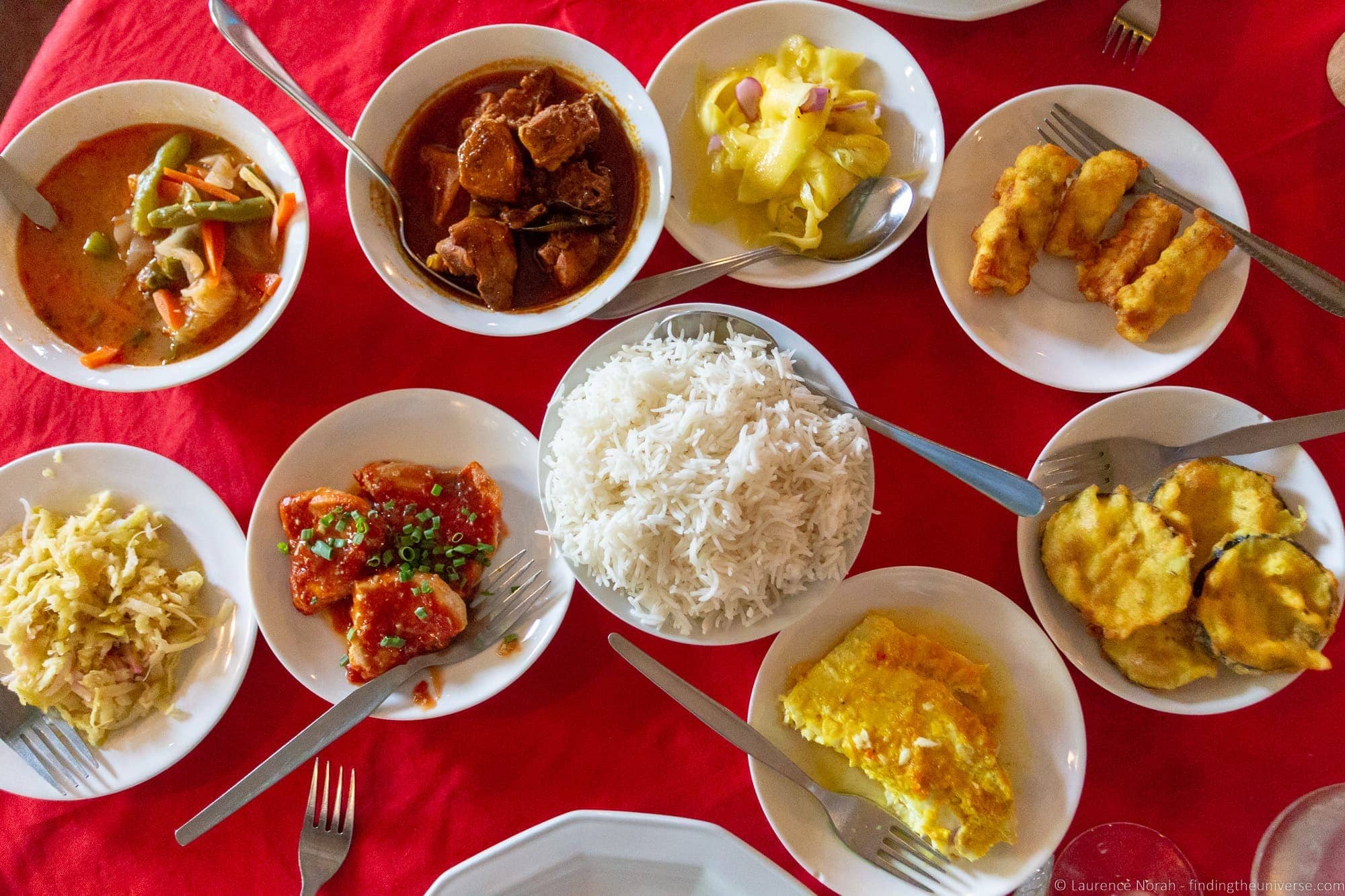
Nothing captures culture in the Seychelles quite like its food. Creole cuisine represents a delicious fusion of African staples, French techniques, Indian spices, and Chinese stir-fry methods. Expect bold flavours where fiery bird’s eye chillies meet sweet mango and aromatic vanilla, all tempered by the abundant bounty of the surrounding ocean.
Signature dishes include octopus curry simmered with saffron and tamarind, grilled jobfish served with a tangy tomato and onion rougaille, and ladob, a comforting stew of plantain, sweet potato, and cassava cooked in coconut milk. These recipes have been refined over generations, with each family guarding their particular balance of spices and secret ingredients.
Street food offers some of the most accessible and authentic experiences. In Victoria’s bustling market, vendors serve fresh fish sandwiches, spicy samosas, and sweetened coconut water from roadside stalls. For a more intimate encounter, many small guesthouses and family-run establishments invite guests to join them in the kitchen, sharing recipes that have never appeared in any guidebook.
A single spoonful of properly made Creole curry, eaten while watching the fishing boats return at dusk, tells you more about Seychelles history than any textbook ever could.
Spice Gardens and Plantation Heritage
The spice plantations on Mahé and Praslin provide fascinating insight into the agricultural foundations of Creole culture. These working estates grow cinnamon, vanilla, nutmeg, cloves, and lemongrass, crops originally introduced during the colonial period that now flavour both local cuisine and the national economy.
Guided tours at places like the Jardin du Roi on Mahé demonstrate traditional harvesting and processing methods still used today. Visitors can taste fresh vanilla pods, learn about medicinal plant uses, and understand how these aromatic treasures shaped the islands’ development and trade relationships across the Indian Ocean.
Artisan Traditions and Creative Expression
The crafting of intricate model boats stands as one of the most distinctive Seychelles cultural moments. These miniature vessels, often built without power tools using local woods, coconut fibre rigging, and painstaking attention to detail, represent both artistic mastery and a deep connection to the sea that has sustained island communities for centuries.
Master craftsmen like those found in workshops around Anse aux Pins on Mahé learned their skills from fathers and grandfathers. Each boat tells a story, whether replicating traditional pirogues used for fishing or famous historical vessels that once sailed these waters. Purchasing one directly from the maker supports families while creating a tangible link to Seychelles maritime heritage.
Other traditional crafts include woven coconut leaf baskets, intricate shell work, and batik textiles featuring vibrant island motifs. Many artisans welcome visitors into their studios, happy to demonstrate techniques and explain the cultural significance behind their designs. These interactions often lead to meaningful exchanges that transcend typical souvenir shopping.
Music and Dance as Cultural Memory
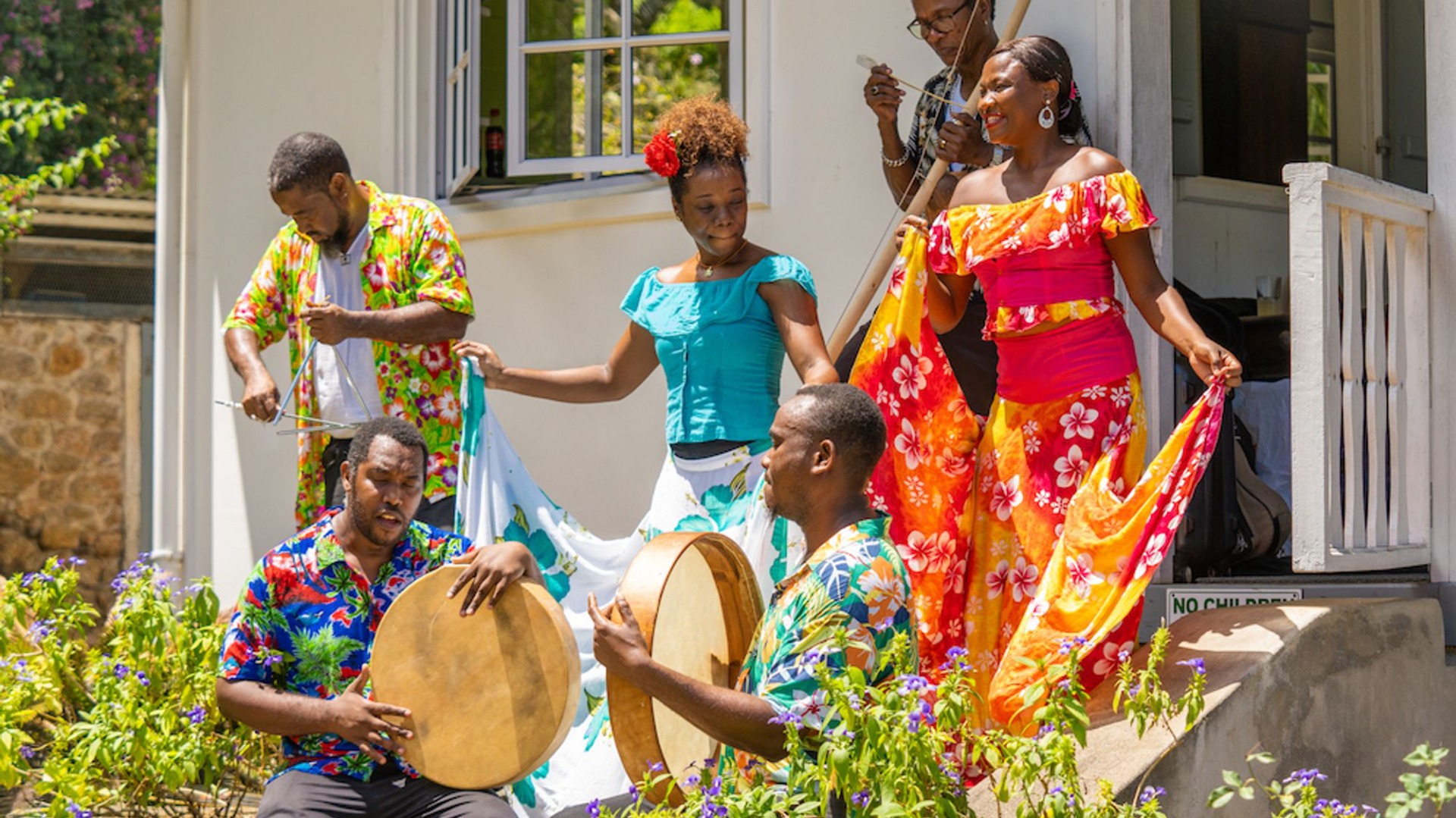
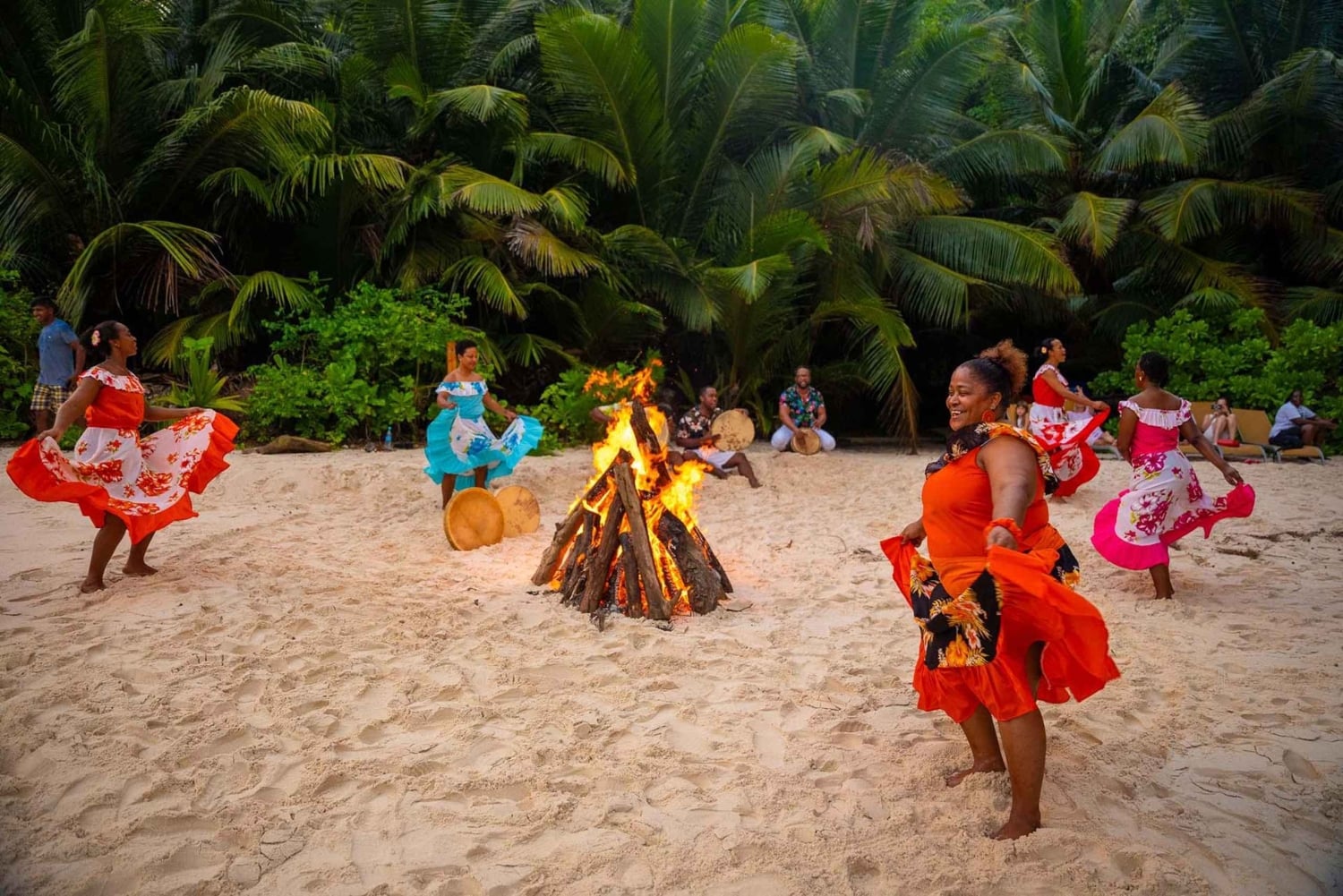
Moutya, the traditional dance and music of the Seychelles, originated with enslaved Africans and was once banned by colonial authorities for its sensual movements and powerful rhythms. Today it forms a proud part of national identity, performed at festivals and celebrations with drum circles that can continue long into the night.
Sega music, with its distinctive guitar and rattle accompaniment, provides the soundtrack to many social gatherings. Local bands frequently perform in village halls and small venues, offering visitors the chance to experience music as it was meant to be heard, surrounded by dancing locals rather than in sanitised resort shows.
Festivals and Community Celebrations
The Seychellois calendar brims with cultural events that showcase living traditions. The biggest is Carnival International de Victoria, held each February or March, which transforms the capital into a riot of colour, music, and dance. Though it has grown to attract international visitors, its roots remain firmly in Creole celebration and community participation.
The Festival of the Sea, usually staged in November on La Digue, honours the maritime heritage that defines these islands. Fishermen demonstrate traditional techniques, boat races test local skills, and seafood feasts bring everyone together. Smaller village festivals throughout the year celebrate everything from particular saints to the annual breadfruit harvest.
These events provide some of the most rewarding Seychelles cultural moments because they emphasise participation over observation. Visitors who join in the dancing, taste the communal food, and engage in conversation discover connections that remain long after their return home.
Participating in a local festival reveals the generous spirit that characterises Seychelles culture, where strangers quickly become friends through shared rhythm, flavour, and laughter.
Traditional Knowledge and Environmental Wisdom
Long before environmental conservation became a global concern, Seychellois communities developed sophisticated knowledge about their fragile island ecosystems. Traditional fishing practices, medicinal plant use, and sustainable farming techniques represent a cultural inheritance that modern conservation efforts increasingly recognise and incorporate.
Elderly fishermen still read the ocean’s moods through subtle signs that younger generations are learning to interpret. Herbalists maintain knowledge of native plants used for everything from treating fevers to creating natural insect repellents. This living wisdom connects contemporary Seychellois to their ancestors while offering valuable lessons for addressing current environmental challenges.
Many community-based projects now invite respectful visitors to learn about these traditions. Whether helping with beach clean-ups, joining guided nature walks with local experts, or simply listening to stories about how particular marine areas have been protected for generations, these experiences deepen understanding of the relationship between culture and conservation.
Question: How can visitors respectfully engage with culture in the Seychelles?
The most meaningful encounters happen when travellers approach with genuine curiosity and respect. Learn a few Creole phrases before arriving. Support local artisans by purchasing directly from makers rather than hotel shops. Ask permission before taking photographs of people or sacred sites. Accept invitations to join family meals or village events when offered, as these spontaneous moments often prove most memorable.
Choose experiences that directly benefit communities rather than those designed purely for tourists. Stay in small, locally-owned guesthouses where you can interact with Seychellois hosts. Take time to listen more than speak. The islands reward patience and openness with connections that transform a simple beach holiday into something far more significant.
Remember that not every cultural practice is performed for public consumption. Some ceremonies remain private to families or specific communities. Respecting these boundaries demonstrates the same values of consideration and community that define Creole culture itself.
Connecting with Contemporary Seychelles Culture
Modern Seychelles blends respect for tradition with forward-looking innovation. Young artists reinterpret traditional motifs in contemporary paintings, sculptures, and fashion. Musicians fuse moutya rhythms with jazz, reggae, and electronic elements, creating sounds that speak to both heritage and current realities.
Community organisations work to preserve endangered aspects of culture while adapting them for new generations. Language classes, craft workshops, and storytelling sessions help ensure that knowledge continues to be transmitted. Tourism plays an important role here, providing economic incentives to maintain traditions that might otherwise fade.
Encounters Africa works with carefully selected partners across the Seychelles who share our commitment to authentic, low-impact cultural experiences. Our tailored journeys introduce travellers to local families, master artisans, and community leaders who offer insights impossible to gain through guidebooks alone.
Embracing the Living Culture of Seychelles
The Seychelles cultural moments that matter most cannot be scheduled or purchased as standard excursions. They arrive unexpectedly, in the smile of a grandmother teaching a child to weave palm leaves, the pride of a fisherman displaying his handmade boat, or the infectious laughter during an impromptu dance at a village fête. These experiences remind us that culture lives not in museums but in the daily rhythms of connection, creativity, and community.
By moving beyond the beaches to engage thoughtfully with Creole traditions, travellers gain something precious: a deeper appreciation for the resilience, warmth, and ingenuity that characterises these remarkable islands. The memories formed through shared meals, meaningful conversations, and genuine cultural exchange become the true treasures of any Seychelles journey.
For discerning travellers seeking a private safari beyond our set itineraries, we invite you to contact us directly. We specialise in designing exceptional, tailor-made journeys for individuals, couples, families, and private groups of up to eight guests. Drawing on our handpicked network of distinguished camps and lodges, we curate every detail with precision and care, creating a seamless, deeply personal safari experience shaped entirely around your preferences, pace, and budget.
Whether you wish to explore Seychelles cultural heritage through intimate community visits or combine island experiences with wildlife encounters in Kenya or Tanzania, our team crafts journeys that honour both the natural environment and the human stories that give these places their soul. Visit our enquiry form to begin planning your own meaningful connection with the living cultures of the Indian Ocean and beyond.
More like this
culture
South Africa's Cultural Essentials: Xhosa, Zulu, and Sotho Traditions Explained
Culture
Tanzania's Vibrant Traditions: What Every Visitor Should Know Before Arrival
Culture
Tracing Zambia’s Cultural Roots from Ancient Kingdoms to Modern Traditions
culture
Uganda's Cultural Mosaic: Key Groups and Their Distinct Traditions

culture
Weaving Threads Through Zambian Village Life
Culture