News
Seychelles Marine Species Face New Pressures from Rising Ocean Temperatures
Encounters Africa - 9 min read
Updated on 22 July 2026
Rising ocean temperatures are placing fresh pressures on the marine wildlife of the Seychelles, according to the latest scientific assessments released in early 2025. New tracking data reveals that key species including yellowfin tuna, green sea turtles, and grey reef sharks are adjusting their traditional routes and feeding patterns in response to warmer waters that now average 1.2 degrees Celsius higher than the 1990 baseline across the archipelago.
This shift comes at a time when coral bleaching events have become more frequent, with the 2024 event affecting nearly 35 percent of reefs around Mahe Island and surrounding atolls. For those planning a luxury safari or island escape with Encounters Africa, understanding these changes adds depth to any visit and highlights practical ways travellers can contribute to ongoing protection efforts.
The ocean around Seychelles tells a story of resilience and rapid change; each degree of warming redraws the map for species that have navigated these waters for millennia.
The Science Behind Warmer Waters
Marine biologists from the Seychelles Marine Research Institute have been monitoring sea surface temperatures using a network of 42 buoys and satellite feeds since 2018. Their most recent report, published in February 2025, shows consistent warming trends that are altering the thermocline – the layer where cold and warm water meet – by as much as 45 metres in some areas during the northwest monsoon season from November to March.
These changes are not uniform. Waters around the inner islands have warmed faster than those in the outer atolls, creating a temperature gradient that influences nutrient upwelling. Plankton blooms, once predictable between June and September, now appear earlier and last for shorter periods, disrupting the entire food web that supports larger marine species.
Researchers recorded 14 coral bleaching episodes between 2015 and 2024, compared with just three in the previous decade. The 2024 event was particularly severe because it followed an unusually intense El Niño period, pushing water temperatures above 30.5 degrees Celsius for 27 consecutive days in the Amirantes group.
How Temperature Affects Different Species
Yellowfin tuna have shown the most dramatic response. Satellite tagging of 87 individuals between 2022 and 2024 revealed that their core feeding areas have moved approximately 180 kilometres further south during the cooler southeast trade wind season. This shift takes them closer to the borders of the Exclusive Economic Zone, where international fishing fleets operate more intensively.
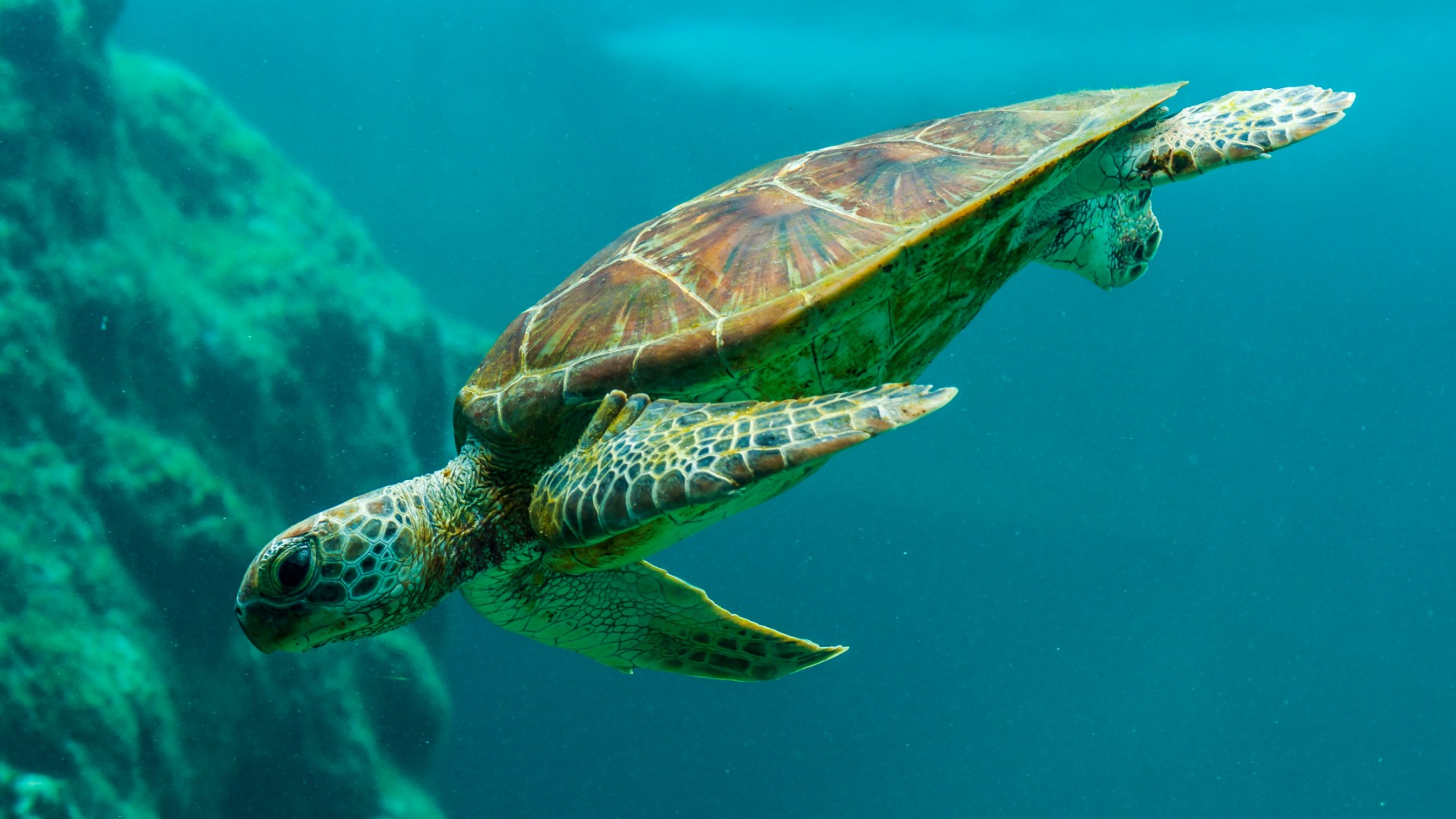
Green sea turtles, which rely on seagrass beds for foraging, face dual pressures. Not only are their nesting beaches experiencing higher sand temperatures that skew hatchling sex ratios towards females, but the seagrass itself is declining in extent by roughly 8 percent per year in monitored sites around Praslin.
Grey reef sharks, often considered indicators of reef health, demonstrate altered diving behaviour. Acoustic monitoring at 12 sites shows they now spend 40 percent less time in shallow reef flats during daylight hours, preferring deeper, cooler waters where oxygen levels remain adequate.

Each species writes its own chapter in this unfolding marine narrative, yet all are bound by the same rising thermal tide.
Current Protection Measures in Place
The Seychelles government has responded with several significant initiatives. In 2023, the country expanded its marine protected areas to cover 30 percent of its Exclusive Economic Zone – an area exceeding 400,000 square kilometres. This network includes strict no-take zones around key turtle nesting beaches and shark aggregation sites.
The Seychelles National Parks Authority works alongside international partners to maintain a network of 18 monitoring stations that track everything from water chemistry to fish biomass. Rangers conduct regular patrols using both traditional vessels and new drone technology, with particular focus on preventing illegal fishing within the protected boundaries.
Community involvement has grown substantially. More than 240 local fishers have joined co-management committees that help set seasonal fishing closures based on real-time scientific data rather than fixed calendar dates. This adaptive approach has already shown positive results for certain reef fish populations.
Scientific Research and Monitoring Programmes
The University of Seychelles runs a long-term turtle monitoring project that has tagged over 1,200 individuals since 2009. The data collected helps predict nesting peaks and informs beach protection strategies during the main laying season from June to September.
Reef restoration projects using coral nurseries have expanded to 14 sites, with more than 45,000 coral fragments successfully transplanted between 2021 and 2024. Survival rates have improved from 62 percent to 81 percent as techniques evolve and more heat-resistant coral strains are identified.
International collaboration remains crucial. Partnerships with organisations in Australia and the Maldives allow for knowledge exchange on reef resilience, while European Union funding supports the deployment of sophisticated underwater monitoring equipment that provides continuous data streams to researchers worldwide.
What This Means for Seychelles Marine Wildlife
The changes observed are already having measurable effects on biodiversity. Reef shark populations have declined by approximately 22 percent in heavily monitored areas since 2016, though the rate of decrease has slowed since the expansion of marine protected areas. Meanwhile, certain herbivorous fish species have increased as they benefit from the changing algal communities on warming reefs.
Migration patterns of pelagic species have become less predictable, creating both challenges and opportunities for local fisheries. Skipjack tuna catches have remained relatively stable, but the seasonal arrival of yellowfin has shifted by nearly three weeks on average, requiring adjustments in traditional fishing practices.
Perhaps most concerning is the potential for ecosystem phase shifts. If coral cover continues to decline at current rates, scientists predict that some fringing reefs around the inner islands could transition to algal-dominated systems within 15 to 20 years unless significant cooling or adaptation occurs.
The beauty of Seychelles' marine environments lies not in their unchanging nature, but in the quiet determination of those working to understand and protect their delicate balance.
How Travellers Can Support Reef Health
Luxury travellers visiting the Seychelles have more opportunities than ever to engage meaningfully with marine conservation. Many high-end lodges now partner directly with research teams, offering guests the chance to participate in activities that contribute genuine data while creating memorable experiences.
Choosing operators that adhere to strict environmental standards makes a tangible difference. Look for establishments that maintain carbon offset programmes, use only reef-safe sunscreens, and limit the number of snorkellers per site to prevent overcrowding and physical damage to corals.
Practical Steps During Your Visit
When snorkelling or diving, maintain a minimum distance of two metres from reefs and never stand on coral. Even light contact can damage the delicate polyps that build these structures over decades. Many sites now offer guided snorkel tours with marine educators who explain the ecosystem while ensuring minimal impact.
Supporting local marine conservation projects through direct donations or by purchasing carbon credits from verified Seychelles-based initiatives helps fund everything from reef restoration to scientific monitoring. Several Mahe Island lodges facilitate these contributions transparently, showing guests exactly how funds are allocated.
Choosing sustainable seafood options is another powerful way to influence demand. Restaurants working with the Seychelles Sustainable Seafood Initiative provide clear information about which species are currently under pressure and which are being harvested responsibly. This knowledge allows diners to make informed choices that support healthier marine populations.
The Role of Luxury Tourism in Conservation
High-end tourism plays a vital role in the economic case for marine protection. The sector generates significant revenue that helps fund conservation work, with marine-based activities accounting for nearly 60 percent of all tourism income in the Seychelles according to 2024 figures.
Properties like those partnered with Encounters Africa invest in staff training that emphasises environmental stewardship. Guides who understand both the science and the stories behind the reefs become powerful advocates for conservation, creating connections that often lead to long-term support from visitors long after they return home.
The most forward-thinking operators now incorporate climate resilience into their business models. This includes everything from solar power installations that reduce carbon emissions to the development of new snorkelling sites in areas less vulnerable to bleaching events.
Looking Ahead: Adaptation and Hope
While the challenges are significant, there are encouraging signs of adaptation. Some coral species in the Seychelles have shown greater heat tolerance than those in other parts of the Indian Ocean, offering hope that natural selection may help certain reefs survive in the warmer waters of the future.
Research into coral probiotics and assisted evolution continues at laboratories on Mahe, with early trials showing promising results in increasing bleaching resistance. Community-led initiatives are also expanding, with more young Seychellois training in marine science and conservation management.
The coming decade will be critical. Scientists predict that if global emissions follow current trajectories, the frequency of severe bleaching events could increase to once every three years by 2035. Yet with continued protection and thoughtful visitor engagement, the extraordinary marine life of the Seychelles still has every chance to persist.

Conclusion
The latest findings on Seychelles marine species and rising ocean temperatures paint a complex picture of challenge and resilience. From shifting migration routes to innovative conservation responses, the archipelago stands at the forefront of understanding how tropical marine ecosystems adapt to our changing climate.
For those considering a journey that combines exceptional luxury with meaningful engagement, the Seychelles offers experiences that connect visitors directly to these vital conservation stories. Whether observing nesting turtles under starlit skies or snorkelling among healthy reefs with expert marine guides, each encounter deepens appreciation for the fragility and wonder of these waters.
Encounters Africa specialises in designing exceptional, tailor-made journeys for individuals, couples, families, and private groups of up to eight guests. Drawing on our handpicked network of distinguished camps and lodges, we curate every detail with precision and care, creating a seamless, deeply personal safari experience shaped entirely around your preferences, pace, and budget. We invite you to contact us directly to explore how a thoughtfully designed Seychelles journey can support both unforgettable memories and active marine conservation.
By choosing to travel with awareness and purpose, visitors become part of the solution. The future of Seychelles' extraordinary marine wildlife depends not only on scientific intervention and government policy but on the collective choices of all who value these remarkable ecosystems.
More like this
News
Seychelles Rolls Out New Measures to Safeguard Dugongs and Dolphins
news
South Africa 2026: Key Conservation Rules Reshaping Tourism Access
News
South Africa Strengthens Anti-Poaching Measures Across Key Reserves
News
South Africa Updates Its Anti-Poaching Laws to Strengthen Safari Tourism Safeguards
news
South Africa Wildlife Headlines 2026: Reports Worth Reading Now
news