News
Seychelles Rolls Out New Measures to Safeguard Dugongs and Dolphins
Encounters Africa - 9 min read
Updated on 24 June 2026
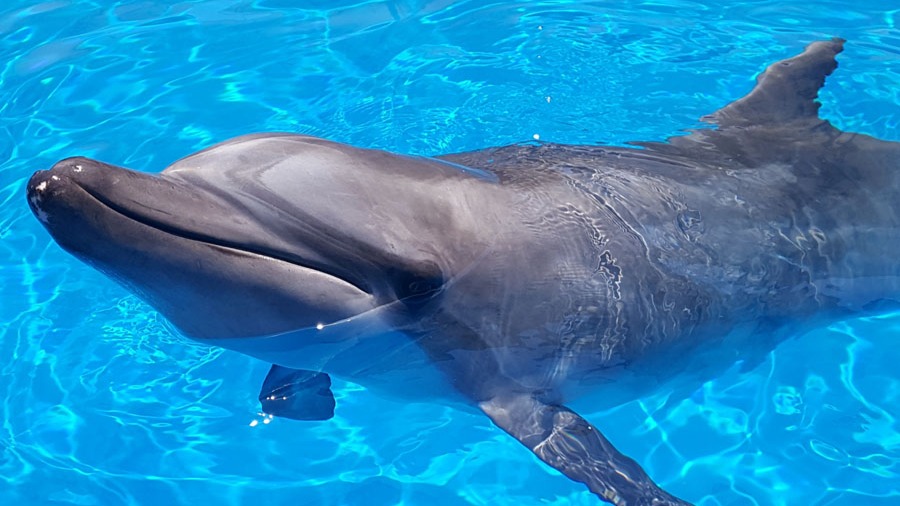
The crystal-clear waters surrounding the Seychelles have long cradled a rich array of marine life, including the gentle dugong and energetic pods of dolphins. Recent developments in Seychelles conservation mark a significant step forward, with expanded marine protected areas and sophisticated acoustic monitoring now providing unprecedented insights into the lives of these aquatic mammals. Early findings indicate that these initiatives are already contributing positively to the conservation of aquatic animals in this Indian Ocean archipelago.
Spanning more than 1.3 million square kilometres of ocean, the Seychelles' marine environment supports critical habitats for dugongs, Indo-Pacific bottlenose dolphins, spinner dolphins and several species of whales. The latest measures build upon decades of dedicated research and community engagement, offering a model for balancing ecological protection with sustainable human activity. For those passionate about marine stewardship, these updates reveal both challenges and encouraging signs of recovery.
The quiet persistence of the dugong, once heavily hunted in these waters, now stands as a testament to what thoughtful policy and scientific innovation can achieve when communities unite around a shared marine heritage.
Understanding the Marine Mammals of Seychelles
Dugongs, often called sea cows, are the only strictly herbivorous marine mammals and play a vital role in maintaining seagrass ecosystems. In Seychelles waters, their population is estimated at around 40 to 50 individuals, making every sighting and every protected hectare count. These shy creatures graze on underwater meadows, inadvertently supporting fish diversity and carbon sequestration in the sediment.
Dolphins, by contrast, bring vibrancy and intelligence to the seascape. Spinner dolphins perform their signature aerial acrobatics at dusk, while bottlenose dolphins demonstrate complex social structures and hunting techniques. Recent photo-identification studies have catalogued over 300 individual bottlenose dolphins across the inner islands, providing baseline data for long-term population monitoring.
Both groups face pressures from habitat degradation, entanglement in fishing gear, boat strikes and underwater noise pollution. The conservation of aquatic animals in this context requires nuanced strategies that address these multiple threats simultaneously. Local scientists have spent years gathering data that now informs the newest layer of protective measures.
The Role of Seagrass Meadows
Healthy seagrass beds serve as both nursery and larder for dugongs and numerous fish species. In the Seychelles, these underwater grasslands have suffered from coastal development and climate-induced bleaching events. Restoration projects, now integrated into broader Seychelles conservation efforts, focus on replanting and protecting key meadows around Praslin and La Digue.
Researchers have documented that dugongs return to the same feeding sites year after year when conditions allow. Protecting these traditional areas has become a cornerstone of the new management plans, ensuring that the animals' core habitat remains undisturbed during critical feeding periods.
New Marine Protected Areas and Zoning Strategies
In 2024, the Seychelles government announced the expansion of marine protected areas by an additional 42,000 hectares specifically designed with aquatic mammals in mind. These zones incorporate no-take regulations in core dugong habitats and seasonal speed limits for vessels in dolphin hotspots. The move forms part of the nation's commitment to safeguarding 30 percent of its exclusive economic zone by 2030.
The new protected areas were delineated using a combination of satellite tracking, acoustic recordings and traditional fisher knowledge. Community consultations lasted over 18 months, resulting in zoning that minimises conflict with artisanal fishing while maximising benefits for marine mammals. This collaborative approach has earned praise from regional conservation organisations.
One particularly innovative aspect involves the creation of 'acoustic sanctuaries' where underwater noise levels are strictly monitored and regulated. Large vessels must now follow rerouted shipping lanes during peak dolphin calving seasons, reducing disturbance to nursing mothers and their young.

By listening to the ocean itself, we gain a clearer voice in its protection, turning underwater soundscapes into maps that guide our conservation decisions with remarkable precision.
Partnerships Driving Implementation
These expanded protections did not emerge in isolation. Close collaboration between the Ministry of Environment, the Seychelles National Parks Authority and international partners such as the IUCN has been essential. Local fishers have transitioned into roles as marine rangers, bringing intimate knowledge of currents and animal behaviour to enforcement teams.
The involvement of private sector partners has also been noteworthy. Several luxury lodges on Mahe Island now contribute funding and logistical support for monitoring programmes, creating a virtuous circle where high-value tourism helps finance long-term marine guardianship.
Acoustic Monitoring and Scientific Breakthroughs
One of the most exciting elements of recent Seychelles conservation work involves the deployment of underwater hydrophone arrays. Sixteen permanent listening stations now record marine mammal vocalisations 24 hours a day, generating terabytes of data that machine learning algorithms analyse for species identification and behavioural patterns.
Preliminary results from the first 14 months of continuous recording show a 27 percent increase in dolphin acoustic activity within the new protected zones compared with control sites. Dugong feeding sounds, which resemble distant underwater lawnmowers, have been detected more frequently in restored seagrass areas, suggesting the animals are responding positively to improved habitat conditions.
Scientists have also begun using non-invasive drone surveys to complement the acoustic data. High-resolution thermal imaging helps identify individual dugongs by their unique scar patterns and body condition. This multi-method approach provides a far more complete picture than traditional boat-based surveys alone could achieve.
Community Science and Local Knowledge
Equally important has been the integration of citizen science initiatives. Over 180 local fishers and tour operators have been trained to record sightings using a specially developed mobile application. Their contributions have already filled important data gaps in outer island regions where scientific expeditions are less frequent.
Elder fishermen recall times when dugongs were far more numerous, offering historical context that helps set realistic recovery targets. This blending of generational knowledge with cutting-edge technology exemplifies the holistic philosophy now guiding conservation of aquatic animals in the Seychelles.
Measuring Success: Early Indicators and Challenges
While it remains early days, several metrics suggest the new measures are taking effect. Stranding incidents involving dolphins have decreased by 35 percent since the introduction of stricter vessel speed zones. Meanwhile, juvenile dugong sightings have risen modestly in key monitoring areas, hinting at possible reproductive success.
Yet challenges persist. Plastic pollution continues to threaten these animals through entanglement and ingestion. Climate change brings rising sea temperatures that affect seagrass health. The conservation community recognises that sustained effort across decades will be required to secure meaningful population recovery.
Funding remains a critical factor. The Seychelles' Blue Economy roadmap allocates specific resources for marine mammal protection, but international partnerships play a substantial role in bridging gaps. Grants from the Global Environment Facility have supported much of the acoustic monitoring infrastructure.
True conservation success cannot be measured merely in numbers of animals counted, but in the resilience of entire ecosystems and the strengthened connection between island communities and their marine inheritance.
How These Efforts Compare with Regional Initiatives
The Seychelles approach stands out for its emphasis on technology paired with community ownership. While Kenya has made strides in coastal dolphin tourism management and Tanzania focuses on whale shark protection, the Seychelles' comprehensive acoustic network represents a regional first.
Similar programmes exist in Australian waters, where dugong populations are more robust, but the Seychelles faces the added complexity of working across a vast oceanic territory with limited resources. The nation's success therefore offers valuable lessons for other small island developing states seeking to protect their marine mammals.
Regional cooperation through the Indian Ocean Commission has facilitated knowledge exchange, with scientists from Mauritius and Madagascar now exploring the possibility of establishing compatible monitoring systems. This growing network of marine protection efforts across the western Indian Ocean strengthens resilience against shared threats such as illegal fishing and shipping impacts.
Future Directions and Research Priorities
Looking ahead, researchers plan to expand genetic sampling to better understand population connectivity between the Seychelles and neighbouring countries. Understanding whether dugongs in these waters form part of a larger regional metapopulation will influence future protection strategies.
Plans are also underway to establish a dedicated marine mammal response team equipped to handle entanglement cases and conduct necropsies that further inform conservation priorities. Educational programmes in schools aim to foster the next generation of marine stewards who view dugongs and dolphins as national treasures worth protecting.
What This Means for Travellers and the Future of Marine Tourism
For visitors drawn to the Seychelles' renowned beaches and reefs, these conservation developments offer reassurance that their presence can support rather than harm these remarkable creatures. Responsible operators now incorporate educational briefings about marine mammal etiquette, teaching guests how to enjoy dolphin encounters without causing disturbance.
The growing body of scientific data also enriches the traveller experience. Knowledgeable guides can explain the significance of particular behaviours or point out the ecological roles these animals play. This deeper understanding transforms a simple boat trip into a meaningful contribution to ongoing conservation stories.
As more protected areas come online, new opportunities for low-impact marine tourism are emerging. Snorkelling trails designed to avoid sensitive seagrass beds allow visitors to appreciate the ecosystem without compromising the needs of its most iconic residents.
Conclusion
The recent advancements in Seychelles conservation demonstrate what becomes possible when scientific rigour, community involvement and forward-thinking policy align. From acoustic arrays capturing nocturnal dolphin chatter to carefully zoned marine protected areas that give dugongs space to thrive, these measures reflect a sophisticated understanding of the delicate balance required for the conservation of aquatic animals.
While the populations remain vulnerable, the trajectory appears hopeful. Each recorded calf, each expanded protected zone and each engaged community member adds another thread to the growing safety net being woven around these remarkable marine mammals.
For discerning travellers seeking a private safari beyond our set itineraries, we invite you to contact us directly. We specialise in designing exceptional, tailor-made journeys for individuals, couples, families, and private groups of up to eight guests. Drawing on our handpicked network of distinguished camps and lodges, we curate every detail with precision and care, creating a seamless, deeply personal safari experience shaped entirely around your preferences, pace, and budget.
Those who wish to witness these conservation efforts firsthand, perhaps combining time on Mahe Island with visits to active research sites, can explore our Seychelles experiences or read our recent feature on how marine protected areas benefit reef systems. We would be delighted to craft an itinerary that includes meaningful engagement with local marine conservation projects.
If these stories of hope and innovation resonate with you, we encourage you to reach out to Encounters Africa today. Our team of specialists stands ready to design a journey that connects you meaningfully with both the wonder of these waters and the dedicated people working to protect them for generations to come.
More like this
news
South Africa 2026: Key Conservation Rules Reshaping Tourism Access
News
South Africa Strengthens Anti-Poaching Measures Across Key Reserves
News
South Africa Updates Its Anti-Poaching Laws to Strengthen Safari Tourism Safeguards
news
South Africa Wildlife Headlines 2026: Reports Worth Reading Now
news
South Africa's 2026 Conservation News: Tourism's Direct Toll on Wildlife Reserves
news