news
South Africa 2026: Key Conservation Rules Reshaping Tourism Access
Encounters Africa - 4 min read
Updated on 13 May 2026
South Africa 2026 conservation rules are set to transform tourism access in the country's premier wildlife reserves. National parks authorities have introduced strict visitor limits, AI-monitored trails, and dedicated habitat restoration funds to protect elephant corridors and minimise human-wildlife conflicts. These measures, effective from January 2026, prioritise ecological integrity while allowing discerning travellers exclusive, low-impact journeys through South Africa's iconic landscapes.
Expect a shift towards smarter, more sustainable safaris where technology and conservation funding reshape daily experiences. From capped daily entries in Kruger to enhanced monitoring in private reserves like Eastern Cape sanctuaries, these changes promise richer encounters with thriving wildlife populations.
New Visitor Caps: Balancing Access and Wildlife Welfare
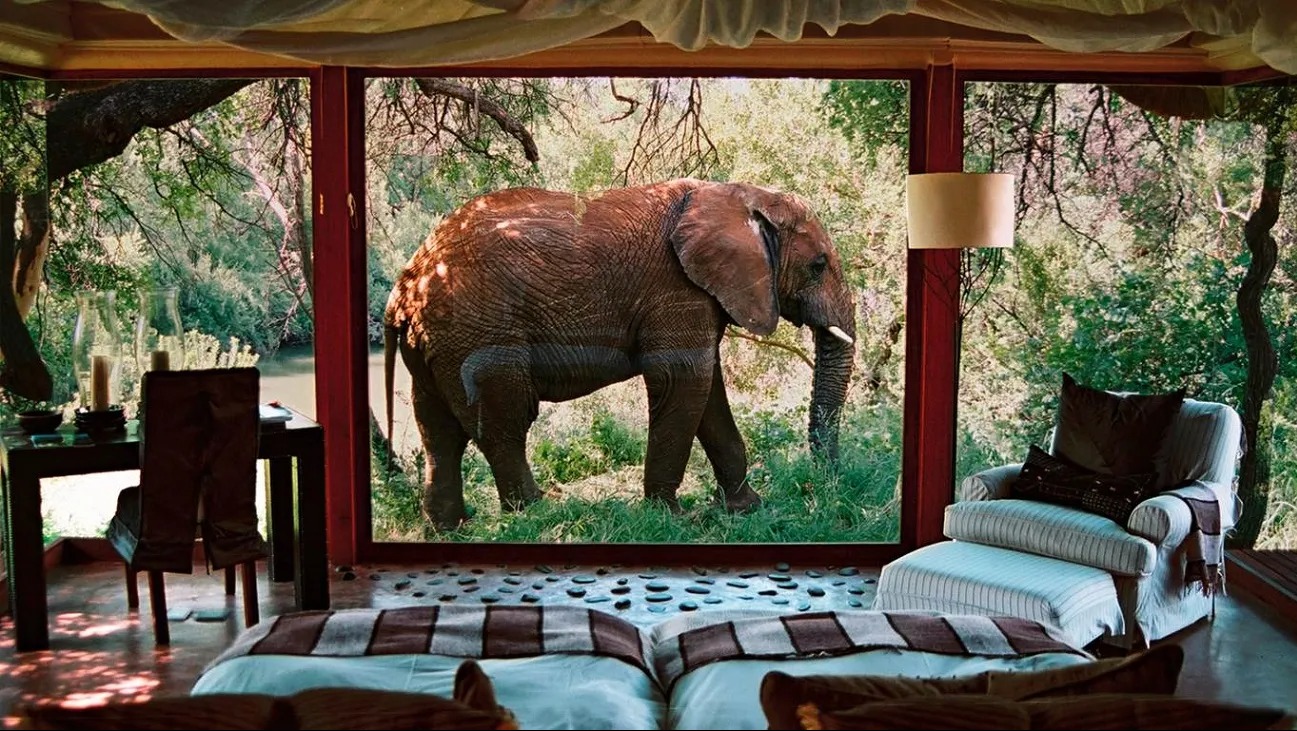
Kruger National Park leads with 2026 caps reducing daily vehicles by 25% in high-density zones, targeting 450 vehicles per gate from peak mornings. This responds to elephant overpopulation pressures, with over 90,000 individuals straining resources. Travellers will notice fewer crowds, allowing intimate game drives amid restored habitats.
Similar limits apply in Addo Elephant National Park, limiting visitors to 1,200 per day across its 1,600 square kilometres. These rules stem from data showing a 15% rise in road incidents involving wildlife. Private concessions adjacent to these parks, such as Amakhala Game Reserve, align with national quotas for seamless transitions.
"By capping access, South Africa ensures elephants roam freely while offering travellers profound, undisturbed sightings."
AI-Monitored Trails: Technology Meets Traditional Tracking
From mid-2026, 500 kilometres of trails in Kruger National Park and Mapungubwe will feature AI cameras detecting animal movements in real-time. Drones equipped with thermal imaging patrol elephant corridors, alerting rangers to poaching risks or herd stress. This tech reduces ranger patrols by 30%, freeing personnel for guest interactions.
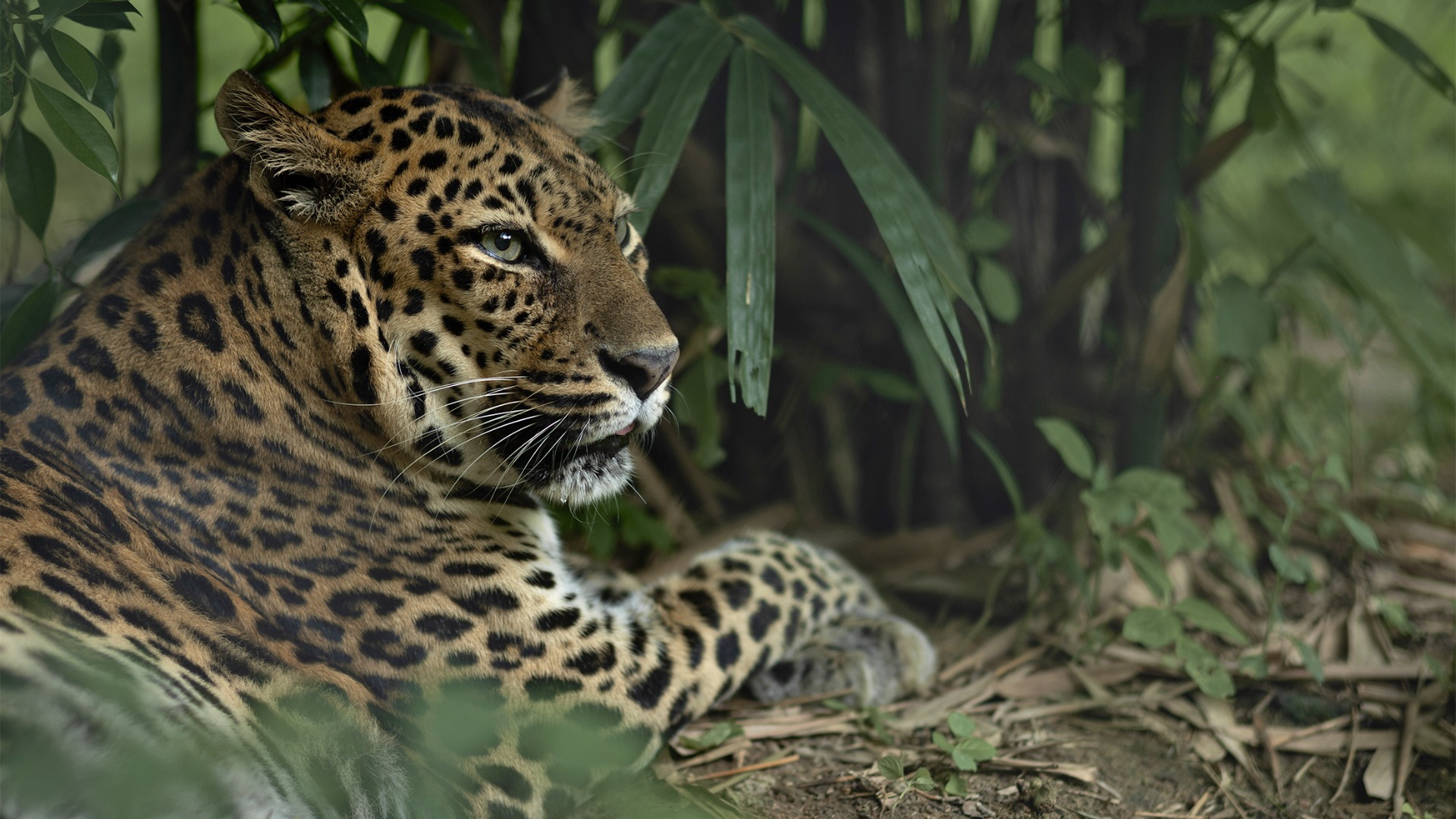
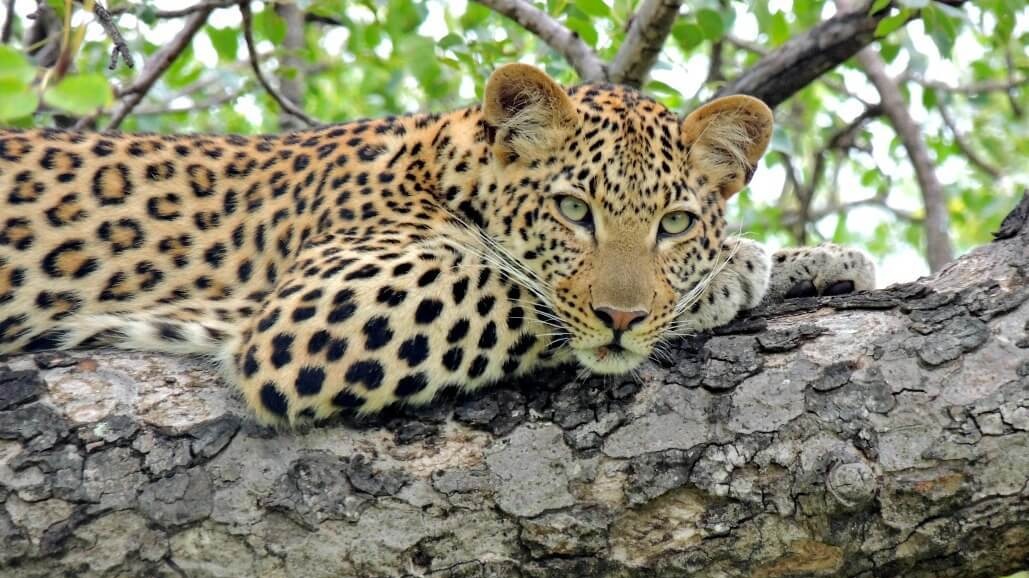
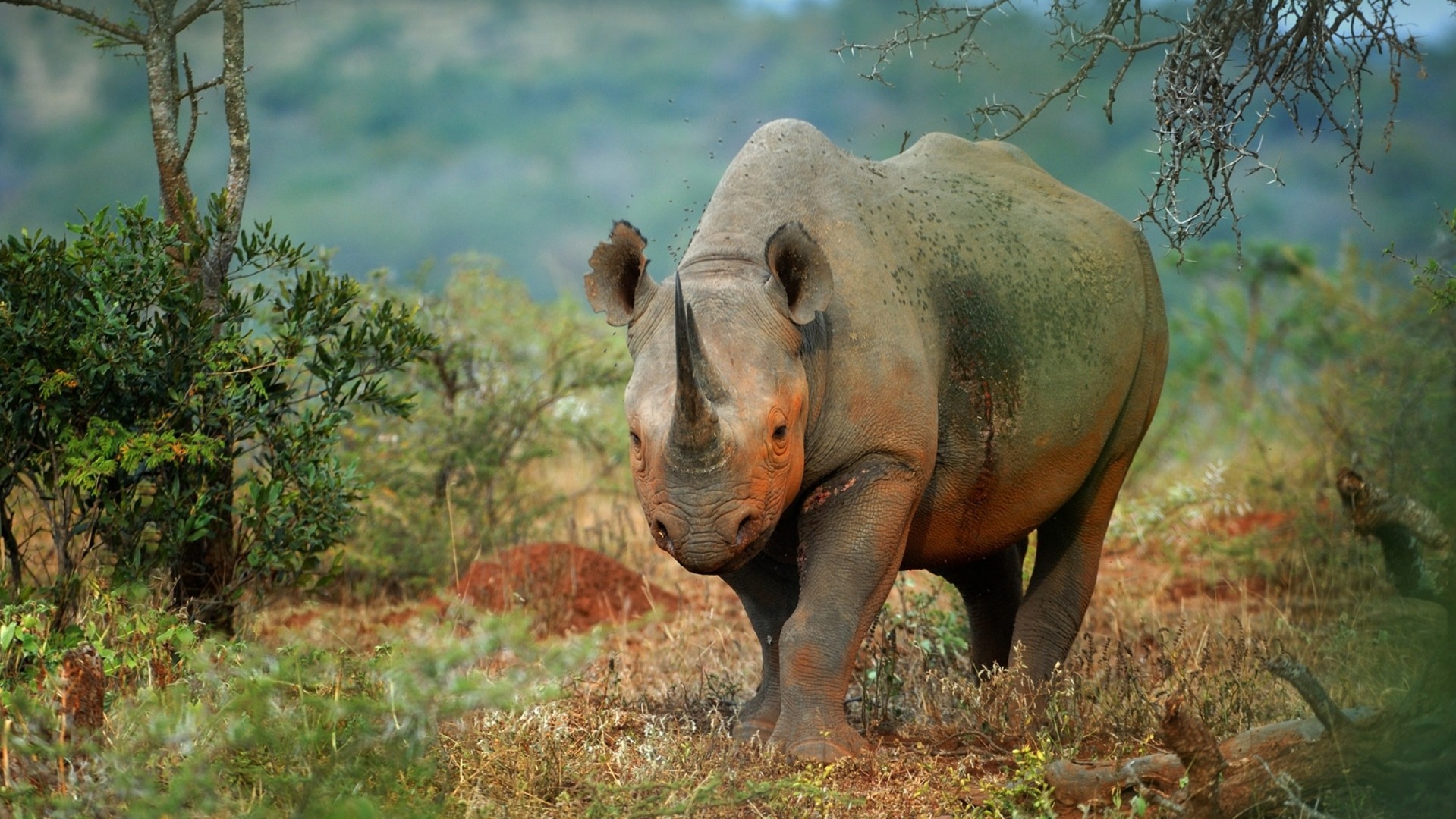
In Phinda Private Game Reserve, AI systems integrate with lodge operations, like at Chitwa Chitwa Game Lodge, predicting optimal game-viewing windows. Guests benefit from guided walks on monitored paths, where apps provide live updates on nearby leopard or rhino sightings, enhancing safety without intrusion.
How AI Enhances Guest Experiences
Travellers access a dedicated app for personalised itineraries, flagging low-traffic hours. This means dawn drives coincide with peak predator activity, detected via motion sensors. Conservation data shared during stays fosters deeper appreciation for these innovative safeguards.
Habitat Restoration Funds: Fueling Elephant Corridor Projects
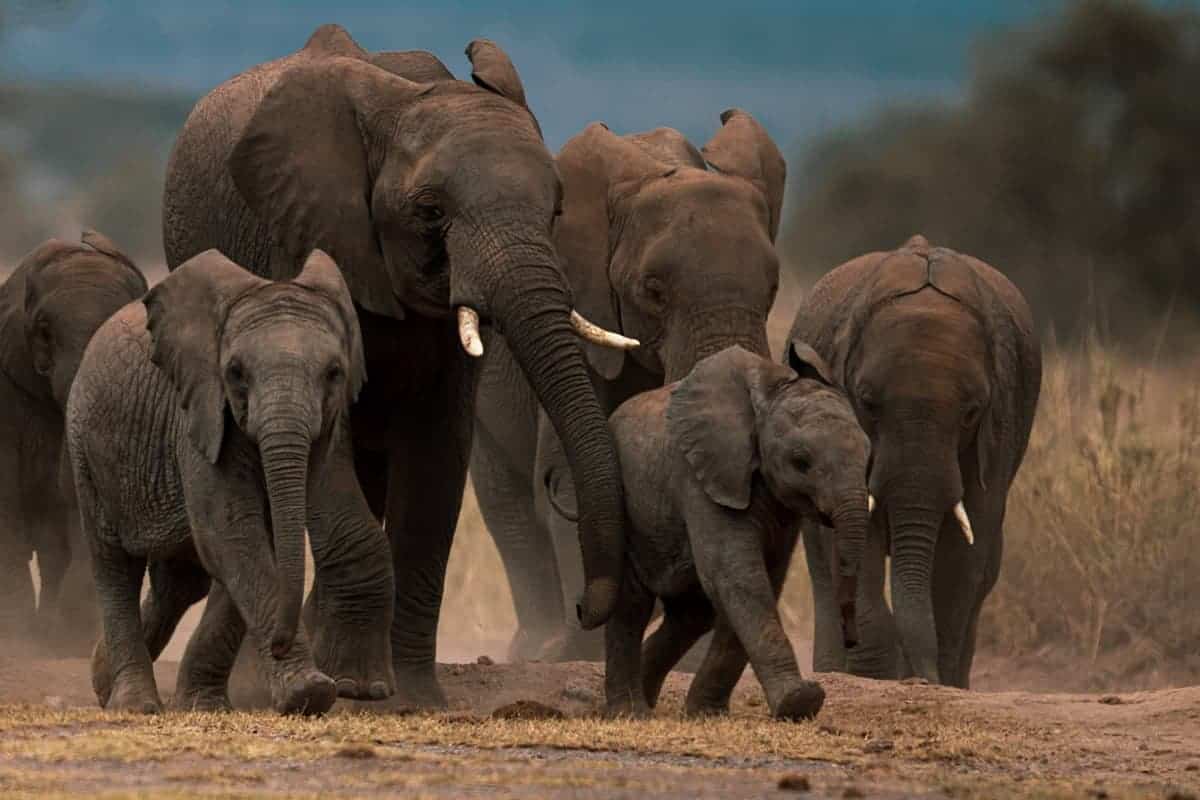
A new 5% levy on park entry fees, projected to raise R500 million annually by 2026, targets elephant corridor restoration across 200,000 hectares. Funds reconnect fragmented habitats in Limpopo and KwaZulu-Natal, countering a 40% decline in migration routes over the past decade. Early results show a 12% increase in herd vitality in pilot areas.
Private operators contribute via partnerships, with lodges like those in Balule Private Game Reserve channeling guest levies into fence removals. This creates fluid ecosystems where elephants move unhindered, reducing crop-raiding incidents by 28% in bordering communities.
These initiatives align with South Africa's goal of zero poaching by 2030, bolstered by community employment in restoration—over 2,000 jobs created since 2024.
Practical Implications for 2026 Safari Planning
What are the best times to visit South Africa under 2026 conservation rules? The dry season from May to September remains prime, with caps easing pressure during peak migration. Book six months ahead for slots in high-demand zones like Sabi Sands, where daily limits hit 200 vehicles.
Entry requires digital permits via the SANParks app, mandatory from Q1 2026. Expect randomised vehicle checks at gates, with fines up to R5,000 for non-compliance. Low-season extensions into October offer value, as restoration projects peak with visible progress like new water points for wildlife.
Secure permits 90 days in advance through official portals to avoid sell-outs.
Opt for multi-day private reserve stays to bypass daily caps.
Choose lodges with off-road exemptions for exclusive access.
"Smart planning turns 2026 restrictions into opportunities for unparalleled wildlife intimacy."
Reducing Human-Wildlife Friction: Community and Tech Synergies
AI perimeter fencing in Hluhluwe-iMfolozi Park detects breaches, deploying non-lethal deterrents like sound bursts. This has cut lion-human conflicts by 35% in trials. Communities receive 20% of restoration funds for eco-tourism ventures, fostering local buy-in.
For travellers, this means safer night drives and walking safaris, with rangers equipped with real-time data. Encounters Africa commends these steps, mirroring our focus on low-volume, high-impact journeys that support thriving ecosystems.
Key Parks Affected and Booking Tips
Kruger: 25% cap reduction; prioritise southern gates.
Addo: Daily limit 1,200; extend to night drives.
Phinda: AI trails live; book guided hikes early.
Embracing South Africa's Conservation-Led Future
These 2026 rules herald a new era where tourism amplifies conservation, not erodes it. Discerning travellers gain from fewer intrusions and healthier landscapes, from elephant herds traversing restored corridors to leopards prowling unmolested thickets. Encounters Africa stands ready to craft journeys navigating these changes seamlessly.
For private safaris beyond set itineraries, contact us directly. We specialise in tailor-made experiences for individuals, couples, families, and groups of up to eight, drawing on our network of distinguished camps to align with your vision.
More like this
News
South Africa Strengthens Anti-Poaching Measures Across Key Reserves
News
South Africa Updates Its Anti-Poaching Laws to Strengthen Safari Tourism Safeguards
news
South Africa Wildlife Headlines 2026: Reports Worth Reading Now
news
South Africa's 2026 Conservation News: Tourism's Direct Toll on Wildlife Reserves
news
South Africa's Tourism Sector Announces 2026 Visitor Incentives and Infrastructure Boosts
news