News
South Africa Strengthens Anti-Poaching Measures Across Key Reserves
Encounters Africa - 9 min read
Updated on 17 June 2026
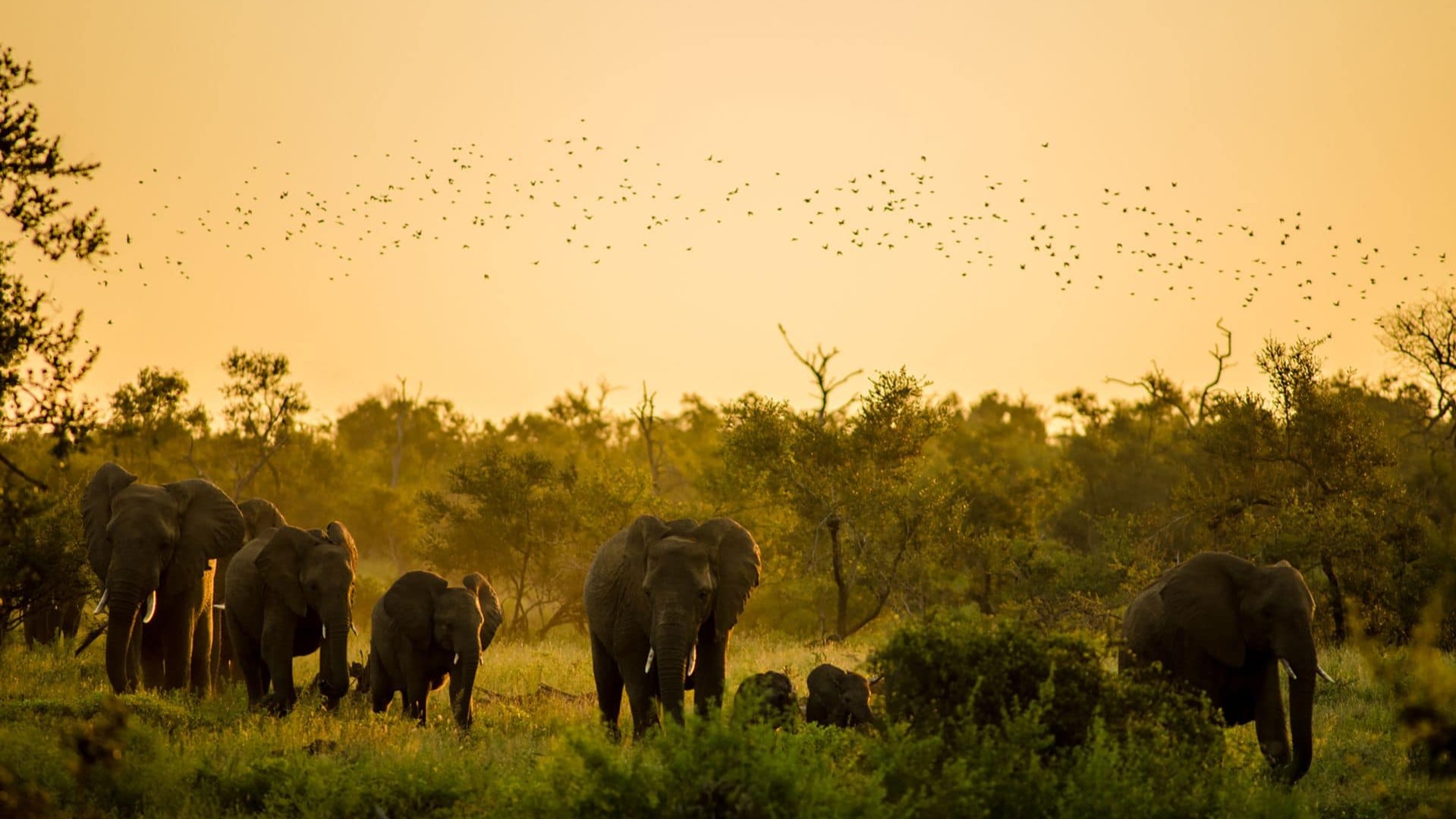
South Africa continues to make significant strides in its conservation efforts, with recent developments focusing on bolstering protection for iconic species through innovative technology and stronger community partnerships. According to the latest reports from major reserves, anti-poaching initiatives have expanded considerably, incorporating advanced surveillance tools and increased on-ground personnel. These updates represent a vital chapter in the ongoing battle to safeguard the country's rich biodiversity for future generations of travellers and wildlife enthusiasts alike.
This article examines the most current news on conservation across key protected areas, highlighting measurable progress in rhino and elephant protection while exploring how local involvement is reshaping outcomes. From expanded ranger deployments in KwaZulu-Natal to collaborative monitoring programmes in the Eastern Cape, these initiatives demonstrate a multifaceted approach that combines enforcement with sustainable development. For those planning a safari, understanding these advancements adds deeper context to every game drive and wildlife encounter.
The Rise of Technology in Anti-Poaching Operations
Recent news on conservation in South Africa reveals a marked increase in the deployment of drones and real-time monitoring systems across several flagship reserves. In Hluhluwe–Imfolozi Park, teams now utilise thermal imaging equipment that operates effectively during the critical night hours when most poaching incidents occur. These tools have contributed to a documented 28 percent reduction in successful rhino poaching incidents over the past 18 months, according to figures released by Ezemvelo KZN Wildlife in early 2024.
Ground-based sensor networks complement aerial surveillance, creating layered defence systems that alert rangers within minutes of unusual activity. Motion-activated cameras positioned along known animal corridors feed data directly into central command hubs, allowing for rapid response. Such integration of conservation efforts with modern technology has proven particularly effective in vast landscapes where traditional foot patrols alone cannot cover every kilometre.
The marriage of cutting-edge tools with dedicated human expertise is transforming how we protect South Africa's endangered wildlife, turning the tide against sophisticated criminal networks.
Drone Programmes Expanding Across Provinces
Building on pilot projects launched in 2021, drone fleets in Kruger National Park have grown from 12 units to over 40, with operators receiving specialised training through partnerships with local universities. These aircraft cover up to 150 square kilometres per shift, providing high-resolution imagery that helps identify both poachers and distressed animals requiring veterinary intervention. Similar programmes are now active in Addo Elephant National Park and the Waterberg Biosphere Reserve.
The data collected extends beyond immediate security applications. Ecologists analyse flight patterns and habitat usage to refine management strategies, creating a virtuous cycle where security measures directly inform scientific understanding. This holistic use of technology exemplifies the evolving nature of contemporary conservation efforts in the region.

Community Scouts Take Centre Stage in KwaZulu-Natal
One of the most encouraging aspects of recent conservation news concerns the expanding role of community scouts in KwaZulu-Natal's protected areas. Over 180 local residents from villages bordering Hluhluwe and Mkhuze reserves have completed intensive training programmes, learning tracking techniques, data collection methods, and basic wildlife monitoring skills. These scouts now form an integral part of the anti-poaching network while earning sustainable incomes that reduce reliance on subsistence activities that might conflict with conservation goals.
The programme has created tangible economic benefits, with participating households reporting average income increases of 42 percent according to an independent assessment conducted by the Wildlands Conservation Trust. This financial stability translates into greater community support for protected areas, as residents witness direct links between healthy wildlife populations and improved living standards. Such integration of social and environmental objectives represents a sophisticated evolution in how conservation efforts are designed and implemented.
When local knowledge combines with structured opportunity, entire communities become powerful allies in the preservation of natural heritage.
Training and Long-term Career Pathways
Scout training extends beyond basic field skills to include leadership development and environmental education components. Many participants progress to senior positions within conservation organisations, while others return to their communities as ambassadors for wildlife protection. This career progression pathway has helped shift perceptions, transforming conservation from an external imposition into a respected local profession.
Women now comprise 35 percent of the scout workforce in the region, bringing valuable perspectives and helping to engage female community members who traditionally have less direct interaction with reserve management. These gender-inclusive approaches strengthen social cohesion around conservation initiatives while broadening the talent pool available to protected area authorities.
Success Stories from Eastern Cape Reserves
Conservation efforts in the Eastern Cape demonstrate how targeted interventions can yield impressive results for specific species. In Addo Elephant National Park, the introduction of specialised monitoring collars on key breeding herds has allowed scientists to track movement patterns with unprecedented accuracy. This data has informed the creation of new water points and vegetation management strategies that support both elephant populations and the smaller species that share their habitat.
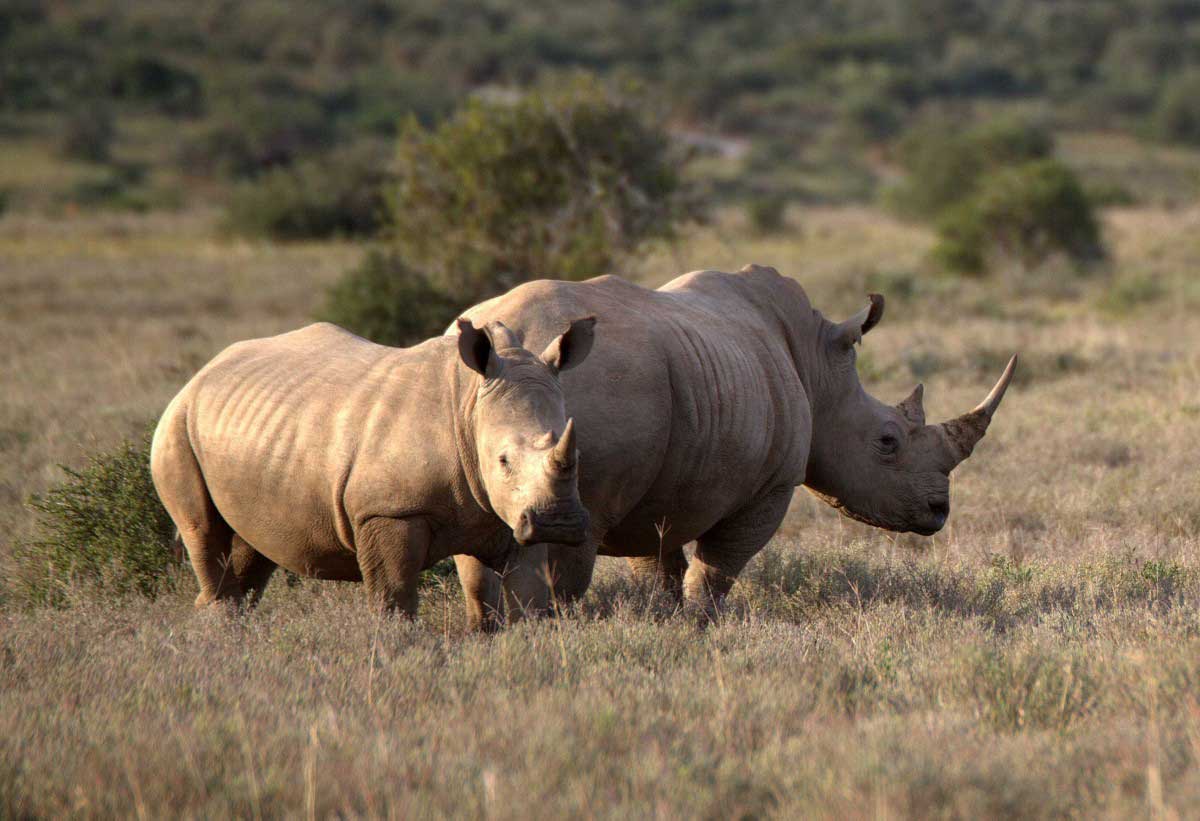
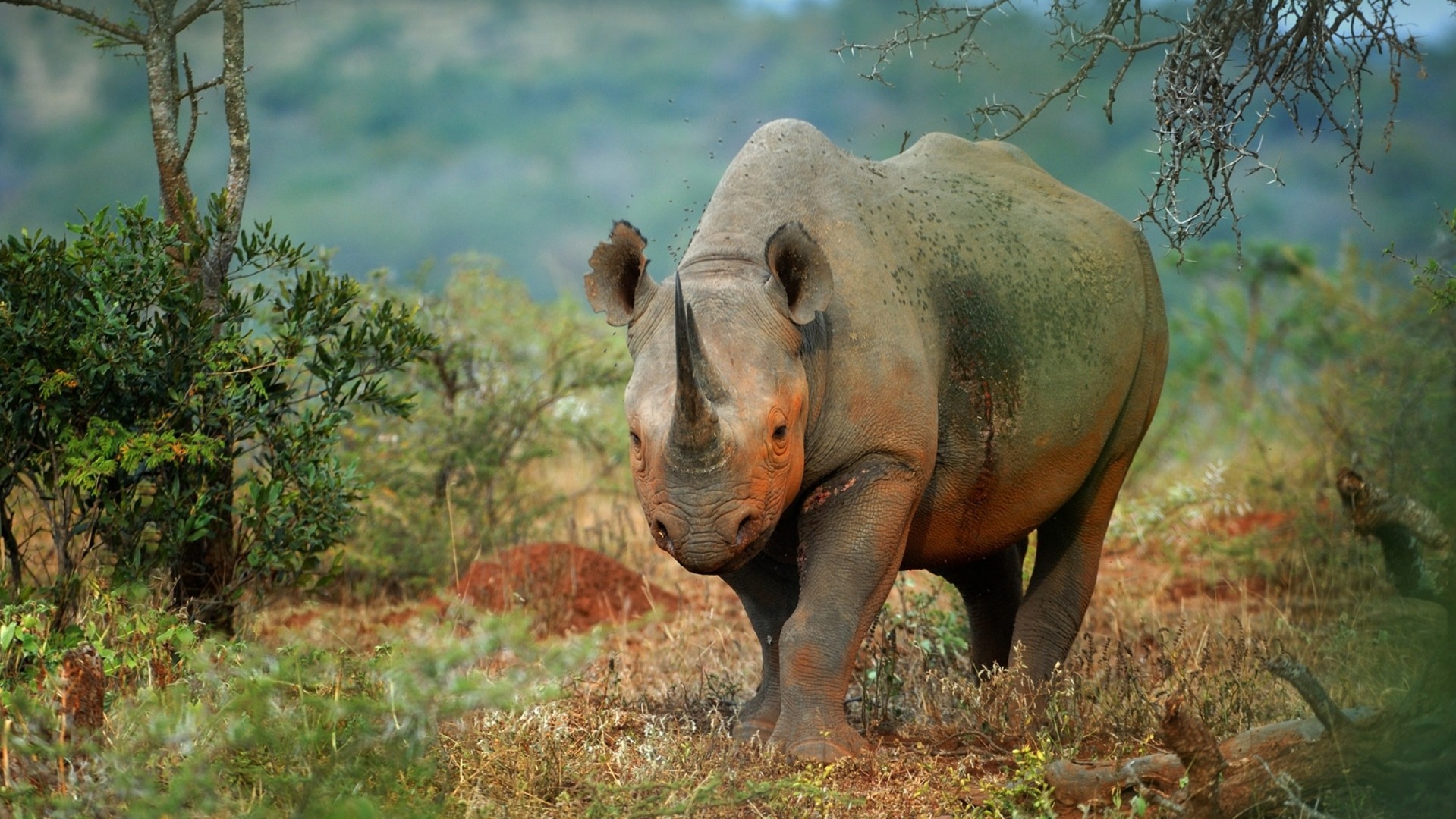
Further south along the coast, the Kariega Private Game Reserve has reported a 17 percent increase in black rhino numbers over three years through a combination of intensive protection and carefully managed breeding programmes. The reserve's collaboration with Kariega Private Game Reserve showcases how private sector involvement can complement state-led initiatives, creating a network of protected spaces that facilitate genetic exchange between populations.
These developments align with broader trends documented in our recent article examining how community partnerships are transforming wildlife protection across Africa, highlighting the importance of collaborative models in achieving sustainable outcomes.
Habitat Restoration Initiatives Gaining Momentum
Beyond direct species protection, substantial investment is flowing into habitat restoration projects that address the root causes of wildlife decline. In the Baviaanskloof region, teams have planted over 85,000 indigenous spekboom plants since 2022, creating carbon-sequestering corridors that connect fragmented ecosystems. These restoration zones not only benefit wildlife but also improve soil stability and water retention for surrounding agricultural lands.
Similar projects in the Garden Route area focus on removing invasive alien vegetation that has altered natural fire regimes and reduced available forage for native herbivores. The labour-intensive nature of this work provides employment for hundreds of local residents while delivering measurable improvements in biodiversity indices. These initiatives demonstrate how conservation efforts can simultaneously address climate change adaptation and economic development needs.
How Do These Conservation Efforts Impact Safari Experiences?
Many travellers wonder how news on conservation translates into changes they might notice during their time in the bush. The answer lies in both visible improvements and subtle shifts in how experiences are conducted. With stronger protection measures in place, wildlife viewing often becomes more rewarding as animals exhibit more natural behaviours, unthreatened by immediate danger from human predators.
Guides at forward-thinking camps now incorporate conservation updates into their presentations, helping guests understand the complex challenges facing the ecosystems they are privileged to visit. This educational component enriches the safari journey, transforming it from passive observation into active engagement with the stories behind each landscape and creature encountered.
At properties like Camp Figtree Addo, visitors can participate in optional conservation activities ranging from habitat monitoring to supporting anti-poaching equipment fundraising. These opportunities allow travellers to contribute directly to the initiatives they learn about, creating deeper connections between the safari experience and its long-term sustainability.
A truly meaningful safari journey now encompasses not only the thrill of wildlife encounters but also an understanding of the dedicated work required to ensure those encounters remain possible for decades to come.
Responsible Tourism as a Conservation Tool
The financial contribution of responsible tourism cannot be overstated. Revenue from high-value, low-impact visitors funds approximately 65 percent of anti-poaching operations in many private reserves, according to industry reports from 2023. By choosing operators who demonstrate genuine commitment to conservation efforts, travellers become active participants in the protection they witness.
Encounters Africa carefully selects its partner properties based on their verifiable contributions to local conservation programmes and community development. This approach ensures that every journey supports the news on conservation that continues to emerge from South Africa, creating positive feedback loops that benefit both wildlife and the people who share landscapes with them.
Looking Ahead: Future Priorities for South African Conservation
As these initiatives mature, attention is turning toward emerging challenges including climate change adaptation and the need for landscape-level connectivity between protected areas. Plans are underway to establish new wildlife corridors linking Addo with neighbouring community lands, potentially expanding the effective conservation estate by thousands of hectares while creating additional economic opportunities for rural populations.
Research into genetic diversity and disease management continues to inform breeding and translocation decisions, ensuring that South Africa's rhino and elephant populations remain resilient against both natural and human-induced pressures. International partnerships bring additional expertise and funding, while local innovation drives solutions specifically tailored to the country's unique contexts.
The coming years will likely see further integration of artificial intelligence in predictive policing of poaching threats, alongside expanded community-based natural resource management programmes. These developments build upon the solid foundation established through current conservation efforts, suggesting a trajectory of continued improvement in wildlife security and habitat integrity.
Supporting South Africa's Conservation Future
The progress outlined in recent news on conservation across South Africa reflects years of dedicated work by rangers, scientists, community leaders and conservation organisations. From technological innovations that enhance protection capabilities to social programmes that align community interests with wildlife preservation, these multifaceted approaches offer genuine hope for the long-term survival of the country's magnificent species.
Each success story, whether measured in reduced poaching incidents, increased birth rates or expanded habitat connectivity, represents countless hours of effort by people committed to a shared vision of coexistence between humans and wild places. As travellers, we have the privilege of witnessing these conservation efforts in action while contributing to their continuation through conscious choices about where and how we travel.
For discerning travellers seeking a private safari beyond our set itineraries, we invite you to contact us directly. We specialise in designing exceptional, tailor-made journeys for individuals, couples, families, and private groups of up to eight guests. Drawing on our handpicked network of distinguished camps and lodges, we curate every detail with precision and care, creating a seamless, deeply personal safari experience shaped entirely around your preferences, pace, and budget.
Whether your interests lie in learning more about specific conservation projects, experiencing the dramatic landscapes of the Eastern Cape, or observing the remarkable wildlife of KwaZulu-Natal, Encounters Africa can craft an itinerary that aligns with both your aspirations and the imperative to support meaningful conservation work. We encourage you to reach out through our enquiry form to begin planning a journey that contributes positively to the landscapes and communities you will come to cherish.
More like this
News
South Africa Updates Its Anti-Poaching Laws to Strengthen Safari Tourism Safeguards
news
South Africa Wildlife Headlines 2026: Reports Worth Reading Now
news
South Africa's 2026 Conservation News: Tourism's Direct Toll on Wildlife Reserves
news
South Africa's Tourism Sector Announces 2026 Visitor Incentives and Infrastructure Boosts
news
Tanzania 2026: Visitor Limits and Tech in Serengeti Conservation
News