News
South Africa Updates Its Anti-Poaching Laws to Strengthen Safari Tourism Safeguards
Encounters Africa - 9 min read
Updated on 5 August 2026
South Africa has introduced significant updates to its anti-poaching laws, directly impacting how safari tourism safeguards its iconic wildlife. These changes tighten penalties for offenders while introducing structured incentives for community involvement in monitoring programmes. The reforms signal a clear commitment to preserving the natural heritage that draws thousands of discerning travellers each year to South Africa.
Recent policy changes in South Africa combine stricter penalties for poachers with incentives for community-led monitoring, offering travelers clearer ways to support conservation through certified operators and ethical tour choices. As one of the continent's premier safari destinations, the country now aligns its legal framework more closely with the realities faced by both wildlife and the people who live alongside it. For those planning a journey focused on responsible wildlife encounters, understanding these developments provides valuable context.
The strength of any conservation effort ultimately rests on the shared commitment between authorities, communities and those who come to witness the wild places first-hand.
The New Legal Framework
The updated legislation, passed in late 2024, raises maximum sentences for poaching-related offences from 10 to 15 years for individuals and introduces substantial fines reaching up to ZAR 15 million for organised syndicates. This escalation addresses the growing sophistication of illegal wildlife trade networks that have targeted rhino and elephant populations for decades. Importantly, the laws now differentiate between opportunistic offenders and those involved in transnational criminal operations.
Provisions within the act also establish formal recognition for community wildlife monitors, granting them protected status when assisting law enforcement. This represents a shift from earlier approaches that sometimes viewed local residents as potential threats rather than partners. Training programmes funded through tourism levies will equip these monitors with technology ranging from smartphone reporting apps to basic tracking equipment.
Key Provisions Affecting Safari Operators
Safari companies must now demonstrate active support for anti-poaching initiatives to maintain their operating licences. This includes transparent reporting of any suspicious activity observed during game drives and financial contributions to neighbouring community conservancies. Operators who exceed minimum requirements receive certification that allows them to market themselves as "conservation partners" – a designation increasingly sought by informed travellers.
The legislation also mandates that a percentage of park entry fees directly funds anti-poaching technology, such as thermal imaging cameras and perimeter sensors around key reserves. These measures aim to create a more responsive protection system across both public and private lands.

By embedding community incentives into national law, South Africa acknowledges that lasting protection of its wildlife depends on economic alternatives to poaching.
How These Changes Strengthen Safari Tourism
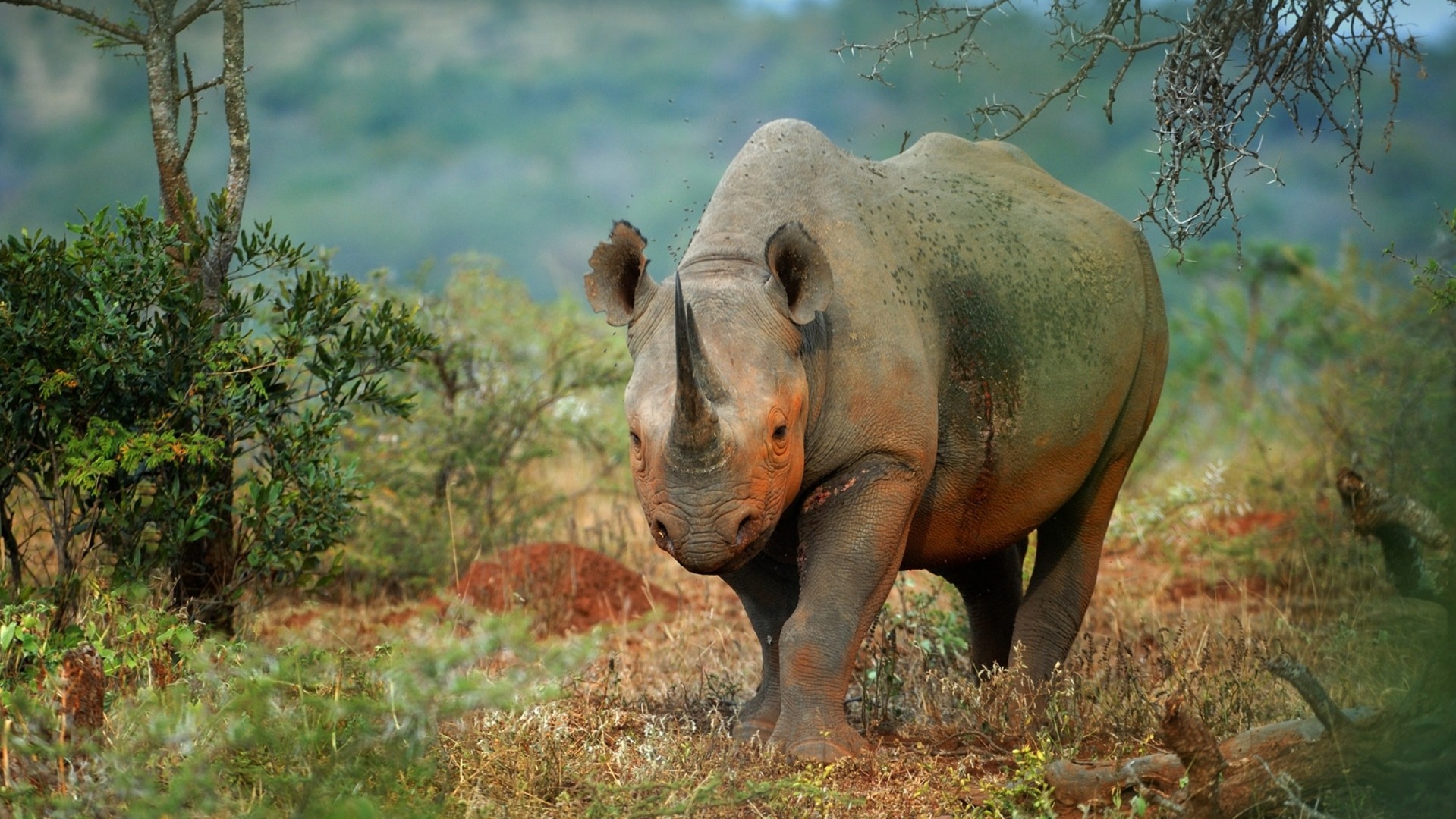
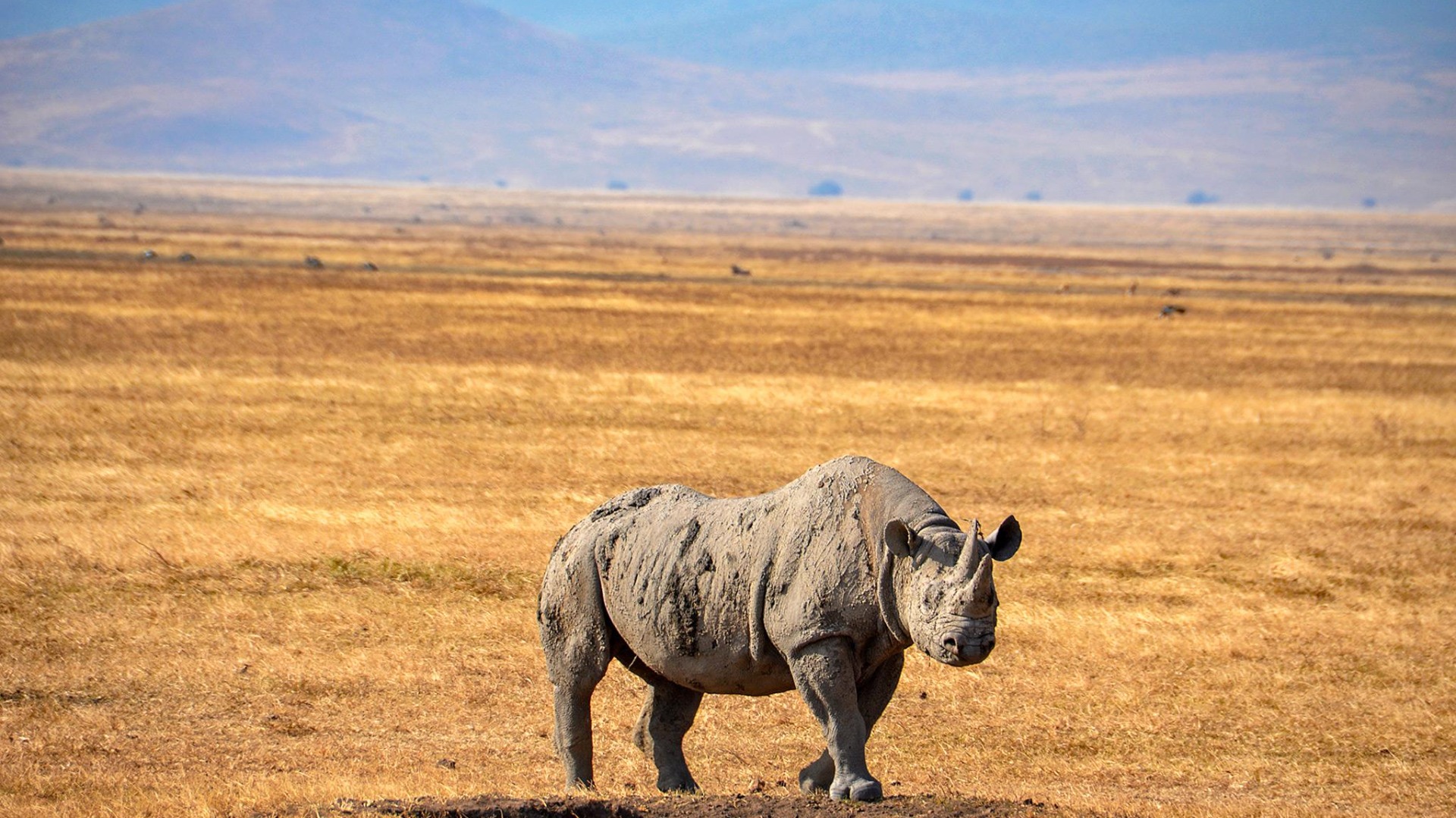
The connection between robust anti-poaching measures and thriving safari tourism has never been more explicit. With South Africa safeguarding approximately 80 percent of the world's remaining white rhinos, the health of these populations directly influences visitor experiences in reserves from the Eastern Cape to Limpopo. The new laws aim to stabilise and eventually grow these numbers through more effective deterrence and rapid response capabilities.
Travel operators report that clients increasingly request information about conservation credentials before booking. The updated legal framework provides clearer benchmarks for evaluating lodges and guides. Those working with certified conservation partners can now offer guests meaningful opportunities to understand and contribute to protection efforts during their stay.
Impact on Key Wildlife Destinations
In Addo Elephant National Park, where elephant numbers have steadily increased, the new measures will enhance protection of corridors linking to private reserves. Similarly, in the malaria-free Eastern Cape reserves such as Amakhala Game Reserve, community monitors will play expanded roles in tracking both wildlife movements and potential threats.
The Kruger National Park and its bordering private concessions stand to benefit substantially from increased penalties that target organised poaching rings. With rhino losses having decreased by nearly 30 percent between 2022 and 2024 through existing efforts, the strengthened legislation builds upon this progress with additional resources and clearer legal pathways for prosecution.
What This Means for Responsible Travellers
Discerning visitors now have more tangible ways to align their safari choices with meaningful conservation outcomes. Selecting operators that partner with community monitoring programmes ensures that a portion of each booking directly supports the new incentive structures. Many lodges have already begun incorporating visits to these initiatives into their itineraries, allowing guests to meet the people working at the frontline of wildlife protection.
Practical steps include asking specific questions about how a lodge or operator contributes to anti-poaching efforts. Reputable companies will readily share details about their training programmes, technological investments, and community partnerships. This transparency has become an important indicator of ethical operations in the post-reform landscape.
Choosing Certified Conservation Experiences
Look for operators affiliated with recognised conservation organisations or those displaying the new "Wildlife Guardian" certification. These designations confirm adherence to the updated standards and verify that funds are reaching community monitors and protection programmes. Several forward-thinking lodges now offer optional supplementary contributions that guests can make to specific anti-poaching projects during their stay.
The legislation also encourages photographic and observational tourism that avoids disrupting animal behaviour – an approach that aligns perfectly with the ethos of Encounters Africa. By maintaining respectful distances and following ethical viewing protocols, travellers help minimise stress on wildlife while supporting the economic case for its continued protection.
Each thoughtful choice made by visitors reinforces the message that living wildlife holds greater value than any product derived from its destruction.
Community Involvement and Economic Incentives
One of the most progressive aspects of the new laws is the formal integration of economic benefits for communities bordering protected areas. Previously, many residents saw limited direct advantages from wildlife conservation, creating conditions where poaching sometimes appeared as the only viable income source. The updated framework requires that a minimum of 25 percent of certain tourism revenues flow directly to communities through structured benefit-sharing agreements.
These funds support not only monitoring programmes but also education initiatives, skills development, and small business opportunities linked to sustainable tourism. Early results from pilot programmes in KwaZulu-Natal suggest that such approaches can reduce poaching incidents by creating genuine local stakeholdership in wildlife protection.
Success Stories from the Field
In the Waterberg region, community rangers supported by new incentive programmes have contributed to a 40 percent reduction in snare incidents over 18 months. Their intimate knowledge of local terrain and animal movements complements technological solutions, creating more effective protection networks than either approach could achieve alone.
Similar models are being scaled across the Hluhluwe–Imfolozi Park, where rhino populations have shown encouraging signs of recovery. The combination of stricter penalties with positive reinforcement for communities appears to be shifting the dynamics in favour of conservation across multiple landscapes.
The Broader African Context
While this article focuses on developments in South Africa, these changes reflect wider conversations across the continent about balancing protection with community needs. Neighbouring countries are watching closely to see how the incentive-based approach performs alongside traditional enforcement methods. The results may influence policy directions in several southern African nations where tourism and conservation are inextricably linked.
For those interested in comparative approaches, our recent exploration of Rwanda's enhanced protection strategies in Volcanoes National Park offers valuable perspective on different models being implemented across the region. Similarly, understanding how Kenya structures its community conservancies provides additional context for the evolving conservation landscape.
Technological Integration in Modern Protection
The new South African laws explicitly support the deployment of innovative technologies, from AI-assisted camera systems to drone surveillance in remote areas. When combined with community intelligence networks, these tools create multi-layered defence systems that adapt to changing poaching tactics. Several private reserves have already integrated these approaches with impressive results.
At Kariega Private Game Reserve, for example, the integration of real-time monitoring with community reporting has significantly improved response times to potential threats. Such examples demonstrate how the updated legal framework enables rather than restricts innovation in conservation practice.

Looking Ahead: Implications for Future Journeys
As these new measures take effect throughout 2025, travellers can expect to see more integrated conservation narratives woven into safari experiences. The emphasis on community partnership and transparent impact reporting aligns with the values of those seeking deeper connections with the places they visit. This evolution promises to enrich rather than restrict the quality of wildlife encounters.
The updates also signal to the international community that South Africa takes its role as steward of significant global biodiversity seriously. For a nation where tourism contributes substantially to GDP and rural employment, these legal reforms demonstrate a sophisticated understanding of how protection, community benefit and visitor experience must work in harmony.
Supporting Conservation Through Conscious Travel Choices
The recent evolution of South Africa's anti-poaching legislation offers a compelling reason to engage more thoughtfully with safari planning. By selecting experiences that directly support the new community monitoring frameworks, travellers become active participants in the protection of species that have come to symbolise Africa's wild spaces. This represents conservation not as something separate from tourism, but as an outcome strengthened by it.
Encounters Africa has long championed this integrated approach, working exclusively with partners who demonstrate genuine commitment to both wildlife and the communities who share their landscapes. Our specialists can help you navigate the new certification standards and identify experiences that align with your specific interests, whether that involves learning about rhino monitoring programmes or contributing to habitat restoration projects.
For discerning travellers seeking a private safari beyond our set itineraries, we invite you to contact us directly. We specialise in designing exceptional, tailor-made journeys for individuals, couples, families, and private groups of up to eight guests. Drawing on our handpicked network of distinguished camps and lodges, we curate every detail with precision and care, creating a seamless, deeply personal safari experience shaped entirely around your preferences, pace, and budget.
Whether your passion lies in understanding the intricate balance between wildlife protection and community development, or simply witnessing these magnificent animals in landscapes where they are truly valued, we can help craft a journey that leaves a positive legacy. The updates to South Africa's anti-poaching laws represent more than regulatory change – they signal an evolving relationship between people, wildlife and those privileged to move among them.
Visit our enquiry form to begin a conversation about creating a safari that supports the enduring protection of South Africa's remarkable natural heritage.
More like this

news
South Africa Wildlife Headlines 2026: Reports Worth Reading Now
news
South Africa's 2026 Conservation News: Tourism's Direct Toll on Wildlife Reserves

news
South Africa's Tourism Sector Announces 2026 Visitor Incentives and Infrastructure Boosts
news
Tanzania 2026: Visitor Limits and Tech in Serengeti Conservation
News
Tanzania Reports Sharp Rise in Key Wildlife Populations Across Northern Parks
News