photography
Transform Your Safari Shots: Master Golden Hour Lighting for Dramatic Wildlife Images
Encounters Africa - 8 min read
Updated on 19 August 2026
Golden hour on an African safari transforms ordinary wildlife photographs into images charged with atmosphere and narrative depth. The warm, directional light of sunset reveals texture in fur and feather, casts long dramatic shadows, and infuses scenes with a rich palette that flat midday sun simply cannot match. For those serious about elevating their safari photography, mastering this fleeting window of light is essential rather than optional.
The approved article excerpt states: Discover how to harness the warm, directional light of African sunsets to create depth, mood, and storytelling power in your wildlife photography instead of the usual flat silhouettes. With the right techniques, even a first-time photographer can return from Botswana or Kenya with frames that resonate far beyond the usual holiday snaps.
Why Golden Hour Matters for Safari Photography
Between 30 and 45 minutes after the sun touches the horizon, the light softens dramatically while retaining enough intensity to illuminate subjects with a honeyed glow. This period, known to photographers as golden hour, occurs twice daily yet the evening version often proves more productive on safari because animals tend to be active as temperatures drop.
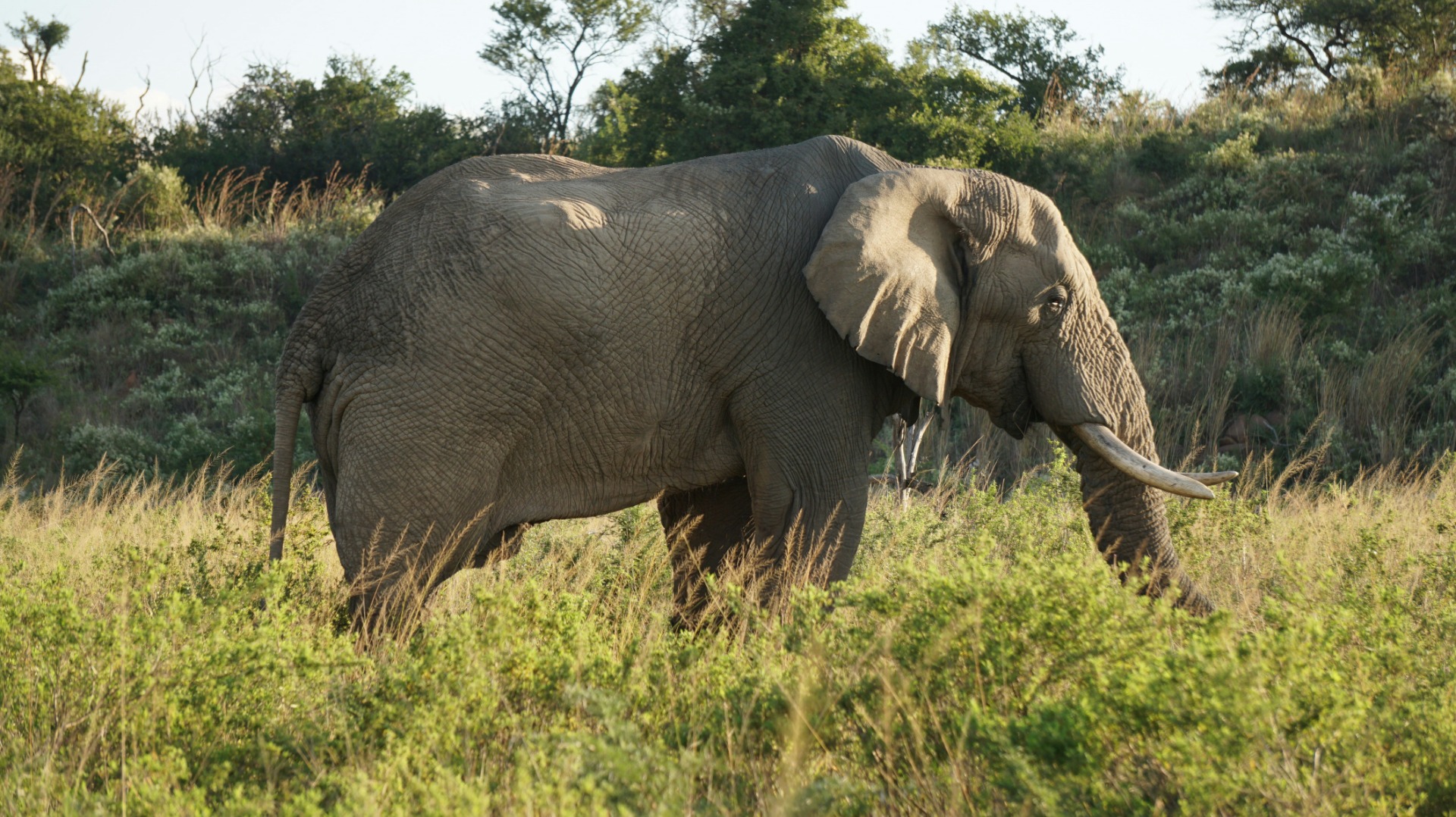
At this time, the sun sits low, creating side-lighting that sculpts form and emphasises the curve of a lion’s mane or the ripple of an elephant’s skin. Colours shift toward rich ambers, burnt oranges, and deep crimsons, lending emotional weight to every composition. The result is rarely the harsh contrast or silhouetted shapes that plague midday attempts.

The difference between a competent safari photograph and a memorable one often comes down to nothing more sophisticated than waiting for the sun to behave like an artist rather than a spotlight.
The Science of Warm Light
As sunlight travels through more atmosphere near the horizon, shorter blue wavelengths scatter away, leaving longer red and orange rays to dominate. This natural filter not only warms the colour temperature but reduces overall contrast, allowing detail to be retained in both highlights and shadows. Professional guides at camps such as Duba Plains Camp often position vehicles specifically to take advantage of this phenomenon.
Essential Camera Settings for Golden Hour Wildlife
Successful sunset photography on safari requires adapting quickly to rapidly changing light. Begin with aperture priority mode set between f/5.6 and f/8 to maintain sharpness across an animal while allowing pleasing background separation. Keep ISO low, ideally between 100 and 400, to preserve image quality as the light fades.
Shutter speeds will naturally drop as the sun descends; anything below 1/250th of a second risks motion blur when photographing moving subjects. Experienced travellers therefore carry monopods or rest cameras on beanbags provided by most quality operators. Spot metering on the subject’s face prevents the camera from being fooled by bright skies.
White Balance Considerations
While auto white balance performs adequately, switching to daylight or cloudy presets often delivers more pleasing warmth. For complete control, shoot in RAW and adjust colour temperature later in post-production. Many photographers deliberately underexpose by a third to half a stop to retain highlight detail in fiery skies.
Composition Techniques That Harness Sunset Light
Positioning is everything during these precious minutes. Placing the sun behind your subject creates striking rim lighting that outlines feathers or fur with gold. Conversely, shooting with the sun to one side produces long shadows that add depth and lead the viewer’s eye through the frame.
Rule of thirds remains relevant but should be broken when dramatic light demands otherwise. A lone zebra against a burning sky gains power when placed off-centre, allowing negative space to emphasise isolation. Including environmental elements such as acacia silhouettes or distant hills provides scale and context that purely tight portraits often lack.
Great safari images rarely show the entire animal; instead they reveal something essential about its relationship with the land at that precise moment of day.
Working with Silhouettes Creatively
Rather than accepting flat black shapes against orange skies, seek moments when an animal’s outline reveals behaviour. A giraffe bending to drink, two impala sparring, or a leopard draped along a branch become infinitely more compelling when captured as recognisable silhouettes. Expose for the sky and let the subject fall into shadow for maximum impact.
Common Mistakes That Produce Boring Safari Photos
The most frequent error occurs when travellers continue shooting long after the light has lost its magic. Once the sun drops below the horizon and the sky turns muddy blue, results flatten dramatically. Knowing when to pack away the camera proves as important as knowing when to raise it.
Another pitfall involves failing to anticipate animal movement. Golden hour moves swiftly; spending ten minutes adjusting settings while a pride of lions walks into perfect light guarantees disappointment. Pre-setting exposure and focus limits allows immediate response when opportunities arise.
Over-Reliance on Telephoto Lenses
While 400mm or 600mm optics prove invaluable, restricting oneself to long glass misses wider storytelling opportunities. A 70-200mm zoom or even a 24-70mm lens can capture compelling environmental portraits that show wildlife within its habitat during the magic hour. Varying focal lengths throughout a drive produces a more dynamic portfolio.
Advanced Techniques for Dramatic Wildlife Images
Backlighting creates ethereal effects when dust or mist hangs in the air. Elephants kicking up powder at a waterhole transform into glowing apparitions as light catches each particle. Similarly, shooting through foreground grass or branches adds atmospheric layers that elevate an image from documentary to artistic.
Panning with moving subjects at slower shutter speeds introduces controlled blur that conveys energy and speed. A cheetah sprinting across the savanna at 1/60th of a second against a warm backdrop produces paintings rather than photographs. This technique requires practice yet rewards persistence handsomely.
In the final minutes before darkness claims the landscape, the light becomes almost liquid, coating every surface with molten colour that no midday sun can replicate.
Practical Field Tips from Professional Guides
Experienced rangers understand how animals behave at dusk and will position vehicles accordingly. Communicate your photographic goals clearly at the start of each drive so guides can select vantage points that work with prevailing light. In places like the Masai Mara, this might mean arriving early at a river crossing to secure the best angle as the sun drops.
Carry a small torch with red filter to check settings without ruining night vision. Lens hoods become crucial to prevent flare when shooting toward the sun, though occasional controlled flare can add artistic warmth. Most importantly, remain present in the moment rather than constantly viewing the world through an LCD screen.
Equipment Recommendations for Sunset Safaris
A robust DSLR or mirrorless body with good high-ISO performance forms the foundation. Fast telephoto lenses with wide maximum apertures (f/2.8 or f/4) prove most versatile. A sturdy yet lightweight tripod or beanbag, polarising filter, and spare batteries round out an effective kit. Weight limits on light aircraft in regions like the Okavango Delta require careful selection.
What Makes a Safari Photograph Truly Compelling
Technical excellence alone rarely moves viewers. The strongest images combine beautiful light with genuine behaviour, environmental context, and emotional resonance. A simple portrait of a lion becomes extraordinary when bathed in sunset light that echoes the colour of its eyes and hints at the approaching night hunt.
Consider the story each frame tells. Does it reveal something about the animal’s life, its environment, or the fleeting interaction between predator and prey? The most successful photographers wait for these narrative moments rather than firing at everything that moves.

Transform Your Safari Shots: Master Golden Hour Lighting for Dramatic Wildlife Images
Putting these principles into practice requires both preparation and patience. Study weather patterns before departure, understand the behaviour of target species, and arrive at locations with time to spare. The most rewarding images often emerge in the final ten minutes when most travellers have already packed away their cameras.
Remember that light quality changes dramatically across seasons. The dustier dry months in southern Africa produce more atmospheric conditions, while East Africa’s shorter grasses during the dry season create cleaner sightlines. Researching these variations helps set realistic expectations and increases success rates.
Conclusion
Mastering golden hour lighting represents one of the most accessible yet powerful ways to elevate your wildlife photography from ordinary to exceptional. The techniques outlined here require no expensive new gear, simply a willingness to observe, adapt, and wait for the light to work its particular magic on the African landscape.
For discerning travellers seeking a private safari beyond our set itineraries, we invite you to contact us directly. We specialise in designing exceptional, tailor-made journeys for individuals, couples, families, and private groups of up to eight guests. Drawing on our handpicked network of distinguished camps and lodges, we curate every detail with precision and care, creating a seamless, deeply personal safari experience shaped entirely around your preferences, pace, and budget.
Whether you wish to focus on photography in specific locations or combine image-making with broader wildlife experiences, reach out to Encounters Africa to begin planning your next journey. Our team understands both the technical aspects of capturing remarkable images and the deeper joy of experiencing Africa’s wild places at the perfect moment.
More like this
Photography
Twenty Field-Tested Photography Insights That Transform Your African Safari Shots
Photography
What Emerges When You Photograph Rwanda’s Gorillas Before the Mist Clears
Photography
What Happens When Your Lens Meets a Leopard at Dawn in Sabi Sand
Photography
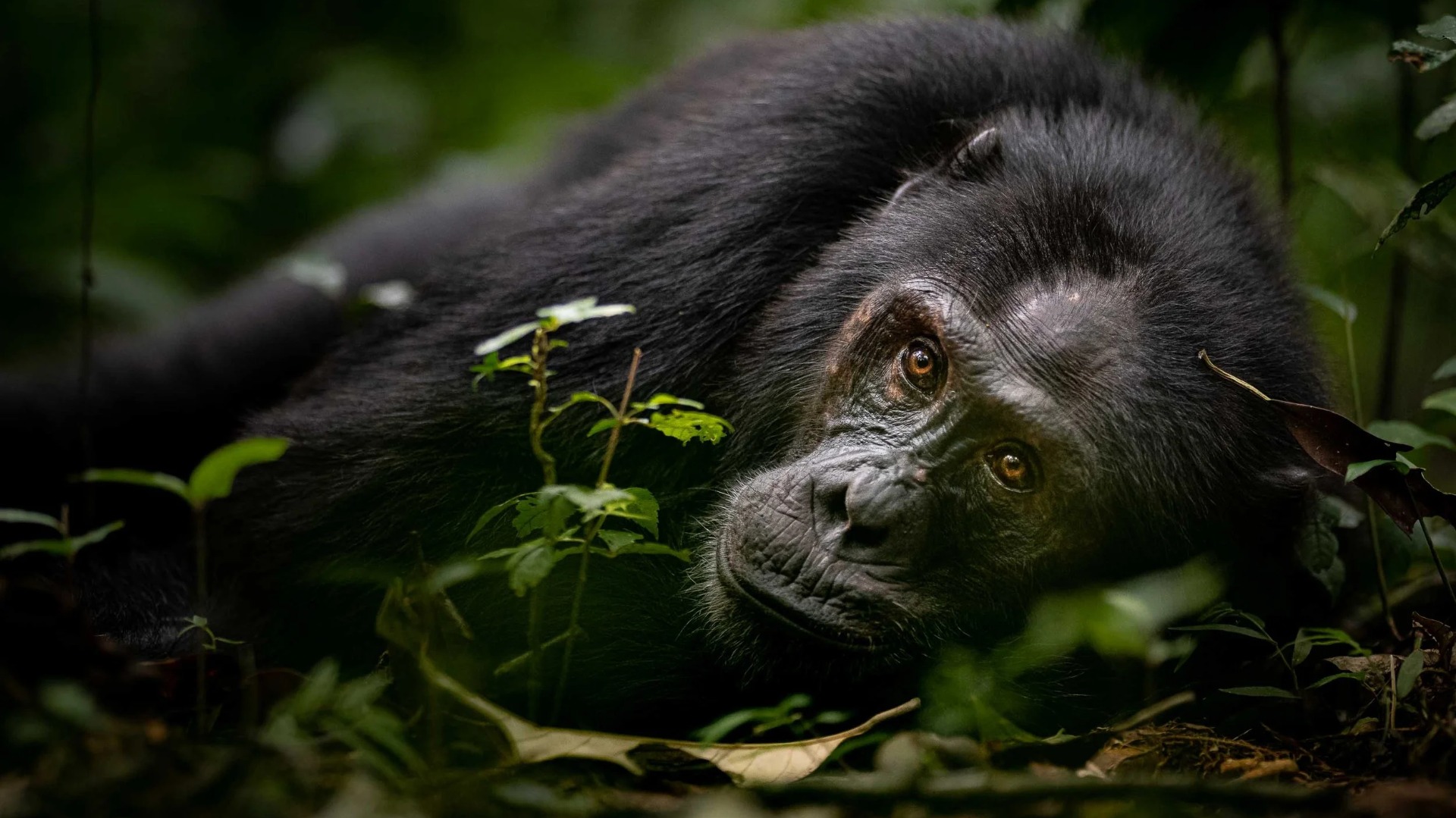
What Photographers Learn When They Track Gorillas at First Light in Uganda
Photography
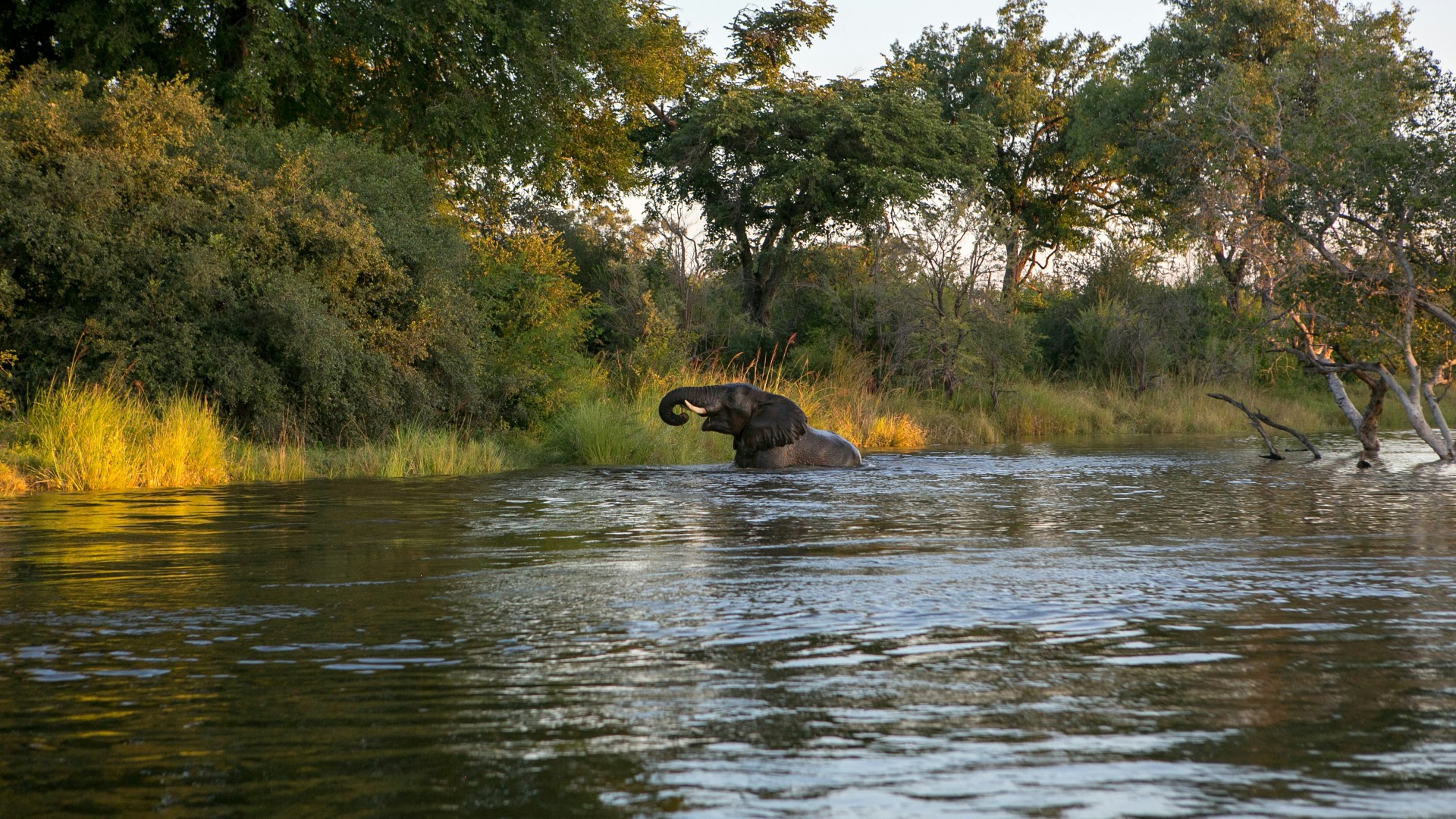
What the Lower Zambezi Taught Me About Patience Behind the Lens
Photography