Photography
Through the Viewfinder: How Zimbabwe's Landscapes Reshape What Photographers Notice
Encounters Africa - 9 min read
Updated on 29 June 2026
Zimbabwean wildlife photography rewards those who approach it with patience and an open eye. The country's granite outcrops, ancient baobabs and vast floodplains invite a slower, more considered style of photography in Zimbabwe. This distinctive terrain and the particular quality of its light patterns encourage photographers to move beyond standard safari compositions toward more personal and revealing work. Encounters Africa has guided many travellers through these landscapes, witnessing how the environment itself reshapes what ends up in the frame.
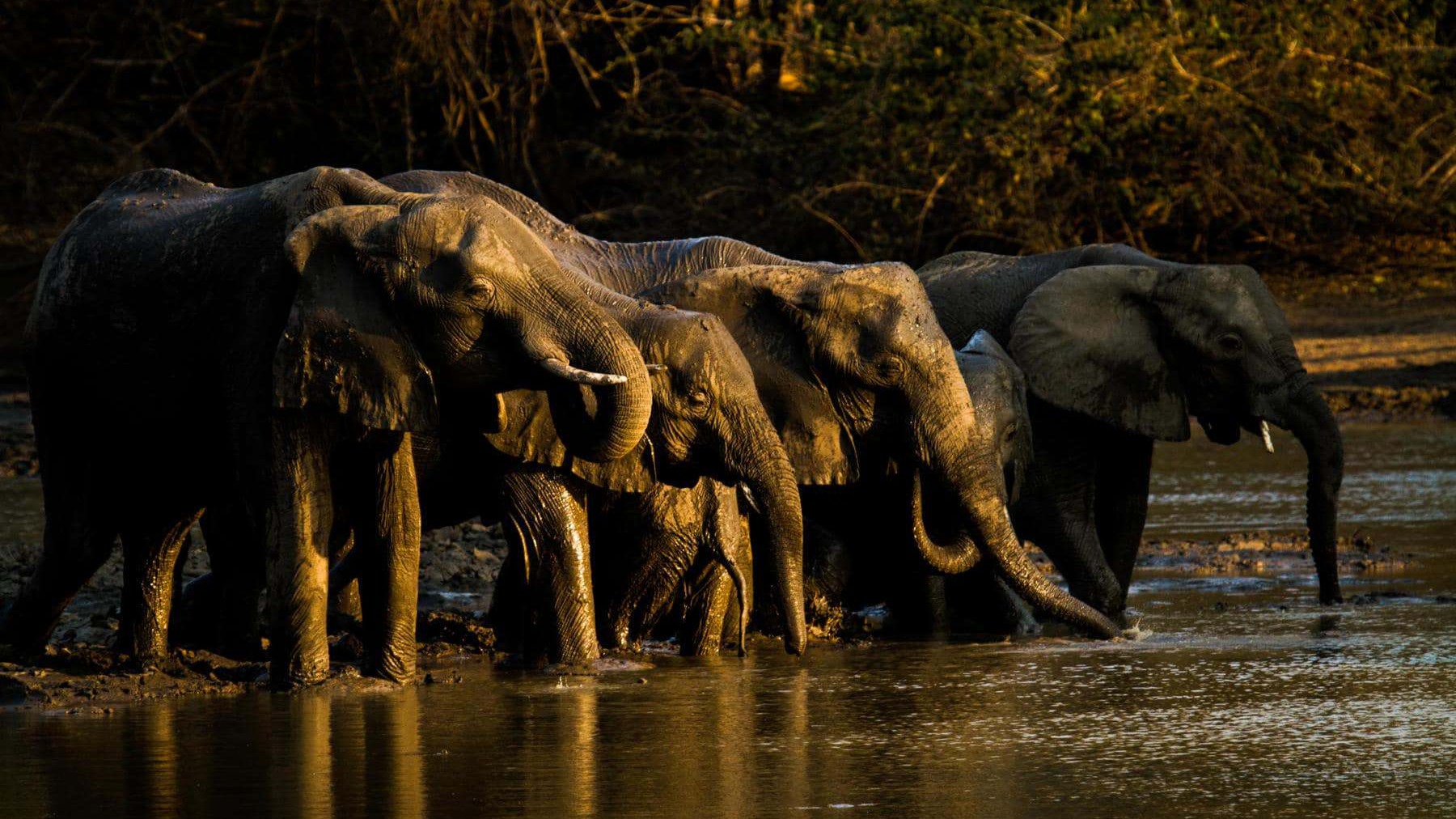
From the elephant herds of Mana Pools to the painted dogs of Hwange, Zimbabwe offers intimate access that fewer vehicles make possible. The best time to visit for photography is typically the dry season between May and October, when animals concentrate around water sources and the light takes on a warm, golden hue during the extended hours of dawn and dusk. Whether you are an experienced professional or an enthusiastic amateur, the country invites you to notice details that might otherwise be overlooked.
In Zimbabwe the land does not simply provide a backdrop; it actively dictates the pace at which you must work and the stories you are able to tell through your lens.
The Unique Character of Light in Zimbabwean Landscapes
Zimbabwe's position on the highveld plateau creates atmospheric conditions that differ markedly from those found in neighbouring countries. The dry, clear air allows light to travel with unusual clarity, while the granite kopjes scatter reflections in ways that can transform an ordinary scene into something remarkable. Early morning mist rising from the Zambezi River or the soft dust kicked up by buffalo herds adds layers of texture that reward careful observation.
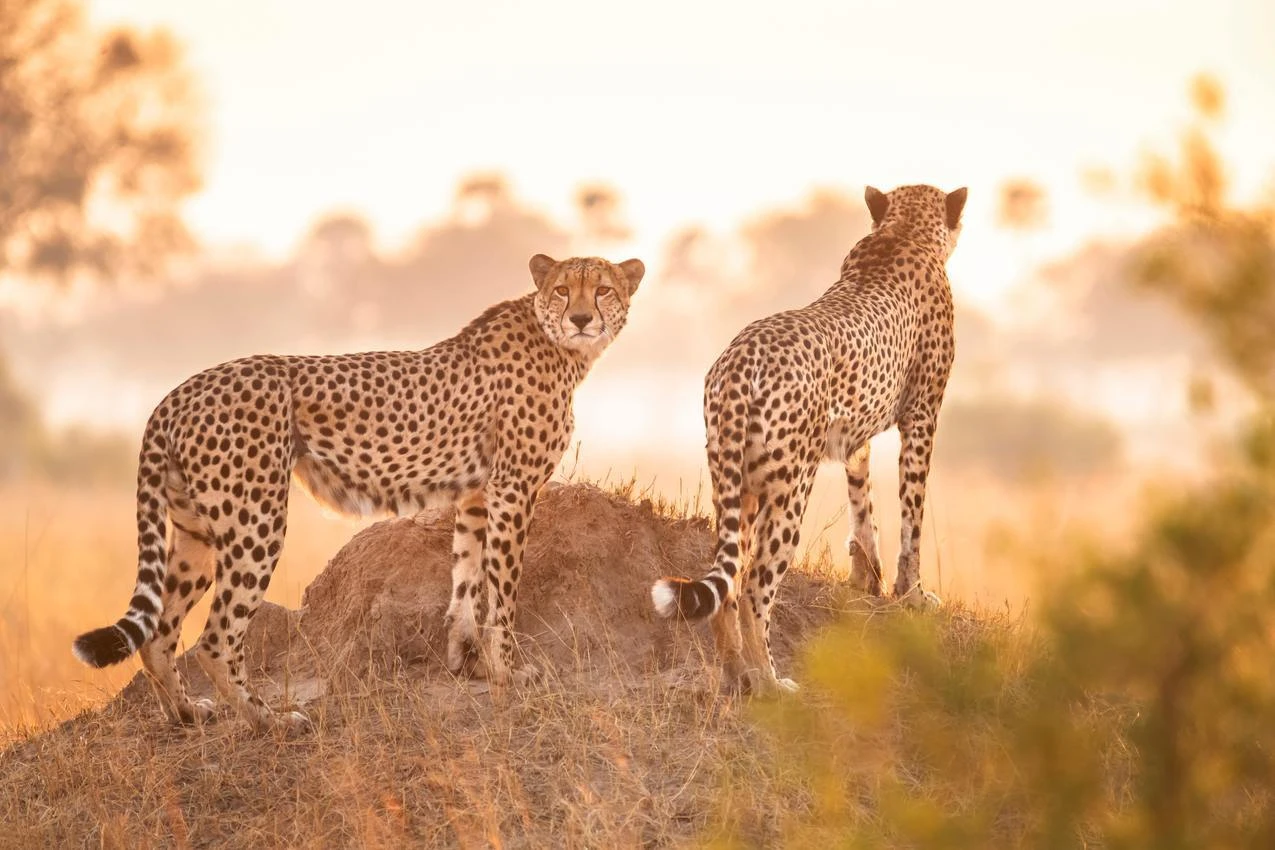
During the golden hours, which in this part of Africa can stretch for nearly two hours in the shoulder seasons, the light takes on a rich, saturated quality. Photographers who understand how to work with these extended periods often produce their most compelling images. The intense midday sun, by contrast, creates harsh contrasts that challenge even seasoned professionals to find creative solutions.
At Chobe Game Lodge, just across the border but with frequent day visits into Zimbabwean territory, guests frequently comment on how the changing light throughout the day influences their approach. Similar observations apply throughout Zimbabwe, where the interaction between light and ancient landforms creates endless opportunities for thoughtful composition.
Working with Seasonal Variations
The transition between wet and dry seasons dramatically alters photographic possibilities. In the green season from November to April, vibrant foliage and dramatic storm clouds offer opportunities for colourful, atmospheric images, though animals can be more dispersed. The dry months concentrate wildlife and create stark, graphic compositions against parched landscapes.
Understanding these seasonal shifts allows photographers to select the right moment for their particular vision. Many of our travellers choose to combine two different camps during a single journey to experience both conditions and return home with a more complete visual story.
Iconic Locations for Zimbabwean Wildlife Photography
Mana Pools National Park stands out as one of the premier destinations for immersive photography. The floodplains along the Zambezi allow visitors to walk among elephants and other wildlife with experienced guides, creating opportunities for ground-level perspectives that are rare elsewhere. The iconic sausage trees and fallen figs provide natural frames that can elevate simple wildlife portraits into environmental narratives.
Hwange National Park, Zimbabwe's largest protected area, offers excellent chances to photograph wild dogs, one of Africa's most endangered predators. With a healthy population of roughly 300 to 400 painted wolves, the park provides some of the best opportunities on the continent to document their complex social behaviour. The park's numerous waterholes become natural stages during the dry season, where patient observation can yield remarkable behavioural sequences.
Patience in Hwange is not simply a virtue but a practical necessity that separates good photographs from truly memorable ones.
In the southeast, Gonarezhou National Park presents a more rugged and remote experience. Its dramatic sandstone cliffs and the Save-Runde river confluence create striking backdrops for images of elephants and other species. The park's lower visitor numbers, typically fewer than 10,000 per year compared to hundreds of thousands in more popular destinations, mean you can often have entire landscapes to yourself and your guide.
Lesser-Known Photographic Gems
Beyond the famous parks, several private concessions offer exclusive access that can transform a photographic safari. The Save Valley Conservancy spans over 3,400 square kilometres and supports significant populations of black rhino, which are particularly rewarding to photograph at first light when they emerge from thick bush.
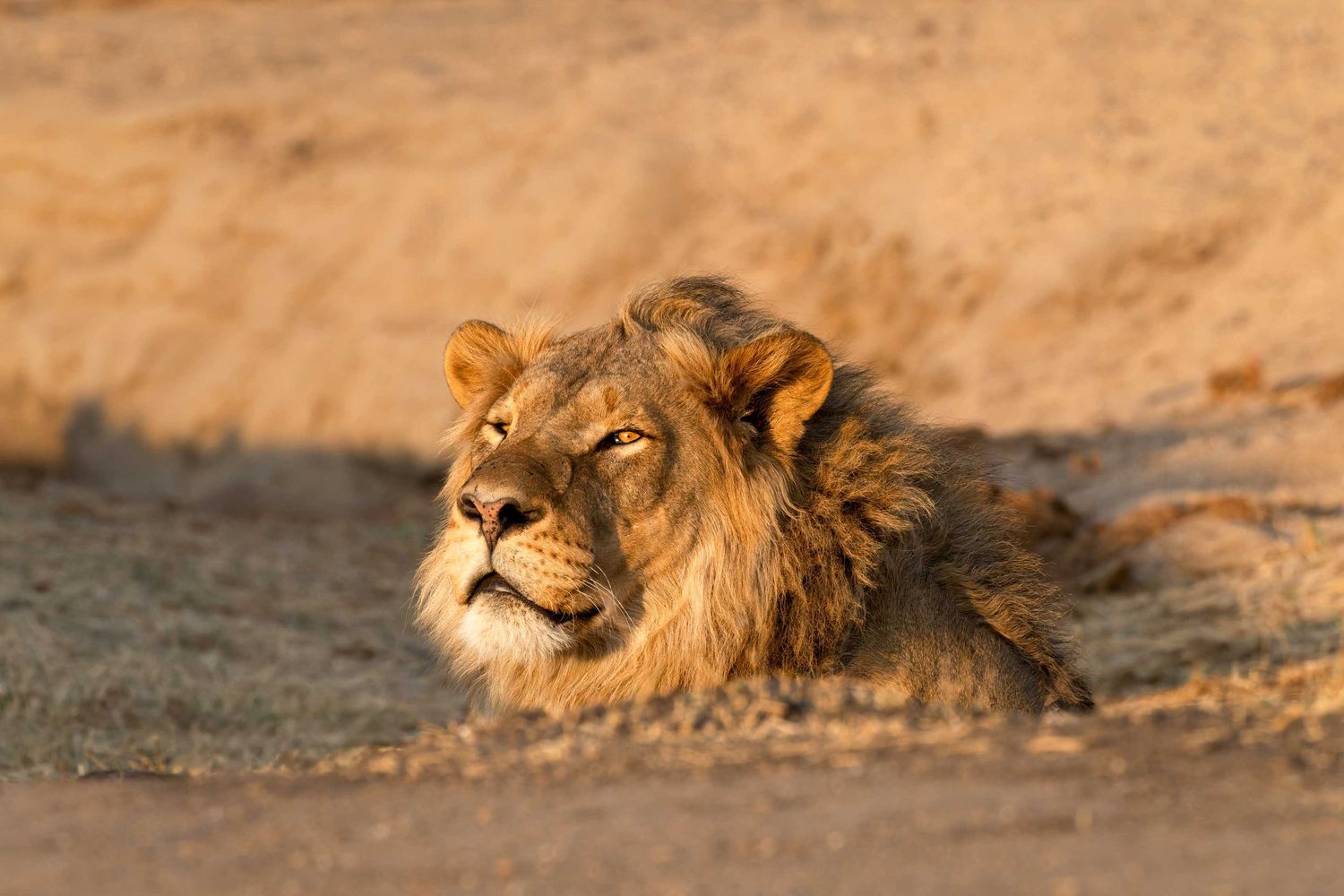
The Bubye Valley Conservancy in the south hosts one of Africa's densest lion populations, with approximately 400 individuals. Here, the open terrain and good vehicle access allow for creative low-angle photography that captures the power and grace of these predators in their natural environment.
Techniques That Capture Zimbabwe's Distinctive Character
Zimbabwean wildlife photography benefits from an approach that emphasises observation over rapid shooting. The country's relatively low visitor numbers, estimated at around 20 percent of regional averages, mean animals tend to behave more naturally, allowing for more authentic behavioural photography.
Many successful images from Zimbabwe come from spending extended periods with a single subject or group. A herd of elephants crossing a dry riverbed, captured not as a quick snapshot but as a carefully composed sequence showing their interaction with the landscape, tells a far richer story than isolated portraits.
Consider using slower shutter speeds to convey movement, particularly with species like wild dogs during their characteristic trotting gait. Or explore the use of natural frames provided by vegetation or rock formations, a technique that works particularly well with Zimbabwe's varied terrain.
Equipment Considerations for Zimbabwean Conditions
The dusty environment of the dry season requires careful protection of camera equipment. Many photographers find that bringing a weather-sealed body and lenses, along with proper cleaning kits, prevents frustrating interruptions. A versatile zoom lens in the 100-400mm or 200-500mm range proves invaluable for adapting to changing distances while maintaining a respectful distance from wildlife.
For those interested in more artistic interpretations, a macro lens can reveal the intricate patterns of spider webs catching the morning dew or the textured bark of ancient baobabs that can be as compelling as the animals themselves. Drone photography, where permitted, offers new perspectives on the scale of floodplains and animal movements across vast landscapes.
The Role of Local Knowledge and Conservation Photography
Working with experienced local guides transforms photographic opportunities in Zimbabwe. Their intimate knowledge of animal behaviour and seasonal patterns allows for positioning that maximises both the quality of light and the potential for compelling behaviour. Many guides have developed their own photographic skills and can suggest compositions that visitors might otherwise miss.
Conservation photography has become increasingly important in Zimbabwe, where images help raise awareness about challenges facing species like the black rhino and African wild dog. Several lodges work with visiting photographers to document specific projects, creating images that support fundraising and awareness campaigns.
The most powerful photographs often emerge not from technical perfection but from genuine connection with both the subject and the deeper story of the land.
Supporting Communities Through Your Lens
Many photographic safaris now include visits to community projects where travellers can document the positive impact of conservation tourism. These experiences add another dimension to a photography-focused journey, allowing for portraits and cultural documentation that complement the wildlife images.
Our partners in Zimbabwe work closely with local communities, ensuring that photographic tourism contributes directly to both wildlife protection and human development. This integrated approach creates more meaningful travel experiences that extend beyond simply capturing beautiful images.
Planning Your Photographic Journey in Zimbabwe
Successful Zimbabwean wildlife photography requires thoughtful planning around both seasons and locations. The shoulder months of April/May and October/November often provide the best combination of fewer visitors, excellent wildlife concentrations, and beautiful transitional light. Daytime temperatures during these periods typically range from 20°C to 28°C, making for comfortable working conditions.
Combining Mana Pools with Hwange creates an excellent two-centre itinerary that showcases different habitats and species. For those with more time, adding a few days in the southeast allows for a more comprehensive experience of Zimbabwe's varied landscapes. A typical 10-day photographic safari might include 4 nights in Mana Pools, 4 nights in Hwange, and 2 nights at a private concession for more exclusive access.
For discerning travellers seeking a private safari beyond our set itineraries, we invite you to contact us directly. We specialise in designing exceptional, tailor-made journeys for individuals, couples, families, and private groups of up to eight guests. Drawing on our handpicked network of distinguished camps and lodges, we curate every detail with precision and care, creating a seamless, deeply personal safari experience shaped entirely around your preferences, pace, and budget.
Developing Your Photographic Eye in Zimbabwe
Beyond the technical aspects, spending time in Zimbabwe encourages a different way of seeing. The vastness of the landscapes, the ancient shapes of the granite formations, and the particular quality of African light invite contemplation. Many returning travellers speak of how their time photographing in Zimbabwe changed not just their portfolio but their entire approach to image-making.
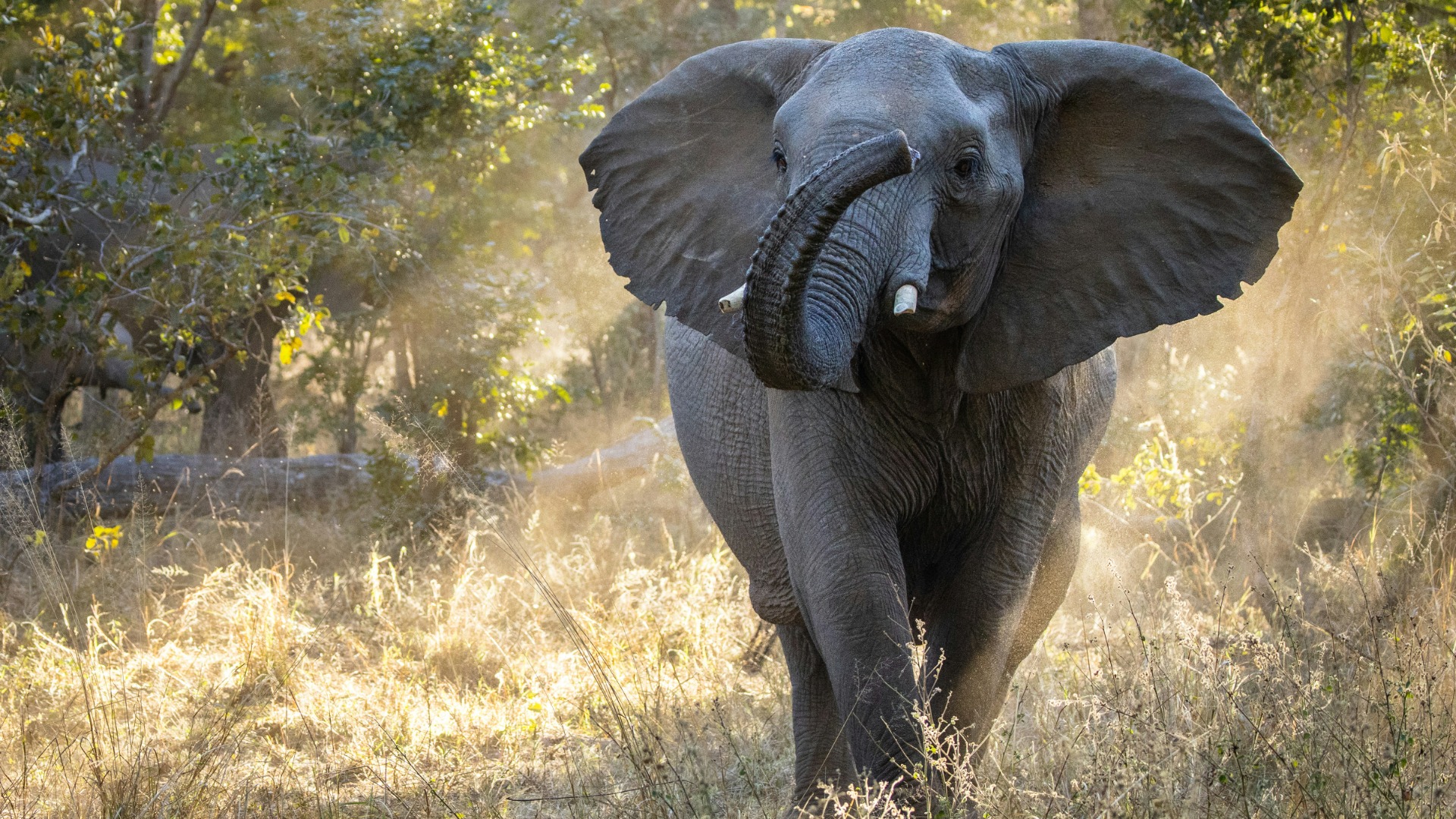
The country offers a masterclass in patience and observation that benefits photographers long after they have returned home. Whether capturing the intricate social dynamics of a wild dog pack or the majestic silhouette of an elephant against a fiery sunset, the images created here tend to carry a distinctive character that speaks of both place and personal connection.
Related reading on our blog includes our exploration of photographic storytelling in neighbouring Zambia and how Botswana's ecosystems translate into memorable frames. These pieces complement the Zimbabwe experience by highlighting regional differences in light, terrain and wildlife behaviour.
Photography in Zimbabwe ultimately offers more than impressive images for your collection. It provides an opportunity to slow down, to notice details, and to develop a deeper appreciation for one of Africa's most rewarding wildlife destinations. The resulting photographs often become treasured reminders of both the animals encountered and the personal growth experienced along the way.
Whether you are drawn to the technical challenges of low light photography at dawn, the behavioural complexity of predator-prey interactions, or the abstract beauty found in landscape details, Zimbabwe has something distinctive to offer. The country's relative underdevelopment of mass tourism has preserved an authenticity that translates powerfully through the camera lens.
For those looking for a private safari beyond our set itineraries, we would be delighted to hear from you directly. We specialise in creating beautifully tailored journeys for solo travellers, couples, families, and private groups of up to eight guests. Through our trusted network of carefully selected camps and lodges, we craft each safari around your individual interests, preferred pace, and budget, ensuring a seamless and deeply personal experience from beginning to end. Please visit our enquiry form to begin planning your photographic journey through Zimbabwe's remarkable landscapes.
More like this
Photography
Top 10 Photography Tips for Zimbabwe: Practical Advice for Capturing Its Dramatic Landscapes
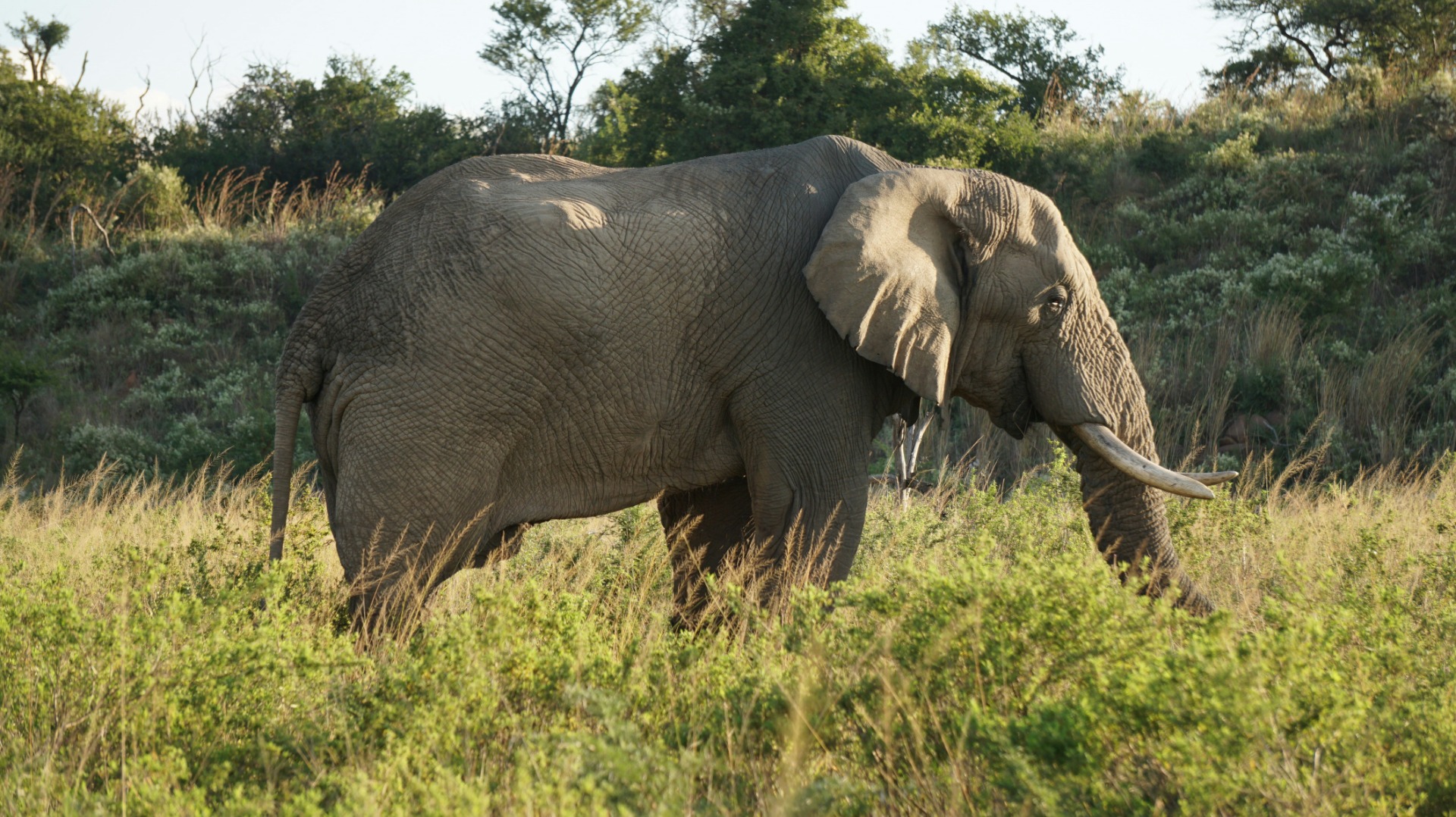
photography
Transform Your Safari Shots: Master Golden Hour Lighting for Dramatic Wildlife Images
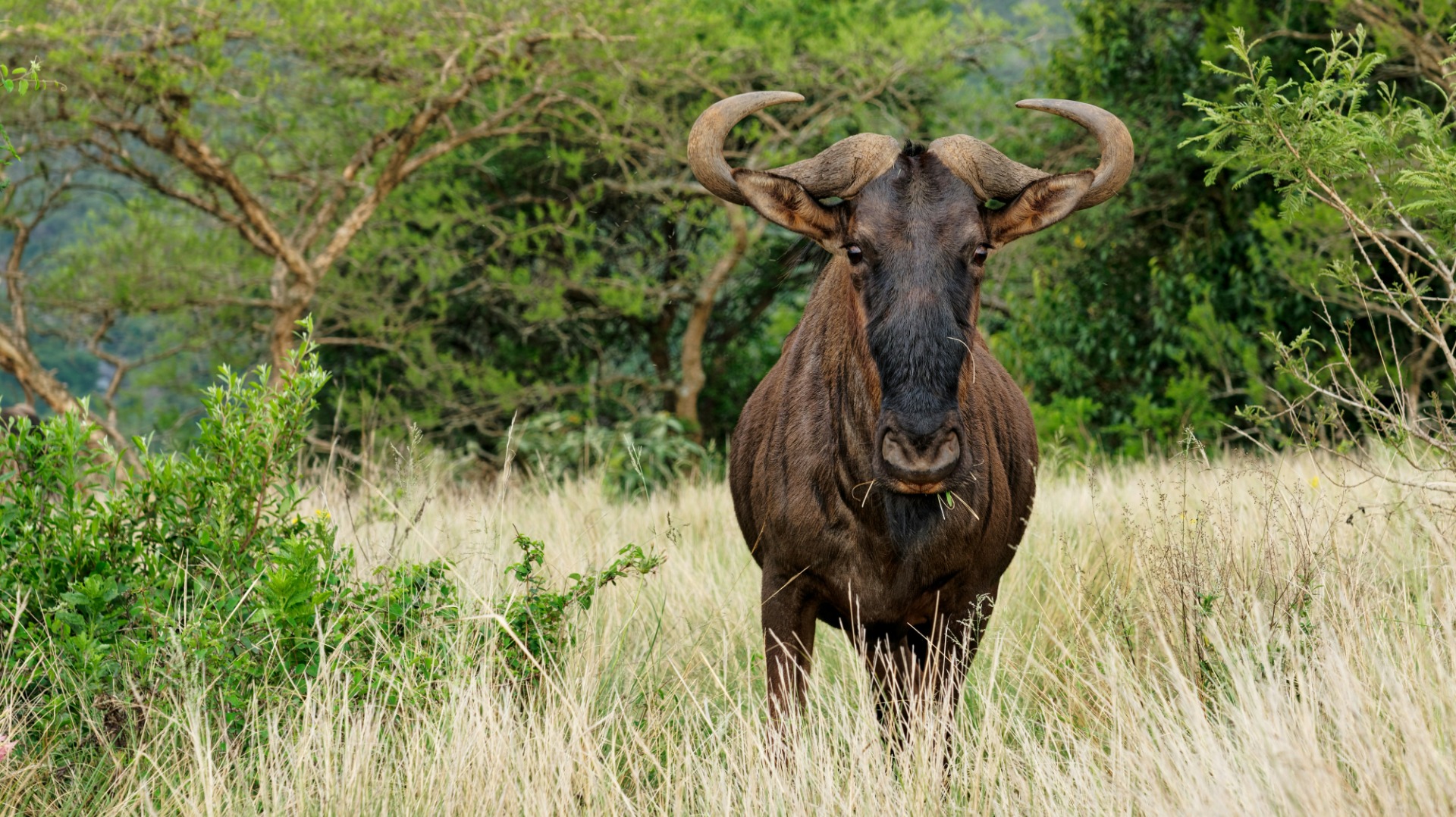
Photography
Twenty Field-Tested Photography Insights That Transform Your African Safari Shots
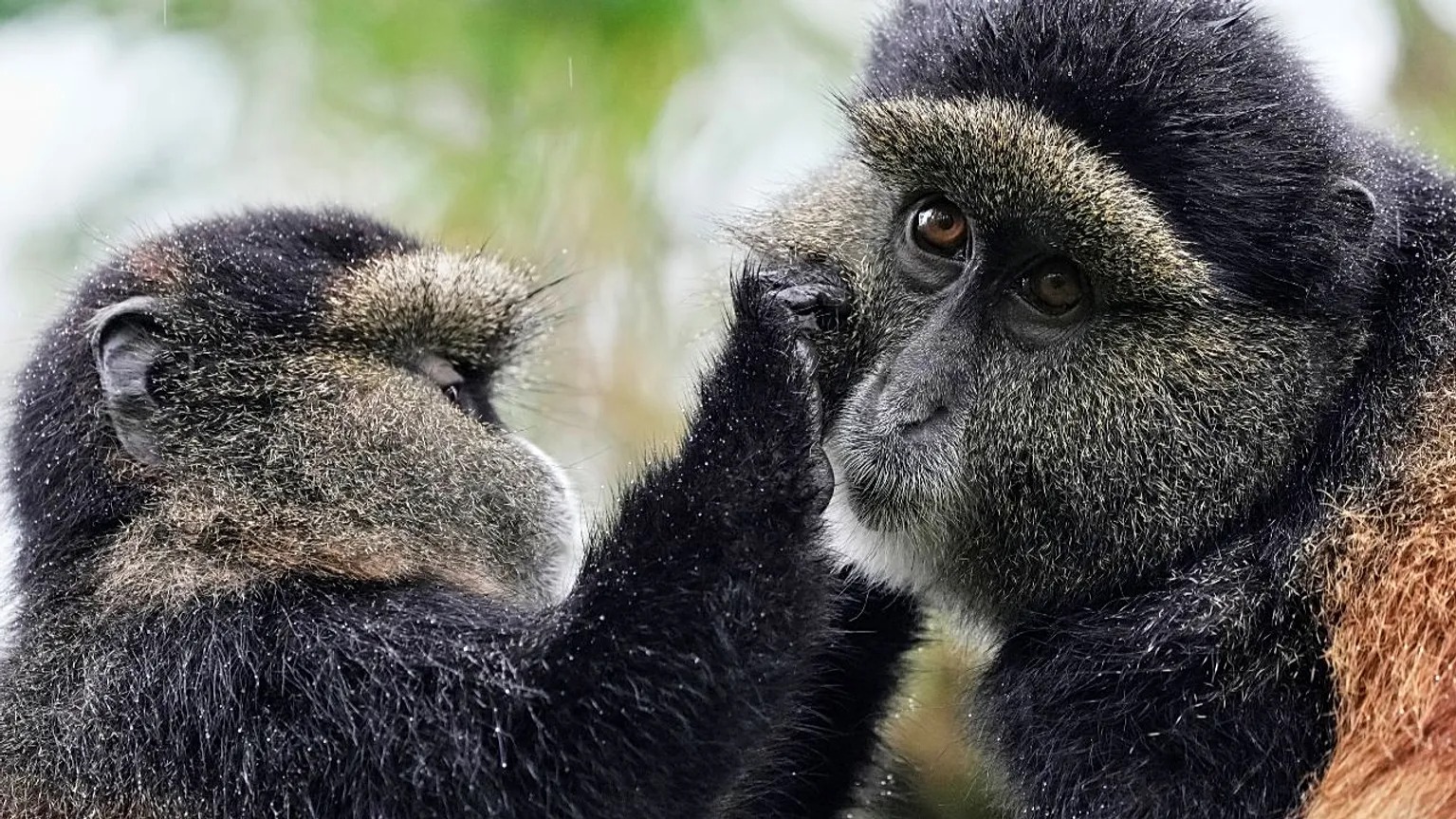
Photography
What Emerges When You Photograph Rwanda’s Gorillas Before the Mist Clears
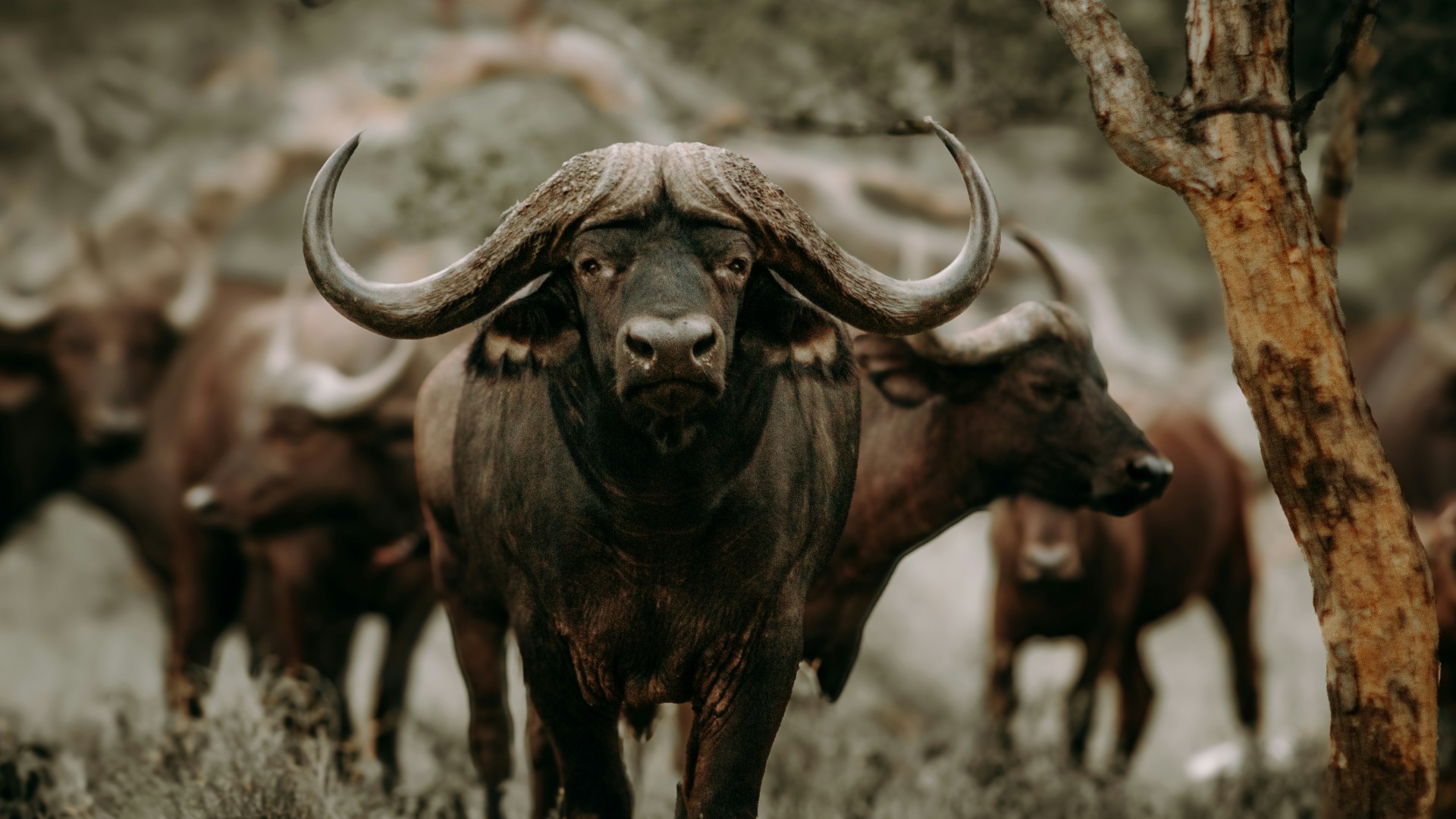
Photography
What Happens When Your Lens Meets a Leopard at Dawn in Sabi Sand
Photography