Photography
Top 10 Photography Tips for Zimbabwe: Practical Advice for Capturing Its Dramatic Landscapes
Encounters Africa - 11 min read
Updated on 2 July 2026
Zimbabwean top 10 photography tips come into their own when you understand how the country’s dramatic topography and shifting seasons shape every frame. From the thunderous spray of Victoria Falls to the ancient granite outcrops of Matobo Hills and the floodplains of Mana Pools, this southern African nation offers a rich palette of light, texture and wildlife behaviour that rewards patient, thoughtful image-makers. The best results emerge when photographers slow down, respect local rhythms and work with rather than against the intense equatorial sunlight and seasonal dust.
These ten practical techniques, drawn from years of guiding photographers across Zimbabwe, will help you capture images that reflect the true character of its landscapes and inhabitants. Whether you are framing a lone baobab against a fiery sky or waiting for the perfect moment as elephants cross the Zambezi, preparation and adaptability remain your greatest assets.
Understanding Zimbabwe’s Light and Seasons
Zimbabwe experiences distinct wet and dry seasons that dramatically alter photographic conditions. The dry season, from May to October, brings clear skies, concentrated wildlife around water sources and the golden, dusty light that defines many iconic images. Conversely, the green season from November to April transforms the landscape into a lush tapestry, though afternoon thunderstorms can interrupt shooting schedules.
The intensity of Zimbabwean sunlight, particularly between 10am and 4pm, creates harsh contrast that challenges even experienced photographers. Learning to embrace the softer light of dawn and dusk, when temperatures drop and animals become more active, will elevate your portfolio considerably. Many of our travellers discover their most compelling frames occur during these fleeting golden hours.
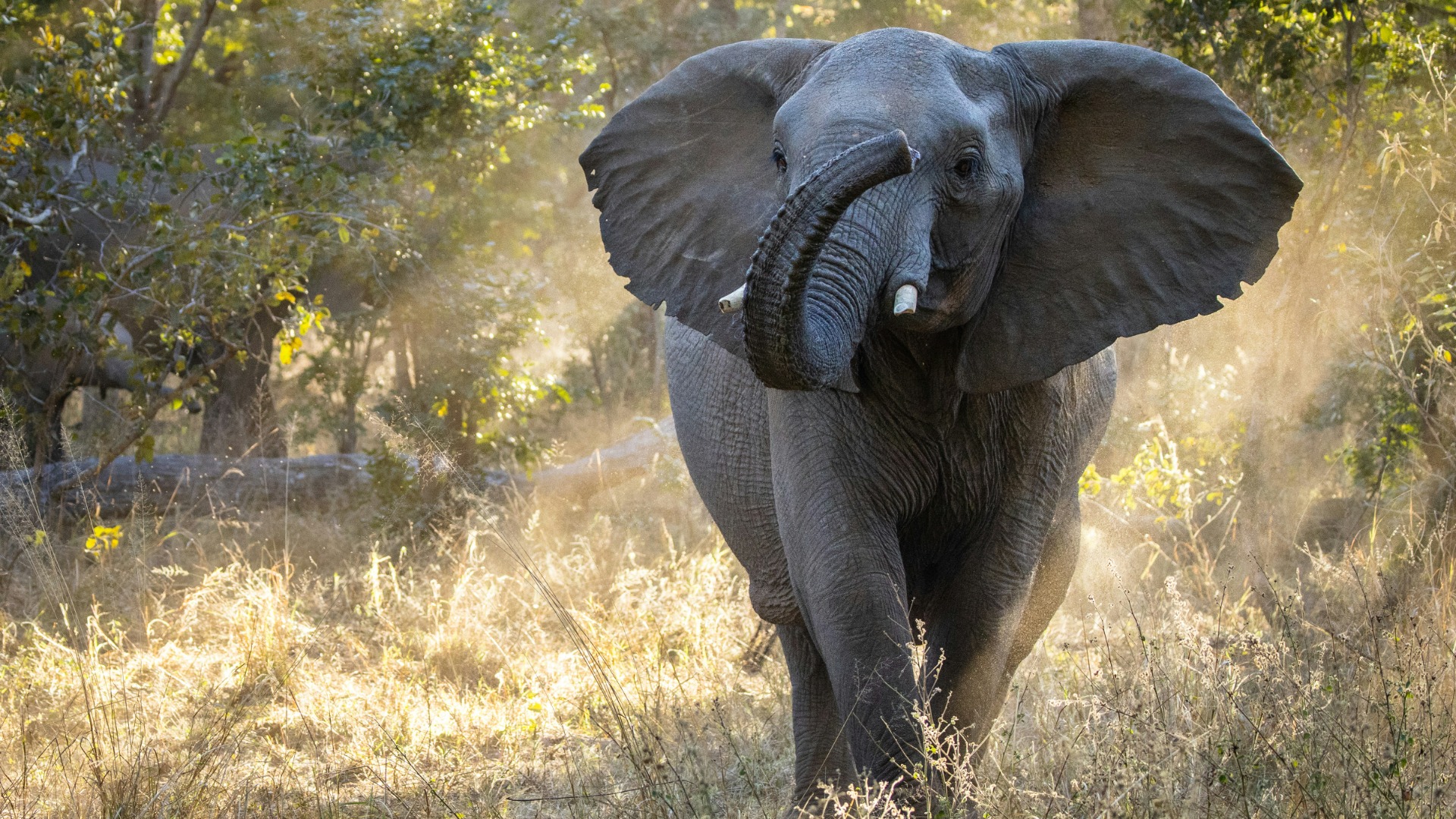
The golden dust that rises from the Mana Pools floodplains at first light does more than add atmosphere; it tells the story of a landscape shaped by ancient rivers and resilient wildlife.
Planning Your Photography Calendar
For wildlife photography, August to October offers exceptional opportunities as animals congregate around shrinking waterholes. Bird photographers may prefer the wetter months when migrant species arrive and vegetation provides colourful backdrops. Cultural photographers should note that many traditional ceremonies occur between April and September, though always seek appropriate permissions before documenting community events.

Mastering Composition in Vast Landscapes
Zimbabwe’s sweeping vistas can overwhelm the frame if not approached with intention. The rule of thirds remains useful, yet the most memorable images often place key elements off-centre while using natural leading lines such as dry riverbeds or elephant paths. In Zimbabwe, foreground interest becomes essential to convey scale, whether it is a termite mound, acacia tree or a herd of impala.
When photographing the Victoria Falls, position yourself to include the constant mist as a compositional element rather than fighting it. A polarising filter can help manage reflections while a graduated neutral density filter balances the bright sky with darker foregrounds. Consider vertical compositions to emphasise the sheer height of the falls, which plunge more than 100 metres into the gorge below.
In a country defined by dramatic scale, the most powerful photographs often emerge from intimate details that hint at the larger story.
Working with Layered Scenes
Look for opportunities to create depth through atmospheric perspective, particularly in the early morning when mist lingers in valleys. The granite formations of Matobo Hills, some dating back 2 billion years, provide natural layers that reward careful framing. Try shooting from low angles to exaggerate the monumental presence of these ancient rocks against the sky.
Wildlife Photography Techniques for Zimbabwe’s Iconic Species
Zimbabwean top 10 photography tips would be incomplete without addressing the country’s exceptional wildlife. With approximately 500 bird species and healthy populations of the Big Five, the challenge lies in capturing authentic behaviour rather than mere portraits. A 400mm or 500mm lens proves invaluable, yet remember that ethical distance always takes precedence over frame-filling shots.
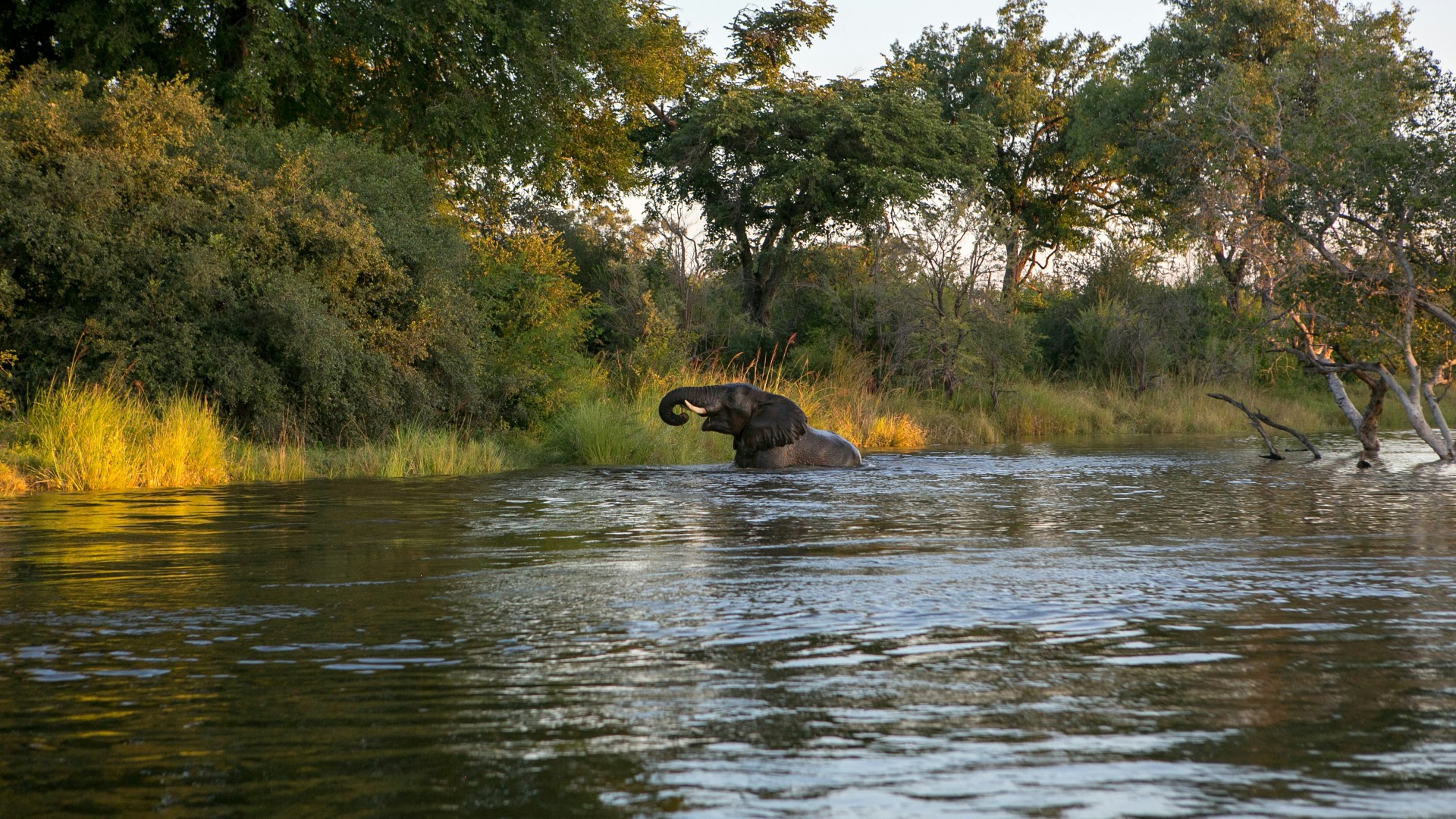
In Mana Pools National Park, where the mighty Zambezi River creates fertile floodplains, elephants frequently stand on their hind legs to reach high branches. This distinctive behaviour offers compelling photographic opportunities, particularly during the dry season when food sources become scarce. Position yourself downwind and remain silent, allowing the animals to continue their natural patterns uninterrupted.
Anticipating Animal Behaviour
Study the habits of your subjects before raising your camera. Lions in Hwange National Park often hunt at dawn and dusk, while painted dogs require faster shutter speeds to freeze their energetic movements. Understanding these patterns helps you pre-focus and adjust settings before the decisive moment arrives.

Equipment Recommendations and Packing Essentials
Successful photography in Zimbabwe requires balancing capability with practicality. A robust camera body with weather sealing is essential given the fine dust that permeates even the most remote areas. Bring at least two camera bodies to avoid disappointment should technical issues arise in areas far from service centres.
Pack a versatile zoom lens such as 24-70mm for landscapes and a telephoto zoom between 100-400mm for wildlife. A sturdy tripod with a fluid head proves useful for long exposures at Victoria Falls, while a beanbag offers stability when shooting from vehicles. Don’t forget lens cleaning supplies, as dust accumulates rapidly during game drives.
The right equipment serves the vision; it never replaces the need for patience, observation and respect for the land and its creatures.
Protecting Your Gear in Challenging Conditions
Zimbabwe’s climate presents specific challenges for photographic equipment. Silica gel packs help combat humidity during the wet season, while UV filters protect lenses from the intense sunlight. Consider leaving expensive filters behind when visiting areas with high elephant density, as curious trunks have been known to investigate dangling accessories.
Capturing Cultural Heritage with Sensitivity
Beyond its natural wonders, Zimbabwe offers rich cultural photography opportunities. The stone ruins of Great Zimbabwe, constructed between the 11th and 15th centuries, provide architectural details that reward close study. When visiting living communities, always ask permission before photographing individuals and consider offering to share images as a gesture of respect.
Traditional dances and ceremonies provide dynamic subject matter, but these require research and often formal arrangements through local guides. The rhythmic movements of mbira musicians or the colourful attire of Ndebele women create striking visual narratives when captured with authenticity and permission.
Building Relationships First
The most meaningful cultural photographs emerge from relationships built over time. Consider spending several days in one community rather than attempting to capture everything in a single visit. This approach not only yields better images but contributes to more ethical and sustainable tourism practices.
Post-Processing Approaches for Zimbabwean Images
Effective post-processing enhances rather than creates the distinctive qualities of Zimbabwean photography. Subtle adjustments to contrast can emphasise the textural differences between granite and sky, while careful colour grading brings out the warm earth tones that characterise the landscape. Avoid over-saturating the already vibrant African palette.
Many photographers find that converting certain images to black and white emphasises the graphic quality of Zimbabwe’s forms, particularly the dramatic silhouettes of baobab trees against sunset skies. When processing wildlife photographs, maintain natural colours and avoid removing environmental elements that provide crucial context.
Top 10 Photography Tips for Zimbabwe
Building on the principles discussed above, here are ten targeted techniques that address the specific challenges and opportunities of photographing in Zimbabwe:
Arrive early for golden light: The period 30 minutes before sunrise offers the most magical illumination across the landscape. In Mana Pools, this is when elephants emerge from the woodland to drink at the river’s edge.
Use dust creatively: Rather than trying to avoid the characteristic red dust of the dry season, incorporate it as a compositional element that adds atmosphere and depth to wildlife photographs.
Master polarising filters: These reduce glare on water surfaces at Lake Kariba and intensify the blue of the sky, particularly effective when photographing the dramatic basalt formations around Victoria Falls.
Focus on behaviour, not just portraits: The most compelling wildlife images capture interaction and movement. A shutter speed of at least 1/1000th second helps freeze fast action while maintaining sharpness.
Embrace negative space: Zimbabwe’s vast landscapes often benefit from compositions that include substantial empty areas, emphasising the isolation and scale of a single subject.
Photograph during the blue hour: The 20 minutes after sunset provide a different quality of light that beautifully illuminates the granite boulders of Matobo Hills.
Respect cultural protocols: Always seek permission before photographing people or sacred sites. A genuine smile and respectful approach opens doors that remain closed to those who simply point and shoot.
Prepare for variable weather: Afternoon thunderstorms during the wet season can create dramatic skies. Keep your camera protected but ready to capture the transition from sunlight to dramatic cloud formations.
Study your subjects beforehand: Research the behaviour patterns of the animals you hope to photograph. Understanding that hippos emerge to graze at night helps you anticipate their movements at dawn.
Print your favourites: The tactile experience of holding a well-printed Zimbabwe photograph often reveals qualities that get lost on digital screens. Many of our guests report that their connection to the destination deepens through this process.
Common Questions About Photography in Zimbabwe
What is the best time to visit Zimbabwe for photography? The dry season months of June through October generally provide the most reliable conditions for both landscape and wildlife photography. Wildlife concentrates around water sources, vegetation thins out for clearer sightlines, and the golden light creates beautiful atmospheric conditions. However, the green season offers its own rewards with dramatic skies, lush vegetation and excellent birding opportunities. The optimal period depends on your specific photographic goals.
What gear should I bring for a photography safari in Zimbabwe? A versatile kit typically includes a weather-sealed DSLR or mirrorless camera, lenses ranging from wide-angle to telephoto (particularly 24-70mm and 100-400mm or similar), a sturdy tripod, plenty of memory cards, lens cleaning supplies and a laptop for downloading images. Consider the weight restrictions on light aircraft transfers to remote camps, which often limit luggage to 15-20kg per person including camera equipment.
Is drone photography permitted in Zimbabwe’s national parks? Drone use is heavily restricted within Zimbabwe’s protected areas and national parks. Special permits are occasionally granted for specific conservation or filming projects, but recreational drone photography generally requires prior written approval. Many private concessions offer more flexibility, though local regulations must always be followed. Always check current restrictions before travel.
Photography in Zimbabwe ultimately teaches us to see beyond the obvious, to wait for the perfect confluence of light, subject and moment that reveals the soul of this remarkable country.
Capturing Zimbabwe’s Essence Through Your Lens
The techniques outlined here represent starting points rather than rigid rules. The most rewarding Zimbabwean photography emerges when technical skill merges with genuine curiosity and respect for the land and its people. Each frame becomes not merely an image but a bridge connecting the photographer’s vision with the complex realities of this diverse nation.
Whether you are documenting the raw power of Victoria Falls, the ancient wisdom held in Matobo’s granite, or the quiet dignity of a herd of elephants crossing open plains, your photographs have the power to inspire conservation and cultural understanding. The country’s relatively low visitor numbers compared to some neighbouring destinations mean that those who venture here often enjoy more intimate encounters with both wildlife and local communities.
For discerning travellers seeking a private safari beyond our set itineraries, we invite you to contact us directly. We specialise in designing exceptional, tailor-made journeys for individuals, couples, families, and private groups of up to eight guests. Drawing on our handpicked network of distinguished camps and lodges, we curate every detail with precision and care, creating a seamless, deeply personal safari experience shaped entirely around your preferences, pace, and budget.
Consider combining your photographic journey with a stay at Chobe Game Lodge or exploring the cultural heritage around Great Zimbabwe with expert local guides. Our team can also recommend specific photography-focused itineraries that align with your vision and technical requirements.
At Encounters Africa we believe that truly exceptional photography comes from deep connection with place. We would be delighted to help you craft an experience that allows you not merely to visit Zimbabwe but to truly see it through attentive, respectful and inspired eyes. Reach out via our enquiry form to begin planning your photographic safari in this captivating corner of Africa.
More like this
photography
Transform Your Safari Shots: Master Golden Hour Lighting for Dramatic Wildlife Images
Photography
Twenty Field-Tested Photography Insights That Transform Your African Safari Shots
Photography
What Emerges When You Photograph Rwanda’s Gorillas Before the Mist Clears
Photography
What Happens When Your Lens Meets a Leopard at Dawn in Sabi Sand
Photography
What Photographers Learn When They Track Gorillas at First Light in Uganda
Photography