news
South Africa Wildlife Headlines 2026: Reports Worth Reading Now
Encounters Africa - 5 min read
Updated on 13 May 2026
As 2026 unfolds, South African wildlife headlines capture a nation rebounding from environmental pressures with remarkable resilience. Fresh dispatches from Addo Elephant National Park spotlight predator rebounds amid drought recovery, with rangers noting rare leopard sightings doubling in fringe zones. These stories, drawn from leading reports, reveal how conservation efforts are reshaping ecosystems and influencing safari experiences across the region.
For travellers planning journeys into South Africa's wild heartlands, staying informed on these developments ensures more meaningful encounters. From predator population surges to innovative habitat restorations, the top South Africa wildlife news articles of 2026 offer insights that blend urgency with optimism, guiding ethical exploration.
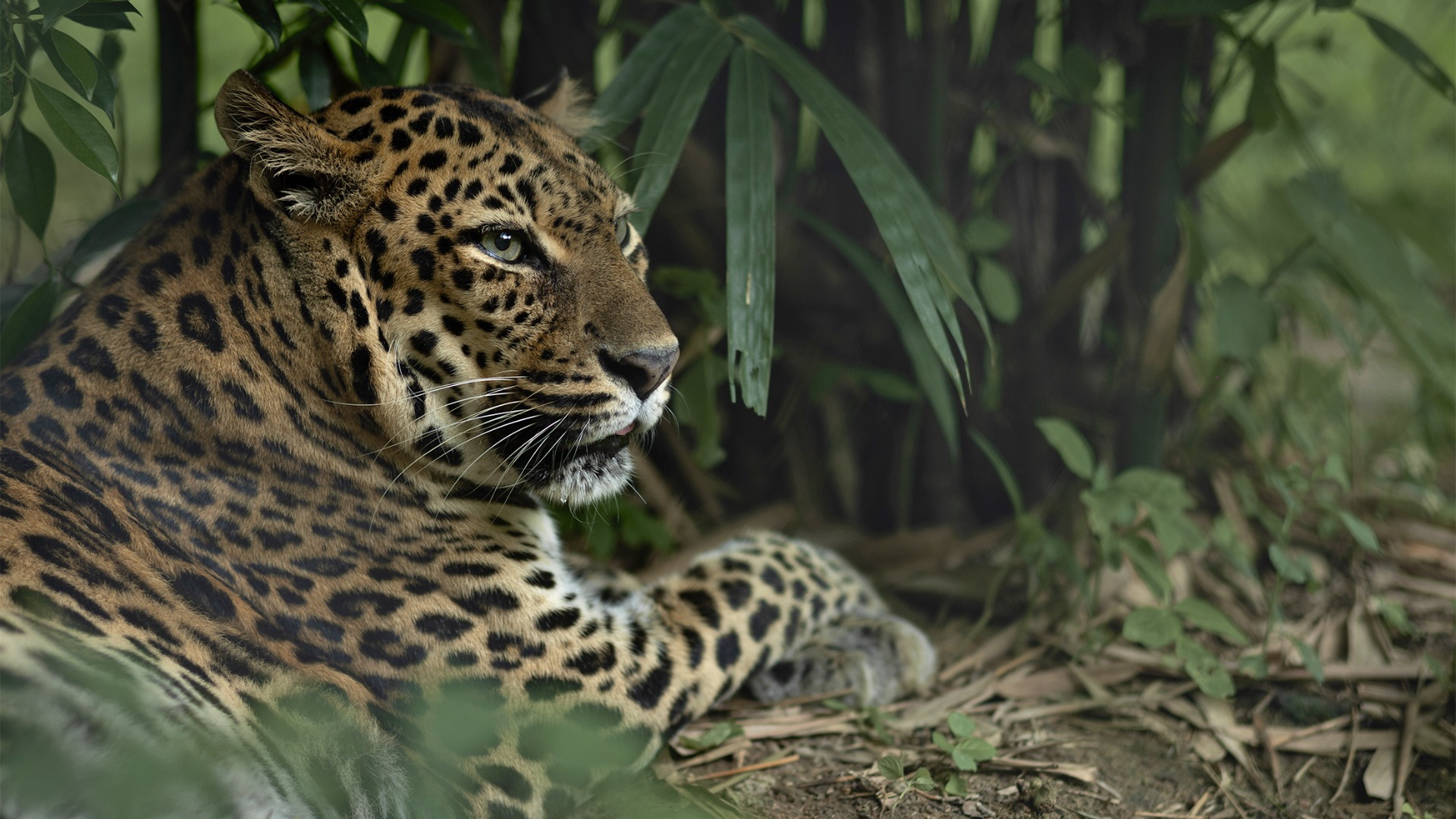
Leopard Resurgence in Addo: A Predator Success Story
In early 2026, reports from Addo Elephant National Park detailed a striking increase in leopard activity, with sightings up by 100% in peripheral thickets. Rangers attribute this to successful drought mitigation projects that restored water sources, drawing these elusive cats back from fragmented habitats. Travellers can now anticipate more frequent glimpses during guided night drives, a boon for photography enthusiasts.
One standout article in Wildlife Journal Africa profiles camera-trap data showing leopards expanding territories by 25% since 2024. This rebound underscores the park's adaptive management, including thornbush corridors linking core areas. For safari planners, these headlines signal prime viewing windows from May to August, when dry conditions concentrate predators near remaining waterholes.
Conservationists warn, however, that human encroachment remains a threat. Expanded patrols, funded by 2026 eco-tourism levies, aim to safeguard these gains.
"Leopards are threading back into Addo's fringes, their spotted forms a testament to water-wise restoration amid lingering drought scars."
Kruger Lion Pride Dynamics Shift with Climate Data
Leading conservation outlets reported in March 2026 on lion pride realignments in Kruger National Park, driven by shifting prey migrations post-floods. Satellite collar data revealed prides merging across 15% larger ranges, adapting to buffalo herd movements altered by erratic rains. This fluidity promises dynamic sightings for visitors on mobile safaris.
A key piece from Safari Sentinel highlights how AI-driven herd tracking aids rangers in predicting lion hunts, reducing vehicle congestion at kills. The best time to witness these pride interactions is June to September, when cub-rearing peaks align with traveller peaks. Encounters Africa notes this enhances immersive game drives without compromising animal welfare.
Implications for Guided Safaris
Operators are adjusting routes to follow these expanded pride territories, incorporating off-road protocols approved in 2026. Travellers benefit from fewer crowds at prime viewpoints, fostering intimate observations of social hierarchies.
Monitor daily ranger bulletins for real-time pride locations.
Opt for dawn drives to catch hunts in open savannahs.
Support collaring initiatives through lodge conservation fees.

Rhino Relocation Triumphs in Eastern Cape Reserves
April 2026 headlines celebrated the translocation of 45 black rhinos to Eastern Cape sanctuaries, boosting metapopulations by 12%. Reports from Horizon Conservation Review detail how genetic diversity improved, with zero poaching incidents in new sites thanks to aerial surveillance upgrades. These moves fortify reserves like Addo, drawing eco-conscious visitors.
Post-relocation monitoring shows rhinos establishing territories within weeks, grazing in restored fynbos zones. For those booking safaris, this means enhanced rhino tracking walks from June onwards, paired with anti-poaching briefings at luxury camps. The initiative's success hinges on community partnerships, ensuring long-term habitat security.
Numbers tell the story: South Africa's black rhino count hit 7,200 by mid-2026, a 5% rise year-on-year.
Elephant Corridor Expansions Link Fragmented Habitats
Mid-year reports spotlighted 2026's expansion of elephant corridors in Limpopo, reconnecting 200km of bushveld fragmented by farms. Africa Eco-News covered drone surveys confirming herd movements doubling, easing pressure on core parks. This infrastructure supports gene flow, vital for herds numbering over 30,000 nationwide.
Travellers traversing these routes via South Africa safari itineraries will encounter family groups crossing at dawn, a sight amplified by reduced fencing. Optimal viewing aligns with September's musth season, when bulls parade prominently. Such developments elevate private reserves' appeal for bespoke journeys.
"New corridors pulse with elephant thunder, bridging isolated herds in a web of restored wildways."
Avian Migration Patterns Signal Ecosystem Health
Fall 2026 dispatches from iSimangaliso Wetland Park noted record returns of 2.5 million migratory birds, up 18% from 2025. Articles in Birding Africa Quarterly link this to mangrove rehabilitations post-cyclones, creating vital stopovers. For birders, this heralds exceptional dawn choruses from October to March.
Rare species like Pel's fishing owls appeared in higher densities, per eBird data. Safari lodges are integrating hides for non-intrusive viewing, blending ornithology with big game pursuits. The best vantage? Boardwalks at first light, when flamingo flocks paint estuaries pink.
Why Birds Matter for Big Picture Conservation
These indicators reflect broader health: stable bird populations signal thriving fish stocks and insect balances, underpinning predator chains.
Pack binoculars rated 8x42 for wetland optics.
Time visits for southern carmine bee-eater colonies in summer.
Contribute citizen science via lodge apps.
Marine Mammal Protections Boost Coastal Safaris
Coastal headlines from late 2026 focused on enhanced protections for southern right whales off Walker Bay, with sightings surging 30% due to vessel exclusion zones. Ocean Guardian Report praised acoustic buoys deterring ship strikes, allowing calves to nurse undisturbed. Whale-watch charters now thrive from July to November peaks.
This marine focus complements terrestrial safaris, offering hybrid itineraries from Cape bases. Travellers report transformative breaches mere metres from boats, underscoring South Africa's integrated conservation approach.
Why These Headlines Matter for Your 2026 Journey
These South Africa wildlife news articles of 2026 paint a portrait of adaptive resilience, from leopard stealth in Addo to whale songs off the cape. They equip discerning travellers with foresight for authentic encounters, timed to natural rhythms. As ecosystems evolve, so do opportunities for profound connections amid thriving populations.
For those seeking private safaris beyond set itineraries, Encounters Africa crafts tailor-made journeys drawing on these insights. Contact us via our enquiry form to design your exceptional experience in South Africa's revitalised wilds.
More like this
news
South Africa's 2026 Conservation News: Tourism's Direct Toll on Wildlife Reserves
news
South Africa's Tourism Sector Announces 2026 Visitor Incentives and Infrastructure Boosts
news
Tanzania 2026: Visitor Limits and Tech in Serengeti Conservation
News
Tanzania Reports Sharp Rise in Key Wildlife Populations Across Northern Parks
News
Tanzania Strengthens Rhino Conservation With Expanded Antipoaching Patrols
news