Culture
Tanzania's Vibrant Traditions: What Every Visitor Should Know Before Arrival
Encounters Africa - 10 min read
Updated on 30 July 2026
Tanzanian culture and facts reveal a nation of remarkable diversity where more than 120 ethnic groups coexist across landscapes ranging from Indian Ocean shores to the snow-capped peak of Kilimanjaro. This cultural mosaic, shaped by centuries of migration, trade and adaptation, offers travellers profound insights that enrich any safari experience. Understanding these traditions before arrival transforms a journey from simple observation into meaningful connection.
With Swahili as the unifying national language alongside English, and over 100 local tongues spoken daily, Tanzania presents one of Africa's most linguistically rich environments. From the ancient trading heritage of the Swahili coast to the pastoral rhythms of highland communities, these living traditions continue to guide daily life while welcoming respectful visitors.
The Roots of Tanzanian Identity
The foundations of modern Tanzanian culture stretch back more than 2,000 years when Bantu-speaking peoples began migrating into the region, bringing iron-working skills, agricultural knowledge and distinct social structures. By the eighth century, Arab and Persian traders had established permanent settlements along the coast, creating the unique Swahili civilisation that blended African, Islamic and Asian influences.
This fusion produced not only a new language but an architectural legacy still visible in the coral-stone buildings of Tanzania's historic towns. The annual monsoon winds dictated trading patterns, with dhows carrying gold, ivory and slaves outward while returning with spices, textiles and porcelain that still appear in local craftsmanship today.
The Swahili coast was never simply a destination for goods, but a meeting point of ideas where African ingenuity absorbed and transformed foreign elements into something entirely new.
Swahili Coastal Heritage
Nowhere is this cultural blending more evident than in Zanzibar and the coastal communities where Swahili remains the everyday language of commerce and connection. Traditional taarab music, with its distinctive blend of Arabic scales and African rhythms, fills evening air during festivals, while intricate henna designs and colourful kanga fabrics tell stories through their printed proverbs.
Visitors to these areas quickly notice the measured pace of coastal life, where the five daily calls to prayer intermingle with the sounds of fishermen returning with the tide. Respect for this rhythm, including modest dress in stone towns and villages, opens doors to genuine interactions beyond the tourist trail.

Ethnic Diversity Across Tanzania's Landscapes
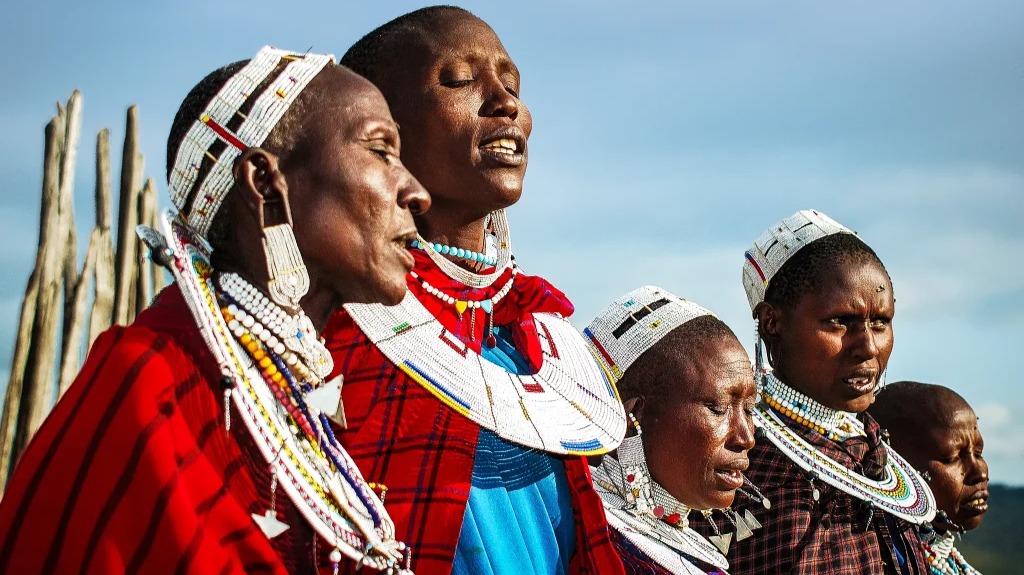
Tanzania's cultural wealth stems partly from its extraordinary geography, which has allowed different communities to develop distinct ways of life adapted to their specific environments. The Maasai of the northern plains maintain semi-nomadic cattle herding traditions that have endured for centuries, while the Hadza of the central woodlands represent one of the last hunter-gatherer societies in Africa, with a language featuring unique click consonants.
In the cool highlands surrounding the great lakes, the Chagga people developed sophisticated irrigation systems on Mount Kilimanjaro's slopes that still support intensive banana cultivation today. Meanwhile, the Sukuma, Tanzania's largest ethnic group, have long balanced agriculture with cattle keeping across the vast lake regions.
Each Tanzanian community has crafted its own elegant solution to the challenges of its environment, creating a living library of human adaptation that spans from rainforest to semi-desert.
Maasai Traditions in Modern Context
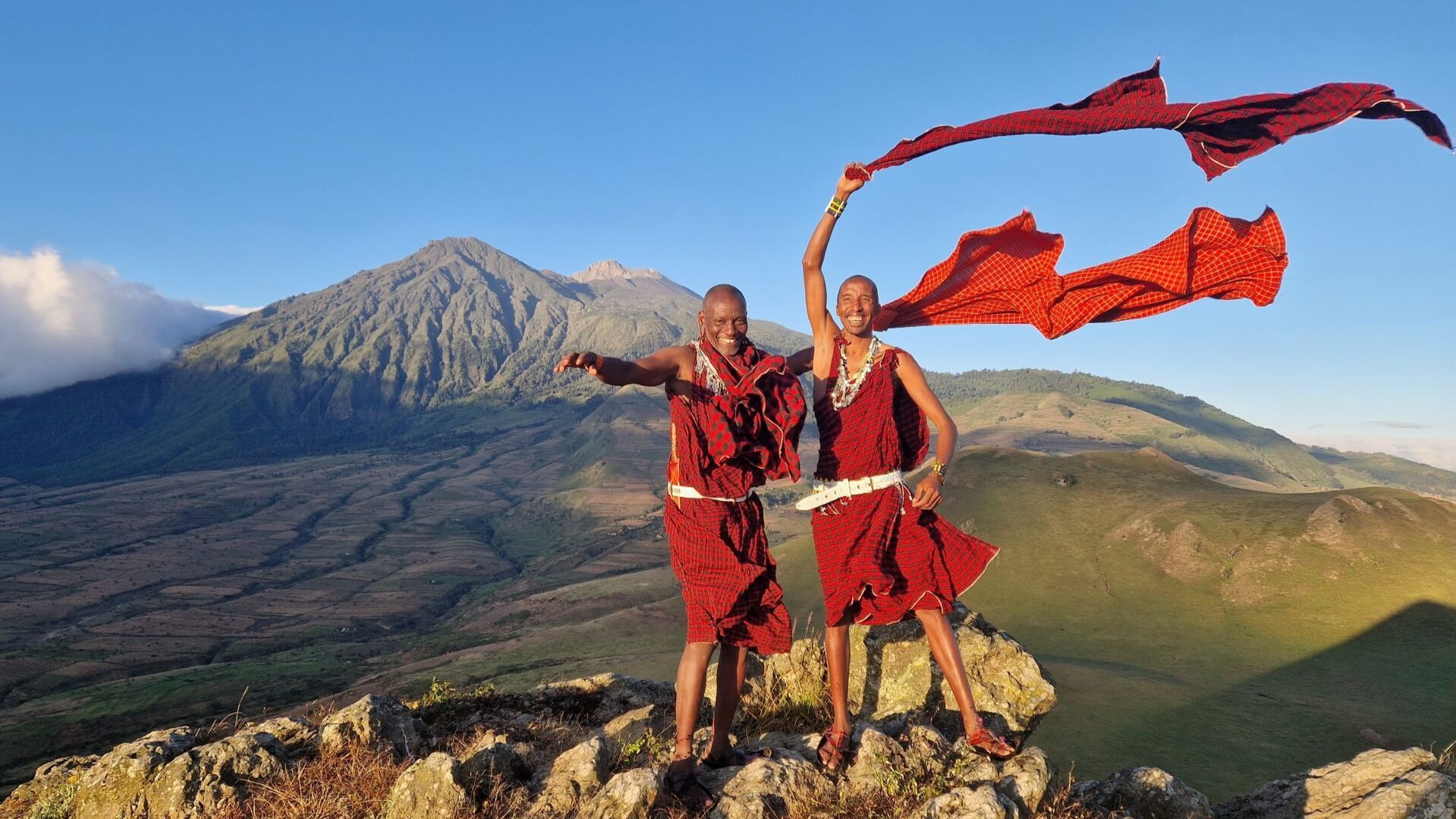
The distinctive red shukas, beaded jewellery and warrior traditions of the Maasai remain highly visible, particularly around the Masai Mara National Reserve and Serengeti ecosystems. Yet behind the colourful exterior lies a complex social structure based on age-sets that guide everything from circumcision ceremonies to leadership transitions.
Many Maasai communities now balance traditional pastoralism with new opportunities in conservation and tourism, offering visitors authentic cultural experiences through carefully managed village visits that directly benefit local families.
Languages, Greetings and Social Etiquette
Learning even a few words of Swahili dramatically changes how Tanzanians respond to visitors. The language's melodic quality and absence of gender pronouns reflect a culture that values harmony and respect. Simple greetings matter deeply here, with "Jambo" serving as a friendly hello and "Asante sana" expressing sincere thanks.
Physical greetings vary by region and community. In many areas, a gentle handshake accompanied by asking about someone's family shows proper respect. Direct eye contact, particularly between genders or with elders, requires cultural sensitivity, while pointing with fingers is often replaced by a chin nod or open hand gesture.
Respectful Photography and Interaction
Photography of people should always begin with genuine conversation and explicit permission. Many communities, particularly in rural areas, maintain beliefs about the capturing of one's image that deserve consideration. Offering to share the photograph or providing a small print creates goodwill and transforms the moment into exchange rather than extraction.
Understanding these nuances helps travellers move beyond surface encounters. When visiting Elewana Serengeti Pioneer Camp, for instance, guides often facilitate meaningful conversations with neighbouring communities, creating bridges between visitors and local knowledge holders.
Traditional Ceremonies and Life Cycle Events
Life in Tanzania remains deeply connected to ceremonial cycles that mark birth, initiation, marriage and death. These events reinforce community bonds while transmitting cultural knowledge across generations. The intricate dances, songs and costumes vary dramatically between ethnic groups, creating a calendar of celebration that changes with each region.
Initiation ceremonies, though evolving with modern influences, still play important roles in teaching young people about responsibility, history and their place within the community. Many of these traditions have adapted to contemporary realities while preserving their core spiritual and educational functions.
Festivals and Musical Heritage
Tanzania's musical traditions range from the rhythmic ngoma drumming of the coast to the intricate harmonies of highland choral singing. The annual Bagamoyo Festival of Arts and Culture brings together performers from across the country and beyond, offering visitors a concentrated experience of this creative diversity.
Contemporary Tanzanian musicians frequently blend traditional elements with modern genres, producing everything from Swahili hip-hop to bongo flava that resonates with young people while maintaining links to ancestral sounds.

Cuisine as Cultural Expression
Tanzanian food tells the story of its people and history through its ingredients and preparation methods. Ugali, the stiff maize porridge that accompanies most meals, serves as the perfect vehicle for flavourful stews made with coconut, tomatoes, ginger and local spices. Along the coast, seafood dominates, with octopus, prawns and fresh fish prepared with the aromatic blend of spices introduced centuries ago.
Street food offers some of the most authentic tastes, from Zanzibari pizza (actually a filled flatbread) to mishkaki skewers grilled over charcoal. Meals are typically shared, reinforcing the communal values that underpin much of Tanzanian social life.
Food in Tanzania has always been more than sustenance. It represents hospitality, history and the generous spirit of a people who welcome strangers to their table.
Dining Customs for Visitors
When invited to share a meal, accepting even a small portion demonstrates respect. Eating with the right hand remains traditional in many communities, though utensils are common in tourist areas. Leaving a small amount of food on your plate can sometimes signal satisfaction rather than waste, though this varies between regions.
Many safari camps now incorporate local ingredients and traditional cooking methods into their menus, creating opportunities to experience Tanzanian flavours while learning about their cultural significance from resident chefs.
Religion and Spiritual Beliefs
Religion plays a central role in daily Tanzanian life, with approximately 35 percent of the population following Christianity, 35 percent practising Islam and the remainder maintaining traditional beliefs or a combination of faiths. This religious diversity generally exists in harmony, with interfaith families and shared celebrations common in many areas.
Traditional spiritual practices often focus on ancestor veneration and the belief that spirits inhabit the natural world. Many communities maintain sacred sites, including specific trees, mountains and water sources that receive ongoing respect regardless of formal religious affiliation.
Interfaith Harmony in Practice
The relative religious harmony that characterises Tanzania stands as a model in a region with more turbulent histories. National holidays celebrate both Christian and Muslim festivals, while traditional ceremonies often incorporate elements from multiple belief systems.
This tolerance extends to daily interactions, where respect for different practices forms an important part of social etiquette that visitors would do well to observe.
Practical Advice for Culturally Sensitive Travel
Successful cultural engagement in Tanzania rests on curiosity balanced with humility. Simple preparations before arrival can dramatically improve the quality of interactions. Learning basic Swahili phrases, researching the specific regions you plan to visit, and approaching all encounters with genuine interest rather than expectation creates space for authentic connection.
Dress modestly when visiting villages or religious sites. Women should consider carrying a lightweight scarf for additional coverage, while both genders benefit from avoiding overly revealing clothing in rural areas. These small adjustments signal respect and often lead to warmer receptions.
Common Questions About Tanzanian Culture
What is the best way to respectfully engage with local communities in Tanzania? Begin with sincere greetings in Swahili, ask permission before taking photographs, and listen more than you speak. Many travellers find that supporting community-led initiatives, such as those connected to Mara Naboisho Conservancy models, creates more meaningful impact than individual gestures.
Is it appropriate to visit traditional villages during a safari? When arranged through responsible operators who ensure fair compensation and genuine benefit to the community, village visits can offer valuable insights. The key lies in choosing experiences that prioritise dignity and reciprocity over performance.
How has modernisation affected traditional Tanzanian practices? Many customs have evolved rather than disappeared. While mobile phones and satellite television have arrived in even remote areas, ceremonies, respect for elders and communal values remain remarkably resilient, adapting to new circumstances while maintaining their essential character.
Why Cultural Understanding Enhances Every Tanzanian Journey
Travellers who invest time in learning about Tanzanian culture and facts discover that their experiences gain depth and resonance that purely wildlife-focused journeys cannot match. The stories shared around evening campfires, the spontaneous dances joined at local celebrations, and the quiet moments of understanding between visitor and host create memories that endure long after the safari ends.
This knowledge also fosters more responsible travel choices, from selecting operators who work closely with communities to recognising and supporting authentic cultural expressions rather than commodified versions created solely for tourists.
Planning Your Culturally Rich Tanzanian Experience
For discerning travellers seeking a private safari beyond our set itineraries, we invite you to contact us directly. We specialise in designing exceptional, tailor-made journeys for individuals, couples, families, and private groups of up to eight guests. Drawing on our handpicked network of distinguished camps and lodges, we curate every detail with precision and care, creating a seamless, deeply personal safari experience shaped entirely around your preferences, pace, and budget.
Whether your interests lie in the ancient rhythms of the Swahili coast, the vibrant ceremonies of highland communities, or finding the perfect balance between wildlife encounters and cultural immersion, Encounters Africa can craft an itinerary that honours both Tanzania's natural wonders and its living heritage. Our longstanding relationships with local communities ensure that your journey contributes positively while offering the depth of understanding that transforms good travel into an exceptional one.
Begin your planning today by reaching out to our team of Tanzania specialists, who bring decades of combined experience and genuine passion for this remarkable country to every consultation.
More like this
Culture
Tracing Zambia’s Cultural Roots from Ancient Kingdoms to Modern Traditions
culture
Uganda's Cultural Mosaic: Key Groups and Their Distinct Traditions
culture
Weaving Threads Through Zambian Village Life
Culture
What a Tanzanian Initiation Ceremony Taught Me About Identity and Respect
Culture
What a Visitor Learns When Joining Ugandan Rituals and Ceremonies
Culture