Culture
What African Traditions Reveal About Living Alongside Wildlife and Land
Encounters Africa - 9 min read
Updated on 11 August 2026
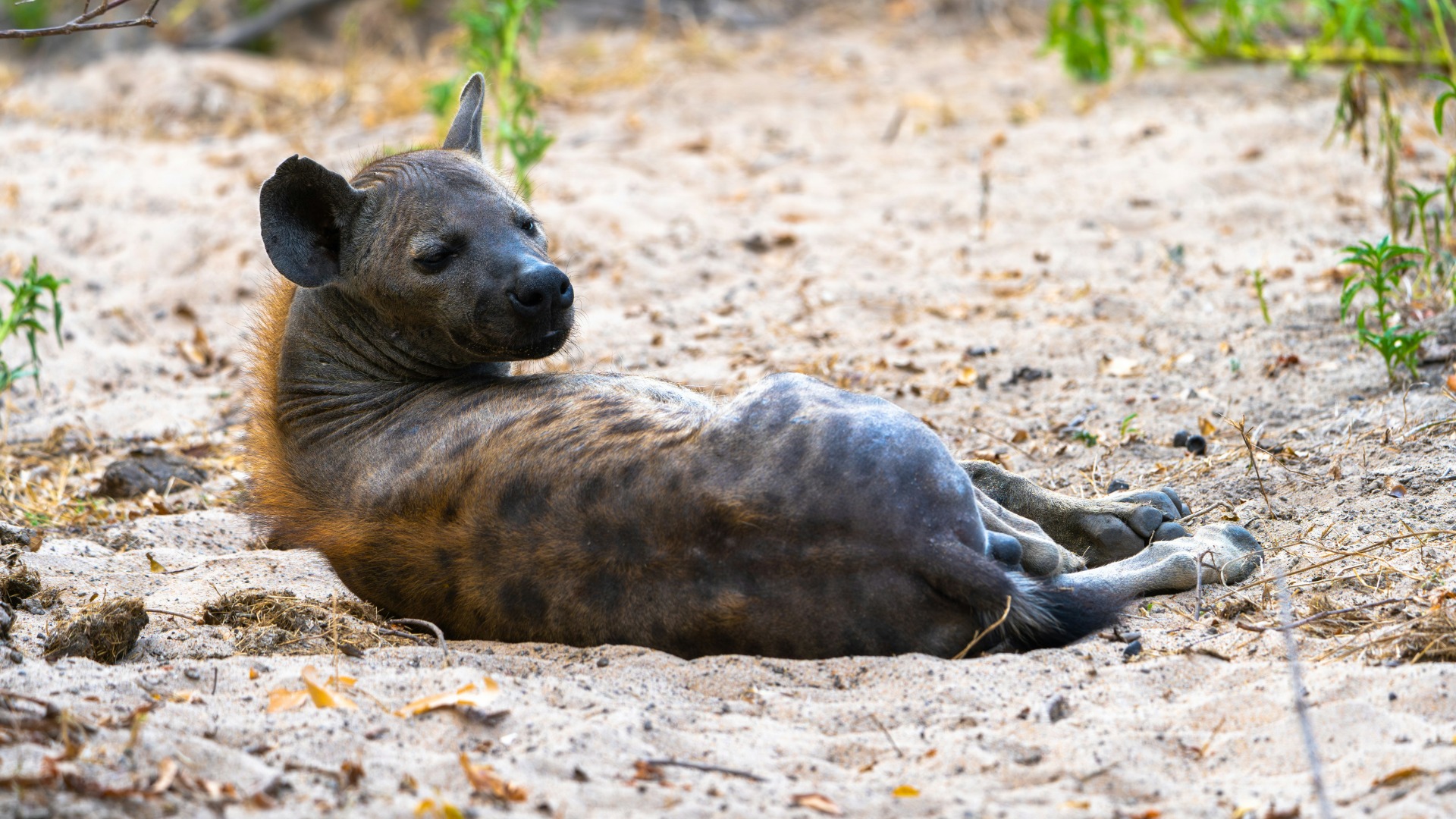
African traditions reveal profound models of coexistence that continue to shape how communities live alongside wildlife and land. Across the continent, these practices blend spiritual beliefs with active protection of ecosystems, offering lessons that inform contemporary conservation strategies in places as varied as the Botswana wetlands and the Kenyan highlands.
Our approved excerpt captures the essence: Discover how age-old African practices blend spiritual beliefs with active wildlife protection, creating models of coexistence that inform modern conservation across diverse landscapes and communities. This integration of culture, conservation and wildlife demonstrates a relationship built on reciprocity rather than extraction, where animals and landscapes are seen as kin rather than commodities. For travellers drawn to deeper understanding, these traditions enrich every safari experience, transforming observation into connection.
The Spiritual Foundations of African Traditions and Wildlife
Many African societies have long viewed wildlife through a spiritual lens that fosters respect and restraint. In various communities, specific animals serve as totems or ancestral messengers, their presence interpreted as guidance or warning. This perspective discourages indiscriminate hunting and encourages observation of natural behaviours as sources of wisdom.
Elephants, for instance, often symbolise memory and family bonds, their matriarchal structures mirroring human social organisations in certain cultures. Lions represent courage and leadership, while certain birds are believed to carry news between worlds. These beliefs translate into taboos that protect key species during vulnerable periods, effectively creating informal sanctuaries long before formal conservation areas existed.
Traditional knowledge systems demonstrate that sustainable living emerges not from rules imposed from outside, but from stories woven into the fabric of daily existence.
Such spiritual frameworks extend to the land itself. Sacred groves and mountains are preserved as places where ancestors reside, their ecological richness protected through reverence rather than regulation. These sites frequently harbour high biodiversity, serving as refuges for species pushed to the margins elsewhere. The result is a form of conservation rooted in cosmology, where harming the environment equates to disrespecting one's forebears.

How African Traditions Inform Modern Conservation Practices
Contemporary conservation increasingly draws upon indigenous knowledge systems that have sustained ecosystems for generations. In Kenya, community conservancies blend traditional governance with scientific monitoring, allowing local groups to manage wildlife on their lands while benefiting from tourism revenue. This approach has demonstrably increased wildlife numbers in areas previously affected by poaching and habitat loss.
Tracking skills passed through generations enable rangers to monitor animal movements with remarkable precision. In the Okavango Delta, traditional knowledge of seasonal water flows helps predict wildlife concentrations, informing anti-poaching patrols and habitat management. These insights complement satellite data and camera traps, creating more effective protection strategies.
One common question travellers ask is: How exactly do African traditions contribute to today's conservation efforts? The answer lies in their emphasis on reciprocity and long-term thinking. Where Western models sometimes prioritise individual species, traditional approaches consider entire systems – soil, water, plants and animals – as interconnected. This holistic view aligns closely with modern ecosystem-based management, explaining why partnerships between communities and conservation organisations have proven so successful across Southern and East Africa.
Community-Based Models That Bridge Tradition and Science
Programmes that integrate elders as knowledge keepers have shown measurable success. In certain conservancies, traditional leaders participate in decision-making alongside biologists, ensuring that cultural values shape management policies. This collaboration has led to reduced human-wildlife conflict through methods such as improved livestock enclosures informed by both ancestral practices and current research.
Numbers tell a compelling story. Some community conservancies in Kenya have recorded wildlife population increases of up to 30 percent over the past decade, according to recent wildlife censuses. These gains stem partly from traditional taboos against killing certain animals, reinforced by economic incentives from responsible tourism. The model demonstrates how cultural frameworks can support rather than hinder conservation goals when properly recognised.
When conservation honours the knowledge systems that have sustained Africa's landscapes for centuries, it gains both legitimacy and effectiveness in the eyes of those who live closest to the wildlife.
Wildlife as Teachers in African Cultural Traditions
Beyond spiritual symbolism, African traditions position animals as instructors in essential life skills. Tracking techniques taught to young people develop not only hunting abilities but also patience, observation and understanding of ecological relationships. These skills transfer remarkably well to scientific research and guiding professions, where former trackers often become highly regarded professionals.
In storytelling sessions around evening fires, animals feature as characters that embody human virtues and flaws. Through these narratives, children learn about consequences, resilience and the importance of balance. The tales reinforce behavioural norms that limit resource use, embedding conservation principles in cultural memory rather than formal education alone.
Seasonal ceremonies frequently align with wildlife movements, acknowledging the cyclical nature of life on the continent. Harvest festivals coincide with animal migrations in some regions, while initiation rites may incorporate lessons drawn from specific species' behaviours. This temporal alignment keeps cultural practices connected to the living landscape, ensuring traditions evolve alongside environmental changes.
Practical Applications for Today's Travellers
Understanding these connections transforms how one experiences a safari. Rather than viewing animals in isolation, travellers can appreciate the layered meanings they hold for local communities. A sighting of a particular bird might prompt guides to share associated stories, adding depth to the encounter. This cultural context enriches photography, observation and conversation throughout the journey.
Responsible operators increasingly facilitate respectful interactions with communities, from village visits to meetings with traditional leaders. These experiences reveal how conservation efforts succeed when they align with rather than override existing value systems. Travellers return with nuanced perspectives that extend far beyond memorable game drives.
Land Ethics Embedded in African Traditions
African traditions frequently emphasise custodianship rather than ownership of land. This perspective views current generations as temporary caretakers responsible for passing healthy ecosystems to those yet to come. Such ethics naturally promote practices that maintain soil fertility, protect water sources and preserve biodiversity – outcomes that align perfectly with scientific conservation objectives.
In pastoral communities, livestock management techniques developed over centuries prevent overgrazing while allowing wildlife access to grazing lands. Rotational systems, informed by detailed knowledge of seasonal patterns, create mosaics of vegetation that support both domestic animals and wild species. These methods offer valuable models as climate patterns shift and pressure on land increases.
Sacred natural sites often function as de facto protected areas, their status preventing development or destructive harvesting. Research has shown these locations frequently contain older, more diverse tree specimens than surrounding lands, demonstrating the long-term effectiveness of tradition-based protection. Their existence underscores how cultural values can achieve conservation outcomes without fences or fines.
The land remembers those who treat it with reverence, and African traditions teach us that true wealth lies in what we preserve rather than what we consume.
Challenges and Opportunities in Preserving These Traditions
Rapid social change, urban migration and economic pressures threaten the transmission of traditional knowledge to younger generations. As elders pass away, valuable insights about medicinal plants, animal behaviour and sustainable harvesting risk being lost. Conservation organisations now work alongside communities to document and revitalise these practices before they disappear.
Yet opportunities abound. Cultural tourism, when thoughtfully developed, can provide economic value to traditions while funding their preservation. Young people who see viable careers in guiding, tracking or community conservation become eager to learn ancestral skills. Several programmes across East and Southern Africa successfully blend traditional apprenticeship with modern education, creating a new generation of culturally grounded conservationists.
The integration of traditional ecological knowledge into formal education systems represents another promising avenue. Curricula that include indigenous perspectives alongside scientific concepts help young Africans understand their heritage while preparing for contemporary challenges. This balanced approach strengthens cultural identity and environmental stewardship simultaneously.
Experiencing Living Traditions on Safari
Encounters Africa designs journeys that honour these deep connections between culture, conservation and wildlife. Stays at carefully selected properties like Chobe Game Lodge or camps within community areas allow travellers to witness how traditional knowledge informs daily operations and guest experiences. These places demonstrate practical ways that heritage shapes modern safari practices.
During guided activities, trackers often share insights drawn from their cultural backgrounds, revealing layers of understanding that enhance every sighting. Evening discussions around the fire might explore how specific traditions influence current management approaches, providing context that transforms a holiday into a meaningful exchange.
For those seeking to engage more deeply, opportunities exist to visit cultural villages or participate in ceremonies where appropriate. Such experiences, arranged with sensitivity and permission, foster genuine appreciation while supporting community livelihoods. They illustrate how responsible tourism can strengthen rather than erode traditional practices.

Embracing Africa's Wisdom for the Future
The enduring lesson from African traditions is that humans thrive when they recognise their place within rather than apart from the natural world. This perspective offers valuable guidance as global society grapples with biodiversity loss and climate disruption. The models of coexistence developed over centuries on this continent provide proven pathways toward more harmonious relationships with wildlife and land.
By supporting community-led conservation and cultural preservation, travellers become part of these living traditions rather than passive observers. Each journey that respects local knowledge contributes to the continuation of practices that have sustained Africa's extraordinary biodiversity through millennia of change. The rewards extend beyond memorable sightings to a deeper understanding of what it means to live well alongside the wild.
For discerning travellers seeking a private safari beyond our set itineraries, we invite you to contact us directly. We specialise in designing exceptional, tailor-made journeys for individuals, couples, families, and private groups of up to eight guests. Drawing on our handpicked network of distinguished camps and lodges, we curate every detail with precision and care, creating a seamless, deeply personal safari experience shaped entirely around your preferences, pace, and budget.
Discover more about how cultural heritage shapes responsible travel in our article on respectful safari etiquette that honours local communities, or explore the intersection of heritage and habitat in our piece about community conservation success stories across Africa. To begin planning your own meaningful journey into these living traditions, please visit our enquiry form and share your interests with the Encounters Africa team.
More like this
Culture
What Lingering Apartheid Memories Reveal About Modern South African Identity
Culture
What Lingering at a Zambian Initiation Ceremony Reveals About Continuity
Culture
What Shapes the Distinct Rhythms of Daily Life Across Ugandan Communities
Culture
What Travelers Should Know About Kenya's Diverse Traditions Before Visiting
Culture
Why a Single Zulu Dance or San Story Can Redefine Your Southern Africa Itinerary
Culture