culture
Weaving Threads Through Zambian Village Life
Encounters Africa - 6 min read
Updated on 1 May 2026
In the heart of southern Africa, Zambia reveals a cultural tapestry woven from ancient practices and resilient communities. Village life pulses with rhythms of shared labour, from dawn choruses of grinding maize to evening firesides where elders recount ancestral lore. Culture in Zambia thrives in these intimate settings, where over 70 ethnic groups harmonise tradition with the demands of contemporary existence.
This exploration traces the threads binding Zambian villages, highlighting customs that endure amid seasonal floods and bountiful harvests. Expect encounters with potters shaping clay by the Zambezi, dancers honouring royal migrations, and healers invoking spirits under starlit skies. For cultural travellers, these experiences offer profound immersion into a living heritage.
Daily Rhythms in Zambian Villages
Village life in Zambia unfolds with purposeful cadence, governed by the sun's arc and river's flow. Women rise before light to fetch water from communal wells, their laughter mingling with the splash of gourds. Men tend fields of millet and cassava, tools forged from local iron echoing against the earth in steady harmony.
Meals centre around nshima, a maize porridge scooped by hand alongside relishes of wild greens or kapenta fish. Evenings draw families to hear griots spin tales of chieftains and spirits, preserving oral histories passed through generations. These routines foster deep communal bonds, where individual roles sustain the collective spirit.
Seasonal shifts dictate intensity: dry months spur hunting parties into miombo woodlands, while rains swell gardens with abundance. Visitors witness this authenticity in rural homesteads, where mud-brick homes cluster around central kraals for livestock.
Village rhythms in Zambia are the heartbeat of endurance, where daily toil weaves unbreakable communal threads.
Spotlight on Bemba Traditions Near Kasanka
The Bemba, comprising about 21% of Zambia's population, anchor the northern regions around Kasanka National Park. Their villages buzz with matrilineal customs, where property passes through women, empowering female lineages in decision-making. Royal ceremonies, like the Ukusefya pa Ng'wena, draw thousands to pay homage to the Chitimukulu paramount chief.
Harvest Rites and Drumming Circles
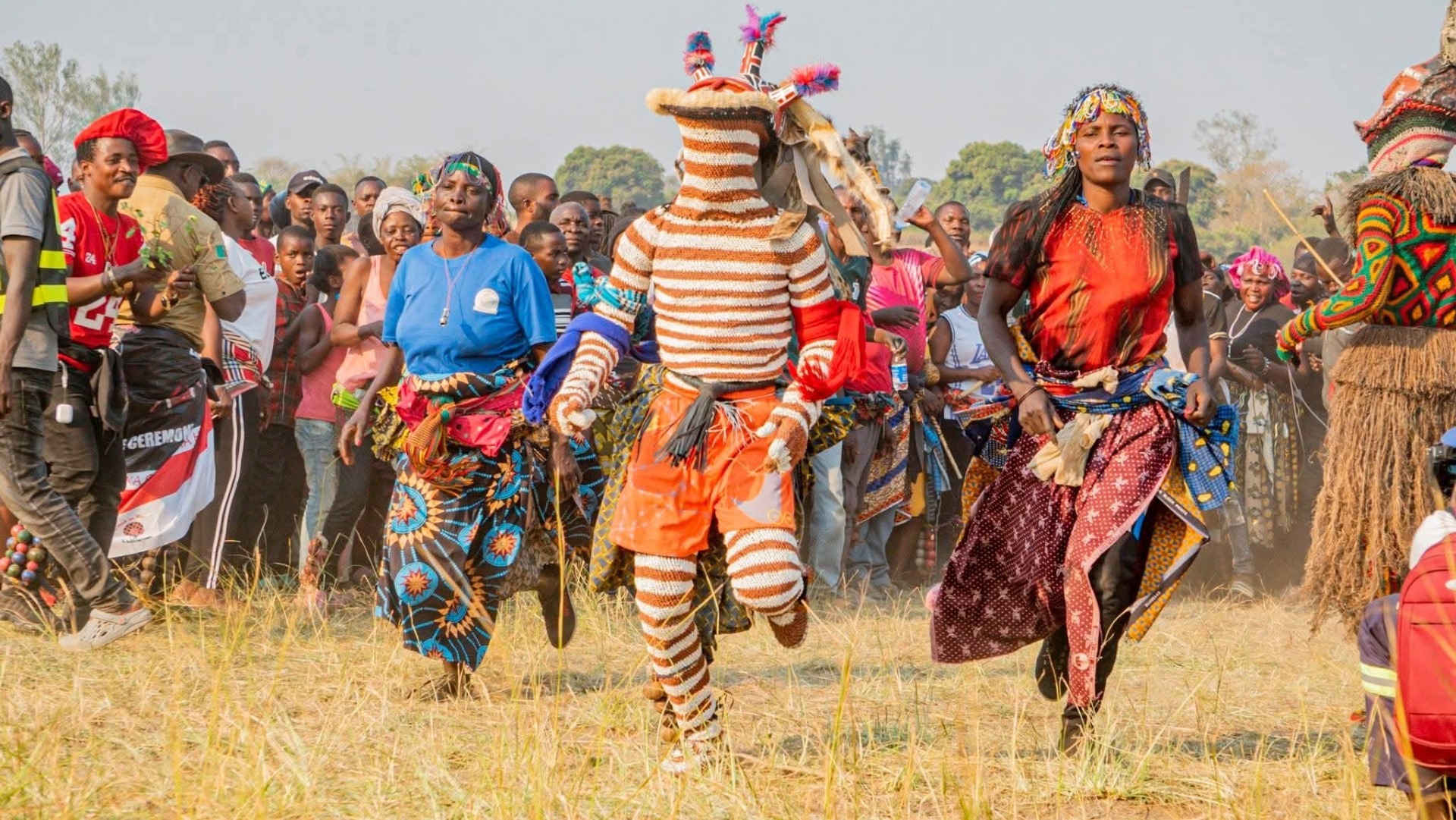
During August's chinela harvest festival, Bemba villagers process with drums and masked dancers, celebrating millet yields. These events blend reverence for fertility spirits with communal feasting on beer brewed from finger millet. Travellers joining respectfully gain glimpses into sacred dances rarely seen beyond initiates.
Craftwork flourishes too: women weave baskets from ilala palms, patterns encoding clan histories. Men carve wooden stools symbolising authority, traded at weekly markets thrumming with barter and song.
Lozi Majesty and the Kuomboka Ceremony
In the Zambian western floodplains, the Lozi people orchestrate one of Africa's grandest cultural spectacles: the Kuomboka paddle festival. Held annually between February and April as Zambezi waters crest, the Litunga king embarks from Lealui to Limulunga on the majestic Nalikwanda canoe, propelled by 120 oarsmen amid thunderous drums.
Villages along the Barotse floodplain prepare for weeks, crafting regalia of feathers and beads. Spectators in thousands line the banks, their cheers rising with the royal flotilla's silhouette against monsoon skies. This migration symbolises harmony with the river's cycles, a tradition dating back over 300 years.
Beyond the ceremony, Lozi daily life revolves around floodplain farming and cattle herding. Silkworm rearing, introduced by missionaries, now supplements incomes, with women spinning threads into vibrant fabrics sold regionally.
Luapula Province: Fishing Lore and Taboos
Luapula's lakeside villages pulse with fishing heritage, where Ushi and Tabwa communities navigate Lake Bangweulu in dugout canoes. Sacred taboos govern catches: certain fish species, like the mpasa tigerfish, demand rituals before consumption to appease water spirits. Nets woven from reeds trap schools at dawn, hauls shared in village distributions.
Taboos Shaping Sustainable Practices
These prohibitions extend to no-fishing zones during spawning seasons, fostering ecological balance long before modern conservation. Elders enforce rules through storytelling sessions, where violators face communal sanctions. Such practices ensure fish stocks replenish, supporting over 100,000 livelihoods.
Culinary traditions shine in makobo fish stews simmered over open fires, seasoned with native herbs. Festivals like Mutomboko honour victorious fishermen with wrestling matches and beer libations, blending athleticism with spiritual gratitude.
Luapula's fishing taboos are ancient wisdom encoded in daily practice, safeguarding lakes for future generations.
Tonga Potters and Eastern Highland Crafts
Eastern Zambia's Tonga villages excel in pottery, with women coaxing earthenware from river clays near Chief Sinazongwe. Coiled vessels, burnished to glossy finishes in open kilns, serve daily needs from cooking pots to ceremonial urns. Patterns etched before firing depict fertility motifs and clan totems.
Markets in Petauke showcase these alongside Nsenga wood carvings, where ancestral figures guard homesteads. The Gonde ceremony, held in July, features potters' processions invoking rain gods through song and dance.
Ethical Ways to Engage with Artisans
Cultural travellers can participate in workshops, learning coil techniques under master potters. Purchases support households, with prices reflecting hours invested—typically 500-2000 Zambian kwacha per piece. Always seek permissions for photography, honouring artisans' privacy.
Chewa Secret Societies and Masked Mysteries
In central Zambia's Chichewa heartlands, the Gule Wamkulu dance society unveils masked performers during funerals and initiations. Nyau dancers embody spirits in towering raffia costumes, their gyrations narrating moral tales to awed villagers. This UNESCO-recognised tradition spans Malawi borders, uniting communities through esoteric knowledge.
Initiation camps, lasting weeks, teach youth sacred lore away from public gaze. Women prepare feasts of chicken and nsima, their roles vital yet distinct from male masquerades. Encounters offer respectful observation during public displays, revealing layers of symbolism.
The best time to witness Gule is June to October's dry season, when villages host performances for harvest thanksgivings. Numbers vary: major events draw 500 dancers over three days.
Planning Ethical Cultural Immersion in Zambia
What is the best time to experience culture in Zambia? The dry season from May to October aligns with major festivals like Kuomboka and Ukusefya, offering clear weather and accessible villages. Avoid rainy months when floods isolate communities.
- Kuomboka (Feb-Apr): Barotse Floodplains—royal canoe procession with 12,000 spectators annually.
- Ukusefya pa Ng'wena (Aug): Bemba heartlands—chief homage with 50,000 attendees.
- Mutomboko (Jul): Luapula—warrior dances commemorating Lunda victories.
- N'cwala (Feb): Ngoni eastern province—first fruits rite with cattle slaughter.
Ethical visits prioritise community-led tours, contributing fees directly to locals. Encounters Africa partners with villages for guided immersions, ensuring cultural sensitivity.
Curating Your Zambian Cultural Journey
Zambian village life captivates through its blend of enduring customs and adaptive spirit, from Lozi royal paddles to Chewa masked enigmas. These threads connect past to present, inviting discerning travellers to witness authentic heritage. Plan with experts to navigate nuances respectfully.
For discerning travellers seeking private safaris beyond set itineraries, contact Encounters Africa directly. We specialise in designing exceptional, tailor-made journeys for individuals, couples, families, and private groups of up to eight guests. Drawing on our handpicked network of distinguished camps and lodges, we curate every detail with precision and care, creating a seamless, deeply personal safari experience shaped entirely around your preferences, pace, and budget.
More like this
Culture
What a Tanzanian Initiation Ceremony Taught Me About Identity and Respect
Culture
What a Visitor Learns When Joining Ugandan Rituals and Ceremonies

Culture
What African Traditions Reveal About Living Alongside Wildlife and Land
Culture
What Lingering Apartheid Memories Reveal About Modern South African Identity
Culture
What Lingering at a Zambian Initiation Ceremony Reveals About Continuity
Culture