culture
Uganda's Cultural Mosaic: Key Groups and Their Distinct Traditions
Encounters Africa - 6 min read
Updated on 1 May 2026
Uganda's cultural mosaic reveals over 50 distinct ethnic groups, each weaving unique threads into the nation's vibrant social fabric. From the highland foragers of the Ik to the longhorn cattle herders of the Banyankole, these communities preserve ancient languages, rituals, and livelihoods that captivate discerning travellers. This diversity, concentrated in a land smaller than Britain, fuels national unity while offering immersive experiences amid stunning landscapes.
Encounters Africa invites you to explore these traditions through tailored journeys that connect you authentically with Uganda's peoples. Whether joining a Karamojong cattle camp ceremony or witnessing Baganda royal drumming, these encounters deepen appreciation for the country's cultural richness.
Uganda's Ethnic Diversity: A Snapshot
Uganda hosts more than 50 ethnic groups, speaking over 40 languages, making it one of Africa's most culturally varied nations. The Baganda, forming about 17% of the population, dominate central regions around Kigali no, wait Uganda's Kampala. Nilotic speakers like the Acholi and Langi thrive in the north, while Bantu groups such as the Basoga and Banyoro occupy the east and west. This mosaic stems from centuries of migrations, intermarriages, and adaptations to diverse terrains from savannas to volcanoes.
The 2014 census recorded 56 groups, with smaller ones like the Ik and Batwa numbering under 10,000 each. Languages range from Bantu tonal dialects to Nilotic vowel-rich tongues, often accompanied by intricate oral histories. Travellers encounter this blend in markets, festivals, and homestays, where English serves as a unifying bridge.
These groups' synergies—through trade, inter-ethnic marriages, and shared governance—bolster Uganda's stability post-1986. For visitors, this means authentic interactions that reveal resilience and hospitality.
Over 50 ethnic groups thrive in Uganda, from Ik highland foragers to Banyankole longhorn herders, fueling national unity and visitor intrigue.
The Baganda: Kingdom Heart in the Centre
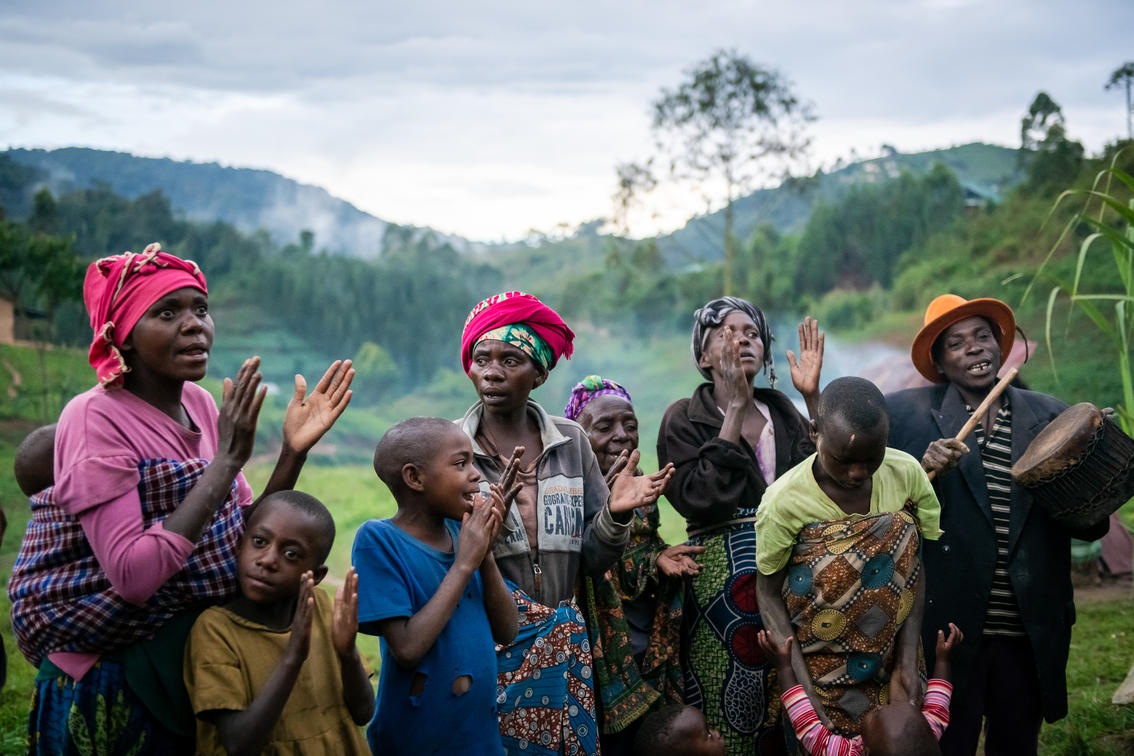
The Baganda, Uganda's largest ethnic group at around 17% of 48 million people, anchor the cultural and political core near Kampala. Famous for matooke (steamed banana) plantations terracing lush hills, their economy blends agriculture with urban enterprise. Kiganda traditions revolve around the Kabaka's royal court, where barkcloth robes and royal drums symbolise hierarchy and continuity.
Rituals and Daily Life
Baganda rituals include Kwanjula, elaborate bride-price ceremonies with dancing and feasting that can last days. Music features ngoma drums, embaire xylophones, and storytelling epics recited at clan meetings. Women excel in pottery and weaving, crafting kitsandikwa mats for homes.
Visitors can attend the Kabaka's birthday celebrations in July, drawing thousands to Mengo Palace for processions. Homestays in Wakiso district offer cooking classes with fresh matooke and groundnut sauce.
Northern Warriors: Acholi and Karamojong
In Uganda's north, the Acholi (5% of population) inhabit Gulu and Pader, known for laribari harp music and bwola dances mimicking warriors' prowess. Recovering from past conflicts, they farm sorghum, raise cattle, and perform healing rituals with ajwaka diviners using sacred arrows.
The Karamojong, pastoralists in the northeast's rugged plains, embody nomadic resilience. Numbering about 1.1 million, they live in manyattas (thorn-fenced kraals) protecting longhorn herds from raiders. Men adorn themselves with ivory and brass, while women wear goatskin skirts beaded intricately.
Cattle Culture and Ceremonies
Karamojong rites centre on cattle: ngimus ceremonies mark manhood with scarification and cattle leaps. Annual festivals like the Karamoja Festival in Moroto showcase wrestling and ngakarait song-dances. Ethical visits via Encounters Africa support community conservancies blending culture with wildlife viewing.
In Karamojong manyattas, cattle aren't mere livestock—they're the currency of status, alliance, and survival across arid plains.
Banyankole and Batoro: Western Herders and Kingdoms
The Banyankole (9.5%) of southwest Uganda herd the iconic Ankole longhorns, whose lyre-shaped horns symbolise wealth. Divided into pastoralist Bahima and agricultural Bairu, their Omugabe king presides over rituals like bride-wealth exchanges in cows. Milk curds, or eshabwe, feature in feasts.
Neighbours, the Batoro (2.3%), maintain the Tooro Kingdom around Fort Portal, famed for salt mining at Lake Katwe and barkcloth production. Their Empaako pet names foster warmth—everyone has one like Akiiki (first-born female).
Best time to visit: June to September, when dry weather aids herding spectacles. Encounters Africa arranges private audiences with cultural keepers.
Eastern Lakeside Peoples: Basoga and Bagwere
Along Lake Victoria's shores, the Basoga (8%) fish the Nile, crafting reed canoes and smoking tilapia over acacia fires. Their music blends xylophones with adungu lutes, performed at imbalu circumcision rites for boys entering manhood.
The Bagwere further east grow millet and cotton, with dances like the kiganda featuring energetic stomps. Pottery and basketry adorn homes, traded in bustling Jinja markets.
Water-Based Traditions
Basoga regattas on the Nile draw crowds for canoe races and fishing lore. Women dive for clay, shaping pots fired communally. These groups highlight Uganda's riparian cultures.
Marginalised Foragers: Ik, Batwa, and Benet
The Ik, about 10,000 strong in Kidepo's highlands near Uganda's northeast border, are semi-nomadic foragers gathering honey and tubers. Facing land pressures, their age-set systems and terrace farming sustain them. Storytelling preserves myths of mountain spirits.
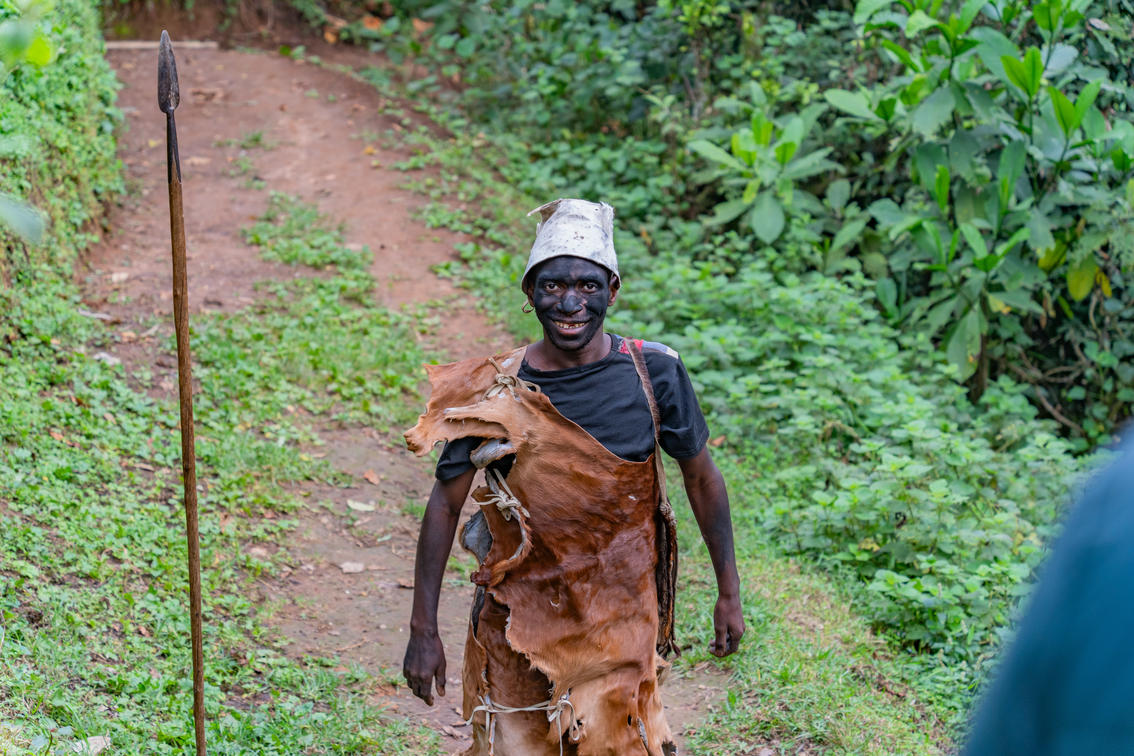
Forest-dwellers Batwa (3,000) once hunted in Bwindi and Mgahinga, now net-makers and musicians post-eviction for gorilla parks. Benet herdfolk in Mount Elgon cultivate Irish potatoes amid cliffs.
Conservation efforts integrate these groups via revenue-sharing. Encounters Africa supports ethical tours teaching Batwa bow-making.
Planning Your Cultural Journey in Uganda
What is the best time to visit Uganda's cultural groups? The dry seasons—June to October and December to February—offer optimal access to remote sites, with festivals peaking then. Avoid March-May rains that flood lowlands.
Central: Baganda festivals; stay near Kampala for markets.
North: Karamoja Festival (August); fly to Moroto.
West: Banyankole herding; combine with gorilla trekking.
East: Basoga regattas; boat from Jinja.
Combine with wildlife safaris in Queen Elizabeth or Volcanoes National Park areas. Book via Encounters Africa for seamless itineraries.
Embracing Uganda's Cultural Synergies
Uganda's ethnic groups, despite differences, unite through shared Swahili phrases, Christian festivals, and markets blending crafts nationwide. This harmony, forged post-independence, inspires travellers seeking depth beyond safaris.
For discerning travellers seeking private encounters beyond set itineraries, contact Encounters Africa directly. We specialise in designing exceptional, tailor-made journeys for individuals, couples, families, and private groups of up to eight guests. Drawing on our handpicked network of distinguished camps and lodges, we curate every detail with precision and care, creating a seamless, deeply personal experience shaped around your preferences, pace, and budget. Reach out today to craft your Ugandan cultural odyssey.
More like this
culture
Weaving Threads Through Zambian Village Life
Culture
What a Tanzanian Initiation Ceremony Taught Me About Identity and Respect
Culture
What a Visitor Learns When Joining Ugandan Rituals and Ceremonies
Culture
What African Traditions Reveal About Living Alongside Wildlife and Land
Culture
What Lingering Apartheid Memories Reveal About Modern South African Identity
Culture