Culture
What a Tanzanian Initiation Ceremony Taught Me About Identity and Respect
Encounters Africa - 11 min read
Updated on 17 June 2026
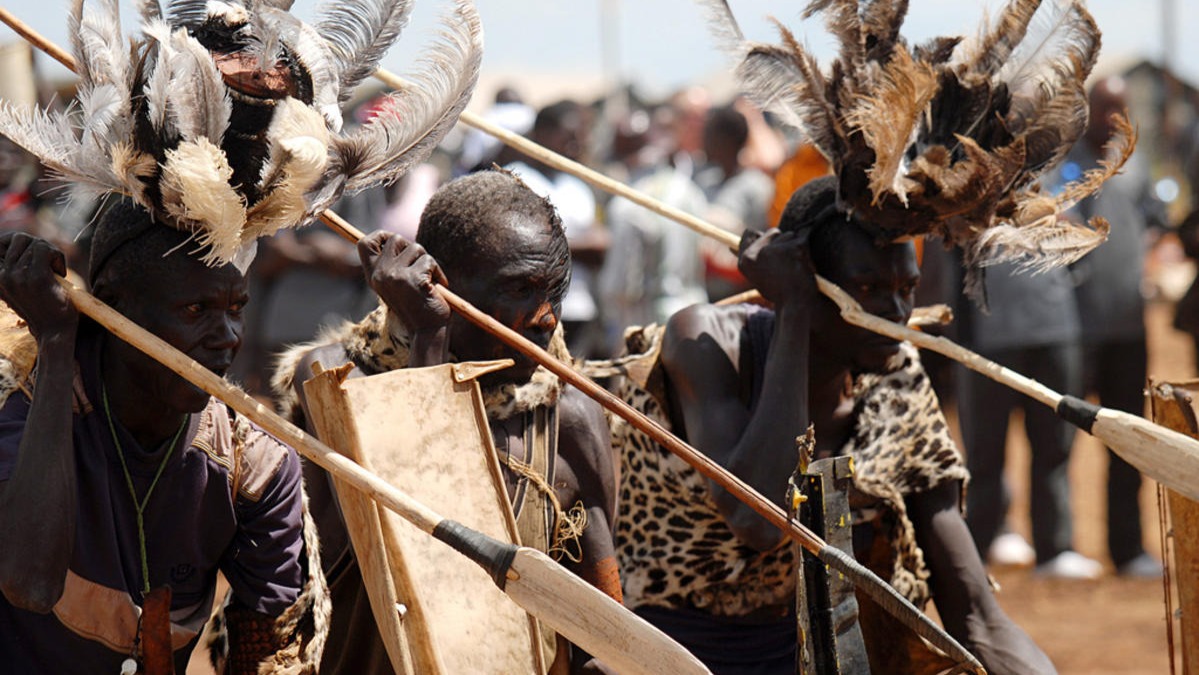
The rich tapestry of culture in Tanzania reveals itself not in museums but in the lived moments when ancient rites meet modern lives. During a recent journey through the northern highlands, I witnessed a young man's initiation ceremony that fundamentally altered my understanding of identity, respect, and what it truly means to belong. This personal encounter with Tanzanian traditions offered far more than colourful photographs; it provided a profound lesson in cultural humility that every thoughtful traveller should carry into their African experiences.
Tanzania is home to over 120 distinct ethnic groups, each preserving unique practices that have evolved across centuries while adapting to contemporary realities. From the pastoralist communities of the savannah to the coastal Swahili traders, these traditions form the backbone of social cohesion in a nation where 60 million people navigate both ancestral wisdom and global influences. The initiation ceremony I observed, conducted by the Chagga people near the slopes of Mount Kilimanjaro, demonstrated how such rituals continue to shape character, responsibility and community bonds in ways that statistics alone cannot convey.
Standing barefoot on the red earth as elders chanted in Kichagga, I realised that respect is not granted through polite words but earned through patient observation and genuine willingness to learn.
The Living Mosaic of Culture in Tanzania
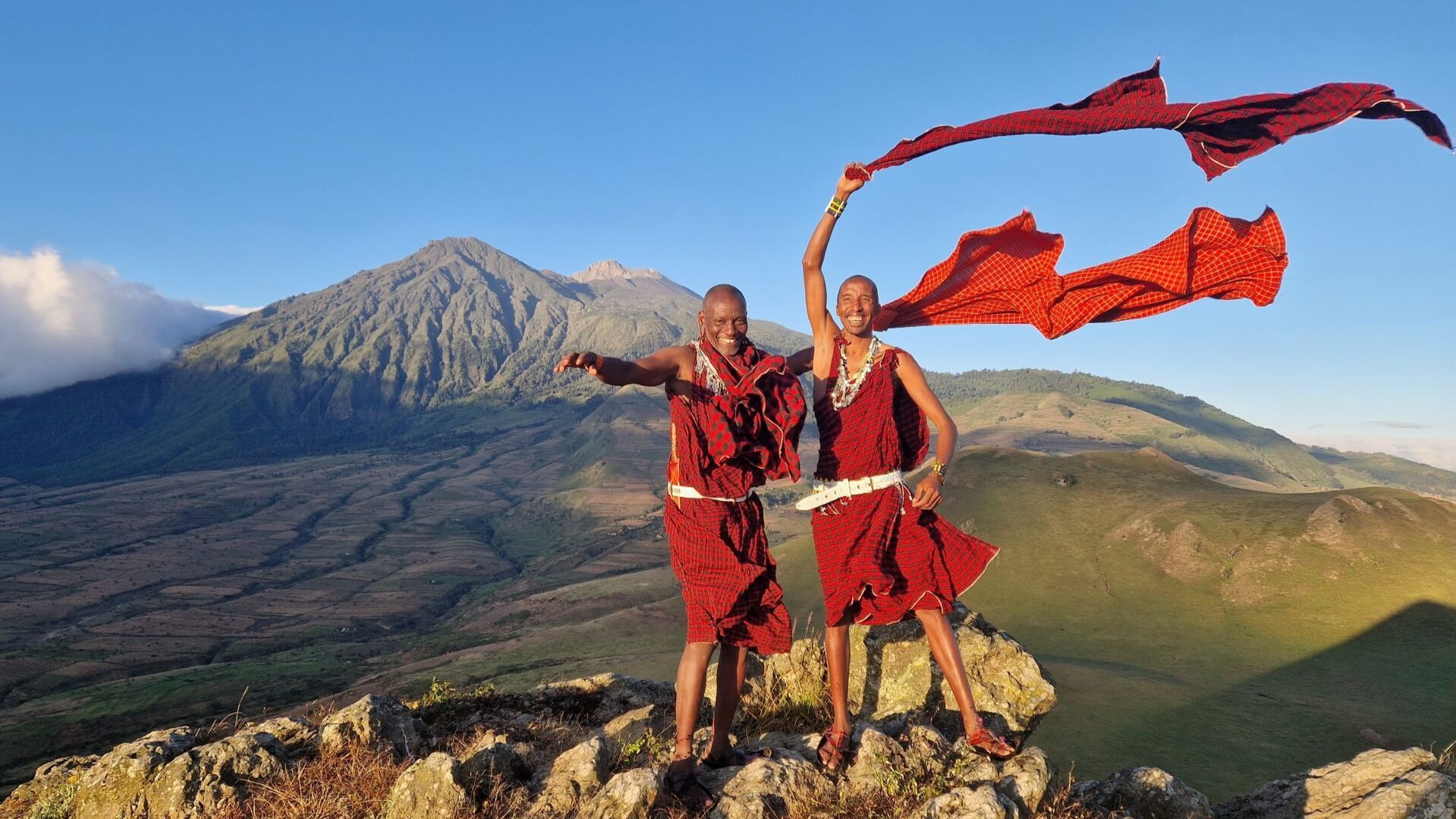
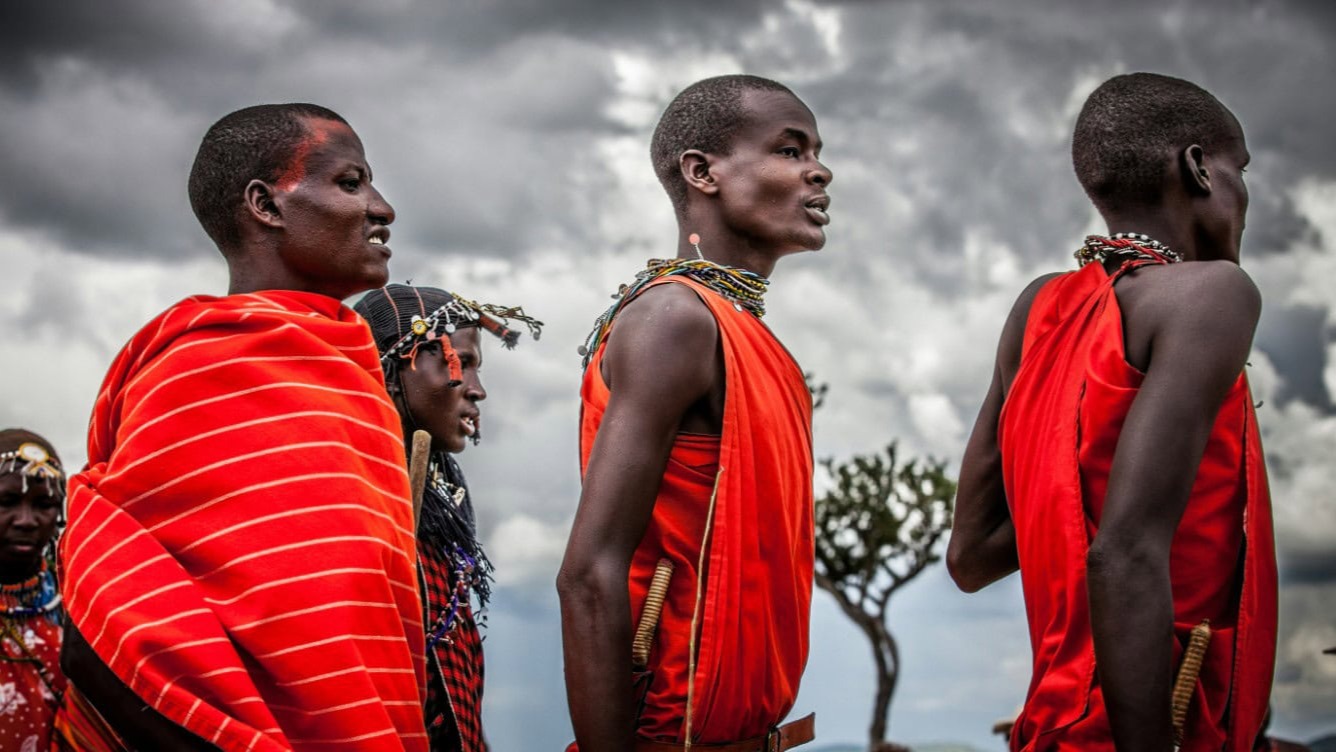
Understanding culture in Tanzania requires moving beyond the familiar images of Maasai warriors in red shukas. While the Maasai remain iconic, with their intricate beadwork and warrior traditions, they represent just one thread in an extraordinarily diverse cultural fabric. The Sukuma, Tanzania's largest ethnic group, maintain vibrant dance societies that perform during harvest celebrations, their rhythmic movements telling stories of resilience and communal strength.
Along the Indian Ocean coast, Swahili culture blends African, Arab and Persian influences, evident in the poetic taarab music that fills the narrow streets of Stone Town. In the central regions, the Nyamwezi people preserve oral histories that trace their ancestry back through generations of traders and farmers. These varied expressions of identity demonstrate how Tanzanian communities have absorbed external influences while maintaining distinctive practices that define their place in the world.
What makes culture in Tanzania particularly compelling is its integration into daily existence rather than existing as performance for visitors. Ceremonies marking birth, coming of age, marriage and death serve practical purposes, reinforcing social structures and transmitting values that sustain communities through challenging times. Recent studies by the University of Dar es Salaam indicate that over 70 percent of Tanzanians still participate in some form of traditional initiation, suggesting these practices remain remarkably relevant in the 21st century.

In a world increasingly dominated by digital connections, Tanzanian initiation rites remind us that true belonging stems from shared responsibility rather than individual achievement.
My Unexpected Invitation to a Chagga Initiation
The journey began with a simple conversation at a small coffee farm on the lower slopes of Africa's highest mountain. My host, a soft-spoken farmer named Thomas, mentioned that his nephew would soon undergo the traditional initiation that would mark his transition from boyhood to manhood. What started as polite interest evolved into an extraordinary privilege when Thomas extended an invitation for me to observe part of the ceremony.
Arriving at dawn, I found the family compound alive with anticipation. Women prepared vast quantities of food while men arranged seating areas with meticulous care. The initiate, 16-year-old Daniel, appeared both nervous and proud, dressed in traditional garments that his grandfather had worn decades earlier. What struck me immediately was the intergenerational nature of the gathering, with elders in their eighties sharing wisdom alongside teenagers checking messages on mobile phones.
The ceremony itself unfolded over three days, combining private teachings with public celebrations. Elders shared knowledge about land stewardship, family responsibilities and ethical leadership, lessons drawn from both ancestral practices and contemporary challenges. Daniel's face transformed during these sessions, moving from youthful uncertainty to quiet determination as he absorbed the weight of expectation placed upon him.
The Sacred Knowledge Passed Between Generations
During the private teachings, which I was graciously permitted to observe from a respectful distance, elders spoke of the mountain's significance to Chagga identity. Mount Kilimanjaro is not merely a geological feature but a living presence that shapes weather patterns, provides water and anchors spiritual beliefs. The instruction emphasised sustainable farming techniques developed over centuries, methods that have allowed communities to thrive on volcanic soils while protecting the watershed.
Respect emerged as the central theme running through every lesson. Respect for elders, for women, for the land and for oneself. These were not abstract concepts but practical guidelines for navigating life's complexities. One elder explained how proper respect creates the foundation for meaningful leadership, a message that resonated powerfully in our current global climate of division and discord.
The beadwork presented to Daniel during the ceremony carried specific meanings, each colour and pattern representing different virtues and responsibilities. The intricate designs, created by his aunts over many weeks, served as both adornment and reminder of the commitments he was making to his family and community.
What Tanzanian Initiation Ceremonies Reveal About Identity
The question travellers often ask is: What actually happens during a Tanzanian initiation ceremony, and why does it matter in modern times? Having witnessed one, I can share that these rites represent far more than symbolic passage. They constitute a comprehensive educational system that addresses physical, emotional, intellectual and spiritual development in ways that formal schooling rarely achieves.
In the Chagga tradition, initiation includes specific teachings about sexual responsibility, conflict resolution, environmental conservation and economic self-sufficiency. Young people learn not only about their cultural heritage but acquire practical skills for contributing meaningfully to their communities. Research from the Tanzania Cultural Heritage Organisation shows that participants in traditional initiation programmes demonstrate higher rates of community leadership and lower instances of social conflict.
The ceremony taught me that identity in Tanzanian cultures is not primarily about individual self-expression but about understanding one's place within a network of relationships. This collective approach to personhood creates resilience that many Western societies might envy, particularly during times of uncertainty. Daniel's transformation was visible, not through dramatic gestures but in the subtle shift in how he carried himself and interacted with others.

Identity, I learned on those Kilimanjaro slopes, is less about discovering who you are than about understanding who you are expected to become for those who depend on you.
Respect as the Foundation of Authentic Cultural Exchange
Approaching culture in Tanzania with genuine respect requires more than following basic etiquette guidelines. It demands a willingness to recognise that one's own cultural framework is simply one way of organising human experience among many equally valid approaches. This realisation came gradually during my time with Daniel's family, as I observed how my instinct to ask questions sometimes interfered with the natural flow of events.
The family demonstrated remarkable patience with my presence, explaining protocols without making me feel like an intruder. Their generosity in allowing an outsider to witness such an intimate ceremony reflected a confidence in their traditions that I found deeply moving. Rather than seeking validation through tourist interest, they extended hospitality as an expression of their own cultural values.
Learning when to speak and when to remain silent proved one of the most valuable lessons. In many Tanzanian communities, observation carries greater value than participation, especially for visitors. The elders taught Daniel that true wisdom includes knowing when to listen, a principle that applies equally to cultural engagement by international travellers.
Practical Guidelines for Respectful Cultural Engagement
Travellers interested in experiencing culture in Tanzania should prioritise several key principles. First, always engage through established community tourism initiatives that ensure benefits flow directly to local people. Second, approach invitations with appropriate seriousness, recognising that participation in ceremonies carries both privilege and responsibility.
Photography should only occur with explicit permission, and never during sacred moments unless specifically invited. Dress conservatively, follow instructions carefully, and express gratitude through both words and appropriate gifts that support community projects. Most importantly, maintain an attitude of genuine curiosity rather than treating cultural experiences as items to be collected.
Encounters Africa works with carefully selected partners who facilitate meaningful cultural connections while ensuring community control and benefit. Their approach emphasises learning over spectacle, creating opportunities for travellers to engage with Tanzanian traditions in ways that honour both host and guest.
Beyond the Ceremony: Lasting Lessons from Tanzanian Traditions
The impact of that initiation ceremony extended far beyond the three days I spent in the highlands. Returning to daily life, I found myself applying the principles of respect and responsibility in unexpected contexts. The patience demonstrated by Daniel's family when explaining complex concepts without condescension became a model for my own interactions, both professional and personal.
Tanzania offers travellers numerous opportunities to engage with living culture beyond the well-known safari circuits. Community conservancies around Ngorongoro and the Serengeti provide windows into pastoralist traditions, while coastal villages maintain Swahili customs that reflect centuries of maritime trade. Each encounter carries potential for the kind of transformative understanding I experienced in the Chagga community.
The integration of traditional knowledge with modern challenges represents one of Tanzania's greatest strengths. Young people like Daniel navigate mobile technology and global culture while maintaining deep connection to ancestral practices. This synthesis creates a resilient form of identity that embraces progress without discarding wisdom accumulated over generations.
Why Cultural Understanding Enhances Every Tanzanian Journey
Approaching any journey to Tanzania without consideration of its rich cultural heritage limits the experience significantly. The country's extraordinary wildlife and landscapes gain deeper meaning when understood within the context of communities that have coexisted with these environments for centuries. The elephant migrations across the Serengeti become more than spectacular natural phenomena when viewed through the lens of local conservation ethics and traditional knowledge systems.
Many visitors express surprise at discovering how seamlessly traditional practices exist alongside contemporary developments. Mobile banking operates effectively in rural areas where initiation ceremonies continue to mark life transitions. Solar power projects complement rather than replace traditional agricultural wisdom. This harmonious integration challenges simplistic notions about tradition versus modernity that often characterise discussions about African societies.
For those planning to visit, incorporating cultural experiences into wildlife-focused itineraries creates more balanced and meaningful journeys. Whether observing traditional dances in Elewana Serengeti Pioneer Camp or visiting community projects near Selous Game Reserve, these encounters provide context that enriches every aspect of the safari experience.
Embracing Tanzanian Wisdom in an Interconnected World
The lessons learned during that Chagga initiation ceremony continue to influence how I approach both travel and life. The emphasis on responsibility, respect and community offers valuable perspective in our increasingly individualised world. Tanzania's ability to preserve cultural distinctiveness while embracing beneficial change provides inspiration for communities everywhere navigating the complexities of globalisation.
As travellers, we bear responsibility to engage with these living traditions in ways that support rather than undermine them. This means moving beyond passive observation toward active appreciation, asking thoughtful questions, and recognising the expertise within communities that have sustained their cultures through centuries of change.
For discerning travellers seeking a private safari beyond our set itineraries, we invite you to contact us directly. We specialise in designing exceptional, tailor-made journeys for individuals, couples, families, and private groups of up to eight guests. Drawing on our handpicked network of distinguished camps and lodges, we curate every detail with precision and care, creating a seamless, deeply personal safari experience shaped entirely around your preferences, pace, and budget.
Consider incorporating meaningful cultural engagement into your Tanzanian journey. The country offers far more than spectacular wildlife encounters. Through thoughtful interaction with its diverse communities, visitors gain insights that remain long after memories of dramatic sunsets and magnificent animals have faded. The true wealth of Tanzania lies not only in its natural heritage but in the wisdom, resilience and hospitality of its people.
Whether you dream of witnessing traditional ceremonies, learning about sustainable farming practices, or simply sharing meals with local families, Encounters Africa can facilitate experiences that honour both your desire for authentic connection and the dignity of the communities who welcome you. The lessons awaiting in Tanzania's cultural landscape may prove to be the most valuable discoveries of your entire African journey.
More like this
Culture
What a Visitor Learns When Joining Ugandan Rituals and Ceremonies

Culture
What African Traditions Reveal About Living Alongside Wildlife and Land
Culture
What Lingering Apartheid Memories Reveal About Modern South African Identity
Culture
What Lingering at a Zambian Initiation Ceremony Reveals About Continuity
Culture
What Shapes the Distinct Rhythms of Daily Life Across Ugandan Communities
Culture