Culture
Tracing Zambia’s Cultural Roots from Ancient Kingdoms to Modern Traditions
Encounters Africa - 12 min read
Updated on 21 July 2026
Zambia's cultural heritage weaves together stories of ancient kingdoms, resilient migrations, and living traditions that continue to shape the nation today. From the sophisticated political systems of pre-colonial empires to the vibrant ceremonies performed across its 73 ethnic groups, the history of culture in Zambia reveals a dynamic tapestry of adaptation and continuity. This rich legacy, spanning over a millennium, offers travellers profound insights into how communities have navigated trade routes, colonial pressures, and modern independence while preserving their distinct identities.
The history of culture in Zambia is one of layered influences, where Bantu migrations met established societies, and river systems like the Zambezi became arteries for ideas, goods, and rituals. Today, these threads manifest in annual festivals, initiation practices, and oral histories that bind generations. Encounters Africa has guided many travellers through these living expressions, helping them engage respectfully with communities whose customs have endured for centuries.
The Dawn of Kingdoms: Early Settlers and Iron Age Foundations
Archaeological evidence points to human presence in what is now Zambia dating back over 100,000 years, but the foundations of its distinctive cultural framework emerged during the Iron Age around 300 AD. Early farming communities, skilled in iron smelting and pottery, established settlements that would evolve into more complex societies. These groups cultivated sorghum and millet, tended livestock, and developed sophisticated metallurgical techniques that supported both agriculture and trade.
By the 9th century, the region saw the rise of early state systems, particularly in the southern areas where cattle-keeping became central to social organisation and wealth. The ancestors of the modern Tonga people created hierarchical structures that emphasised lineage and spiritual connections to the land. Copper from the Copperbelt region flowed along trade networks reaching as far as the Indian Ocean coast, exchanging for glass beads, cloth, and salt that would influence artistic expressions and ceremonial regalia for generations.
The copper bangles and iron bells unearthed from ancient burial sites speak not merely of trade, but of a society that valued both utility and symbolism in objects that connected the living with their ancestors.
These early developments set patterns of governance, spiritual belief, and artistic production that would characterise Zambian societies for centuries. Pottery styles from this period show remarkable continuity with certain contemporary ceramic traditions, demonstrating how material culture has served as both practical vessel and cultural marker across more than a thousand years.
The Rise of the Luba-Lunda Influence and the Birth of Major Kingdoms
Between the 14th and 17th centuries, a significant cultural transformation occurred as Luba and Lunda political models spread southward from what is now the Democratic Republic of Congo. These sophisticated systems of governance, with their emphasis on divine kingship and tribute networks, profoundly shaped the emerging kingdoms of Zambia. The Lunda established the Mwata Yamvo empire, whose influence extended deep into Zambian territory and introduced concepts of centralised authority that adapted to local contexts.
The most prominent of these was the Kingdom of the Bemba, which by the 18th century had become one of the most powerful polities in the region. Under leaders known as Chitimukulu, the Bemba expanded through strategic alliances and military prowess, creating a federation of chiefdoms bound by shared language, rituals, and reverence for ancestral spirits. Their military organisation and agricultural innovations allowed them to dominate the northern plateau, where they cultivated finger millet and maintained large cattle herds.
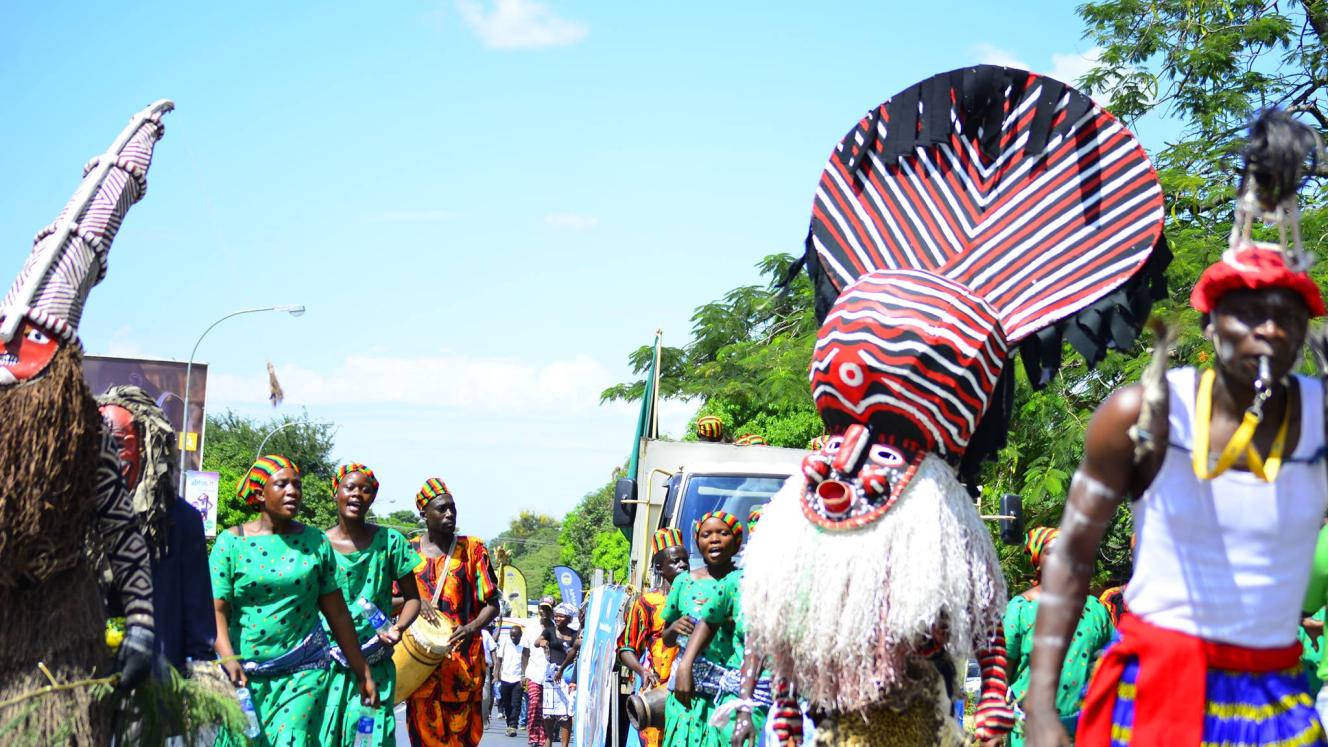
Further west, the Lozi people established the Barotseland kingdom along the floodplains of the Zambezi River. Their sophisticated understanding of the annual flooding cycle shaped not only their agriculture but their entire social calendar and spiritual worldview. The Litunga, or king, would lead the entire court in the famous Kuomboka migration, moving from the flooded plains to higher ground in a spectacular procession of barges and traditional regalia that continues to this day.
In the rhythmic paddling of the royal barge and the measured steps of the Makishi dancers, one witnesses not performance but living history, where each movement carries the weight of centuries of environmental wisdom and political authority.
The Impact of Long-Distance Trade Networks
These kingdoms did not develop in isolation. Arab and Portuguese traders introduced new goods, ideas, and eventually religious influences that were selectively incorporated into existing frameworks. Ivory, slaves, and copper moved northward while textiles, firearms, and exotic shells flowed in from the east. This commerce enriched material culture, as seen in the elaborate beadwork and metalwork that became integral to ceremonial dress across ethnic groups.
The Ngoni people, arriving from the south in the 19th century as part of the Mfecane migrations, brought Zulu-influenced military structures and age-set organisations that further diversified Zambia's cultural landscape. Their integration with local populations created hybrid traditions that exemplify the adaptive capacity that characterises Zambian cultural history.
Colonial Encounters and Cultural Resilience
The late 19th century brought European colonisation, with Cecil Rhodes' British South Africa Company establishing control over the territory by 1890. What became Northern Rhodesia saw the imposition of colonial administration, missionary activity, and economic exploitation through mining. Yet rather than erasing indigenous practices, these pressures often prompted creative adaptations and quiet resistance through the maintenance of traditional authority structures.
Missionary education introduced literacy and new religious frameworks, but many communities blended Christian elements with ancestral veneration in ways that preserved core spiritual beliefs. The colonial period also saw the codification of customary law, which while restrictive in some aspects, helped formalise certain traditional leadership roles that would prove crucial after independence.
The copper mining boom in the 1920s and 1930s drew workers from across the country and beyond, creating urban melting pots where rural traditions found new expressions. In the mining towns, musical styles evolved as rural rhythms met Western instruments, laying groundwork for the vibrant contemporary music scene that would later gain international recognition.
Living Traditions: Zambia's Cultural Tapestry Today
Since gaining independence in 1964, Zambia has embraced its cultural diversity as a cornerstone of national identity. President Kenneth Kaunda's philosophy of humanism emphasised unity while celebrating the nation's 73 ethnic groups. This approach has allowed traditional practices to flourish alongside modern development, creating a cultural landscape where ancient and contemporary coexist in dynamic tension.
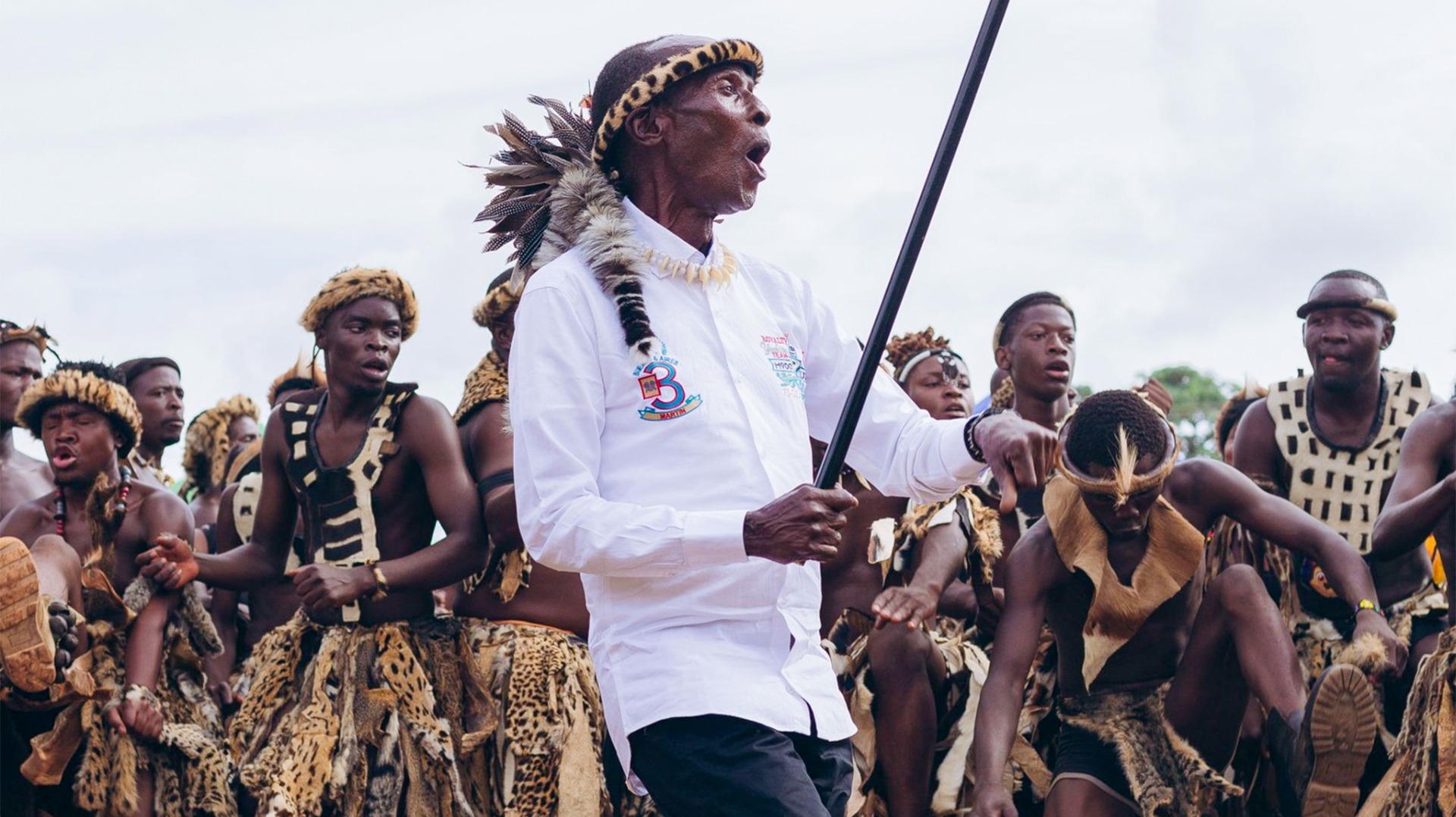
Today, the history of culture in Zambia reveals itself most vividly in the annual ceremonies that draw thousands of participants and spectators. These events serve multiple purposes: preserving oral histories, marking seasonal transitions, initiating young people into adulthood, and reinforcing social bonds. Many ceremonies have evolved to incorporate elements from different groups, creating new traditions that reflect Zambia's multicultural reality.
When the dust rises from thousands of feet moving in perfect synchrony during the Nc'wala ceremony, one understands that these gatherings are not relics of the past but vital expressions of living identity in a rapidly changing world.
The Lozi and the Kuomboka Ceremony
Perhaps the most spectacular is the Kuomboka, which takes place in late March or early April when the Zambezi floods its plains. The Litunga travels from Lealui to Limulunga in a flotilla of colourful barges, accompanied by the royal family, councillors, and musicians. The journey, which can take several days, culminates in a grand reception featuring traditional dances, including the spectacular Makishi masked performances that represent ancestral spirits.
This ceremony, recognised by UNESCO as part of humanity's intangible cultural heritage, demonstrates the Lozi people's profound connection to their riverine environment. The timing is determined not by calendar but by environmental cues, showing how traditional ecological knowledge continues to guide cultural practice in the 21st century.
Bemba, Tonga, and Other Vibrant Expressions
The Bemba people celebrate the Chisungu initiation ceremony for young women, a rite of passage that combines instruction in social responsibilities with elaborate dances and symbolic teachings. Similarly, the Tonga of southern Zambia maintain the Lwiindi ceremony, which honours rain spirits and ancestral guardians through music, dance, and communal feasting.
Other notable events include the Mutomboko of the Lunda people, which commemorates their warrior heritage with mock battles and displays of traditional regalia, and the Nc'wala of the Ngoni, a first fruits ceremony that features spear dances and praises to the paramount chief. Each of these events offers travellers an authentic window into the values, histories, and worldviews of Zambia's diverse communities.
Art, Music, and Oral Traditions as Cultural Archives
Zambia's artistic heritage extends far beyond ceremony into everyday creative expression. Traditional crafts such as basketry, pottery, woodcarving, and beadwork continue to evolve while maintaining distinctive regional styles. The wire sculptures of the Copperbelt, for instance, transform industrial materials into whimsical representations of animals and human figures, demonstrating remarkable adaptability.
Music serves as both entertainment and historical record, with mbira players, drummers, and singers preserving genealogies and moral teachings through performance. Contemporary Zambian musicians frequently draw on these traditional forms, creating fusions that have gained international acclaim while keeping cultural knowledge relevant to younger generations.
Oral literature remains a vital repository of history and wisdom. Storytellers, often respected elders, use proverbs, folktales, and historical narratives to transmit knowledge about governance, environmental management, and social ethics. Many of these stories encode practical information about sustainable resource use, medicinal plants, and conflict resolution that holds increasing relevance in today's environmental challenges.
Understanding and Respecting Zambia's Cultural Heritage
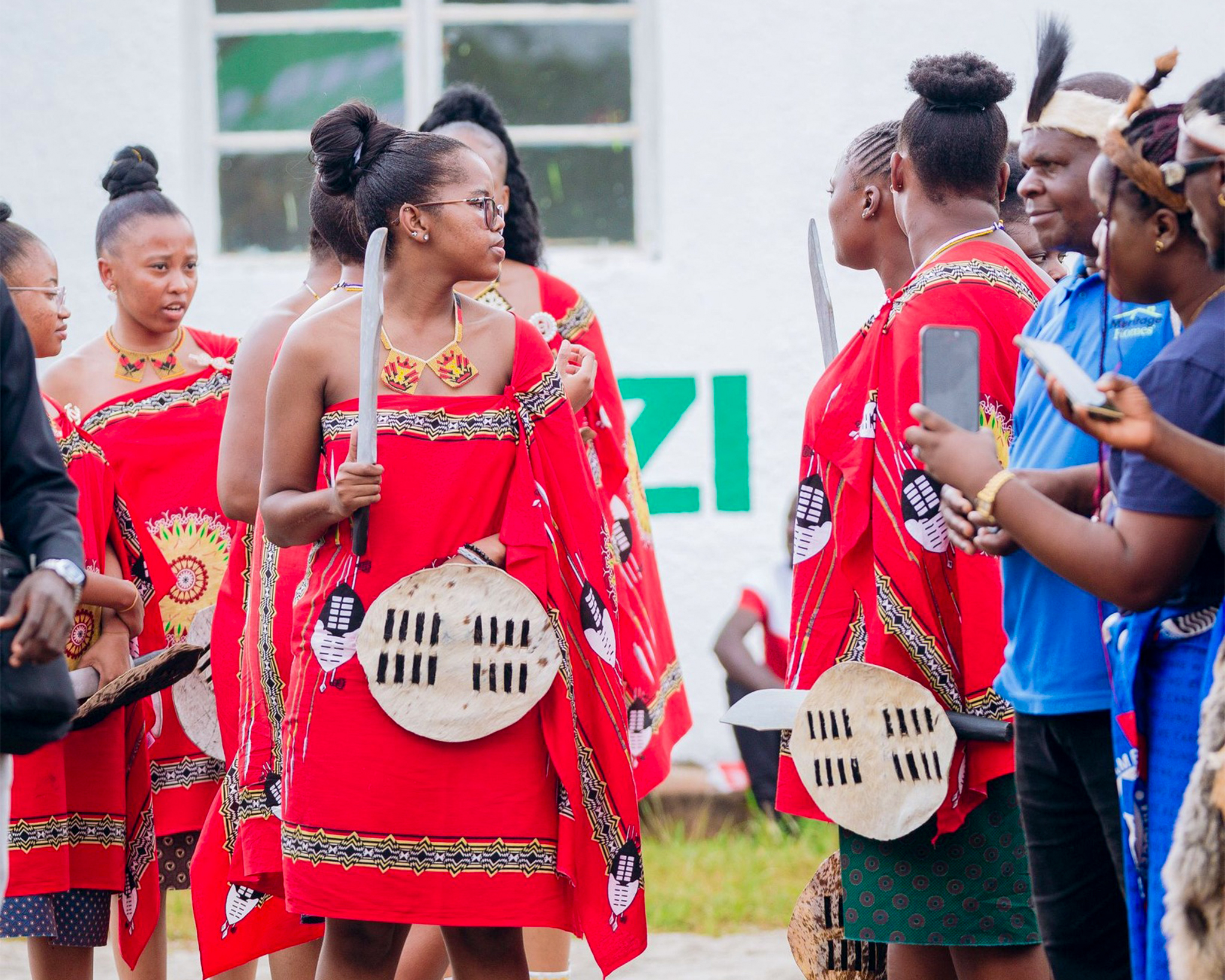
For travellers seeking meaningful engagement with Zambia's living culture, preparation and respect are essential. Learning basic greetings in local languages, understanding appropriate dress for ceremonies, and approaching communities with genuine curiosity rather than expectation creates space for authentic exchange. Photography should always be respectful and ideally preceded by permission.
Many cultural experiences are best appreciated through established community tourism initiatives that ensure benefits flow directly to local people. These programmes often include opportunities to participate in traditional activities, from learning basket-weaving techniques to joining in communal dances under the guidance of knowledgeable practitioners.
The best time to witness major ceremonies varies by region and event. The Kuomboka typically occurs between March and April, while many harvest festivals take place between June and August when agricultural work subsides. However, smaller ceremonies and everyday cultural expressions can be experienced throughout the year, particularly when visiting community conservancies or staying at lodges with strong local connections.
What Visitors Should Know About Zambia's Cultural Landscape
When did the major kingdoms of Zambia emerge? The Bemba kingdom consolidated power in the 18th century, while the Lozi kingdom along the Zambezi traces its roots to the 17th century, though both built upon much earlier state formations dating to the 14th century Luba-Lunda migrations.
How many ethnic groups call Zambia home? The country is home to 73 officially recognised ethnic groups, each with distinct languages, customs, and traditions that contribute to a remarkably diverse yet cohesive national culture.
What role does the environment play in cultural practices? Many Zambian traditions are intimately connected to the natural world, from the Lozi adaptation to annual flooding to rain-calling ceremonies among the Tonga that reflect deep ecological knowledge developed over centuries.
These questions represent common enquiries from those planning cultural journeys. The answers reveal how Zambia's history of culture continues to inform contemporary life, from governance structures to environmental stewardship and artistic innovation.
Zambia's cultural strength lies not in frozen tradition but in its remarkable capacity to absorb new influences while maintaining the essential values that have sustained its people through centuries of change.
Preserving Tomorrow's Heritage
As Zambia continues to develop, the challenge of balancing progress with cultural preservation remains ever present. Urbanisation, climate change, and globalisation all pose questions about how traditional knowledge systems can remain relevant. Yet the resilience demonstrated throughout the nation's history suggests that Zambian culture will continue to adapt and thrive, finding new expressions for ancient wisdom.
Community-led initiatives, supported by both government and private partners, are working to document endangered languages, revive fading crafts, and create sustainable economic opportunities through cultural tourism. These efforts ensure that the next generation inherits not only the stories of their ancestors but the means to keep those stories vibrant and meaningful.
For those drawn to deeper understanding of African societies, Zambia offers an exceptionally rich field of discovery. Its cultural heritage, forged through migration, kingdom-building, colonial encounter, and independence, presents a compelling narrative of human adaptability and the enduring power of tradition in shaping identity.
For discerning travellers seeking a private safari beyond our set itineraries, we invite you to contact us directly. We specialise in designing exceptional, tailor-made journeys for individuals, couples, families, and private groups of up to eight guests. Drawing on our handpicked network of distinguished camps and lodges, we curate every detail with precision and care, creating a seamless, deeply personal safari experience shaped entirely around your preferences, pace, and budget.
Whether your interests lie in witnessing the Kuomboka in full splendour, exploring the artistic traditions of the Copperbelt, or engaging with community initiatives that support cultural continuity, Encounters Africa can craft an experience that connects you meaningfully with Zambia's living heritage. We work closely with local cultural custodians to ensure visits are both enriching for travellers and beneficial for the communities who maintain these traditions.
Consider combining cultural exploration with time in South Luangwa National Park or along the Chobe River Front to experience the full spectrum of what this remarkable country offers. Our team of expert guides, many with deep personal connections to the communities we visit, will help you navigate the nuances of respectful cultural engagement while creating memories that resonate long after your journey ends.
More like this
culture
Uganda's Cultural Mosaic: Key Groups and Their Distinct Traditions
culture
Weaving Threads Through Zambian Village Life
Culture
What a Tanzanian Initiation Ceremony Taught Me About Identity and Respect
Culture
What a Visitor Learns When Joining Ugandan Rituals and Ceremonies

Culture
What African Traditions Reveal About Living Alongside Wildlife and Land
Culture