Photography
What Happens When Your Lens Meets a Leopard at Dawn in Sabi Sand
Encounters Africa - 9 min read
Updated on 2 July 2026
Photography in the Sabi Sand game reserves offers moments that linger long after the shutter closes. When your lens meets a leopard at dawn in this renowned South African reserve, the experience transcends mere image-making, becoming instead a profound dialogue between observer and observed. The low visitor numbers and exclusive traversing rights create an intimacy rarely found elsewhere, allowing photographers to anticipate, wait, and connect with wildlife on its own terms.
A seasoned wildlife photographer recounts his first private vehicle encounter with a coalition of male lions at sunrise, illustrating how the reserve's low visitor density transforms photography in the Sabi Sand game reserves into an art of anticipation and connection. This private access, combined with skilled rangers who understand animal behaviour intimately, elevates every game drive into a carefully orchestrated opportunity for compelling wildlife imagery.
The Unique Appeal of Sabi Sand for Wildlife Photographers
Nestled against the western boundary of the Kruger National Park, the Sabi Sand game reserves span approximately 65,000 hectares of pristine bushveld. This private concession grants vehicles the freedom to leave established roads, following animals across vast tracts of land without the constraints faced in public parks. Such flexibility proves invaluable when a pride of lions begins a hunt or when a leopard carries its kill into thicket.
The reserve's reputation for habituated big cats draws those serious about capturing authentic behaviour rather than distant silhouettes. Here, leopards lounge unperturbed on termite mounds while vehicles position themselves for the perfect angle and light. The dry season from May to September brings clear skies and concentrated water sources, creating predictable gathering points for photography in the Sabi Sand game reserves.
In the golden half-light before sunrise, the bush holds its breath. A single vehicle positioned respectfully can witness dramas that unfold without the intrusion of multiple lenses clicking in unison.
Seasonal Considerations for Optimal Shooting Conditions
Between June and September, the landscape takes on earthy tones of ochre and olive, providing beautiful contrast against the tawny coats of lions and leopards. Morning mists rise from the Sand River, offering ethereal backdrops for portraits. The wet summer months from November to March transform the terrain into a lush green canvas punctuated by dramatic thunderstorms that add atmosphere to landscape compositions.
April and October serve as excellent shoulder seasons when fewer visitors coincide with transitional light conditions. Photographers should note that temperatures can drop to 5°C at dawn during winter, making warm layers essential for those early starts when the best Sabi Sand game reserve photographic opportunities often materialise.
Sabi Sand Game Reserve Photographic Opportunities That Define the Experience
The diversity of subjects in this corner of South Africa ensures that no two drives yield the same results. Beyond the celebrated big five, photographers find rich pickings among smaller species. The reserve hosts over 300 bird species, from the vivid lilac-breasted roller to the impressive martial eagle perched on ancient leadwood trees.
Elephant herds gather at natural pans during the dry months, creating opportunities for environmental portraits that tell stories of scale and habitat. The famous leopard population, estimated at one individual per 2.5 square kilometres, offers some of the most reliable big cat encounters on the continent. Their distinctive rosettes catch the early light beautifully against the dappled shade of marula trees.
Photography here is less about chasing sightings and more about the quality of time spent with each subject. A single leopard in perfect light teaches more about patience than dozens of fleeting glimpses elsewhere.
Predator Action and Intimate Portraits
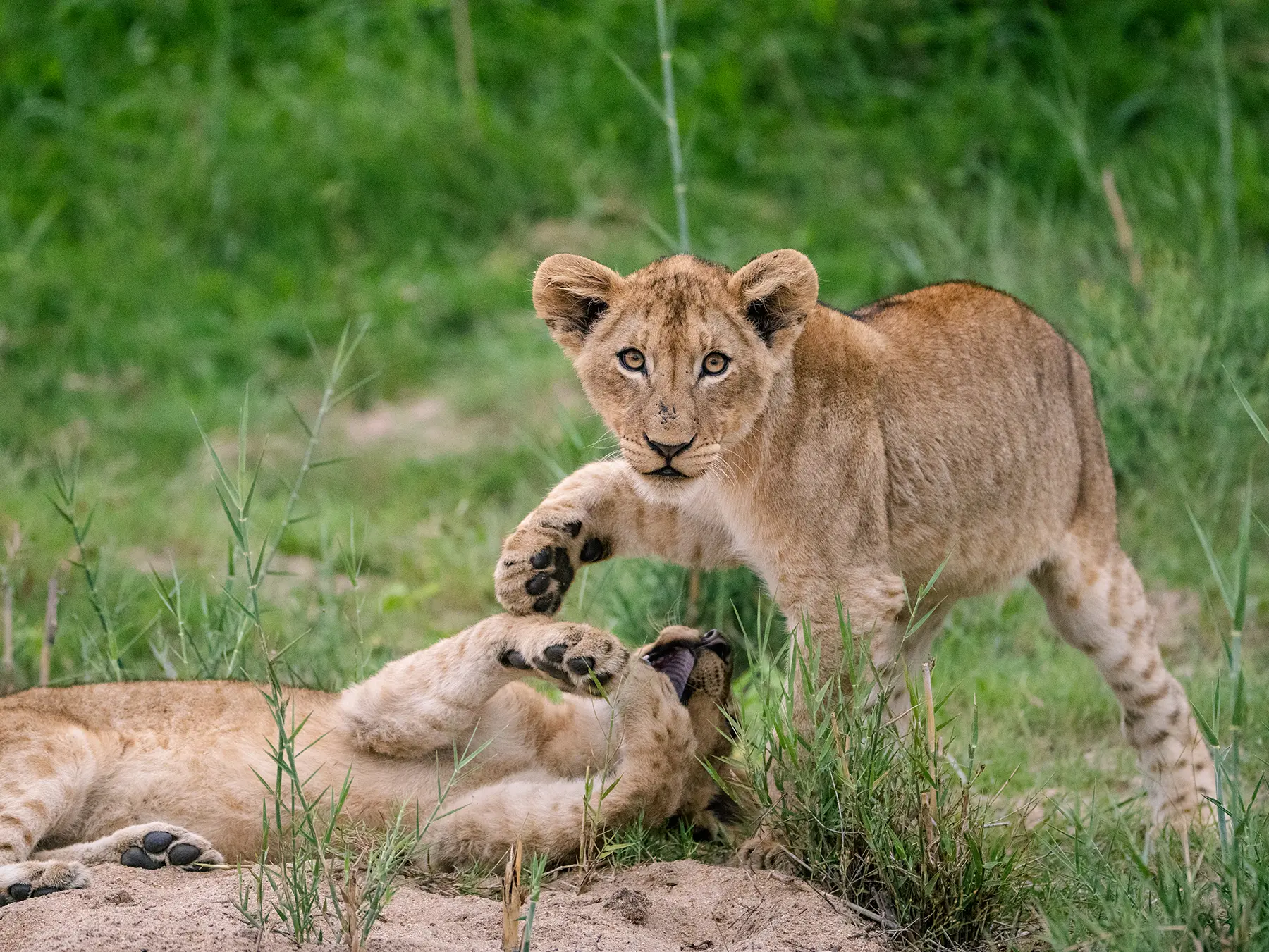
The habituation levels allow vehicles to remain with a coalition of young male lions for hours as they patrol their territory. Such extended encounters enable photographers to capture sequences of behaviour rather than single frames. Cheetahs, though less common, appear more frequently in the open savannah areas near the Manyeleti boundary.
Wild dogs have made a strong comeback in recent years, with several packs calling the reserve home. Their high-speed chases across the open plains provide some of the most dynamic action photography available in southern Africa. The key lies in anticipating their movements and positioning the vehicle ahead of the hunt.
Technical Approaches to Capturing Sabi Sand's Magic
Successful photography in the Sabi Sand game reserves demands thoughtful preparation and adaptability. Most professional guides recommend a versatile zoom lens such as 100-400mm or 200-500mm to handle everything from tight portraits to environmental scenes. A second body with a wider lens proves useful for capturing the broader landscape context.
Early morning and late afternoon light creates that sought-after warm glow, but the harsh midday sun can be harnessed creatively for high-contrast black and white conversions. Understanding how to read the available light and adjust ISO accordingly separates good images from exceptional ones. Many photographers find that shooting at f/5.6 to f/8 provides the ideal balance between depth of field and shutter speed when animals are on the move.
Composition Techniques Specific to the Reserve
The dense vegetation requires careful framing to avoid cluttered backgrounds. Professional guides often suggest using natural elements like branches or grass as foreground interest to add depth. When a leopard descends from a tree with its impala kill, the seconds immediately following its landing offer the most compelling action shots.
Negative space plays an important role in this environment. A lone giraffe against the vast savannah at sunset creates powerful minimalist compositions. Learning to wait for the decisive moment when an animal looks directly at the camera or when dust catches the light transforms ordinary sightings into memorable images.
The Role of Expert Guides in Elevating Your Photography
The quality of your guide often determines the success of a photographic safari. In the Sabi Sand, these individuals combine deep ecological knowledge with an intuitive understanding of what makes a compelling image. They anticipate animal movements based on tracks, wind direction, and time of day, positioning vehicles with the sun at the photographer's back whenever possible.
Many lodges now offer dedicated photographic vehicles equipped with bean bags and additional support for long lenses. Some even provide in-house photography workshops led by resident professionals who share insights gained from thousands of hours in the field. These sessions cover everything from understanding animal behaviour to post-processing techniques that enhance rather than manipulate the raw experience.
A good guide doesn't just find the animals. They help you see them with new eyes, revealing the subtle interactions that transform a good photograph into one that tells a complete story.
Reading Animal Behaviour for Better Results
Recognising the difference between a resting leopard and one preparing to hunt can mean the difference between capturing a yawn or documenting a successful kill. Experienced rangers teach photographers to notice the subtle signs: the flick of an ear, the tension in shoulder muscles, or the sudden alertness in a herd of impala.
This knowledge allows for more considered compositions rather than reactive shooting. When a hyena clan begins to mob a lioness near her cubs, understanding the likely progression of events helps photographers choose their focal points and settings in advance.
Conservation Through the Lens: A Deeper Purpose
Photography in the Sabi Sand game reserves carries responsibility alongside privilege. The images created here often support conservation messaging that protects these landscapes for future generations. Many lodges participate in initiatives that use guest photographs to monitor individual animals and track population health.
The financial contribution of photographic safaris helps fund anti-poaching efforts and community development projects surrounding the reserve. When travellers return home with powerful images of healthy ecosystems, they become advocates for the continued protection of these wild spaces. This connection between lens and conservation adds meaningful depth to the photographic journey.
Ethical Guidelines for Responsible Wildlife Photography
Respecting animal space remains paramount even in areas where wildlife appears relaxed around vehicles. Guides enforce strict protocols about approaching too closely or using artificial light that might disturb natural behaviour. The most compelling images often come from maintaining distance and allowing animals to behave as they would without human presence.
Many photographers now choose to limit their shots during sensitive moments, such as when a lioness nurses her cubs or when mating leopards require privacy. This restraint reflects a maturing approach to wildlife photography that values the welfare of subjects above the perfect portfolio shot.

Crafting Your Own Sabi Sand Photographic Journey
Whether you're an experienced professional or an enthusiastic amateur, the Sabi Sand game reserves reward those who approach them with patience and respect. The combination of exceptional wildlife density, expert guiding, and exclusive access creates conditions where meaningful photography becomes not just possible but inevitable.
For discerning travellers seeking a private safari beyond our set itineraries, we invite you to contact us directly. We specialise in designing exceptional, tailor-made journeys for individuals, couples, families, and private groups of up to eight guests. Drawing on our handpicked network of distinguished camps and lodges, we curate every detail with precision and care, creating a seamless, deeply personal safari experience shaped entirely around your preferences, pace, and budget.
Consider combining your photographic focus with stays at lodges like Dulini Leadwood, where the emphasis on intimate experiences perfectly complements serious image-making. Or explore the photographic riches of neighbouring regions through our South Africa safari collection that extends beyond the Sabi Sand into other remarkable wilderness areas. Many travellers also discover the value of pairing their bush experience with time at Cape Town to process their images and reflect on their African journey.
The images you create in the Sabi Sand will likely become more than mere photographs. They become vessels carrying the essence of wild Africa back to those who have yet to experience it themselves. Each frame holds the potential to inspire conservation action and deeper appreciation for the fragile beauty of these ecosystems.
At Encounters Africa, we understand that the most powerful photographs emerge not from technical perfection alone but from genuine connection with the landscape and its inhabitants. We would be delighted to help you craft an itinerary that allows ample time for those magical dawn encounters when your lens meets a leopard, or when a coalition of lions appears on the horizon just as the first light touches the acacia trees.
More like this
Photography
What Photographers Learn When They Track Gorillas at First Light in Uganda
Photography
What the Lower Zambezi Taught Me About Patience Behind the Lens
Photography
What the San Hunters Taught Me About Framing Light Across the Pans
photography
What the Zambezi Taught Me About Capturing Africa's Wild Pulse
photography
What Zimbabwe's Ancient Rock Formations Teach About Composition and Light
Photography