Photography
What Emerges When You Photograph Rwanda’s Gorillas Before the Mist Clears
Encounters Africa - 9 min read
Updated on 29 June 2026
Rwandan photography opportunities stand out for their ability to blend intimate wildlife encounters with dramatic environmental storytelling. Tracking mountain gorillas through Volcanoes National Park before the mist clears reveals layered compositions where silverback strength meets ethereal light, creating images that transcend typical safari documentation. This highland realm, home to roughly 1,000 of the world's remaining mountain gorillas, rewards patient observers with moments that capture both raw power and quiet familial bonds.
The interplay of dense bamboo, shifting atmospheric conditions, and troop dynamics produces singular frames rich with narrative depth. Whether isolating a young gorilla peering through vines or framing a silverback against a veiled volcanic slope, these experiences invite a more considered approach to wildlife photography moments in Rwanda. For travellers drawn to thoughtful image-making, the country's compact yet varied landscapes deliver consistent opportunities from dawn patrols in the Virungas to golden-hour drives across the eastern plains.
Why Pre-Dawn Tracking Transforms Gorilla Photography
Arriving at the trailhead while stars still punctuate the sky sets the stage for distinctive work. Porters and trackers move quietly through the montane forest as first light filters through the canopy, often accompanied by swirling mist that softens edges and adds atmospheric texture. This period before the sun burns through the haze offers a narrow window, typically lasting 30 to 45 minutes, when diffused illumination reveals subtle details without the harsh contrast that arrives later in the morning.
Photographers who embrace these conditions discover that the mist acts as a natural diffuser, lending a painterly quality to fur textures and facial expressions. The silverback's dark form emerges gradually against the pale veil, creating natural separation that would be difficult to achieve in brighter light. Such conditions encourage slower, more deliberate framing rather than rapid bursts, resulting in images that convey presence and personality rather than mere documentation.
The mist doesn't hide the gorillas; it reveals them in layers, each frame telling its own story of emergence and connection.
Equipment Considerations for Low-Light Forest Conditions
Successful images in these environments require thoughtful gear selection. A 70-200mm f/2.8 lens paired with a teleconverter provides versatility for both intimate portraits and environmental context, while a fast prime such as 50mm f/1.4 proves invaluable for available-light shots within the group. Stability matters in the uneven terrain, making a lightweight carbon-fibre tripod or monopod essential despite the physical demands of hiking to altitudes between 2,400 and 4,000 metres.
Weather-sealed bodies and lenses withstand the frequent moisture, and carrying lens cloths becomes second nature. Many experienced practitioners also bring a small LED panel for subtle fill light when working in particularly dense vegetation, though natural conditions usually suffice when timed correctly.

The Unique Character of Rwandan Photography Opportunities
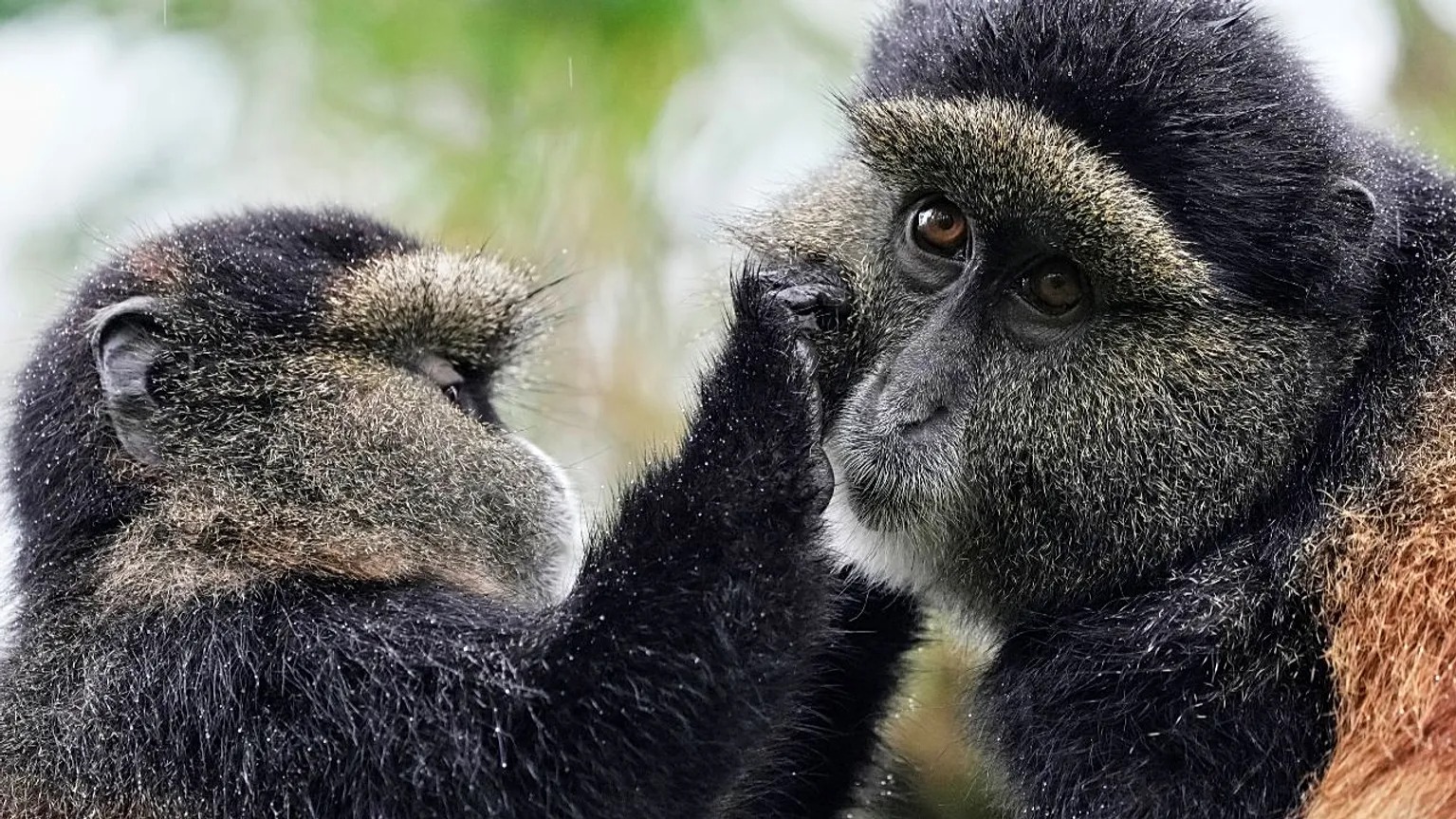
Beyond the Virungas, Rwanda presents an impressive range of subjects across remarkably accessible distances. A morning with gorillas can be followed by an afternoon photographing golden monkeys in the same national park, their orange coats vivid against the green undergrowth. Further east, Rwanda's Akagera National Park offers classic savanna scenes with fewer visitors than better-known East African reserves, allowing for unhurried observation of lion prides, elephant herds, and the rare shoebill stork along papyrus-fringed lakes.
This diversity within a country roughly the size of Wales enables photographers to build comprehensive portfolios without extensive travel. The cultural landscape adds another dimension, with opportunities to document traditional dances in villages bordering the parks or capture the daily rhythms of rural life that provide important context for conservation narratives.
In Rwanda, the camera becomes a bridge between species and cultures, recording not just what we see but what we feel in these shared spaces.
Understanding Troop Dynamics for More Authentic Images
The most compelling wildlife photography moments in Rwanda arise from anticipating behaviour rather than simply reacting to it. Silverbacks display with chest-beating sequences that last mere seconds but can be predicted by experienced trackers. Young gorillas engage in play that reveals personality traits, while females interact with infants in ways that speak to the species' complex social structure.
Guides from the national park organisation share insights into individual gorilla histories, allowing photographers to recognise recurring patterns. A particular silverback might favour certain vantage points for surveillance, while a curious juvenile often investigates visitors from a safe distance. This knowledge transforms random encounters into purposeful image creation.
Mastering Light and Composition in Rwanda's Highlands
The Virunga Mountains create their own microclimate, with mist forming and dissipating according to elevation and time of day. Early morning light tends toward cool blue tones that gradually warm as the sun rises, offering natural colour progression within a single session. Backlighting through mist creates halo effects around gorilla silhouettes, while shafts of sunlight piercing the canopy produce dramatic god rays that add depth to forest scenes.
Composition in these spaces benefits from the verticality of the landscape. Strong leading lines formed by bamboo stalks or lianas guide the eye toward subjects, while negative space created by mist emphasises the subject's importance. The rule of thirds remains useful, but many photographers find themselves drawn to more centred, symmetrical compositions that reflect the balanced family structures they observe.
Technical Approaches to Variable Conditions
Bracketing exposures helps manage the extreme contrast between bright mist and dark vegetation. Shooting in RAW format preserves maximum information for later adjustment, particularly when white balance shifts rapidly as mist interacts with changing sunlight. Many practitioners use manual mode to maintain consistency across sequences, adjusting ISO rather than aperture to preserve desired depth of field.
Understanding the limitations of autofocus in low contrast situations leads to more reliable results. Pre-focusing on a specific plane where gorillas are likely to move, then using continuous autofocus with a single point, often yields sharper images than fully automatic systems struggling with mist and foliage.
Photography here isn't about freezing action but about capturing the space between moments, where possibility lingers in the mist.
Conservation Through the Lens: Ethical Wildlife Photography Moments in Rwanda
The mountain gorilla population has increased from approximately 250 individuals in the 1980s to over 1,000 today, largely due to rigorous protection measures and community involvement. Photographers visiting these areas contribute directly to this success through permit fees that fund conservation efforts. Each trekking permit costs $1,500, with a significant portion supporting local communities and anti-poaching initiatives.
Responsible image-making extends beyond financial contribution. Maintaining the required seven-metre distance from gorillas respects their space while also protecting them from potential disease transmission. Flash photography is prohibited, encouraging practitioners to work with available light and develop greater skill in challenging conditions.
Supporting Local Communities Through Photography
Many lodges near Volcanoes National Park partner with surrounding villages, creating opportunities for cultural exchange that enrich photographic portfolios. Documenting these relationships, from beekeepers whose hives protect forest margins to artisans creating traditional baskets, provides important context for gorilla conservation stories.
These images help illustrate how protecting wildlife benefits human communities, strengthening the case for continued investment in Rwanda's conservation model. Thoughtful photographers seek permission before capturing portraits and often share images with their subjects, creating connections that extend beyond the safari experience.

Planning Your Rwandan Photography Experience
The optimal time for gorilla tracking runs from June to September when rainfall decreases and trails remain more accessible, though the December to February window offers its own advantages with generally clearer skies. Each sector of Volcanoes National Park presents slightly different conditions, with higher elevations typically experiencing more persistent mist that can enhance rather than hinder photographic opportunities.
Accommodation choices significantly impact the photography experience. Properties like Clouds Mountain Gorilla Lodge position guests closer to trailheads, allowing for earlier departures and more time with the gorillas. These lodges also offer drying rooms for equipment and knowledgeable staff who understand photographers' specific requirements.
What to Expect on a Typical Photography-Focused Itinerary
A well-structured six-day journey typically includes three gorilla treks, allowing photographers to work with different family groups and varying weather conditions. Additional days might incorporate golden monkey tracking, visits to Dian Fossey's grave, or exploration of nearby lakes. This pacing prevents fatigue while maximising creative output.
Most serious practitioners bring at least two camera bodies to avoid missing opportunities during equipment changes. A waterproof backpack becomes essential, as afternoon showers can arrive with little warning even during drier months.
Common Questions About Rwandan Photography Opportunities
What focal lengths work best for mountain gorilla photography in Rwanda? The majority of impactful images are captured between 70mm and 400mm. A 100-400mm zoom offers excellent versatility for behavioural shots while a 70-200mm excels at more intimate portraits. Prime lenses around 200mm or 300mm with wide apertures prove particularly effective in the forest's variable light.
How physically demanding is gorilla trekking for photographers with equipment? Treks typically last between two and seven hours round trip, with elevations ranging from moderate to quite challenging. Carrying camera gear adds weight, making it advisable to select lighter bodies and lenses where possible. Most operators provide porters who can carry equipment, though many photographers prefer keeping their primary camera with them.
Can beginners achieve good results photographing gorillas? While technical proficiency helps, the most important requirements are patience, respect for the animals, and willingness to work with available conditions. Professional guides and trackers provide positioning advice that often leads to strong compositions even for those new to wildlife photography.
Capturing Rwanda's Essence Through Your Lens
The country's ability to deliver both intimate wildlife encounters and broader environmental narratives makes it particularly valuable for photographers seeking depth in their work. From the mist-shrouded slopes of the Virungas to the open grasslands of Akagera, each landscape encourages a different way of seeing and interpreting the natural world. These experiences often shift how practitioners approach their craft long after returning home.
Whether documenting the tender interaction between a mother gorilla and her infant or capturing the vast scale of a volcanic landscape at dawn, the resulting images carry stories that extend beyond their frames. They speak to successful conservation, to the resilience of both wildlife and human communities, and to the privilege of witnessing these moments.
For discerning travellers seeking a private safari beyond our set itineraries, we invite you to contact us directly. We specialise in designing exceptional, tailor-made journeys for individuals, couples, families, and private groups of up to eight guests. Drawing on our handpicked network of distinguished camps and lodges, we curate every detail with precision and care, creating a seamless, deeply personal safari experience shaped entirely around your preferences, pace, and budget.
Connect with Encounters Africa to explore how we can craft a photography-focused journey in Rwanda that aligns with your creative vision. Our specialists understand the specific requirements of image-makers and can arrange experiences with expert local guides who share their deep knowledge of both the wildlife and the light that reveals it.
More like this
Photography
What Happens When Your Lens Meets a Leopard at Dawn in Sabi Sand
Photography
What Photographers Learn When They Track Gorillas at First Light in Uganda
Photography
What the Lower Zambezi Taught Me About Patience Behind the Lens
Photography
What the San Hunters Taught Me About Framing Light Across the Pans
photography
What the Zambezi Taught Me About Capturing Africa's Wild Pulse
photography