Photography
What Photographers Learn When They Track Gorillas at First Light in Uganda
Encounters Africa - 9 min read
Updated on 29 June 2026
Ugandan photographic opportunities reward those who rise before the forest stirs. Tracking endangered mountain gorillas at dawn reveals more than powerful portraits. Our narrative follows how Uganda's forest light, weather shifts, and the animals' own rhythms shape authentic wildlife photography in Uganda that goes beyond checklist images.
At first light in the misty highlands of Uganda, the air carries the scent of damp earth and wild celery. Photographers who join habituated groups learn quickly that technical skill alone cannot capture the depth of these encounters. The experience demands patience, adaptability, and a willingness to let the mountain rhythms guide the frame rather than forcing preconceived compositions.
The forest does not perform for the camera. It reveals itself only to those prepared to wait in the half-light, listening as much as looking.
The Unique Light of Uganda's Highland Forests
Volcanoes National Park sits at elevations between 2,400 and 4,000 metres, where moisture-laden clouds often cloak the slopes until mid-morning. This diffused light softens harsh contrasts that plague many African landscapes, creating a gentle luminosity ideal for primate portraiture. Early risers witness shafts of sunlight piercing the canopy in fleeting moments known locally as "God's fingers," an effect that lasts mere minutes after dawn.
During the dry seasons from June to September and December to February, reduced rainfall means clearer mornings and more predictable golden hour opportunities. However, the wetter months bring their own magic. Lush vegetation after rains in March to May and October to November adds rich emerald tones that contrast beautifully with the dark fur of mountain gorillas.
Professional guides from Encounters Africa explain that understanding these patterns allows photographers to anticipate rather than react. A sudden break in the mist can transform an ordinary sighting into an ethereal image within seconds, rewarding those who remain alert even in seemingly poor conditions.
Working with Changing Weather Conditions
Rain is frequent in these equatorial highlands, arriving without warning and departing just as suddenly. Rather than packing away equipment, seasoned wildlife photographers in Uganda treat these downpours as opportunities. Water droplets clinging to leaves and gorilla fur create sparkling highlights when the sun returns, adding texture and dimension to images.
Fog and low cloud can persist for hours, yet they lend an atmospheric quality rarely found in brighter savannah settings. Silhouettes against swirling mist often convey more emotion than perfectly lit portraits. The key lies in embracing rather than fighting the conditions that define this environment.
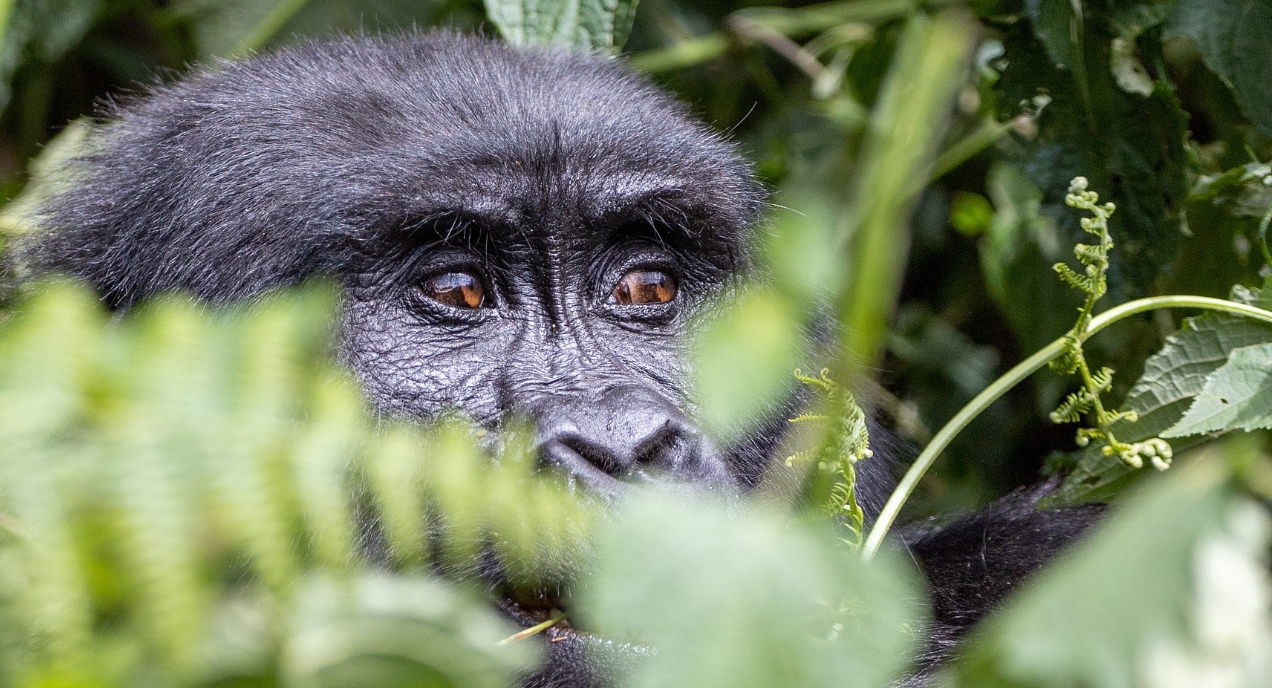
In Uganda's highlands, poor visibility is not an obstacle but an invitation to create something more contemplative than the typical wildlife shot.
Understanding Gorilla Behaviour for Better Wildlife Photography in Uganda
Mountain gorillas follow predictable daily patterns that photographers can learn to anticipate. Groups rise between 6am and 7am, feed intensively until mid-morning, then rest during the heat of the day before moving again in late afternoon. The first two hours after leaving their night nests offer the most active period for natural behaviour photography.
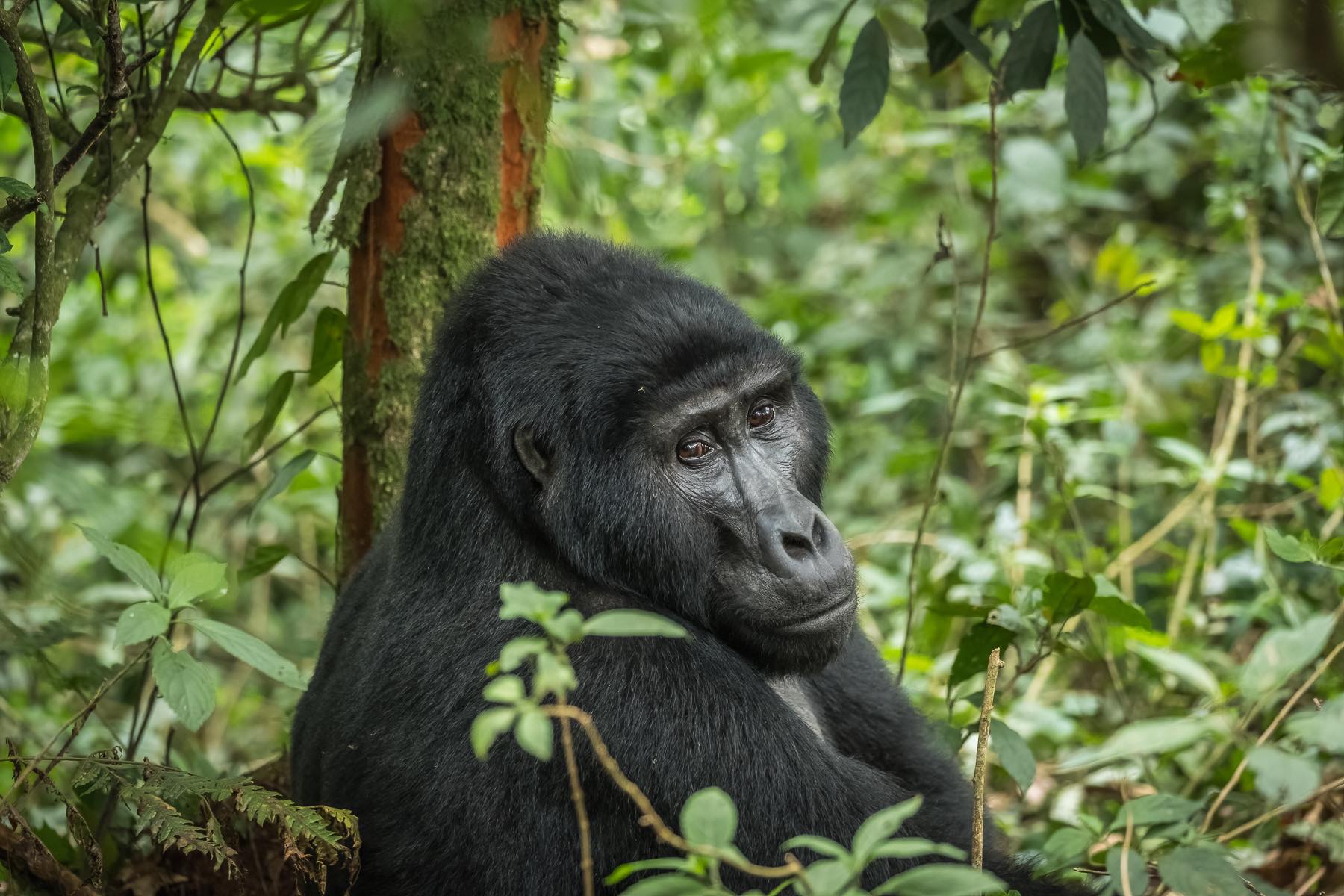
Silverbacks display subtle body language that signals their comfort level with human presence. A relaxed patriarch will allow closer approach and more time for observation. Younger gorillas often play and interact more dynamically, providing opportunities for action sequences that tell richer stories than static portraits.
Experienced trackers read these cues and position their guests accordingly. A photographer who understands when a female is likely to move her infant to her back gains precious seconds to compose before the moment passes. This knowledge separates reactive snapshots from considered, narrative-driven imagery.
Ethical Considerations in Close Encounters
Uganda strictly limits daily visitors to each gorilla group to eight people for one hour only. This regulation protects both the animals and the quality of experience for those fortunate enough to participate. Photographers must work within these constraints, making every frame count rather than firing continuously.
Flash photography is prohibited, and visitors must maintain a minimum seven-metre distance. These rules encourage the development of skills in available light photography and respect for the gorillas' space. The resulting images carry greater authenticity precisely because they emerge from genuine, unforced encounters.
Essential Equipment for Ugandan Photographic Opportunities
Successful gorilla tracking photography requires thoughtful gear choices suited to dense forest conditions. A 70-200mm f/2.8 lens paired with a 1.4x teleconverter offers versatility for both environmental portraits and tighter behavioural shots. Many photographers also carry a 300mm or 400mm prime for those moments when the group moves further into the vegetation.
Fast lenses with wide maximum apertures prove essential in the dim understorey light. A sturdy yet lightweight tripod or monopod helps manage longer lenses during extended observation periods. Weather-sealed bodies and lenses are non-negotiable given the frequent rain and high humidity that can reach 90 percent in the forests.
Spare batteries and memory cards should be carried in waterproof pouches. The combination of altitude, physical exertion and variable weather drains power faster than expected. A small LED head torch proves invaluable for navigating pre-dawn trails to the start of the tracking experience.
Preparing for High Altitude Conditions
At these elevations, physical fitness matters as much as photographic technique. Tracks can climb steeply through thick undergrowth, sometimes gaining 500 metres in elevation within the first hour. Photographers carrying heavy equipment benefit from proper acclimatisation and realistic expectations about their stamina.
Lightweight rain covers that fit over camera bodies and lenses allow continued shooting during sudden showers. Silica gel packets help combat condensation when moving between different temperature zones. Understanding these practical realities enables creators to focus on their craft rather than battling equipment issues.
The best wildlife photography in Uganda happens when technical concerns fade into the background, leaving only the pure connection between observer and observed.
Beyond Gorillas: Uganda's Diverse Photographic Subjects
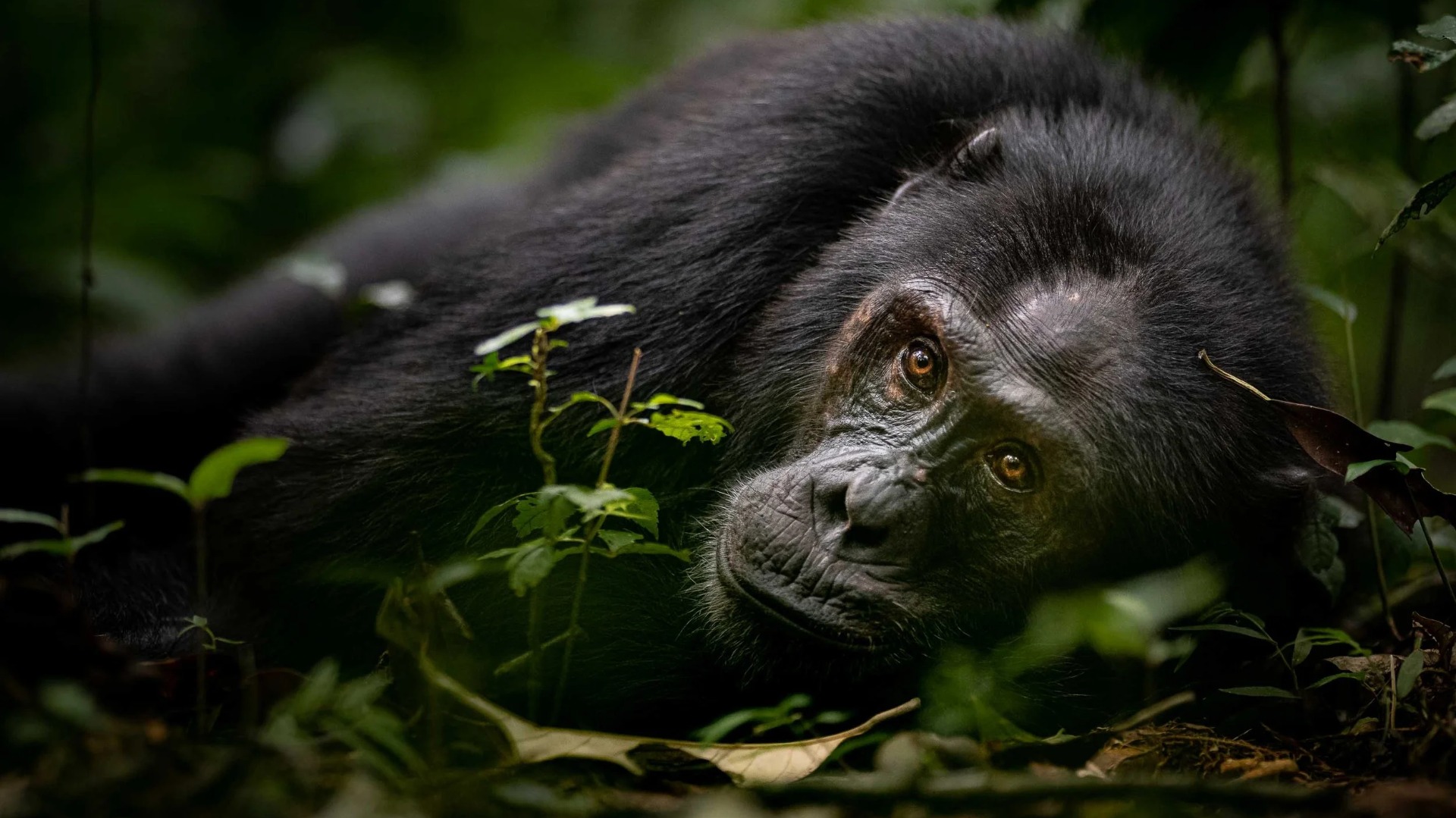
While mountain gorillas draw many visitors to the southwest, Uganda offers remarkable variety for those extending their journey. In the dense forests of Kibale National Park, habituated chimpanzee communities provide dynamic opportunities to capture social interactions and forest canopy movement. The park's 13 primate species create rich biodiversity that rewards patient observers.
Queen Elizabeth National Park's Ishasha sector is famous for its tree-climbing lions, a behaviour thought to be unique to this region. Early morning light filtering through fig trees creates dramatic backlighting against which these powerful predators appear almost ethereal. The contrast between their tawny coats and vibrant green foliage makes for striking compositions.
Bwindi Impenetrable National Park itself supports over 350 bird species alongside its famous gorillas. Sunbirds, hornbills and the striking great blue turaco offer colourful counterpoints to the predominantly green and brown palette of the forest interior. Serious enthusiasts often combine gorilla tracking with dedicated bird photography days.
Seasonal Variations Across Regions
Each area of Uganda presents different conditions throughout the year. The best time to visit for gorilla trekking aligns with drier periods when trails are less slippery and visibility slightly improved. However, the shoulder months bring fewer crowds and sometimes more intimate experiences with the habituated groups.
In Murchison Falls National Park to the north, the dramatic cascade of the Nile creates powerful photographic possibilities quite unlike the southwestern highlands. Here, the golden light of late afternoon illuminates clouds of spray rising from the falls, with various antelope and bird species providing foreground interest.
Learning to See Differently Through Ugandan Experiences
Many photographers arrive expecting to capture dramatic action but discover something more subtle and profound. The slow pace of gorilla groups encourages contemplation rather than constant movement. This shift often leads to more thoughtful compositions that convey personality, family bonds and the quiet dignity of these endangered beings.
The physical demands of tracking create a deeper appreciation for each sighting. After hours of hiking through challenging terrain, the first glimpse of dark shapes among the foliage carries genuine emotional weight. This investment translates into images that resonate with viewers on a more visceral level.
Encounters Africa guides frequently observe how returning guests develop increasingly sophisticated approaches. Their second or third gorilla experience often yields more nuanced work as they move beyond the obvious portrait to explore gesture, light interplay and environmental context.
What to Expect on a Photography-Focused Gorilla Trek
A typical day begins well before sunrise with a briefing at the park headquarters. After receiving your assigned group, the journey to locate them can take between thirty minutes and three hours depending on where they nested the previous night. This uncertainty is part of what makes each encounter special.
Once located, the permitted hour passes quickly. Guides help maintain appropriate distance while sharing insights about individual gorillas' personalities and family dynamics. The most successful photographers remain calm, move slowly, and allow the animals to dictate the terms of the meeting.
Post-trek debriefs at comfortable lodges like Bwindi Lodge offer valuable opportunities to review images and discuss techniques with fellow enthusiasts. Many find that sharing observations over evening meals deepens their understanding of both the animals and their own creative process.
Ugandan photographic opportunities teach us that the most compelling wildlife images often emerge not from perfect conditions but from complete presence within imperfect ones.
Capturing Authentic Moments in Uganda's Forests
The true value of these experiences lies in their ability to transform how we see and document the natural world. By stepping away from controlled studio-like conditions, photographers develop greater adaptability and creativity that serves them across all genres and destinations.
From the first hesitant steps on a muddy forest trail to the final reflective moments back at camp, each gorilla tracking day offers lessons that extend far beyond camera settings. The connection forged in those misty highlands often inspires lifelong commitment to conservation and more mindful image-making.
For discerning travellers seeking a private safari beyond our set itineraries, we invite you to contact us directly. We specialise in designing exceptional, tailor-made journeys for individuals, couples, families, and private groups of up to eight guests. Drawing on our handpicked network of distinguished camps and lodges, we curate every detail with precision and care, creating a seamless, deeply personal safari experience shaped entirely around your preferences, pace, and budget.
Whether combining gorilla tracking with chimpanzee habituation experiences in Kibale or exploring the tree-climbing lions of Queen Elizabeth National Park, a thoughtfully designed photography journey through Uganda creates memories and images that last a lifetime. Contact Encounters Africa to begin planning your own forest awakening.
More like this
Photography
What the Lower Zambezi Taught Me About Patience Behind the Lens
Photography
What the San Hunters Taught Me About Framing Light Across the Pans
photography
What the Zambezi Taught Me About Capturing Africa's Wild Pulse
photography
What Zimbabwe's Ancient Rock Formations Teach About Composition and Light
Photography
When the Zambezi Meets the Lens: Photography Moments in Zambia
photography