Photography
What the San Hunters Taught Me About Framing Light Across the Pans
Encounters Africa - 11 min read
Updated on 2 July 2026
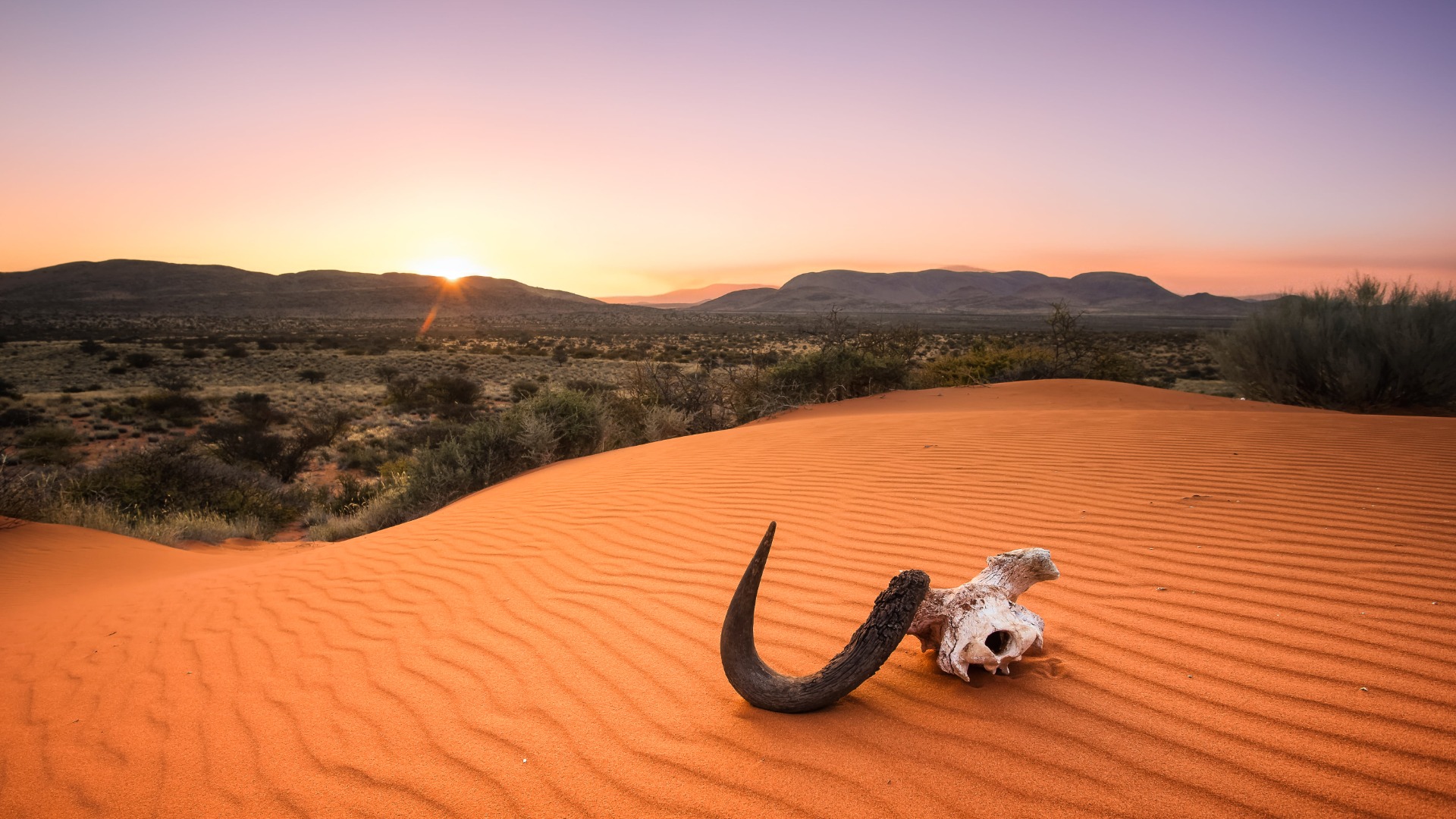
Photography in the Kalahari reveals itself not through hurried clicks but through patient observation shaped by ancient knowledge. When I first ventured into this vast arid expanse with Encounters Africa, I carried the usual expectations of dramatic sunsets over red dunes. What unfolded instead were subtle revelations about light, shadow, and the stories held within the landscape, lessons imparted by San trackers whose ancestors have read these pans for millennia.
The Kalahari offers a distinctive canvas for wildlife and landscape photography, where immense skies meet salt-crusted depressions and resilient creatures navigate extreme conditions. A seasoned photographer shares how learning tracking skills from local San communities reshaped his approach to Kalahari photographic moments, revealing intimate wildlife scenes and vast landscapes that most visitors overlook. This connection between traditional knowledge and modern image-making transforms ordinary safaris into profound visual narratives.
Learning to See Through San Eyes
My introduction to the Kalahari came during a private journey arranged by Encounters Africa, one that deliberately stepped away from well-trodden paths. Rather than focusing solely on iconic species, our guides from the local San community taught us to interpret the smallest signs: the angle of a grass blade bent by passing paws, the faint dust signature left by nocturnal movement, the precise way light interacts with different soil types across the pans.
These trackers demonstrated how understanding an animal's likely path hours before it appears allows a photographer to position themselves with the sun at the optimal angle. Where most visitors might wait at a waterhole hoping for action, we learned to anticipate it, framing our shots to capture not just the subject but the environmental context that tells a fuller story.
The San taught me that every frame begins long before the shutter falls. Their knowledge of movement across these seemingly empty spaces reveals patterns invisible to the untrained eye, turning photography in the Kalahari into a dialogue with the land itself.
This approach fundamentally changed how I compose images. Instead of centring animals against dramatic backdrops, I began incorporating the delicate lines of shadow cast by sparse vegetation, the geometric patterns formed by cracked earth, and the minute details that speak of survival in one of Africa's most challenging environments.
The Unique Light of the Kalahari Pans
The pans themselves create extraordinary conditions for photography in the Kalahari. During the dry season from May to October, the salt flats stretch like vast mirrors under cloudless skies, reflecting light in ways that challenge even experienced photographers. The intense glare at midday gives way to the soft, warm tones of early morning and late afternoon, when long shadows stretch across the white expanse.
What the San trackers revealed was how different times of day interact with the mineral-rich surfaces. At dawn, the first light catches microscopic salt crystals, creating a subtle sparkle that disappears within minutes. By understanding these fleeting moments through their guidance, I learned to pre-visualise compositions that captured both the grandeur of the landscape and the intimate details within it.
During one memorable session near the Makgadikgadi Salt Pans, our group positioned ourselves according to the trackers' predictions of where a small herd of springbok might cross. As the animals moved across the pan at first light, their delicate hoof prints created perfect leading lines through the frame, while the rising sun illuminated dust particles in the air. The resulting images conveyed both scale and delicacy in ways I had never achieved before.
Understanding Seasonal Transformations
The Kalahari changes dramatically with the seasons, each offering distinct opportunities for Kalahari photographic moments. The wet season from November to April brings sudden rains that transform the pans into shallow lakes, attracting thousands of flamingos and other waterbirds. This period creates mirror-like reflections that double the visual impact of any subject.
Conversely, the dry months concentrate wildlife around remaining water sources, making it easier to observe natural behaviours. The San communities explained how animals follow ancient migration routes that remain consistent despite changing conditions, knowledge that allows photographers to plan their movements with remarkable precision.
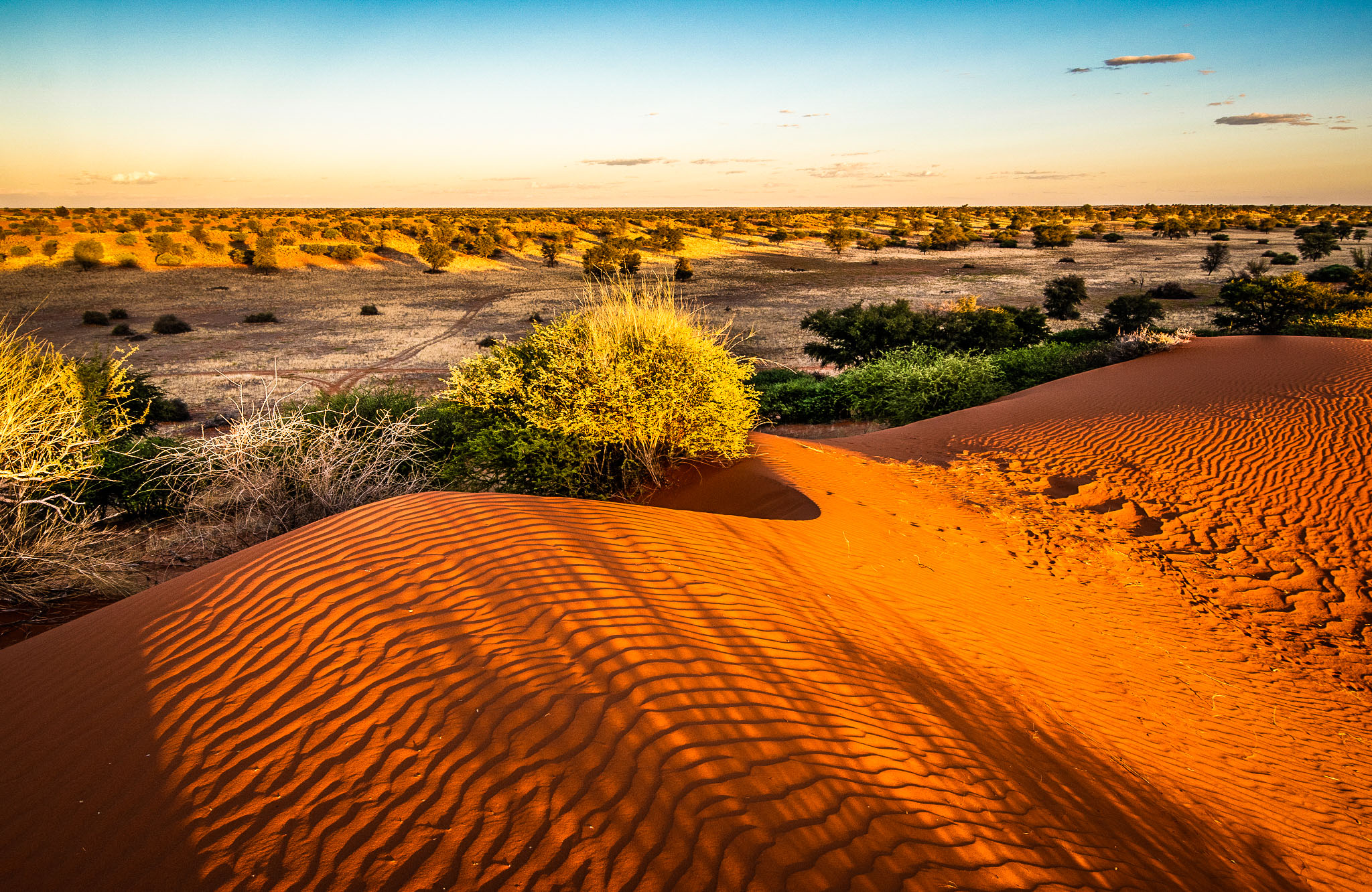
Light across these pans carries stories of survival and adaptation. When you learn to read both the land and the sky as the San do, every photograph becomes an act of bearing witness to resilience.
Tracking as a Photographic Skill
Perhaps the most valuable lesson came in understanding that effective photography in the Kalahari requires the same patience and observation as traditional hunting. The San approach of moving silently, reading signs, and waiting without expectation taught me to abandon the pressure of capturing specific images and instead remain open to what the environment presents.
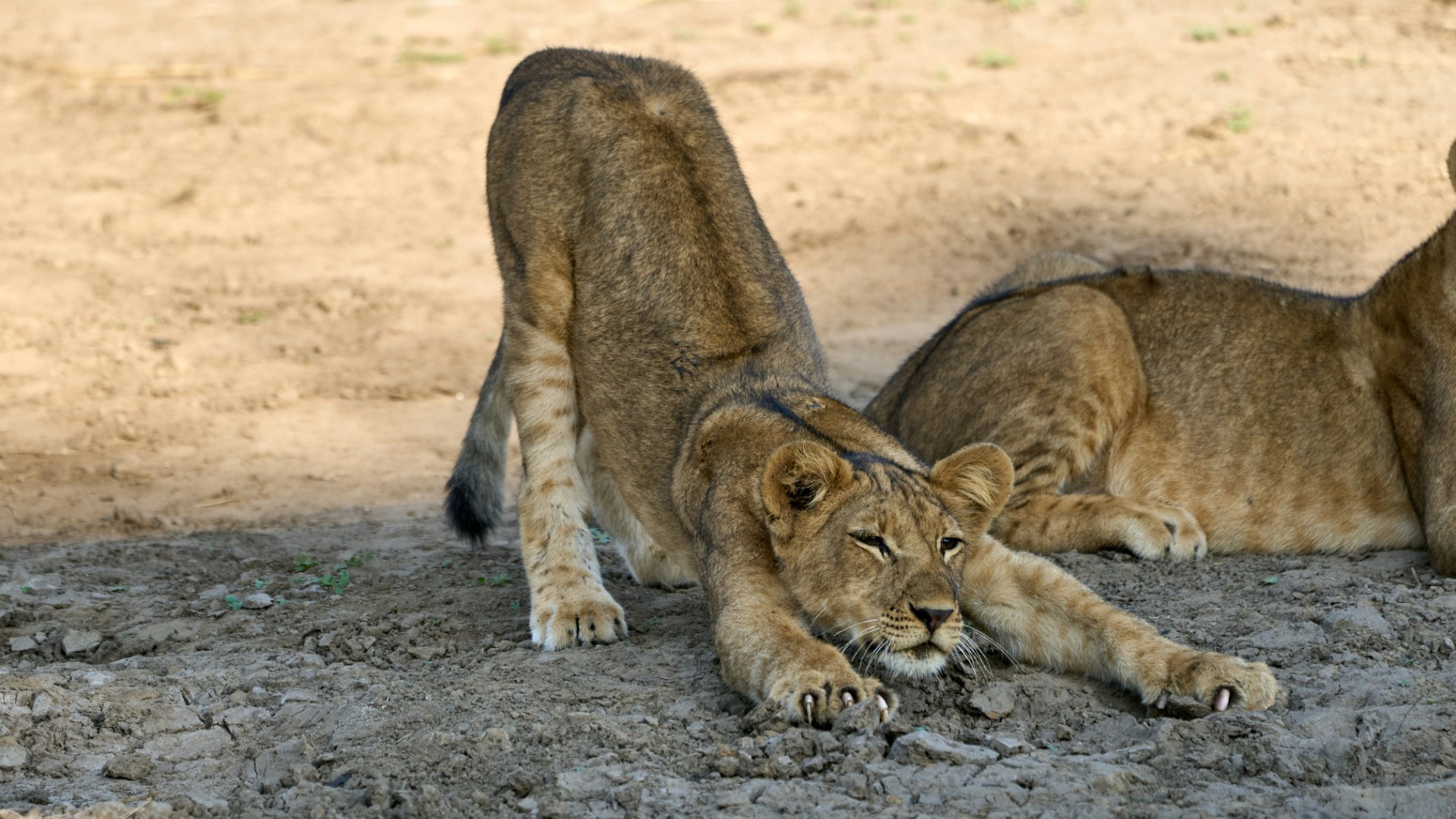
This mindset shift proved transformative during encounters with meerkats, whose sentinel behaviour creates natural compositions as they scan the horizon. By learning their routines from local experts, we could position ourselves downwind and at ground level before the animals emerged, capturing their social interactions against the textured backdrop of red sand and sparse grass.
The same principles applied to larger subjects. Tracking a lone cheetah across the plains, our San guide noticed subtle changes in bird behaviour that indicated the predator's presence long before we spotted it. This allowed us to set up with the sun behind us, creating dramatic rim lighting that highlighted the animal's sleek form against the golden landscape.
Technical Considerations for Kalahari Conditions
The harsh environment demands specific approaches to equipment and technique. Dust is omnipresent, requiring constant lens cleaning and protective filters. The intense light calls for graduated neutral density filters to balance bright skies with foreground detail, while the reflective surfaces of the pans often necessitate polarising filters to reduce glare.
Working with local communities through operators like Encounters Africa also provides access to areas where one can remain for extended periods, essential for capturing the behaviour that unfolds only after hours of quiet observation. A typical day might involve rising well before dawn to reach a promising location as the first light touches the horizon.
Intimate Portraits and Environmental Context
What distinguishes Kalahari photographic moments from more conventional safari photography is the emphasis on context. The San perspective encourages images that show how creatures exist within their environment rather than isolated against clean backgrounds. A bat-eared fox's enormous ears silhouetted against the evening sky tells a story of adaptation, while ground squirrels foraging in the shade of an acacia reveal the complex web of desert life.
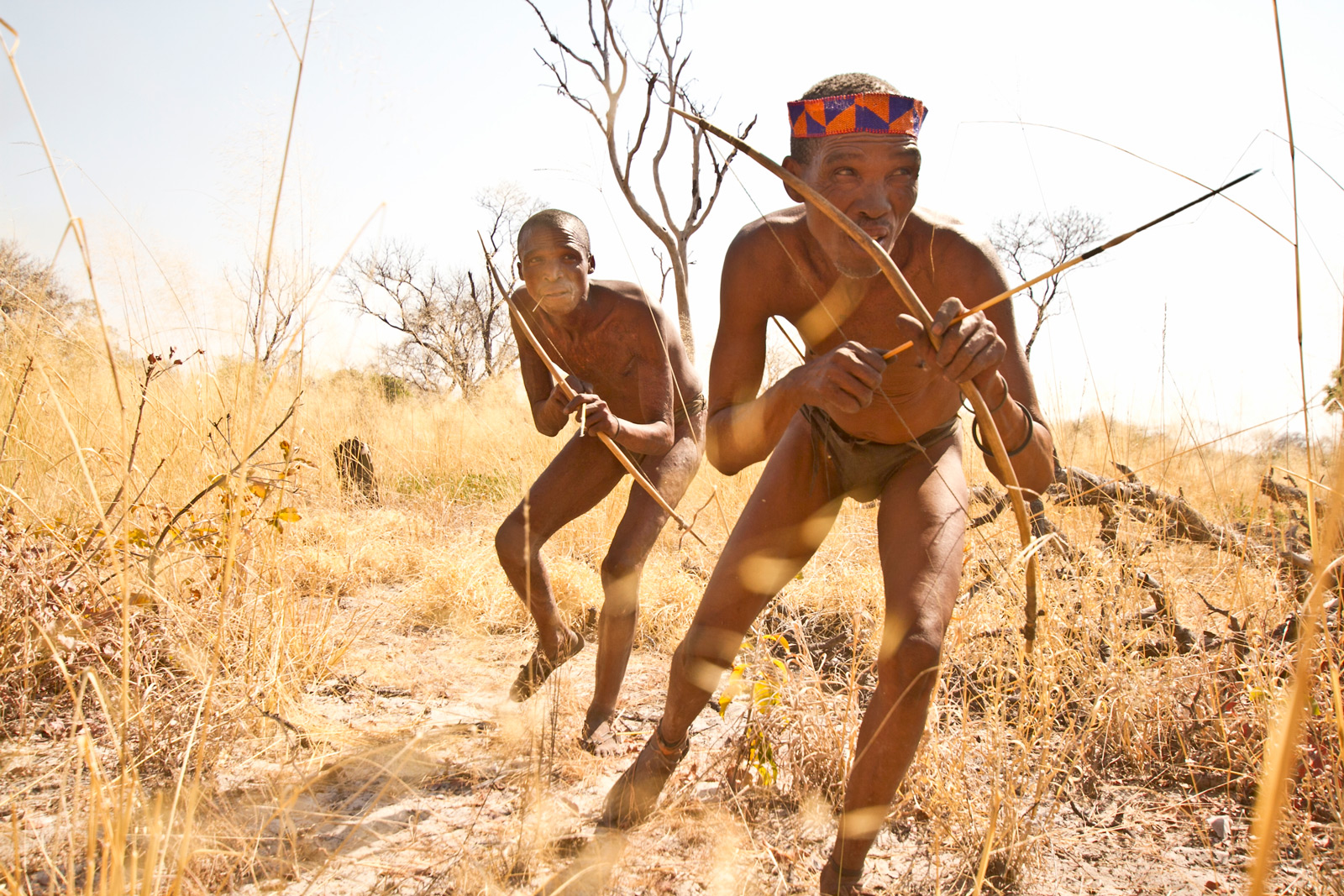
During my time in the region, I spent several days with a San family who demonstrated traditional tracking methods. Their ability to identify individual animals by their unique movement patterns allowed us to follow particular subjects over multiple days, creating a series of images that documented changing light conditions and behavioural patterns.
These extended observations revealed details I would otherwise have missed: the way a honey badger's fur catches the low morning light, creating a halo effect, or how ostriches use their wings to create shade for their chicks during the hottest part of the day. Each observation translated into more meaningful photographs that captured the essence of life in this remarkable ecosystem.
In the Kalahari, the most powerful images often emerge not from dramatic action but from quiet understanding of place and time, a wisdom the San have cultivated over thousands of years.
Cultural Connections Through the Lens
Photography in the Kalahari gains additional depth when it includes the human element. The San communities maintain a profound connection to this landscape, and working alongside them creates opportunities for respectful portraits that honour their knowledge and way of life. These images complement the wildlife photography, creating a more complete narrative of the region.
Encounters Africa facilitates these interactions with sensitivity, ensuring that photographic opportunities respect cultural boundaries while supporting community initiatives. The resulting images often become among the most meaningful in any collection, capturing not just the physical landscape but the living relationship between people and place.
One particularly moving experience involved photographing a group of San trackers as they demonstrated traditional methods of finding water. The golden light of late afternoon caught the fine spray as they sucked water through a reed from a hidden source, creating sparkling droplets that seemed to hang in the air. The image spoke of both practical knowledge and the deep bond these people maintain with their environment.
Practical Advice for Kalahari Photography Journeys
Planning a photography-focused journey to the Kalahari requires consideration of several factors. The best time for diverse opportunities spans from December to April for the dramatic transformations brought by rains, while May to September offers excellent game viewing around water sources with the advantage of cooler temperatures for extended days in the field.
Working with specialists who understand both photographic needs and cultural contexts makes a significant difference. Deception Valley Lodge in Botswana provides access to excellent guiding that combines traditional knowledge with modern conservation perspectives, creating rich experiences for those serious about their image-making.
For those seeking more remote opportunities, the Central Tuli Block offers different light conditions and landscapes that complement the classic pan views. Each area presents unique challenges and rewards, making a multi-location journey particularly valuable for building a comprehensive portfolio.
What Equipment Serves the Kalahari Best?
While quality optics matter, the San approach taught me that knowledge of the land often outweighs having the latest gear. A versatile zoom lens covering 24-200mm proves most useful for adapting to changing situations, while a sturdy tripod becomes essential for the low light conditions of dawn and dusk.
Protection against dust is crucial. Weather-sealed bodies and lenses, combined with plenty of cleaning supplies, help maintain equipment functionality. For those interested in more specialised techniques, consider adding a macro lens to capture the intricate patterns of spider webs beaded with morning dew or the delicate textures found in seemingly barren ground.
The Kalahari does not yield its secrets easily, but those who approach it with humility and patience, guided by local wisdom, discover a wealth of photographic moments that resonate long after the images are made.
Conservation Through the Viewfinder
Beyond personal satisfaction, photography in the Kalahari carries a responsibility to highlight the delicate balance of this ecosystem. The images we create can draw attention to the importance of preserving both the landscape and the traditional knowledge systems that have sustained it for generations.
By working with organisations that support San communities and wildlife conservation, photographers contribute to a model where cultural heritage and environmental protection reinforce each other. The resulting images become powerful tools for advocacy, showing the world why these vast spaces and their inhabitants matter.
Encounters Africa carefully selects partners who demonstrate genuine commitment to these principles, ensuring that every journey supports the communities and conservation efforts that make such experiences possible. This alignment between photography, culture, and conservation creates journeys with impact that extends far beyond the images captured.
Discovering Your Own Kalahari Perspective
The lessons learned from San trackers extend beyond technical skills into a deeper appreciation of how observation, patience, and respect shape meaningful photography. What began as a quest for compelling images evolved into a profound understanding of interconnectedness between people, wildlife, and the land that sustains them both.
For discerning travellers seeking a private safari beyond our set itineraries, we invite you to contact us directly. We specialise in designing exceptional, tailor-made journeys for individuals, couples, families, and private groups of up to eight guests. Drawing on our handpicked network of distinguished camps and lodges, we curate every detail with precision and care, creating a seamless, deeply personal safari experience shaped entirely around your preferences, pace, and budget.
Whether you wish to focus on specific photographic techniques, cultural immersion, or simply experiencing the Kalahari through fresh eyes, Encounters Africa can craft an itinerary that honours both the land and its people. The pans await those ready to look beyond the obvious, guided by voices that have read its stories for countless generations.
Begin your own exploration by reaching out to our team to discuss how we might create a photography-focused journey that captures not just images, but the very essence of the Kalahari. Your camera will record what your eyes learn to see, transformed by the wisdom of those who know this land most intimately.
More like this
photography
What the Zambezi Taught Me About Capturing Africa's Wild Pulse
photography
What Zimbabwe's Ancient Rock Formations Teach About Composition and Light
Photography
When the Zambezi Meets the Lens: Photography Moments in Zambia
photography
Why Amboseli’s Swamps Sustain Wildlife Long After Rains Depart
Photography
Why Kenya Challenges Even Seasoned Photographers to Rethink Their Approach
Photography