Tips & Advice
What First-Time Visitors Learn the Hard Way About South African Safaris
Encounters Africa - 9 min read
Updated on 17 June 2026
South African safaris reward those who arrive prepared, yet many first-time visitors discover critical nuances only after a few game drives. The difference between a pleasant sighting and a profound encounter often lies in subtle details of timing, etiquette and awareness. This guide distils hard-earned lessons from rangers and seasoned guides across South Africa, offering practical insights that transform ordinary journeys into lasting memories.
Whether you are drawn to the vast plains of the Addo Elephant National Park or the predator-rich waterholes of the private reserves bordering Kruger, understanding these fundamentals early will enrich every moment in the bush. From vehicle positioning to interpreting animal signals, these tips and advice for South Africa help travellers move beyond passive observation toward genuine connection with the wild.
Choosing the Right Reserve and Season for South African Safaris
The sheer variety of landscapes across South Africa can overwhelm even experienced travellers. Malaria-free options such as the Eastern Cape reserves or the Western Cape’s malaria-free private concessions appeal particularly to families, while classic Big Five territories deliver higher concentrations of large mammals. Consider your priorities carefully before booking.
Peak season between June and September brings dry conditions that concentrate animals at water sources, yet also attracts larger numbers of visitors. The shoulder months of April–May and October–November frequently deliver fewer vehicles, dramatic light for photography, and rates that reflect lower demand. In many private reserves, game-viewing vehicles are limited to a maximum of three per sighting, preserving the sense of wilderness even during busier periods.

The bush teaches patience better than any classroom; those who sit quietly with binoculars often witness behaviour that rushing visitors never see.
Private concessions bordering national parks offer a distinct advantage: night drives and off-road access are usually permitted, allowing closer approaches to nocturnal species such as aardvark and pangolin. In contrast, national park regulations restrict vehicles to roads after dark, limiting the scope of discovery. For those seeking authentic immersion, lodges like Malewane Lodge in the Thornybush Private Nature Reserve exemplify the elevated guiding standards that turn routine drives into masterclasses in natural history.
Vehicle Etiquette That Makes a Measurable Difference
Nothing disrupts a sighting faster than careless behaviour inside the vehicle. Experienced rangers emphasise keeping voices low, avoiding sudden movements, and never standing up without permission. These rules exist not merely for comfort but to maintain the animals’ perception that the vehicle is a single, non-threatening entity.
Positioning matters enormously. Guides will often approach at an angle that keeps the sun behind the vehicle, reducing glare for both guests and the animals. When multiple vehicles are present, there is an unspoken rotation system; after approximately 15–20 minutes, one vehicle quietly yields space to the next. Respecting this rhythm ensures every traveller receives quality viewing time without pressuring the wildlife.
Understanding the Language of the Bush
Guides use specific hand signals and soft vocalisations to communicate without disturbing the scene. Learning a few of these gestures before departure enhances your ability to follow instructions swiftly. More importantly, paying attention to the guide’s interpretation of alarm calls, dust clouds, or distant silhouettes can reveal animals long before they become obvious to the untrained eye.
Many first-timers overlook how their own scent travels on the wind. Avoid applying strong perfumes, insect repellents with powerful odours, or even heavily scented hand creams before a drive. The animals’ sense of smell is their primary defence mechanism; respecting this reality leads to closer, more relaxed encounters.
On South African safaris, silence is not emptiness but the space where understanding begins.
Photography Ethics and Techniques Worth Mastering
The proliferation of powerful smartphones has changed the dynamics of game viewing. While capturing memories is natural, using a phone’s flash or holding it aloft with both hands creates silhouettes that disturb animals far more than a rested camera. Professional guides now routinely request that guests mute their devices and refrain from filming vertically when others are trying to observe.
Early morning and late afternoon light transform ordinary photographs into striking images. The golden hours between 06:00–08:00 and 16:00–18:00 typically yield the most rewarding conditions, with animals more active and the light softer. Packing a bean bag or monopod proves invaluable for stabilising longer lenses from a moving vehicle.
Ethical photography also means respecting distance. If an animal changes its behaviour because of your presence, you are already too close. True wildlife photography celebrates the animal in its own world, not forced into unnatural proximity for the sake of a tighter frame.
What to Pack and What to Leave Behind
South African safaris involve significant temperature swings. Dawn departures in winter can see temperatures near freezing, while midday often climbs above 25°C. Layering is essential: a lightweight down jacket, fleece, scarf, and gloves for mornings, then the ability to shed layers as the sun rises. Earth-tone clothing in khaki, olive, and sand colours helps you blend into the environment.
Binoculars are non-negotiable. A pair with 8x or 10x magnification and good low-light performance will dramatically increase your enjoyment. Many travellers regret not bringing a compact pair for scanning treetops or distant plains. A small torch with a red filter preserves night vision during evening drives and is useful for navigating pathways back to your tent after dinner.
Health and Practical Considerations
While many areas are malaria-free, others require prophylaxis. Consult a travel clinic at least six weeks before departure to discuss appropriate medication for your specific itinerary. Sunscreen with high SPF, a wide-brimmed hat, and lip balm with sun protection prevent the dehydration and burning that can detract from early starts and late finishes.
Travel insurance that specifically covers medical evacuation from remote areas is essential. Many lodges are several hours from major hospitals, and reliable coverage brings peace of mind. Similarly, bringing a basic first-aid kit with blister plasters, rehydration salts, and any personal prescription medication ensures you remain comfortable throughout your journey.
Interpreting Animal Behaviour on Your Own Terms
One of the greatest pleasures of repeated game drives is beginning to read the bush independently. Recognising the difference between a territorial elephant’s ear-flapping and genuine agitation, or understanding why a herd of impala suddenly freezes, adds depth to every sighting. Knowledgeable guides explain these nuances, but the real satisfaction comes when you start noticing them first.
Predator-prey dynamics follow predictable patterns. Lions often hunt at night but will opportunistically take prey during the day if the chance arises. Leopards cache their kills in trees to protect them from hyenas and other scavengers. Understanding these relationships helps you anticipate where to look and what signs might indicate recent activity.
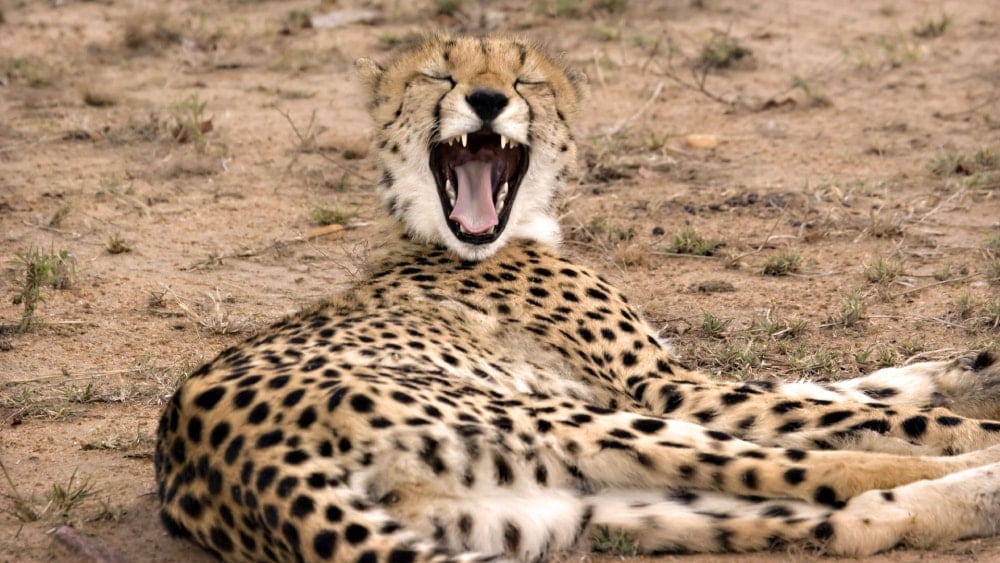
The most memorable moments on South African safaris rarely involve the biggest or rarest animals; they arrive when you witness an ordinary creature behaving in an extraordinary way.
How to Maximise Your Time Between Drives
Many first-time visitors focus exclusively on game drives and overlook the rich experiences available at the lodges themselves. Bush walks with armed rangers offer intimate insights into smaller creatures, tracking techniques, and the intricate relationships between plants and animals. These walks, typically limited to six guests, provide opportunities to examine spoor, medicinal plants, and the smaller wonders easily missed from a vehicle.
Most luxury camps include access to hides overlooking waterholes. These can be particularly rewarding during the heat of the day when larger animals come to drink. Sitting quietly for an hour or two often reveals interactions between species that vehicles disturb. Some properties even offer sleep-out decks where guests can spend the night under the stars with only a mosquito net separating them from the sounds of the African night.
Common Questions About South African Safaris
What is the best time to visit for South African safaris? The dry winter months from June to September generally offer the most reliable game viewing because animals congregate around permanent water sources. However, the green season between November and March brings newborn animals, dramatic thunderstorms, and lower rates at many lodges. The optimal period depends on your priorities: predator action, birdlife, or avoiding crowds.
How many days should I spend on safari? A minimum of four nights is recommended to allow for the rhythms of early mornings and evening drives to settle in. Seven to ten nights enables travellers to experience two or three distinct ecosystems, such as the arid beauty of the Kalahari combined with the lush waterways of a private reserve in the Greater Kruger area. This variety prevents fatigue while revealing the remarkable diversity within one country.
Is a private guide worth the additional cost? For many travellers, yes. A dedicated guide and vehicle create a completely personalised experience where the pace, interests, and return visits to particular animals can be accommodated without compromise. This level of attention often leads to deeper learning and more meaningful connections with the landscape and its inhabitants.
Planning Your South African Safari with Confidence
The lessons that first-time visitors learn the hard way need not be learned through disappointment. By approaching your journey with respect for local knowledge, attention to detail, and genuine curiosity about the natural world, you position yourself to receive the bush’s greatest gifts. South African safaris at their finest offer far more than a checklist of animals; they provide perspective, wonder, and often a profound sense of connection to something larger than ourselves.
For discerning travellers seeking a private safari beyond our set itineraries, we invite you to contact us directly. We specialise in designing exceptional, tailor-made journeys for individuals, couples, families, and private groups of up to eight guests. Drawing on our handpicked network of distinguished camps and lodges, we curate every detail with precision and care, creating a seamless, deeply personal safari experience shaped entirely around your preferences, pace, and budget.
Whether this will be your first safari or your fifteenth, the right preparation transforms good memories into those you will carry for a lifetime. Begin your planning by exploring our South Africa safari collection or reading our guide to Kenya versus South Africa safari experiences. Then reach out so we can craft an itinerary that honours both your dreams and the remarkable wildlife heritage of this extraordinary country.
More like this
Tips & Advice
What First-Timers Rarely Expect When Touring Botswana’s Remote Landscapes
Tips & Advice
What I Wish I Had Known Before My First Journey Across Kenya
Tips & Advice
What I Wish I Had Known Before Stepping onto Ugandan Soil
Tips & Advice
What It Takes to Navigate African Roads as a Professional Tour Guide
Tips & Advice
What Most Travelers Overlook Before Booking Botswana Wildlife Trips
Tips & Advice