
photography
What Zimbabwe's Ancient Rock Formations Teach About Composition and Light
Encounters Africa - 10 min read
Updated on 17 June 2026
Photography in Zimbabwe reveals far more than dramatic wildlife portraits or sweeping landscapes. The country's ancient rock formations, some dating back over two billion years, serve as master instructors in composition and light, teaching patient observers how to see beyond the obvious frame. Zimbabwean photographic opportunities emerge not only from its renowned national parks but from the very geology that has shaped its terrain for millennia, offering discerning travellers a deeper, more contemplative way to engage with the land.
Beneath the granite outcrops of Matobo Hills and amid the basalt columns of Chimanimani, Zimbabwe's geology shapes dramatic lines and shadows. Learn how these ancient formations invite deliberate framing that goes beyond standard safari photography.
The Geological Classroom of Matobo Hills
In the heart of southern Zimbabwe, the Matobo Hills rise like sleeping giants, their rounded granite domes and balancing boulders formed through eons of weathering and exfoliation. These 3.5-billion-year-old formations create natural leading lines, frames within frames, and dramatic silhouettes that challenge photographers to think in geological time rather than fleeting moments. The way morning light catches the lichen-covered surfaces or how afternoon shadows pool in the crevices between rocks offers lessons that translate across any landscape one might encounter.
Visitors to this Unesco World Heritage Site quickly discover that the rocks themselves become subjects worthy of study. The famous "Mother and Child" balancing rocks, for instance, demonstrate perfect visual balance that many photographers spend years trying to achieve in their own work. Here, the interplay between immense scale and intimate detail becomes palpable, as one can frame a tiny dassie against a towering granite face, creating powerful visual contrast.
The ancient granite of Matobo does not merely sit in the landscape; it dictates how light behaves, forcing photographers to slow down and read the rocks before lifting their cameras.
During the dry season from May to October, the harsh sunlight creates razor-sharp shadows that accentuate every crack and crevice in the granite. This is when the rocks truly come alive as teaching tools, showing how side lighting can transform a seemingly flat surface into a three-dimensional study of texture and form. Professional guides at select camps often share local knowledge about how different times of day interact with specific rock formations, knowledge passed down through generations of Shona people who have lived among these hills for centuries.
Mastering Scale and Perspective at Matobo
One of the greatest challenges and rewards of photographing in this region is conveying the immense scale of the formations. A common technique involves including human figures or wildlife for reference, yet the most compelling images often rely on careful composition alone. The way a single tree clings to a seemingly impossible slope, or how a narrow passage between boulders creates a natural window to the sky, teaches the art of using foreground elements to add depth.
Early morning mist that frequently settles in the valleys between the kopjes adds another layer of complexity, softening harsh edges while creating ethereal atmospheres that reward those with patience and the right filtration techniques. The best results come from those who arrive well before sunrise, allowing time to scout compositions as the light gradually reveals itself.

Chimanimani's Basalt Pillars and Mountain Light
Far to the east, the Chimanimani Mountains present an entirely different geological story. Here, ancient lava flows have cooled into hexagonal basalt columns that rise dramatically against the sky, creating some of Zimbabwe's most distinctive photographic opportunities. These formations, part of the 300-million-year-old Stormberg lava group, offer photographers a masterclass in pattern recognition and the use of repeating elements within a frame.
The light in these highlands behaves differently than in the lowveld. With elevations reaching over 2,400 metres, the air is thinner and the light more direct, creating crisp shadows even at midday. This clarity allows for exceptional detail in both the foreground rocks and distant peaks, though it also demands careful exposure management to retain texture in both highlights and shadows.
In Chimanimani, the basalt columns stand as silent witnesses to cataclysmic events millions of years ago, reminding photographers that the most powerful images often capture not just what is seen, but what is felt through deep time.
The region's frequent mists and rolling cloud formations create constantly changing conditions that test a photographer's adaptability. What begins as a clear morning vista can transform within minutes into a mysterious, fog-shrouded world where only the strongest rock forms pierce through the cloud. These conditions reward those who understand how to work with rather than against the weather.
Working with Mountain Weather Patterns
Successful photography in Chimanimani requires understanding the daily weather cycles that typically bring afternoon thunderstorms during the wet season from November to April. The build-up of cumulonimbus clouds against the mountain backdrop creates opportunities for dramatic skyscapes that few other African destinations can match. Photographers who master the use of graduated neutral density filters here can balance these powerful skies with the darker foreground rocks.
The hiking trails that wind through the mountain range offer countless vantage points, though the most rewarding images often come from those willing to venture off the beaten path with experienced local guides. The effort required to reach certain viewpoints ensures a sense of achievement that translates into more considered, contemplative photography rather than quick snapshots.
Light's Dance Across Zimbabwe's Ancient Surfaces
What makes photography in Zimbabwe particularly instructive is how the quality of light interacts with these ancient surfaces throughout the day and across seasons. The golden hour takes on new meaning when the warm light catches the iron-rich reds and oranges within the granite, creating hues that seem almost impossible to capture accurately yet reward those who understand their camera's colour profile capabilities.
The harsh midday sun that many photographers avoid becomes an ally in certain locations, particularly where deep crevices and overhangs create natural spotlights. These conditions teach the importance of waiting for the precise moment when light penetrates a specific cavity, illuminating hidden details that remain invisible at other times. Many experienced photographers return to the same formations at different times of year, discovering how seasonal changes in vegetation and light angle reveal entirely new compositions.
Understanding the movement of the sun relative to specific rock formations allows for pre-visualisation that elevates one's work from reactive to intentional. This approach to photography in Zimbabwe encourages a more thoughtful practice that benefits all aspects of one's photographic journey, whether capturing wildlife in Hwange or documenting cultural experiences elsewhere on the continent.
Technical Considerations for Rock and Light
The extreme contrast ranges found among these ancient formations demand technical proficiency. Many photographers find that bracketing exposures and merging them in post-production helps retain detail across the full tonal range. Others prefer to work with the limitations of single exposures, using techniques such as exposing for the highlights and accepting deep shadows as part of the composition's graphic power.
Polarising filters prove particularly valuable when photographing wet rocks after rain, reducing glare while intensifying the colours within the stone. The combination of a sturdy tripod and remote release allows for longer exposures that can soften any wind-blown vegetation while keeping the immovable rocks tack-sharp, creating an interesting visual contrast between permanence and transience.
Beyond the Rocks: Integrating Wildlife and Human Elements
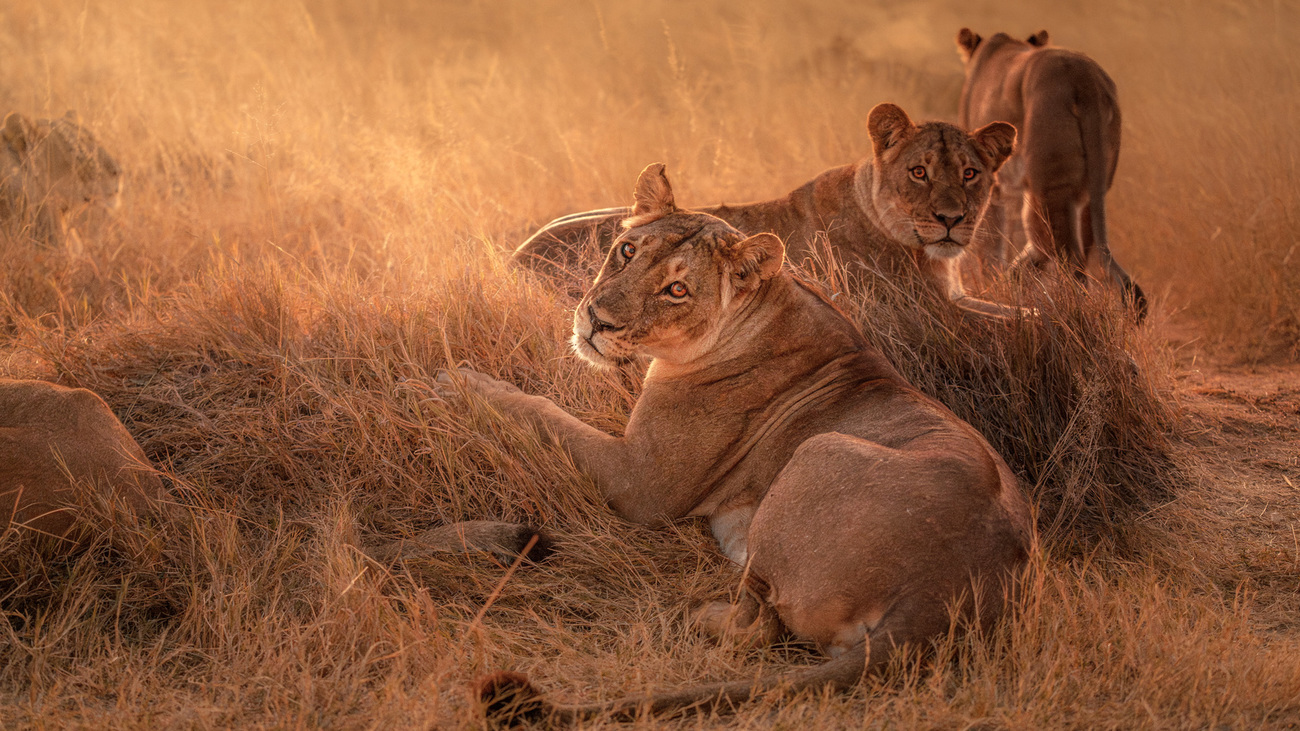
While the geological formations provide the foundation for exceptional composition studies, the most compelling Zimbabwean photographic opportunities often emerge when these elements interact with living subjects. The way a leopard drapes itself along a granite ledge at Malewane Lodge or how local communities have coexisted with these landscapes for generations adds narrative depth that pure landscape photography cannot achieve.
In the Matobo Hills, the presence of both black and white rhinoceros creates powerful opportunities to explore themes of conservation and resilience against the backdrop of these timeless rocks. The contrast between the ancient geology and the fragile reality of modern conservation creates visual tension that speaks volumes without needing explanation.
The rocks have watched over this land for billions of years. They remind us that our photographic efforts, no matter how accomplished, represent merely the briefest moment in an almost incomprehensible timeline.
Working with local guides who understand both the wildlife patterns and the photographic possibilities of their ancestral lands elevates the experience beyond mere image capture. These knowledgeable companions often point out subtle interactions between animals and their rocky environment that a visitor might otherwise miss, leading to more authentic and meaningful photographs.
Practical Approaches for Zimbabwe's Varied Terrains
Approaching photography in Zimbabwe with intention rather than expectation yields the most satisfying results. This means researching specific formations and their relationship to the sun's path before arriving, yet remaining flexible enough to respond to the unexpected gifts that changing weather and wildlife movements provide. The country's diverse ecosystems, from the basalt mountains of the east to the granite hills of the south and the vast floodplains of the north, each demand their own photographic vocabulary.
Seasonal considerations play a crucial role in determining the quality of light available. The dry winter months from June to August offer clearer skies and more predictable conditions, while the summer rains bring lush vegetation and dramatic storm light that can transform familiar scenes into something entirely new. Understanding these patterns allows photographers to plan their visits according to the specific aesthetic they wish to pursue.
Developing a Personal Vision
The true value of studying composition and light among Zimbabwe's ancient rocks lies in how these lessons translate to other photographic contexts. The patience developed while waiting for the perfect shaft of light to illuminate a particular crevice serves well when waiting for a predator to emerge from cover. The eye trained to find balance among chaotic rock formations becomes adept at creating order from the apparent disorder of a busy wildlife scene.
Many photographers find that after spending time in these geological wonderlands, their approach to all subjects becomes more deliberate and contemplative. The rocks teach that sometimes the most powerful image is not the one with the most dramatic subject, but the one that reveals something fundamental about our relationship with the natural world.
Discovering Your Own Photographic Dialogue with Zimbabwe
Zimbabwe's ancient rock formations continue to shape not only the physical landscape but the visual language of those who engage with them thoughtfully. From the balancing boulders of Matobo to the columnar basalt of Chimanimani, these geological treasures offer an education in seeing that extends far beyond the borders of any single country or safari experience.
Whether you are drawn to the graphic simplicity of a single rock against a vast sky or the complex interplay of light, shadow, and texture across a weathered surface, Zimbabwe provides an unparalleled classroom for photographic growth. The lessons learned here about patience, observation, and the subtle dance between light and form will inform your work long after your boots have left African soil.
For discerning travellers seeking a private safari beyond our set itineraries, we invite you to contact us directly. We specialise in designing exceptional, tailor-made journeys for individuals, couples, families, and private groups of up to eight guests. Drawing on our handpicked network of distinguished camps and lodges, we curate every detail with precision and care, creating a seamless, deeply personal safari experience shaped entirely around your preferences, pace, and budget.
Consider exploring our photography-focused safaris in Zimbabwe or discover how Zimbabwe can transform your understanding of light and composition. We would be delighted to discuss how we might craft an experience that allows you to fully engage with these ancient teachers of visual wisdom. Visit our enquiry form to begin planning your own photographic journey with Encounters Africa.
More like this
Photography
When the Zambezi Meets the Lens: Photography Moments in Zambia
photography
Why Amboseli’s Swamps Sustain Wildlife Long After Rains Depart
Photography
Why Kenya Challenges Even Seasoned Photographers to Rethink Their Approach
Photography
Why Most Sahara Images Miss the Desert's Most Compelling Frames
Photography
Why Rwandan Photography Challenges Force You to Master Patience and Precision

Photography