Photography
When the Zambezi Meets the Lens: Photography Moments in Zambia
Encounters Africa - 10 min read
Updated on 29 June 2026
Zambian photography opportunities reward those who understand how the landscape itself directs the eye. A single frame of elephants crossing the Luangwa River at golden hour reveals far more than technical skill. This narrative follows how Zambia's shifting waters and skies shape compelling photographic stories.
From the floodplains of the South Luangwa to the thunderous spray of Victoria Falls, the country offers layered scenes that change dramatically with the seasons. Whether your focus is zambian wildlife photography or capturing the subtle interplay of light on water, these environments demand patience and presence. Encounters Africa has guided countless photographers through these terrains, helping them move beyond checklist images to create work that resonates long after the journey ends.
Understanding Zambia's Photographic Seasons
The rhythms of wet and dry seasons dictate not only animal behaviour but the very quality of light available to the lens. Between May and October, the dry months bring concentrated wildlife around shrinking water sources, with clear blue skies and dust that adds warmth to every frame. November to April transforms the landscape into a lush, emerald expanse where dramatic cloud formations and sudden storms create atmospheric depth.
Photographers visiting during the green season will find fewer vehicles and more intimate encounters, though the challenge lies in working with softer, diffused light and occasional heavy rain. The transition periods around April and November often yield the most rewarding conditions, when the land hovers between extremes. These shoulder months frequently produce the images that define a portfolio.
The Zambezi does not pose for photographs. It reveals itself only to those willing to wait through the changing light, when the river's surface becomes a mirror for both sky and story.
The Golden Season Advantage
From June to September, morning and evening light stretches long across the plains, casting elongated shadows that add dimension to wildlife scenes. This period coincides with peak visibility in many national parks, allowing for cleaner compositions without the distraction of thick vegetation.

Prime Locations for Zambian Wildlife Photography
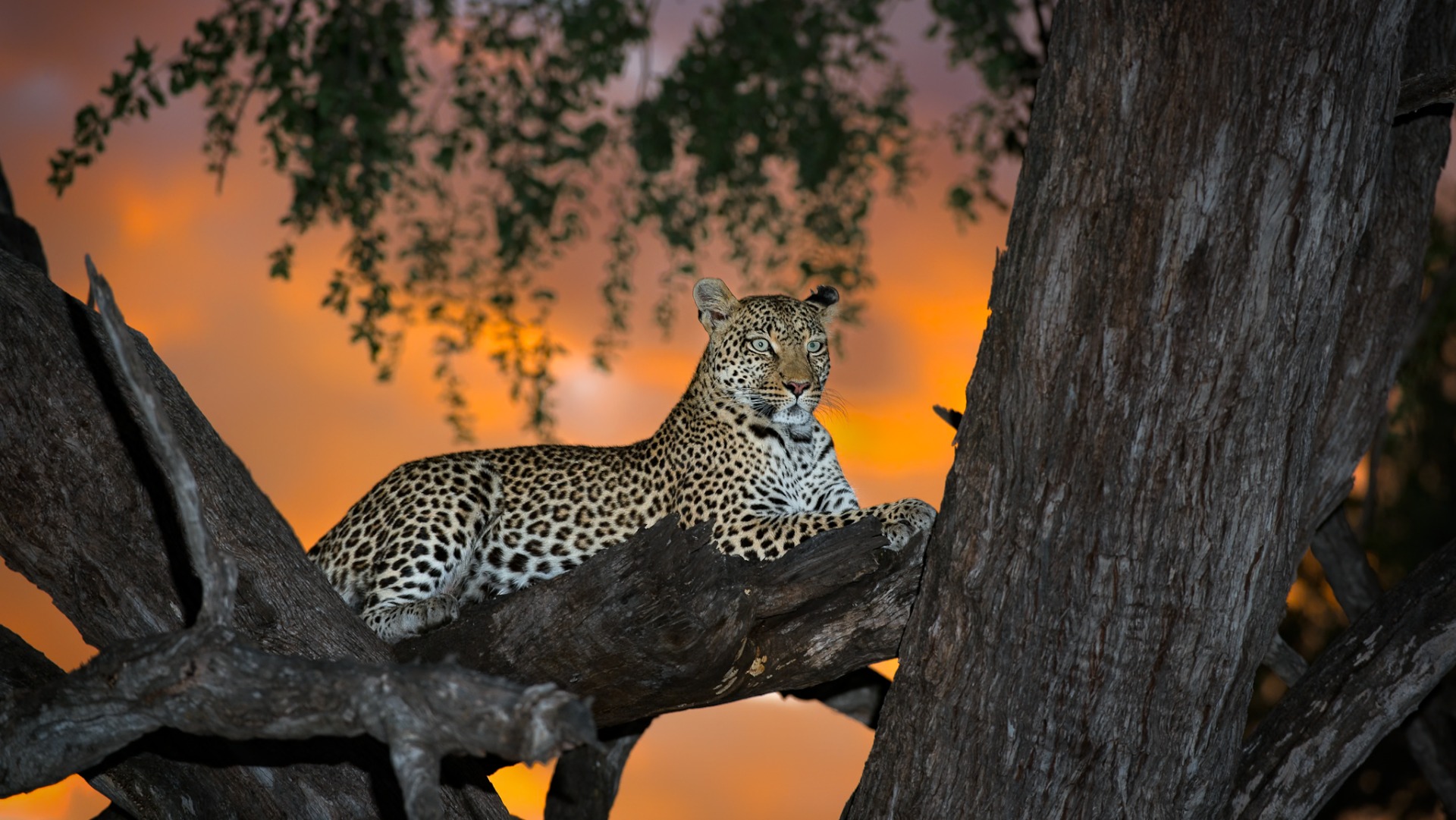
South Luangwa National Park stands as one of Africa's finest wildlife arenas, particularly for those seeking dynamic predator action. The park's 9,059 square kilometres support healthy populations of lions, leopards and the elusive wild dog, with the Luangwa River serving as both lifeline and photographic backdrop. Here, the opportunity to capture big cats against dramatic riverine scenery makes every game drive a potential masterclass.
Further west, the vast Liuwa Plain National Park offers a completely different canvas. This remote wilderness, roughly the size of Belgium, becomes a sea of golden grass during the dry season before transforming into a flooded wetland that attracts millions of wildebeest and zebra. The sheer scale challenges photographers to think in terms of landscape rather than portrait, using the horizon line to convey isolation and vastness.
In the south, the Lower Zambezi National Park provides exceptional opportunities for water-based photography. Drifting silently in a canoe or motorboat allows intimate access to elephants feeding along the riverbanks and hippos surfacing in soft morning light. The park's 4,092 square kilometres remain relatively undeveloped, preserving a sense of wilderness that translates powerfully through the camera.
In Zambia, patience is not simply a virtue for photographers. It is the difference between recording animals and revealing their stories through the language of light and gesture.
Lesser-Known Gems for the Dedicated Lens
Beyond the flagship parks, areas like the Kafue National Park reward those willing to venture further. At 22,400 square kilometres, it is one of the continent's largest protected areas, yet receives far fewer visitors than its East African counterparts. The Busanga Plains in the north of the park offer particularly striking scenes of lions resting in sausage trees against endless grassland.
Mastering Light Across Zambia's Diverse Landscapes
Zambia's light behaves differently depending on altitude, water presence and vegetation density. In the valley floors of the Luangwa, the dust raised by migrating herds creates a natural diffusion that softens harsh sunlight while adding a warm tone to images. Higher ground around the Bangweulu Wetlands presents clearer, cooler light that emphasises the delicate colours of water lilies and wading birds.
Understanding these variations allows photographers to anticipate how their subjects will appear at different times of day. The warm, golden tones of early morning often suit mammal photography, while the cooler, blue-tinged light of late afternoon brings out the iridescence in bird plumage. Those focusing on zambian wildlife photography soon learn that the quality of light frequently matters more than the rarity of the sighting.
Working with Water and Reflection
Few experiences match photographing reflections in the mirror-calm channels of the Zambezi or the oxbow lakes of the Luangwa. Early morning often provides the stillest conditions, when the absence of wind allows perfect symmetry between subject and reflection. This technique works particularly well with elephants and saddle-billed storks, whose distinctive shapes create powerful graphic elements.
Techniques for Capturing Photography Moments in Zambia
Successful zambian photography opportunities often depend on understanding animal behaviour rather than simply waiting for action. Knowing that leopards prefer to hunt during the cooler hours around dawn and dusk helps photographers position themselves effectively. Similarly, recognising the signs that precede a crocodile ambush or a hippo territorial display allows for more considered compositions.
Panning techniques prove invaluable when photographing running wildebeest or hunting wild dogs. A shutter speed between 1/60th and 1/250th of a second, combined with a smooth follow-through, can convey the energy of movement while keeping the eye sharp. In contrast, using slower shutter speeds around Victoria Falls creates ethereal effects with the cascading water, transforming a familiar scene into something more abstract and artistic.
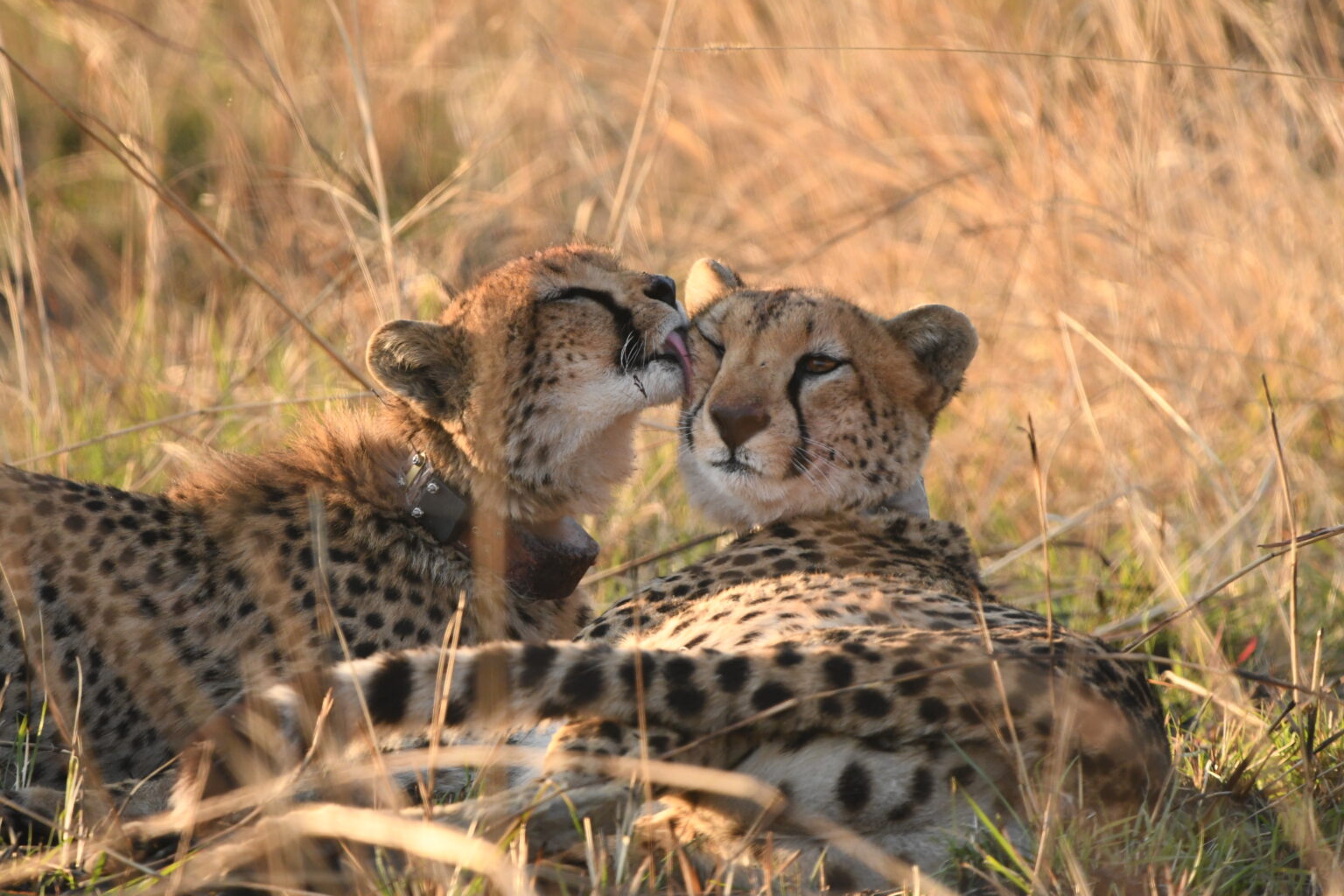
Environmental portraits that include both subject and habitat often tell more compelling stories than tightly cropped images. A lone cheetah surveying the plains from a termite mound gains additional power when framed against the vastness of the landscape. This approach requires careful consideration of foreground and background elements to maintain visual balance.
Great wildlife photography in Zambia rarely comes from chasing spectacular moments. It emerges instead from deep familiarity with a place and its rhythms, allowing the photographer to anticipate rather than react.
Equipment Considerations for African Conditions
The combination of fine dust, intense sunlight and occasional heavy downpours demands robust gear and protective measures. A versatile zoom lens in the 100-400mm or 200-500mm range covers most eventualities, while a shorter 24-70mm proves useful for landscape work and tighter environmental portraits. Many photographers also carry a 600mm prime for those distant subjects that require maximum reach.
Seasonal Highlights for Zambian Wildlife Photography
The question travellers most frequently ask is: "When is the best time to visit Zambia for photography?" The answer depends entirely on what you wish to capture. For those seeking dramatic predator action and easy game viewing, the dry season from July to October offers unparalleled opportunities. During these months, the Luangwa's legendary leopard sightings reach their peak, with some experienced guides reporting daily encounters.
November to April brings the spectacle of the Barotse Floodplain and Liuwa Plain, where the annual flood transforms the landscape and concentrates vast herds. The arrival of the first rains in November often triggers spectacular lightning displays that make for compelling night photography. February typically sees the highest water levels, creating mirror-like conditions ideal for reflection shots.
Those interested in bird photography will find the wet season particularly rewarding, with over 750 species recorded across the country. The influx of migratory birds from Europe and Asia between October and April adds considerable diversity to any portfolio. Specialities such as the African skimmer and Pel's fishing owl become more active during these months.
Planning Your Photographic Safari
Working with experienced operators who understand both wildlife and photography requirements makes a significant difference. Knowledgeable guides can position vehicles for optimal light and help interpret subtle behavioural cues that might otherwise be missed. Many of the better camps now offer dedicated photographic vehicles with bean bags and gimbal heads, allowing for greater stability and comfort during extended shooting sessions.
Beyond Wildlife: Capturing Zambia's Cultural Landscapes
While wildlife dominates most photographic itineraries, Zambia's human stories deserve equal attention. Traditional ceremonies such as the Kuomboka, which sees the Litunga move from his flooded palace to higher ground, offer colourful and deeply cultural moments. Photographing these events requires sensitivity and respect, working closely with local communities to ensure appropriate access and representation.
The fishing villages along the Zambezi and Lake Tanganyika provide authentic glimpses into daily life, where traditional methods remain largely unchanged. Early morning departures of fishing boats create striking silhouettes against the rising sun, while the careful construction of fish traps demonstrates centuries of accumulated knowledge. These images add important context to any collection focused on the natural environment.
Market scenes in Livingstone and Lusaka burst with colour and energy, though they require a different approach than wildlife photography. Here, building relationships with vendors and spending time simply observing before raising the camera tends to yield more authentic results. The vibrant textiles, fresh produce and animated conversations tell their own compelling story about modern Zambia.
Conservation Through the Lens
Photography in Zambia carries a responsibility beyond personal portfolios. Many operators now work closely with conservation organisations, using visitor images to raise awareness about specific projects. The reintroduction of black rhinos to North Luangwa, for example, has been carefully documented by visiting photographers whose work has helped secure additional funding.
Images that capture the reality of human-wildlife conflict or the impact of climate change on these ecosystems can play a vital role in conservation messaging. A photograph of an elephant family navigating a landscape increasingly fragmented by agriculture carries a different weight than a simple portrait. Thoughtful photographers consider not only what they capture but how those images might contribute to protecting the very subjects they photograph.
The most powerful photographs taken in Zambia often transcend mere documentation. They become quiet arguments for conservation, visual evidence of what stands to be lost if these wild places are not protected.
Creating Your Own Photography Moments in Zambia
Whether you seek intimate predator portraits or sweeping landscape narratives, Zambia offers endless possibilities for those willing to engage deeply with its rhythms. The country's relatively low visitor numbers compared to neighbouring destinations mean more space to work and fewer disruptions to natural behaviour. This combination creates conditions where patient, observant photographers can produce genuinely distinctive work.
Success comes from understanding that the best images rarely result from perfect equipment alone. They emerge instead from time spent in the field, from learning to read the landscape and anticipate its moments. Those who return to the same areas across different seasons often develop the most compelling bodies of work, watching how the same locations transform with the changing light and water levels.
For discerning travellers seeking a private safari beyond our set itineraries, we invite you to contact us directly. We specialise in designing exceptional, tailor-made journeys for individuals, couples, families, and private groups of up to eight guests. Drawing on our handpicked network of distinguished camps and lodges, we curate every detail with precision and care, creating a seamless, deeply personal safari experience shaped entirely around your preferences, pace, and budget.
Consider combining your photographic safari with a stay at Chiawa Safaris - Puku Ridge in the Lower Zambezi, where expert guides understand the specific requirements of serious photographers. Or explore the remote beauty of Liuwa Plain from Camp Sabali, perfectly positioned for the annual wildebeest migration. For those looking to incorporate gorilla tracking with their Zambian experience, our Uganda safaris offer seamless multi-country itineraries.
Whatever your vision, Encounters Africa stands ready to help translate it into reality. The Zambezi awaits, along with countless opportunities to create images that capture not just what you saw, but how it moved you. We look forward to hearing from you and beginning the process of crafting your perfect photographic journey through this remarkable country.
More like this
photography
Why Amboseli’s Swamps Sustain Wildlife Long After Rains Depart
Photography
Why Kenya Challenges Even Seasoned Photographers to Rethink Their Approach
Photography
Why Most Sahara Images Miss the Desert's Most Compelling Frames
Photography
Why Rwandan Photography Challenges Force You to Master Patience and Precision
Photography
Why Rwanda's Misty Volcanoes Demand a Different Approach to Photography
Photography