photography
Why Amboseli’s Swamps Sustain Wildlife Long After Rains Depart
Encounters Africa - 7 min read
Updated on 28 August 2026
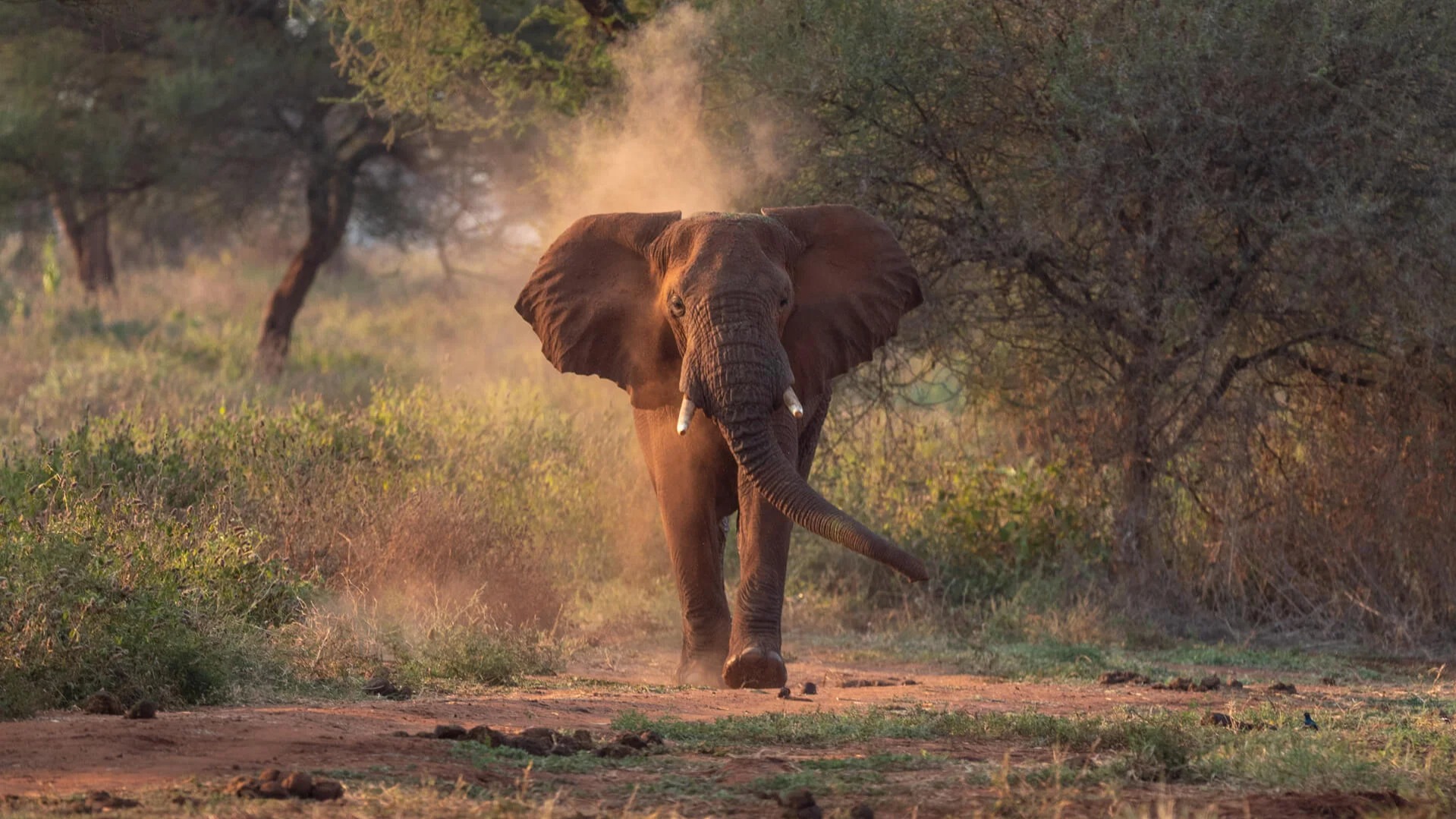
Amboseli’s swamps sustain wildlife long after rains depart because underground springs fed by Kilimanjaro keep them replenished year-round. This reliable water source draws large elephant families and other game even during the harshest dry months, creating one of Kenya’s most dependable photographic arenas. The park’s open landscapes and dramatic mountain backdrop add further layers for those seeking both intimate animal encounters and sweeping scenic images.
From the steady tread of matriarch-led herds to the golden light that sets snow-capped peaks aglow, the area rewards patient observers with scenes that linger in memory. Encounters Africa is part of the Secret Namibia group and is the specialist arm for safaris beyond Namibia, covering South Africa, Botswana, Kenya, Tanzania, Rwanda, Uganda, Zambia and Zimbabwe. We book directly with camps and lodges, tailoring journeys for individuals, couples, families and private groups of up to eight using our 81 published itineraries that can all be reshaped.
Why the Swamps Remain Productive in the Dry Season
While most of Amboseli’s plains turn to dust under the equatorial sun, its central swamps stay remarkably green. These wetlands are nourished by subterranean aquifers originating from the melting glaciers and heavy rains on Africa’s highest mountain. The water filters slowly through volcanic rock, emerging as clear springs that maintain consistent levels regardless of local rainfall patterns.
This hydrological gift supports a surprising density of life when surrounding areas grow parched. Elephants in particular rely on the swamps for drinking, bathing, and extracting mineral-rich vegetation. Buffalo herds wallow in the shallows, while hippos carve deeper channels that smaller species later use. The result is a concentrated ecosystem that photographers can return to day after day with fresh perspectives.
The swamps act as a living reservoir, quietly sustaining an entire web of life long after the last seasonal shower has vanished from the horizon.
Elephant Family Dynamics in Amboseli
The park’s elephant population is famous for its complex social structures and relaxed behaviour around vehicles. Matriarchs lead extended family groups that may number twenty or more individuals, passing down knowledge of safe routes and productive feeding grounds across generations. Observing these gentle giants against the mountain backdrop offers some of the most evocative imagery on the continent.
Researchers have identified over 1,500 individual elephants here, many of whom bear names and detailed life histories thanks to decades of continuous study. Visitors might witness a calf learning to use its trunk, siblings play-fighting in the mud, or an elder carefully stripping bark from an acacia. Such intimate moments become even more powerful when framed with the iconic silhouette of Kilimanjaro rising behind.
Private vehicles allow photographers to linger without disturbing these natural interactions, waiting for the perfect combination of gesture and light. Early morning mist rising from the swamps often adds an ethereal quality to these scenes, softening outlines and creating depth in layered compositions.
When is Kilimanjaro Visible from Amboseli?
Kilimanjaro is most reliably visible from Amboseli during the dry season months of June through October and again from late December to March. Clear skies are more common then because rainfall is minimal and dust tends to settle, revealing the mountain’s full profile for several hours after dawn and before dusk. However, clouds frequently shroud the summit even in these periods, so early morning offers the highest probability of an unobstructed view. The mountain’s visibility can change within minutes, making patience and multiple visits essential for photographers seeking that classic image.
The Best Light for Photographing the Mountain
Golden hour remains the undisputed champion for capturing Amboseli’s iconic mountain views. In the hour after sunrise, warm sidelight illuminates the snows with a delicate pink hue while long shadows stretch across the plains, adding texture and dimension. Late afternoon light offers a different but equally compelling palette, bathing the landscape in rich amber tones as the sun descends.
During the middle of the day, harsh overhead sun can flatten the scene and create excessive contrast between bright snow and dark earth. Savvy photographers therefore schedule game drives to coincide with softer illumination, returning to camp for midday rest before venturing out again as shadows lengthen. This rhythm also aligns beautifully with wildlife activity patterns, when animals are more likely to be on the move.
Cloud formations can dramatically enhance or obscure compositions. A veil of mist partially wrapping the peak creates mystery, while dramatic storm clouds building in the afternoon can produce striking contrast. The key lies in being present and ready when conditions align, something that becomes far easier when staying at a well-positioned camp with experienced guides who monitor weather patterns.
That first glimpse of Kilimanjaro catching the morning light, with a line of elephants crossing the foreground, never fails to quicken the pulse of even the most seasoned wildlife photographer.
Practical Considerations for Photographic Safaris in Amboseli
Choosing the right base makes a significant difference to both photographic success and overall comfort. Camps situated near the swamps provide quicker access to prime locations, allowing guests to reach favoured spots before other vehicles arrive. Private conservancy areas bordering the national park often grant exclusive traversing rights, reducing congestion and permitting off-road positioning for better angles.
Equipment choices should account for both intimate wildlife portraits and expansive landscape work. A versatile zoom lens covering 100-400mm handles most elephant encounters, while wider optics from 24mm to 70mm capture the mountain in context. Bean bags prove particularly useful in vehicles here, offering stable support without the need for tripods that can be cumbersome during game drives.
Guides who understand photographer priorities can position vehicles to take advantage of natural light and animal movement. They also help interpret behaviour, predicting when an elephant might flap its ears or a herd might cross a clearing, ensuring you are ready with the right settings. For those seeking deeper immersion, Amboseli National Park combines perfectly with visits to Masai Mara National Reserve or a stay at Tortilis Camp.
Conservation Context and Community Connections
The long-term health of Amboseli’s elephants and their habitat depends on thoughtful tourism that supports surrounding communities. Revenue from park fees and private conservancies helps fund anti-poaching initiatives and development projects that reduce pressure on natural resources. When travellers choose responsible operators, they contribute directly to these efforts.
Local Maasai communities play a vital role in protecting the wider ecosystem, balancing traditional pastoralism with wildlife conservation. Many photographic camps work closely with these groups, offering cultural insights that enrich the safari experience while supporting education and healthcare programmes. This collaborative approach helps ensure that future generations can continue to witness the same remarkable scenes that captivate visitors today.
Every shutter click in Amboseli carries a deeper story of coexistence between people, elephants, and the mountain that silently nourishes them all.
Planning Your Own Amboseli Photographic Journey
Amboseli offers a compelling combination of reliable wildlife, dramatic scenery, and photographic variety that few other destinations can match. Whether you focus on tender moments within elephant families or the majestic sweep of mountain and plain, the experience leaves a lasting impression. The key lies in timing your visit to coincide with favourable light and water conditions, then allowing sufficient days to explore different areas and moods.
For discerning travellers seeking a private safari beyond our set itineraries, we invite you to contact us directly. We specialise in designing exceptional, tailor-made journeys for individuals, couples, families, and private groups of up to eight guests. Drawing on our handpicked network of distinguished camps and lodges, we curate every detail with precision and care, creating a seamless, deeply personal safari experience shaped entirely around your preferences, pace, and budget.
Compare safari styles in our companion piece Namibia safari versus Kenya safari and discover luxury private fly-in options at Namibia luxury private fly-in safari. To begin shaping your own Amboseli adventure or a wider East African journey, please visit our enquiry form and allow Encounters Africa to craft something unforgettable.
More like this
Photography
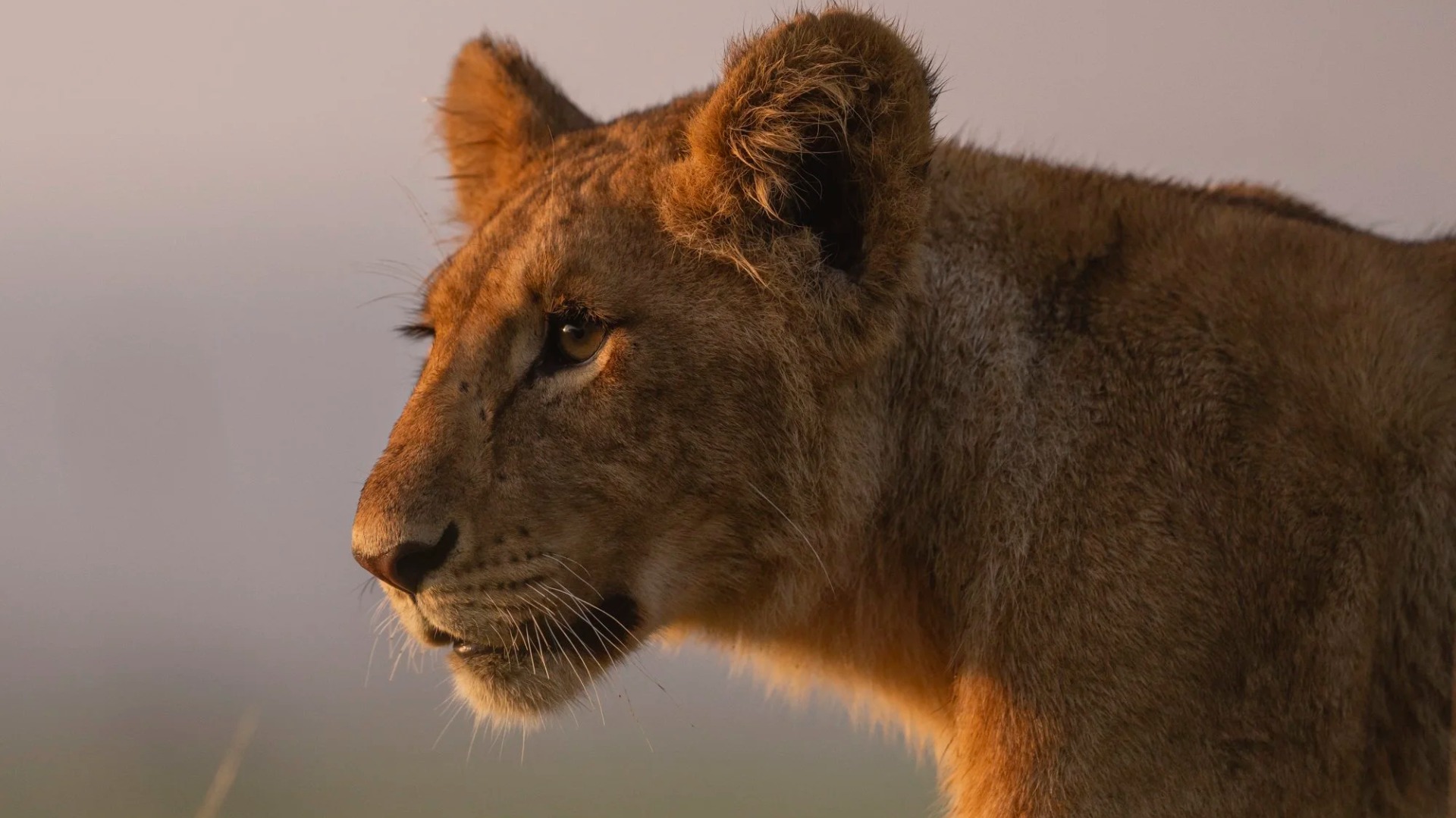
Why Kenya Challenges Even Seasoned Photographers to Rethink Their Approach
Photography
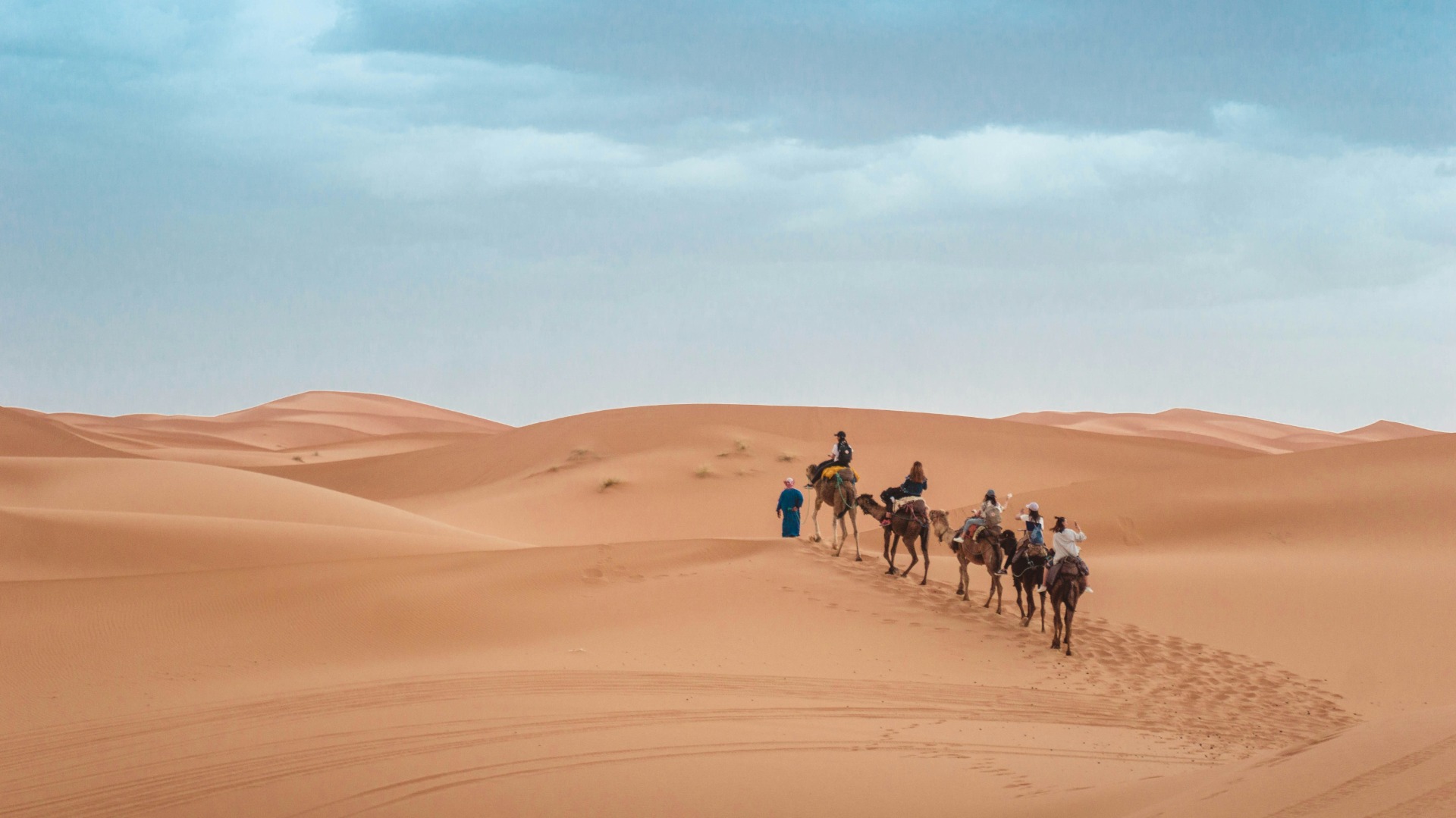
Why Most Sahara Images Miss the Desert's Most Compelling Frames
Photography
Why Rwandan Photography Challenges Force You to Master Patience and Precision
Photography
Why Rwanda's Misty Volcanoes Demand a Different Approach to Photography
Photography
Why South African Wildlife Photography Demands More Than Just the Right Lens
Photography