Wildlife
What Recent Data Shows About Wildlife Recovery Programs Across Rwanda
Encounters Africa - 8 min read
Updated on 16 June 2026
Recent surveys reveal that wildlife in Rwanda has made remarkable strides over the past two decades. From the rolling grasslands of Akagera to the cloud-shrouded slopes of the Virunga massif, targeted recovery initiatives have delivered measurable population increases across several key species. These wildlife efforts in Rwanda combine scientific monitoring, community involvement, and strategic habitat management to rebuild ecosystems once devastated by conflict and habitat loss.
Akagera's lions and elephants now thrive thanks to sustained habitat restoration, while mountain gorilla groups in the Virunga massif continue expanding under close veterinary monitoring and local partnerships. This article examines the latest data on these programmes, offering travellers a clear picture of how Rwanda continues to strengthen its conservation legacy.
The Mountain Gorilla Recovery in Volcanoes National Park
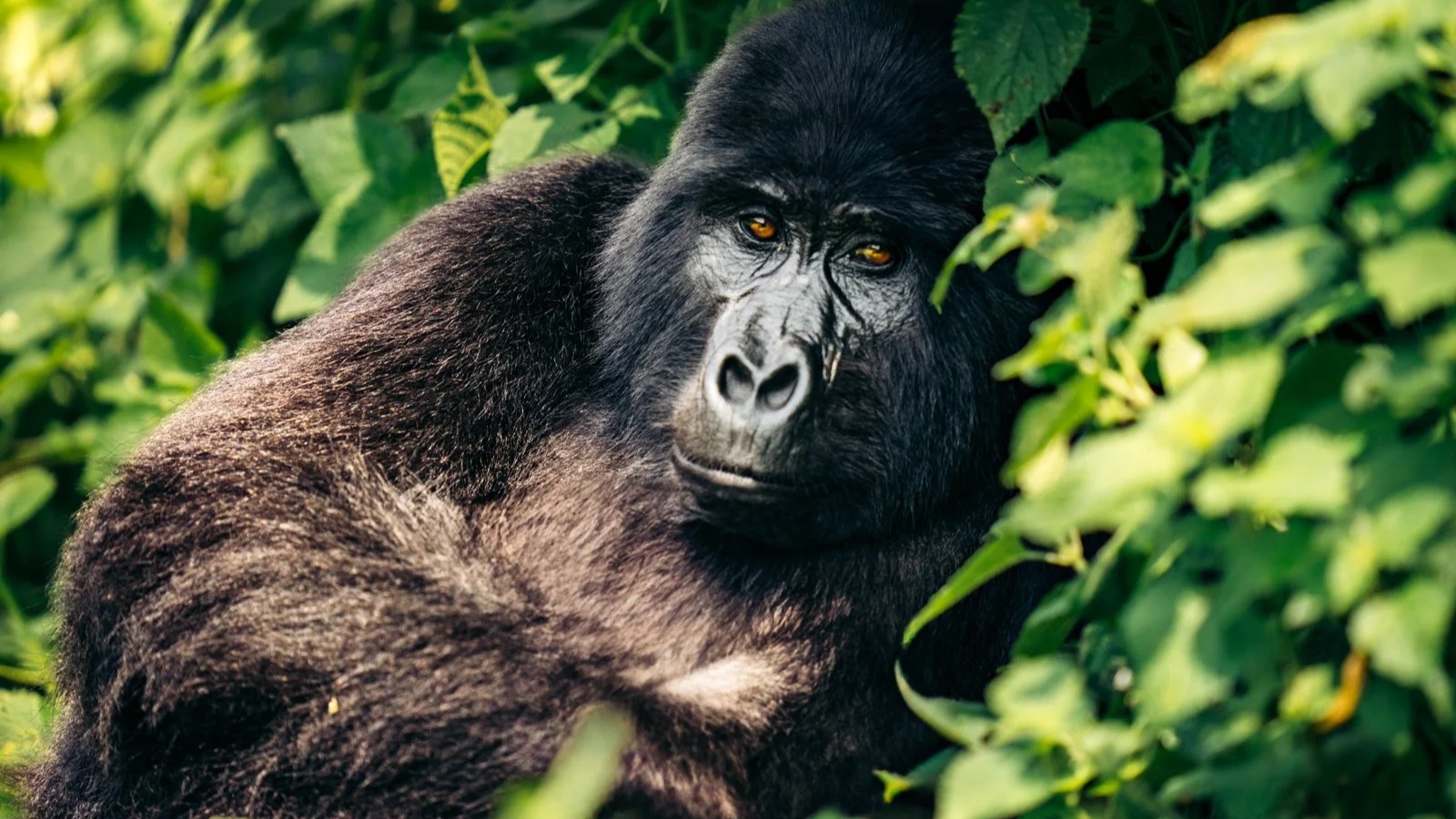
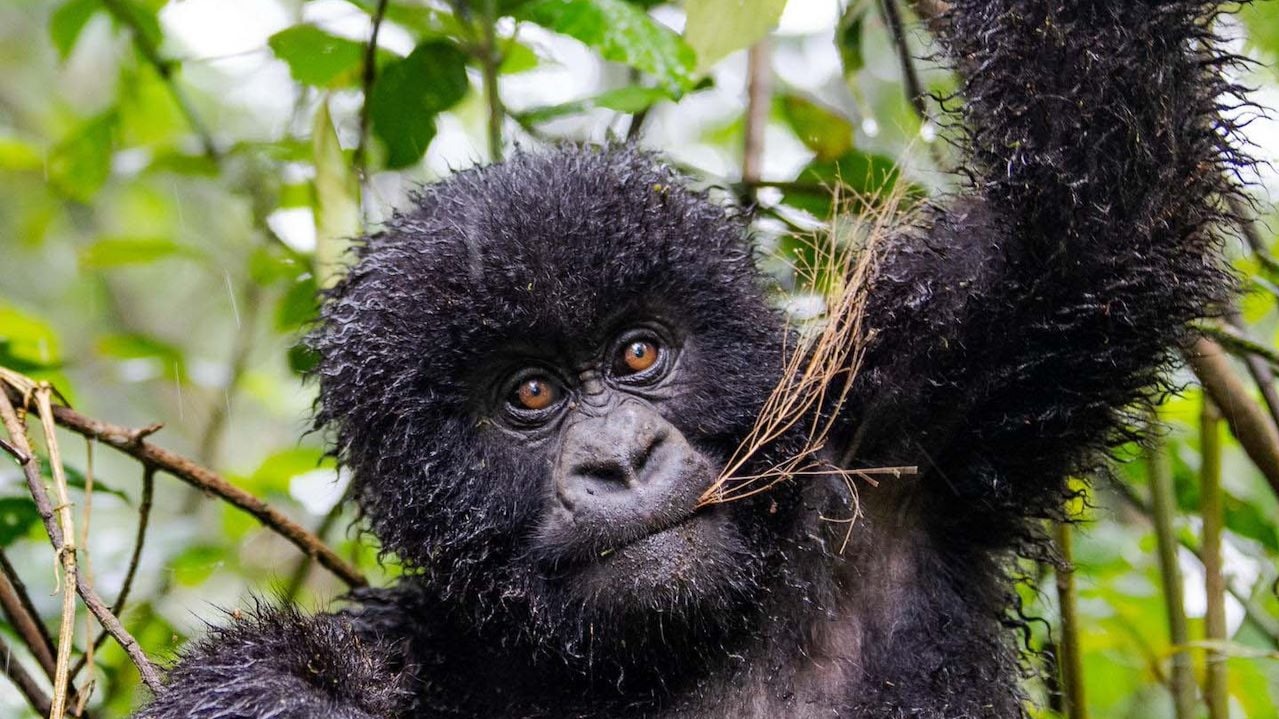
The mountain gorilla remains the flagship species for wildlife efforts in Rwanda. According to the 2022 census conducted across the Virunga massif, the population now stands at 1,063 individuals, representing a 26 percent increase since the previous count in 2015. In Rwanda's sector of Volcanoes National Park, habituated groups have grown steadily, supported by daily veterinary checks and strict tourism protocols that limit each trek to eight visitors.
These figures reflect decades of dedicated work. Rangers and researchers track every individual using non-invasive genetic sampling and GPS collars on silverbacks. When illness appears, mobile veterinary units respond within hours, often administering treatment in the field. Such rapid intervention has reduced mortality rates significantly, particularly among infants.
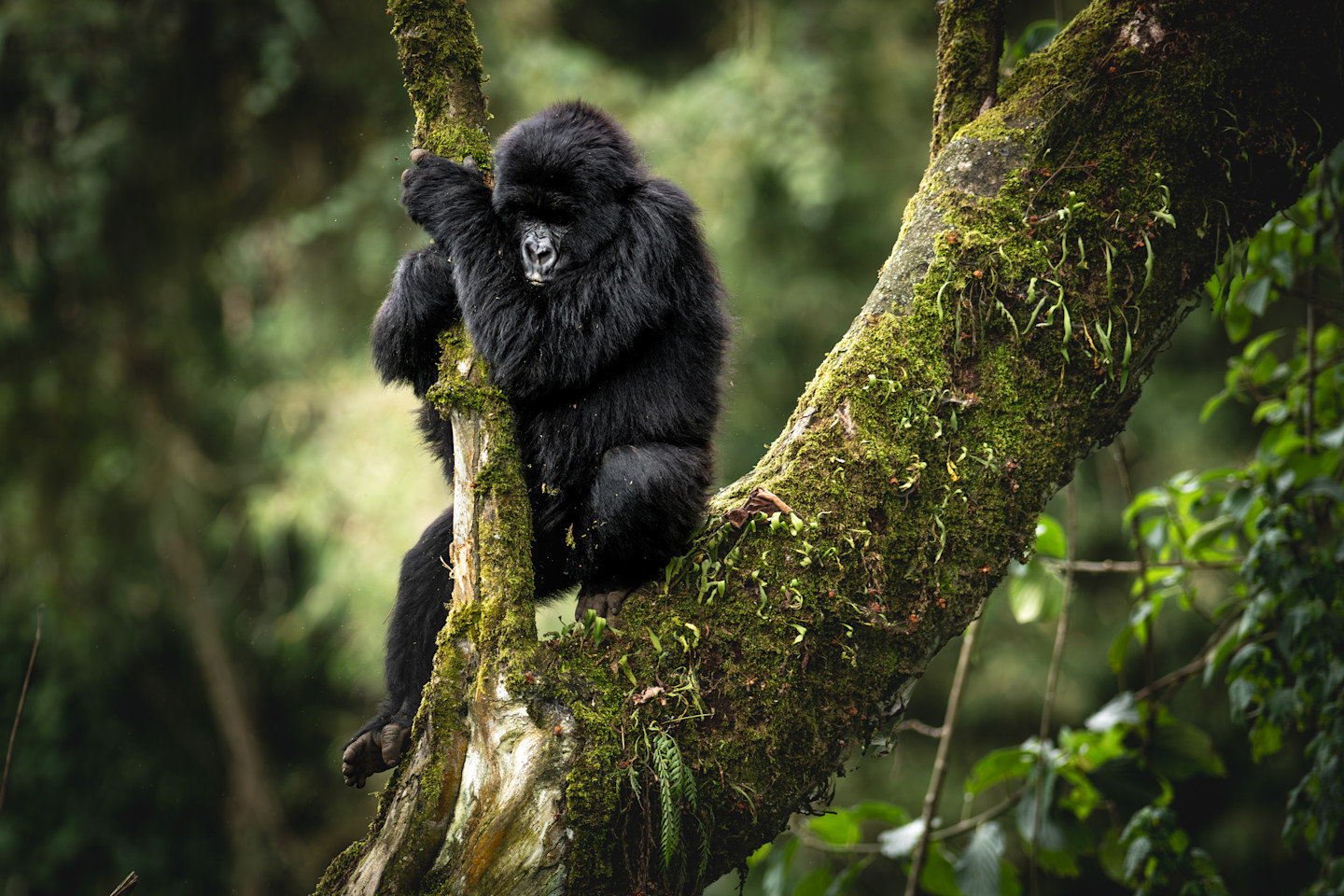
The quiet dedication of local teams has transformed a species once on the brink into one of Africa's clearest conservation successes.
Community revenue from gorilla permits plays a central role. Each year, a portion of the $1,500 permit fee flows directly to surrounding villages through the Rwanda Development Board. This funding supports schools, health clinics, and alternative livelihoods, reducing pressure on park boundaries and fostering genuine local investment in gorilla protection.
Monitoring Techniques That Deliver Results
Field teams employ a combination of traditional tracking and modern technology. Teams of two to four rangers follow habituated groups from dawn until dusk, recording feeding patterns, social interactions, and any signs of injury. Nest counts and camera traps provide supplementary data on unhabituated families living deeper in the forest.
Recent studies published in 2023 show that veterinary interventions have improved infant survival from roughly 65 percent in the early 2000s to over 85 percent today. These numbers demonstrate how consistent, well-funded monitoring creates tangible gains for wildlife in Rwanda.
Akagera National Park: From Near-Empty to Thriving Ecosystem
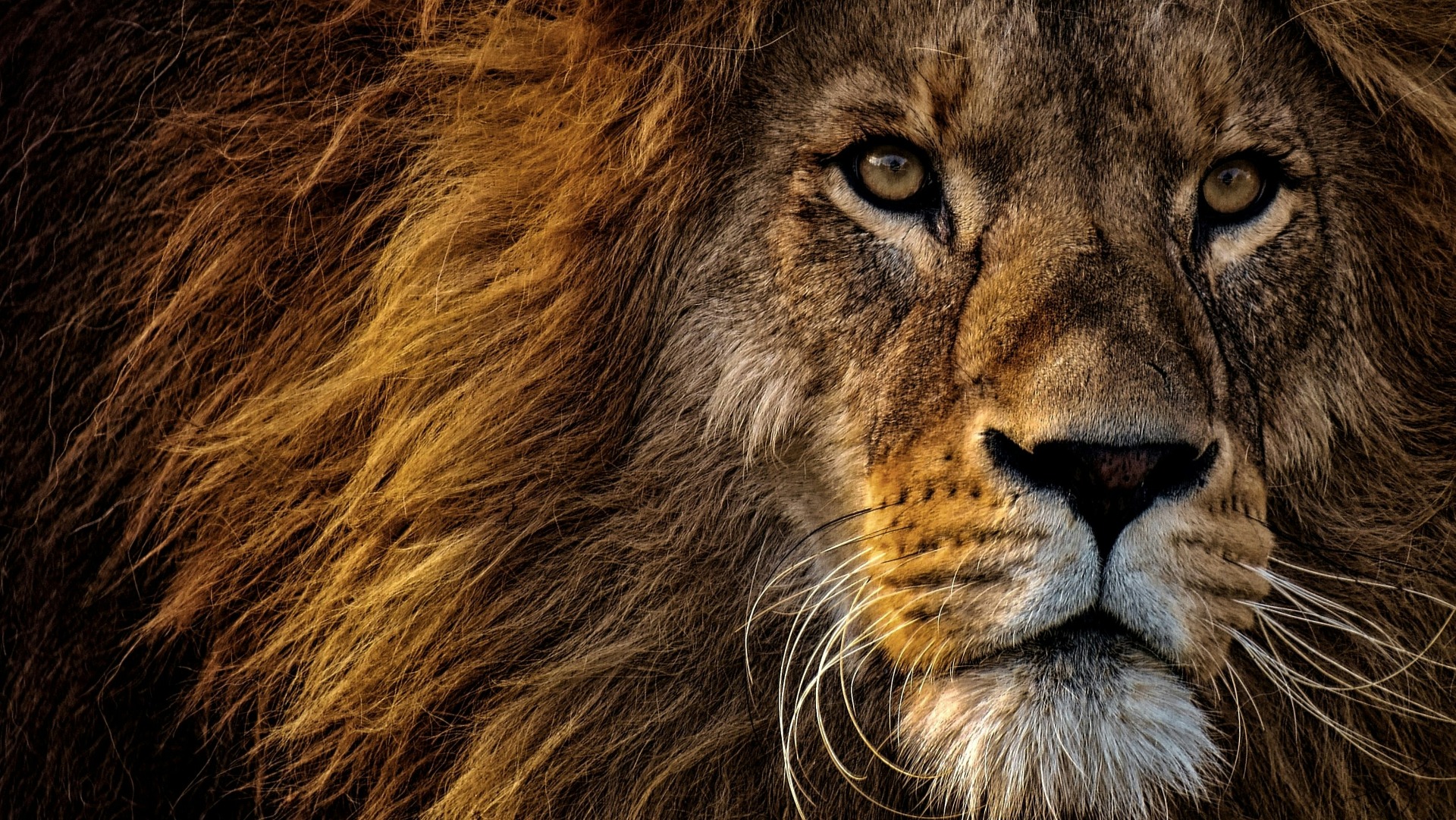
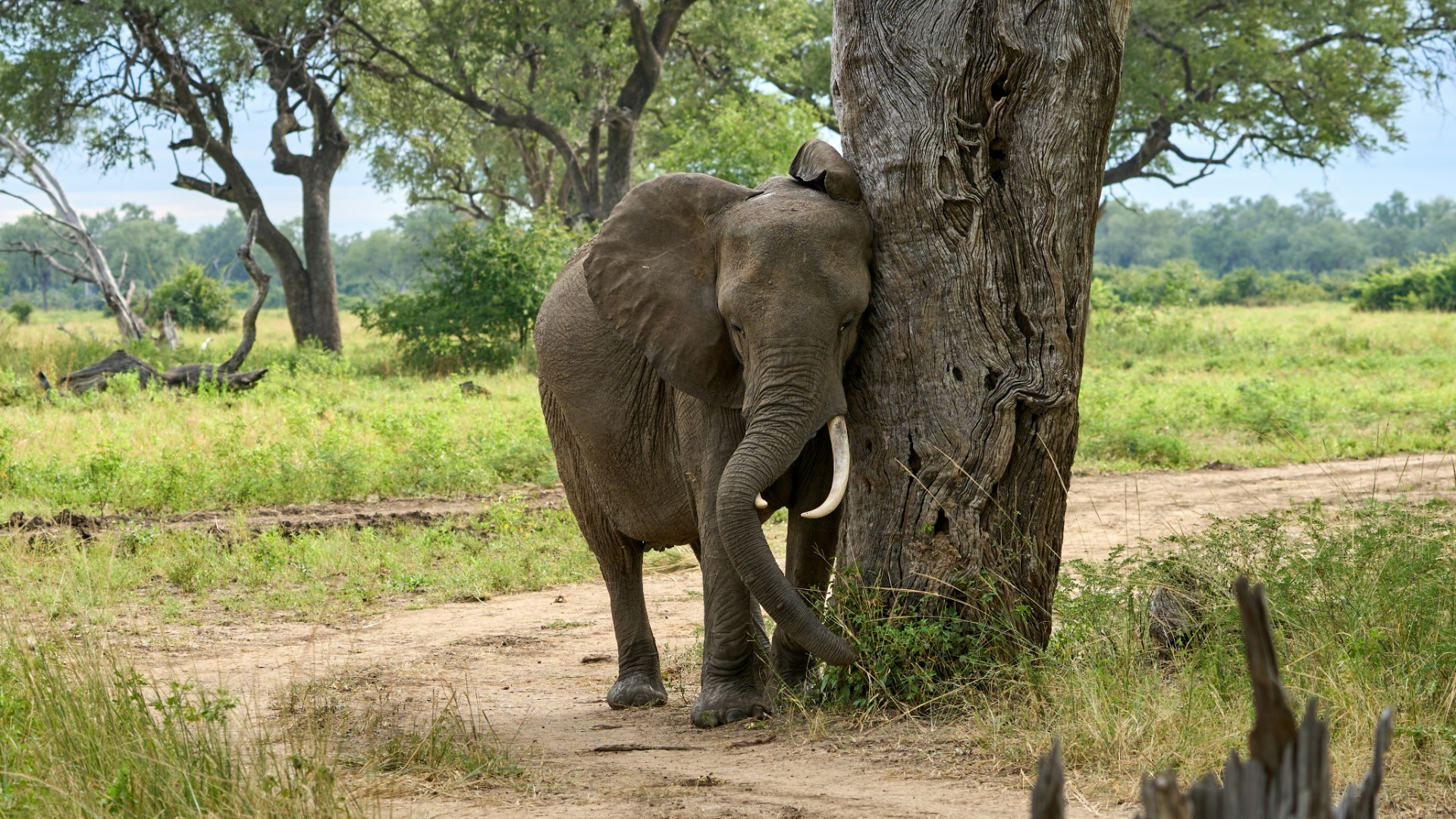
Further east, Akagera tells an equally compelling story of landscape-scale restoration. In 2010, the park held just two lions. By early 2024, the population had reached 85 individuals across 13 prides. Elephant numbers have climbed from around 30 to more than 130 during the same period. These increases stem from deliberate reintroductions, expanded anti-poaching patrols, and extensive habitat rehabilitation.
The park's 1,122 square kilometres now support healthy populations of buffalo, zebra, giraffe, and over 500 bird species. Seasonal wetlands attract vast congregations of waterfowl, while the surrounding savannah offers some of East Africa's most productive big-cat viewing. Such diversity makes Akagera an essential destination for those seeking to understand the breadth of wildlife in Rwanda.
Fourteen years of focused restoration have returned top predators and large herbivores to a landscape that had lost them for decades.
Rhino Reintroduction and Habitat Management
Black rhinos, reintroduced in 2017, now number 22 animals. The Rwanda Development Board works closely with international partners to source founder stock from South Africa, ensuring genetic diversity. Each rhino receives a radio collar, allowing rangers to monitor movements and intervene quickly if snares or injuries appear.
Simultaneously, controlled burning and grassland restoration have improved grazing conditions for both rhinos and the large herbivore populations that support lions. These coordinated actions illustrate the holistic approach characterising current wildlife efforts in Rwanda.
Community Partnerships Driving Long-Term Success
Neither gorillas nor lions exist in isolation from the people living beside their habitats. Rwanda's model recognises that conservation must deliver tangible benefits to local families. In the Volcanoes region, former poachers have become highly trained trackers and guides, earning steady incomes that far exceed what illegal activities once provided.
Similar programmes operate around Akagera. Revenue-sharing schemes have funded the construction of 18 new classrooms and supported over 200 beehive projects that generate honey income while discouraging forest encroachment. When communities see direct financial returns from protected areas, tolerance for wildlife increases dramatically.
These initiatives align with broader national goals. Rwanda aims to protect 30 percent of its land surface by 2030, and community-led conservation forms the backbone of that ambition. The results speak clearly: human-wildlife conflict incidents have declined by more than 70 percent in buffer zones since 2015.
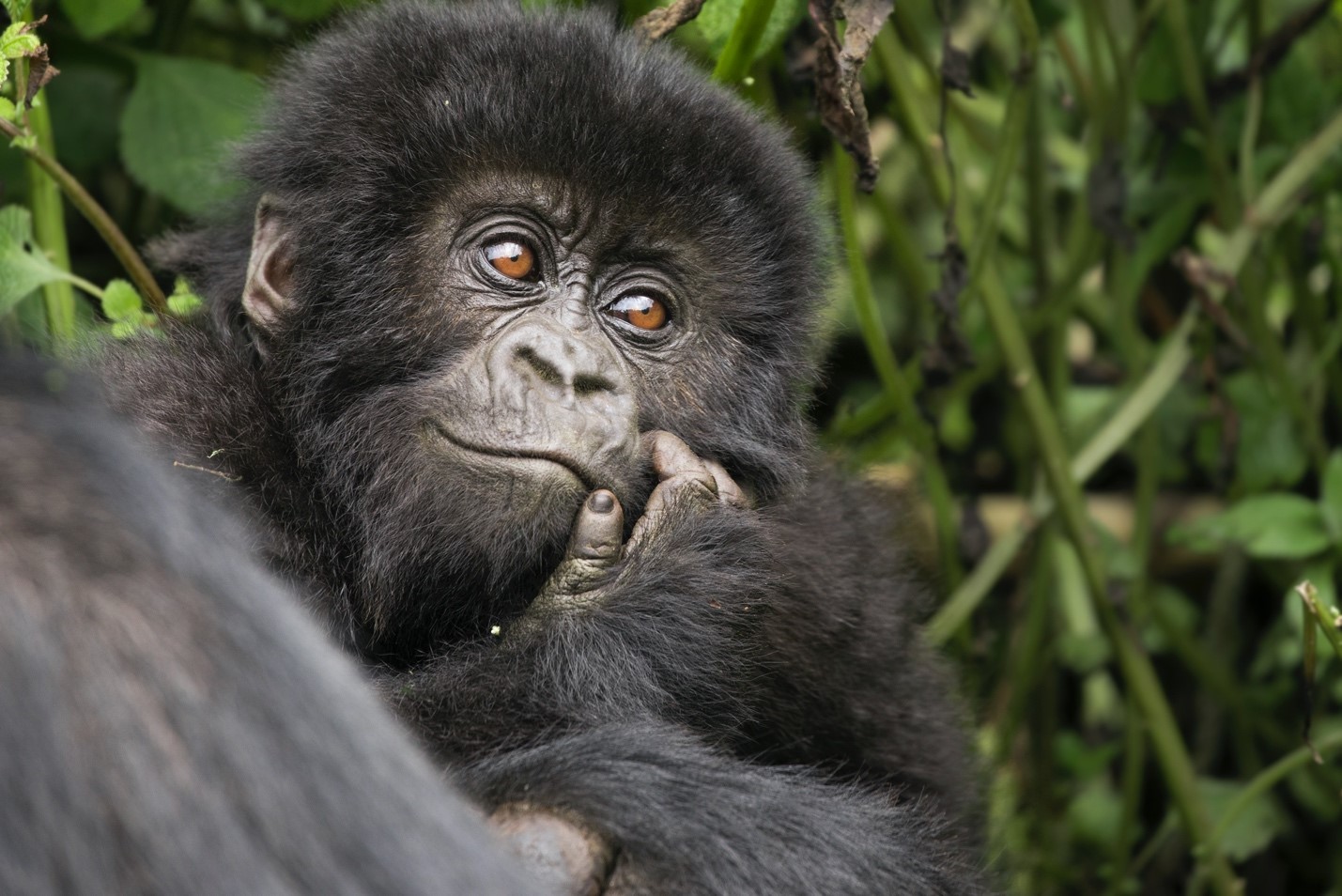
Conservation cannot succeed without the genuine support of those who share the landscape with wild animals.
What Recent Data Shows About Wildlife Recovery Programs Across Rwanda
The latest figures paint an encouraging picture. Mountain gorilla numbers across the Virunga massif have increased by approximately 2 percent annually since 2010. In Akagera, large mammal biomass has risen by 400 percent since intensive restoration began in 2010. Bird populations have rebounded, with several rare species now regularly recorded by visiting ornithologists.
These gains did not happen by chance. Between 2010 and 2023, Rwanda invested more than $340 million in protected-area infrastructure, training, and community programmes. International partners, including the African Parks Network and the Dian Fossey Gorilla Fund, have provided technical expertise and additional funding. The combination of strong political will, consistent financing, and adaptive management has produced results that few predicted two decades ago.
Yet challenges remain. Climate change brings shifting rainfall patterns that affect both highland bamboo forests and lowland savannahs. Human population growth around park boundaries continues to exert pressure. Continued success will require sustained investment and ongoing innovation in how protected areas are managed.
Common Questions About Rwanda's Conservation Model
How many mountain gorillas live in Rwanda today? The most recent census recorded 604 gorillas in the Rwandan sector of the Virunga massif, part of the total 1,063 across Rwanda, Uganda, and the Democratic Republic of Congo.
When is the best time to visit for gorilla trekking? The dry seasons from June to September and December to February offer easier hiking conditions on the volcano slopes, although gorilla permits remain available year-round.
How much of the gorilla permit fee supports local communities? Currently, 10 percent of revenue from permits is allocated directly to community projects in the surrounding districts.
These answers reflect the transparent approach that defines modern wildlife efforts in Rwanda. Travellers who join Encounters Africa journeys receive detailed briefings on current population data and the specific conservation projects their visit helps fund.
Looking Ahead: The Next Decade of Conservation
Rwanda has set ambitious targets for the coming years. Plans include expanding the rhino population in Akagera to 50 individuals by 2030 and continuing the steady growth of the mountain gorilla population. New technology, such as AI-assisted camera-trap analysis and environmental DNA sampling, will help scientists monitor biodiversity with greater precision and less disturbance.
At the same time, Rwanda is positioning itself as a regional leader in biodiversity finance. The country's pioneering green bonds and growing ecotourism sector demonstrate that conservation can form a cornerstone of sustainable economic development. For visitors, this means access to well-managed parks, highly trained guides, and the knowledge that their presence contributes directly to protection efforts.
Those interested in experiencing these landscapes responsibly can explore our tailored Rwanda safaris that combine gorilla trekking with visits to Akagera and cultural encounters in local villages. We also recommend reading our recent feature on why community-led conservation matters across East Africa to understand the wider context of these programmes.
Planning Your Journey to Rwanda's Recovering Wild Spaces
The data tells a compelling story of renewal. Through persistent effort, innovative science, and genuine community partnership, Rwanda has rebuilt populations of some of Africa's most iconic species. The mountain gorillas of the Virungas and the lions of Akagera represent more than biological success; they embody a national commitment to restoring natural heritage while improving lives.
For discerning travellers seeking a private safari beyond our set itineraries, we invite you to contact us directly. We specialise in designing exceptional, tailor-made journeys for individuals, couples, families, and private groups of up to eight guests. Drawing on our handpicked network of distinguished camps and lodges, we curate every detail with precision and care, creating a seamless, deeply personal safari experience shaped entirely around your preferences, pace, and budget.
Whether you hope to sit among a family of gorillas on the misty slopes of Volcanoes National Park or watch a lion pride hunt on the open plains of Akagera, Encounters Africa can craft an itinerary that connects you meaningfully with both the wildlife and the people protecting it. We work closely with Clouds Mountain Gorilla Lodge and other carefully selected partners to ensure every moment supports the conservation efforts that make these experiences possible.
Begin your planning today by visiting our enquiry form. Our team of Rwanda specialists looks forward to designing a journey that leaves you enriched, informed, and inspired by the remarkable story of wildlife in Rwanda.
More like this
wildlife
What Recent Kenyan Wildlife News Reveals About Changing Habitats
Wildlife
What Sets Botswana's Big Five Apart from Their Cousins Elsewhere
wildlife
What the Daily Habits of Zambian Wildlife Reveal About Survival
@-cropped.jpg)
Wildlife
What the Return of Zambia's Painted Wolves Says About Recovery
wildlife
What to Expect on a Gorilla Trek in Rwanda’s Volcanoes National Park
Wildlife