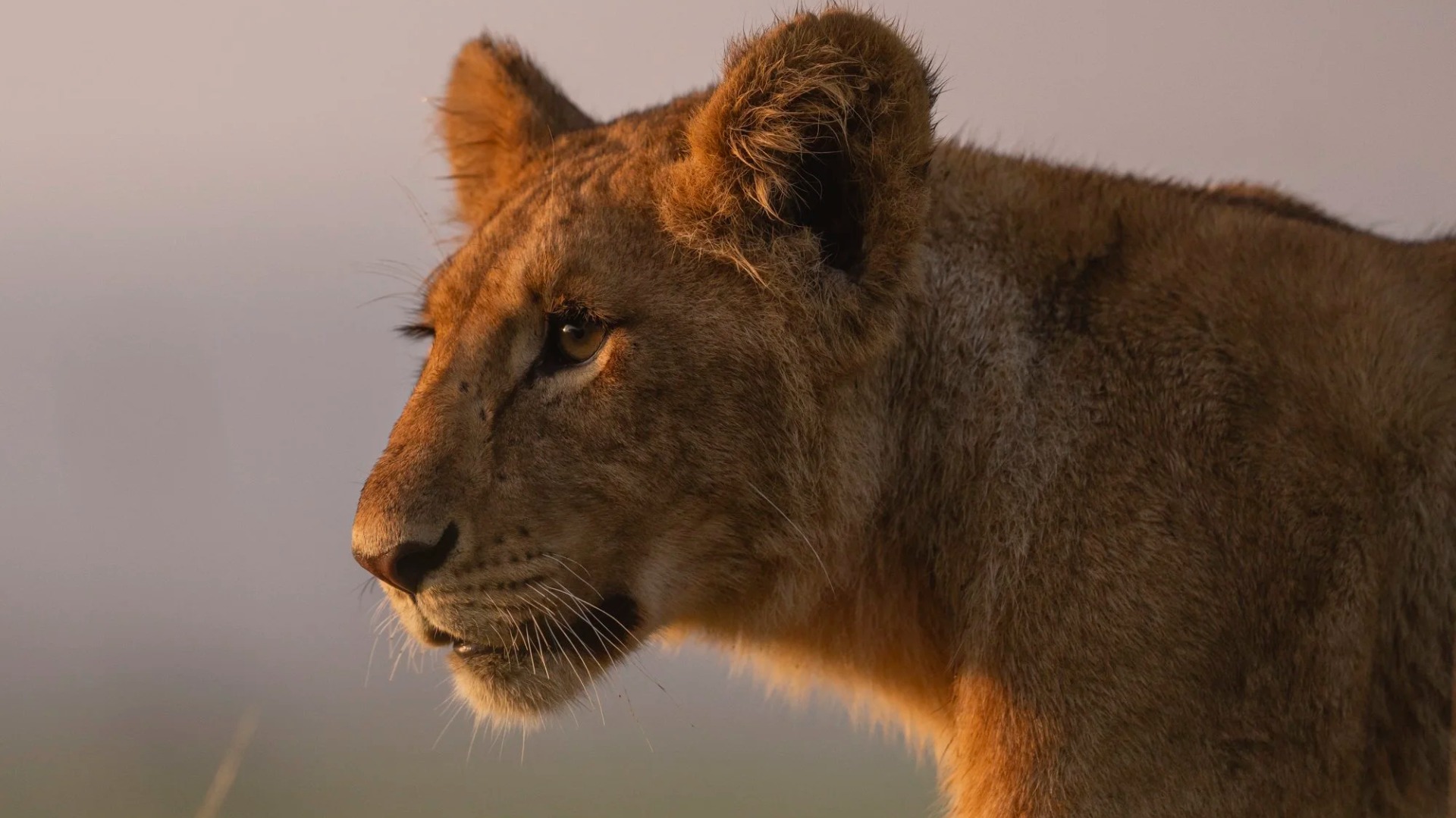
Photography
Why Kenya Challenges Even Seasoned Photographers to Rethink Their Approach
Encounters Africa - 11 min read
Updated on 29 June 2026
Kenyan photography tests the assumptions even seasoned lensmen carry from other wild places. The country rewards those who move beyond standard safari shots. Explore lesser-known angles on light behaviour in high-altitude forests, techniques for capturing cultural moments with authenticity, and ways to refine your eye for detail in dynamic environments.
A single morning in the Kenyan highlands can shift from soft mist to harsh equatorial glare within minutes, forcing constant adaptation. This is how to photograph Kenya when the landscape itself seems to rewrite the rules of exposure and composition. For travellers drawn to more than checklist images, the experience becomes a deeper dialogue between light, subject, and the photographer’s own evolving perspective.
Kenya does not hand out perfect frames; it demands that you earn them through patience, humility, and a willingness to let go of preconceived ideas about what a safari photograph should look like.
The Light That Redefines Kenyan Photography
Equatorial light arrives with an intensity few visitors anticipate. At elevations above 1,800 metres in places such as the Laikipia plateau, the sun climbs quickly and casts short, hard shadows by mid-morning. Understanding this rhythm is fundamental to successful Kenyan photography.
Early hours offer a gentler palette. Mist lingers in the valleys of Laikipia until nearly nine o’clock during the dry season, diffusing light across acacia canopies and turning elephant herds into silhouettes against pale gold. By contrast, the harsh midday sun in the Masai Mara can bleach colour from a frame unless you deliberately seek shade or work with backlighting to create dramatic rim light around subject outlines.
Golden hour here lasts longer than many expect, stretching from roughly 5:45 pm until after 7 pm in January. This extended window allows time to experiment with slower shutter speeds that capture the subtle movement of grass in the breeze or the flick of a tail as a lion pride settles for the night. Those who master these shifting conditions produce images that feel alive rather than frozen.
High-Altitude Forests and Diffused Drama
Move away from the open plains and the light changes character entirely. In the montane forests surrounding Mount Kenya, canopy cover creates natural softboxes. Shafts of sunlight pierce through at unexpected angles, illuminating individual leaves or the face of a colobus monkey mid-leap. This environment teaches restraint; over-saturation of colour is a constant risk.
Photographers who spend time here learn to embrace negative space. A single sunbeam falling on a forest floor can carry more narrative weight than a crowded frame of multiple species. The key lies in waiting for the precise moment when subject and light align without forcing the composition.
The forests of Kenya teach that restraint often produces more memorable images than the pursuit of dramatic action.
Wildlife Encounters That Demand Technical Precision
Kenya’s wildlife offers endless subjects, yet the real skill lies in capturing behaviour rather than mere presence. A cheetah’s focused stare before a hunt, the dust kicked up by stampeding zebra at river crossings, or the tender moment between a mother rhino and her calf each require different technical approaches.
In the Mara North Conservancy, the annual wildebeest migration between July and October creates chaotic scenes that test any photographer’s reflexes. Maintaining a shutter speed above 1/2000 second becomes essential when documenting the river crossings at the Mara River, where crocodiles and powerful currents add layers of drama. Yet slowing down to 1/60 second during the quieter hours can reveal the elegant rhythm of thousands of hooves moving as one across the plains.
Predators require an entirely different mindset. The patience needed to photograph a leopard draped along a branch at first light in the Olare Motorogi Conservancy cannot be overstated. Guides from well-managed conservancies understand these patterns and position vehicles with the sun at the photographer’s back, allowing for clean, well-exposed portraits without disturbing the animal’s natural behaviour.
Ethical Considerations in Wildlife Kenyan Photography
Responsible practice forms the foundation of meaningful wildlife imagery. Maintaining a minimum distance of 25 metres from big cats and 50 metres from elephants and rhinos helps ensure animals remain undisturbed. When every vehicle at a sighting follows these guidelines, the experience benefits both the wildlife and those hoping to capture authentic moments.
Choosing operators who support conservation makes a tangible difference. Properties such as Elewana Elephant Pepper Camp in Laikipia work closely with local communities and anti-poaching initiatives, creating an environment where photographic opportunities arise from genuine respect rather than forced proximity.

Cultural Moments Captured with Respect and Authenticity
Beyond wildlife, Kenya’s people offer some of the most compelling subjects for thoughtful photographers. The Maasai communities living adjacent to major conservancies maintain rich traditions that deserve sensitive portrayal. How to photograph Kenya’s cultural heritage requires building relationships first and reaching for the camera second.
Many conservancies facilitate meaningful visits where travellers can observe traditional dances, learn about beadwork techniques, or simply share tea in a manyatta. These encounters yield more powerful images when the photographer has spent time listening and observing rather than directing poses. The subtle gestures of respect, the laughter between generations, and the quiet pride in cultural continuity become visible only to those who have earned trust.
In northern Kenya, the Samburu and Turkana communities present different visual languages through their distinctive dress, jewellery, and relationship with harsh desert landscapes. Photographing these communities during the drier months from June to October offers clearer light and more predictable access, though always through established community-led tourism programmes that ensure fair compensation and genuine exchange.
True cultural photography in Kenya begins with relationship rather than the pursuit of striking images alone.
Equipment Choices for Varied Kenyan Conditions
The diversity of Kenya’s landscapes demands versatility. A 70-200mm lens covers many situations, but serious wildlife photographers usually carry a 400mm or 500mm prime for those distant subjects that cannot be approached. Teleconverters offer flexibility without adding significant weight to already heavy safari luggage.
Weather protection matters. The short rains in November can arrive suddenly, turning dusty tracks into slippery challenges while creating dramatic storm light that rewards those prepared with weather-sealed bodies and lenses. A sturdy bean bag remains one of the most useful accessories, allowing stable shooting from open safari vehicles without the need for tripods that prove impractical in the bush.
Consider investing in high-capacity memory cards and multiple batteries. A single day in the Masai Mara during migration season can easily consume several thousand frames as photographers chase the perfect combination of action, light, and composition. Having backup equipment ensures that technical limitations never compromise the experience.
Learning from the Landscape Itself
Kenya’s varied ecosystems function as natural classrooms. The alkaline shores of Lake Nakuru teach the importance of understanding reflected light, while the dense undergrowth of Meru National Park hones skills in working with limited visibility and unpredictable movement. Each environment challenges assumptions and sharpens visual awareness.
Many experienced guides double as skilled spotters for photographic opportunities. They notice the flick of an ear that signals an impending yawn from a lion or the subtle change in bird calls that precedes a predator’s approach. Learning to read these environmental cues transforms good photographers into exceptional ones.
How to Photograph Kenya: Practical Techniques for Different Conditions
The question travellers ask most frequently is simple: how to photograph Kenya without simply replicating what thousands have captured before them? The answer lies in slowing down and looking closer.
Rather than always reaching for the longest lens, try documenting intimate landscapes. A dew-covered spider web catching the first light, the intricate pattern of a zebra’s stripes against red earth, or the texture of an elephant’s skin in warm afternoon light can create more memorable images than another distant animal portrait.
During the dry season from July to October, dust becomes both challenge and creative tool. Backlit particles transform ordinary movement into something ethereal. Positioning yourself with the sun low behind your subject turns vehicle dust into golden clouds that add atmosphere without overpowering the main element.
In forested areas, focus on eye contact. The direct gaze of a monkey or the steady look of a bushbuck caught in a shaft of light creates connection that transcends typical wildlife photography. These quieter moments often resonate more deeply than dramatic action shots.
Post-Processing Considerations
Kenya’s intense light and saturated colours require thoughtful editing. Many newcomers over-saturate their images, chasing the postcard version of what they remember. Instead, subtle adjustments that preserve the authenticity of the African light tend to produce more powerful results.
Pay particular attention to highlight recovery in RAW files. The equatorial sun creates extreme contrast that cameras struggle to capture fully. Bringing back detail in both bright skies and deep shadows requires careful exposure blending or selective adjustments that maintain natural appearance.

The most compelling Kenyan photography often reveals itself not in the moment of capture but in the quiet consideration that follows in the editing suite.
Seasonal Patterns That Shape Photographic Opportunities
Timing transforms what you can capture in Kenya. The long dry season from June to October brings concentrated wildlife around remaining water sources, creating reliable opportunities for portraiture and behaviour photography. The short rains in November often produce dramatic skies and fresh, vibrant vegetation that adds new dimensions to landscape work.
The wildebeest migration reaches its peak drama in the Masai Mara between July and September, with river crossings offering some of the most dynamic wildlife spectacles on the continent. However, the preceding months in the southern Serengeti (accessible via cross-border arrangements) provide equally compelling photography with far fewer vehicles present.
February and March bring calving season to the southern plains, creating heart-warming opportunities to document newborn wildebeest finding their feet while predators circle at a respectful distance. Each period presents its own character, light quality, and subject matter for those prepared to adapt their approach.
Conservation Through the Lens
Modern Kenyan photography carries responsibility. Images that highlight the beauty of wild spaces and the dignity of local communities help generate support for conservation efforts. Many lodges work with visiting photographers to document specific projects, from rhino monitoring in Lewa Conservancy to community development initiatives around the Masai Mara.
Choosing to stay at properties that actively contribute to these efforts ensures your visit supports meaningful work. Lewa Conservancy has successfully increased its black rhino population from fewer than 20 individuals in the 1980s to over 170 today, partly through tourism revenue and the awareness generated by powerful photography.
Your images can become part of this story. Whether documenting anti-poaching patrols, community education programmes, or simply the daily lives of people and wildlife sharing the same landscape, thoughtful Kenyan photography contributes to a broader narrative of hope and coexistence.
Creating Your Own Photographic Journey Through Kenya
Kenya challenges photographers to move beyond familiar techniques and embrace uncertainty. The country’s shifting light, diverse ecosystems, and complex cultural landscapes demand flexibility, patience, and above all, respect. Those who approach it with curiosity rather than rigid expectations often discover not only stronger images but a deeper connection to the land and its people.
For discerning travellers seeking a private safari beyond our set itineraries, we invite you to contact us directly. We specialise in designing exceptional, tailor-made journeys for individuals, couples, families, and private groups of up to eight guests. Drawing on our handpicked network of distinguished camps and lodges, we curate every detail with precision and care, creating a seamless, deeply personal safari experience shaped entirely around your preferences, pace, and budget.
Whether you wish to focus on specific species, explore particular photographic techniques, or simply allow the landscape to reveal its stories at its own pace, reach out to Encounters Africa. Our team understands how to balance productive photography time with genuine immersion in Kenya’s extraordinary environments. The most rewarding images often emerge not from chasing perfect conditions but from being fully present when those conditions arise unexpectedly.
Begin planning your Kenyan photography experience with experts who know both the technical demands of the craft and the deeper rhythms of this remarkable country. The frames you create may become part of your personal collection, but they also contribute to the collective story of why these wild places and their communities matter.
More like this
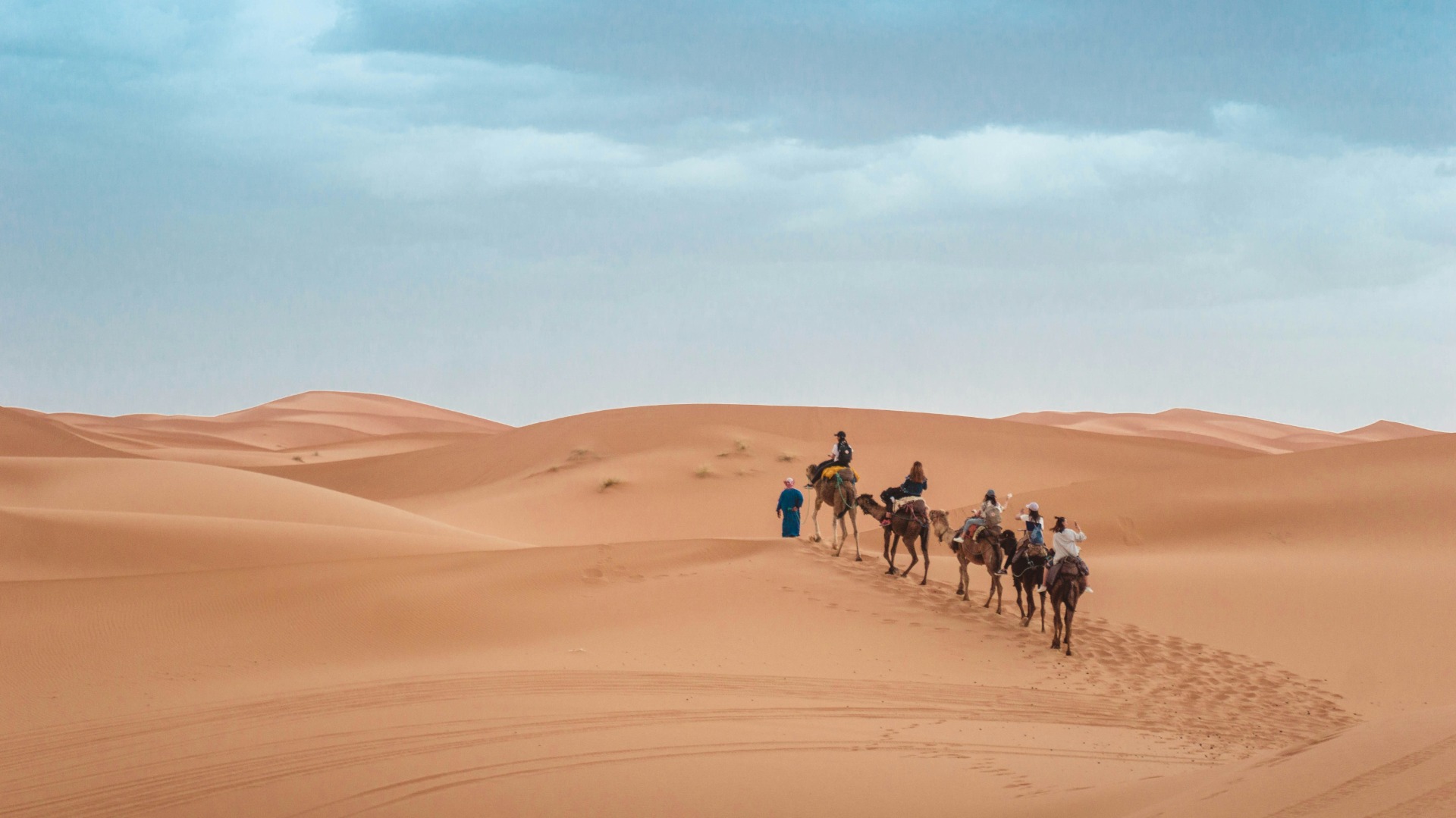
Photography
Why Most Sahara Images Miss the Desert's Most Compelling Frames
Photography
Why Rwandan Photography Challenges Force You to Master Patience and Precision
Photography
Why Rwanda's Misty Volcanoes Demand a Different Approach to Photography
Photography
Why South African Wildlife Photography Demands More Than Just the Right Lens
Photography
Why Street Life in Rwanda’s Capital Rewires Your Photography in Kigali
Photography