Photography
Why Most Sahara Images Miss the Desert's Most Compelling Frames
Encounters Africa - 10 min read
Updated on 2 July 2026
Photographic opportunities within the Sahara extend far beyond the sweeping golden dunes that dominate most travel imagery. A vast desert landscape reveals intricate patterns in wind-sculpted sand, the elongated shadows of nomadic figures against vast horizons, and ancient rock formations etched with millennia of geological history. These elements create compelling frames that transform standard Sahara photography into narratives rich with texture, light, and human connection.
The Sahara spans more than 9.2 million square kilometres across 11 countries, yet many images capture only a fraction of its visual potential. From the star-shaped dunes of Erg Chebbi in Morocco to the prehistoric rock art of Algeria's Tassili n'Ajjer plateau, overlooked perspectives await those willing to venture beyond conventional viewpoints. This exploration reveals how patient observation and local knowledge unlock the desert's most evocative compositions.
The Limitations of Iconic Dune Photography
Countless Sahara photography expeditions focus exclusively on the towering sand seas at sunrise or sunset. While these moments produce undeniably beautiful results, they often reduce the desert to a two-dimensional backdrop of uniform colour and form. The repetition of similar compositions has created a visual shorthand that fails to convey the Sahara's immense diversity and depth.
Standard approaches typically position the camera low to emphasise scale, with the sun positioned dramatically on the horizon. This technique, while effective for postcards, overlooks the subtle interplay of light across different surfaces throughout the day. Midday hours, frequently avoided by photographers, actually reveal sharp contrasts and intricate patterns invisible during the softer light of golden hour.
The Sahara does not reveal itself to those seeking only beauty; it rewards those who understand its rhythms and respect its harsh realities.
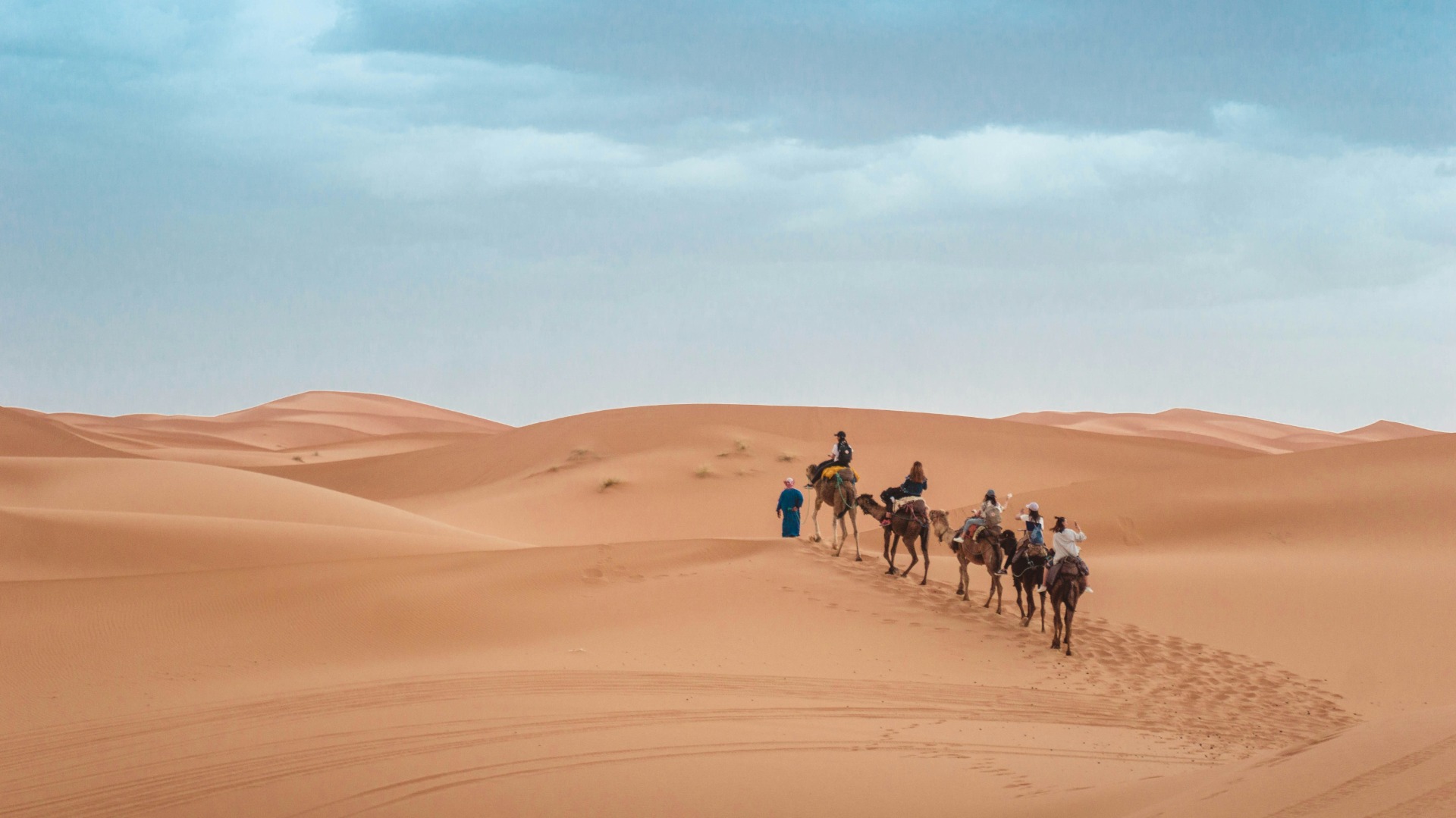
Travellers who limit their shooting to popular dune locations miss opportunities to document the desert's living elements. Nomadic communities traverse these landscapes with their livestock, creating dynamic silhouettes against static sand formations. Without these human elements, images lack the cultural context that elevates Sahara photography from scenic to storytelling.
Graphic Patterns and Textural Details Often Overlooked
Beyond the smooth curves of major dunes lie fascinating graphic opportunities within the Sahara. Wind creates ripples across sand surfaces that form abstract patterns resembling fingerprints or ocean waves frozen in time. These smaller-scale compositions offer abstract photographic opportunities that contrast beautifully with the desert's vast scale.
Early morning or late afternoon sidelight accentuates these ripples, transforming flat sand into three-dimensional sculptures. Photographers who venture away from vehicle tracks discover undisturbed surfaces where each footprint tells a story. The key lies in recognising how different sand grain sizes create varying textures that respond uniquely to changing light conditions.
Reading the Sand: Understanding Wind Patterns
Local guides can explain how prevailing winds shape different dune formations throughout the year. In Morocco's Erg Chebbi, the Harmattan wind creates distinctive crescent-shaped barchan dunes that shift position seasonally. Understanding these patterns allows photographers to anticipate where the most compelling formations will appear during specific months.
The best time to visit for photographic opportunities within the Sahara varies by region. October through April generally offers more comfortable temperatures and dramatic atmospheric conditions. During these cooler months, dust storms occasionally create ethereal light effects that add atmosphere to otherwise clear desert scenes.

Nomadic Silhouettes and Cultural Elements
The most compelling Sahara photography often incorporates the desert's human inhabitants. Tuareg nomads, with their distinctive indigo robes and veiled faces, create powerful visual elements against the neutral desert palette. Their camel caravans following ancient trade routes provide scale and narrative depth that pure landscape images cannot achieve.
Respectful interaction with local communities opens doors to authentic photographic opportunities within the Sahara. Rather than staging scenes, experienced guides facilitate genuine encounters where travellers witness daily life. A Tuareg tea ceremony conducted in the shelter of a dune offers intimate moments rarely captured by passing visitors.
Authentic Sahara photography emerges not from imposing your vision on the desert, but from allowing the desert to reveal its stories through patient observation and cultural sensitivity.
Documenting these cultural interactions requires both technical skill and ethical consideration. The golden light of late afternoon creates beautiful separation between figures and background, while the long shadows of evening add dramatic emphasis to traditional garments and livestock. Morning hours capture the practical aspects of desert life as communities break camp and begin their daily journeys.
Geological Wonders and Ancient Formations
The Sahara contains some of Africa's most remarkable geological features, many of which remain underrepresented in photographic collections. Algeria's Tassili n'Ajjer plateau features over 15,000 prehistoric rock paintings and engravings dating back 12,000 years. These ancient artworks provide fascinating subjects that connect modern viewers to the Sahara's wetter climatic past.
Libya's Acacus Mountains display dramatic sandstone formations eroded into otherworldly shapes by millennia of wind and occasional rainfall. These rock structures create natural frames and leading lines that guide the eye through compositions. The contrast between warm sandstone tones and deep blue skies produces striking colour combinations during different times of day.
Capturing Prehistoric Art with Respect
Photographing ancient rock art requires specific techniques to avoid damaging these fragile treasures. Natural light works best, with early morning or late afternoon providing the ideal angle to reveal surface details without harsh shadows. Many sites now restrict flash photography to protect pigment integrity.
Combining these archaeological elements with contemporary nomadic presence creates powerful visual narratives. A modern Tuareg figure standing before 10,000-year-old paintings illustrates the continuity of human presence in one of Earth's harshest environments. Such images speak to themes of resilience and adaptation that define desert cultures.

Mastering Light and Atmospheric Conditions
The Sahara's light quality changes dramatically throughout the day and across seasons, offering distinct photographic opportunities within the Sahara. Dawn brings soft, diffused illumination that minimises harsh contrasts while revealing subtle colour variations in sand and rock. The brief period immediately after sunrise often produces the most workable light before temperatures rise and shadows shorten.
Dust in the atmosphere creates natural diffusion that softens hard edges and adds warmth to the colour palette. Sandstorms, while challenging to work in, can produce otherworldly conditions where the sun appears as a muted disc and the landscape takes on monochromatic tones. These atmospheric effects reward photographers prepared with protective equipment for their cameras.
Light in the Sahara is never static; it shifts and transforms the same landscape into entirely different worlds within hours, rewarding those who understand its language.
Night photography presents another dimension to Sahara photography. The desert's clear skies offer exceptional conditions for capturing the Milky Way arching above silhouetted dunes. Long exposure techniques can record star trails that demonstrate the Earth's rotation against the stationary desert landscape. Such images provide cosmic context for terrestrial subjects.
Essential Equipment and Technical Considerations
Successful Sahara photography demands equipment suited to extreme conditions. Wide-angle lenses capture the desert's expansive scale, while telephoto optics compress layers of dunes into abstract patterns. A sturdy tripod becomes essential for low-light situations and precise composition work.
Protection from sand infiltration requires careful gear management. Weather-sealed camera bodies and lenses perform better in dusty conditions, while lens filters help reduce glare from bright surfaces. Multiple memory cards and spare batteries are crucial, as charging opportunities may be limited in remote areas.
Post-Processing Techniques for Desert Images
Raw file processing allows photographers to recover details from both highlights and shadows common in high-contrast desert scenes. Subtle adjustments to contrast and clarity can emphasise textural details without creating unnatural appearances. Colour temperature adjustments help convey the warmth of golden hour or the cool tones of early morning.
Black and white conversions often prove particularly effective for Sahara photography. Removing colour emphasises form, texture, and tonal relationships that might be overlooked in full colour. The graphic quality of desert landscapes translates beautifully to monochrome, highlighting patterns and shapes with striking clarity.
Why Most Sahara Images Miss the Desert's Most Compelling Frames
The question travellers most frequently ask is: "What makes certain Sahara photographs stand out from the thousands of similar images?" The answer lies in moving beyond obvious subjects to discover the desert's subtler narratives. Rather than seeking perfect dunes at perfect light, exceptional images emerge from understanding the interplay between environment, culture, and time.
Most images miss compelling frames because photographers arrive with preconceived compositions in mind. They seek the same angles popularised on social media rather than discovering what the specific location offers during their visit. Local knowledge transforms this approach, revealing hidden wadis, unique rock formations, and cultural moments unavailable to independent travellers.
Patient observation over multiple days yields the most rewarding results. The desert changes constantly as wind reshapes sand surfaces and light angles shift throughout each day. Photographers who return to the same location at different times discover entirely new compositions within familiar terrain.
Combining different elements creates the most memorable Sahara photography. A single image might incorporate graphic sand patterns in the foreground, nomadic figures crossing the mid-ground, and dramatic geological formations in the distance. Such layered compositions tell complete stories rather than presenting isolated fragments of the desert experience.
Planning Your Own Sahara Photography Journey
Creating meaningful photographic opportunities within the Sahara requires thoughtful planning and appropriate support. The desert's vast scale and challenging conditions make independent travel inadvisable for most visitors. Working with experienced local operators ensures access to remote areas while providing cultural context and practical assistance.
Encounters Africa specialises in designing exceptional, tailor-made journeys for individuals, couples, families, and private groups of up to eight guests. Drawing on our handpicked network of distinguished camps and lodges, we curate every detail with precision and care, creating a seamless, deeply personal safari experience shaped entirely around your preferences, pace, and budget.
For those looking for a private safari beyond our set itineraries, we would be delighted to hear from you directly. We specialise in creating beautifully tailored journeys for solo travellers, couples, families, and private groups of up to eight guests. Through our trusted network of carefully selected camps and lodges, we craft each safari around your individual interests, preferred pace, and budget, ensuring a seamless and deeply personal experience from beginning to end.
Consider combining your Sahara photography with Morocco cultural experiences or extend your journey to include Namibia desert landscapes for comparative perspectives. Our Chobe Game Lodge experiences in Botswana offer fascinating contrast to arid environments, demonstrating Africa's remarkable ecological diversity. Reading our recent article on cultural moments in Uganda provides additional insights into respectful engagement with local communities across the continent.
Whether your interest lies in abstract patterns, cultural documentation, or geological wonders, the Sahara offers endless possibilities for those prepared to look beyond surface appearances. The desert's most compelling frames await discovery by photographers willing to embrace its challenges and respect its ancient rhythms.
Contact Encounters Africa today through our enquiry form to begin planning a photography-focused Sahara experience tailored to your vision. Our team of specialists understands both the technical requirements of serious image-making and the deeper rewards of meaningful cultural exchange in one of Earth's most extraordinary environments.
More like this
Photography
Why Rwandan Photography Challenges Force You to Master Patience and Precision

Photography
Why Rwanda's Misty Volcanoes Demand a Different Approach to Photography
Photography
Why South African Wildlife Photography Demands More Than Just the Right Lens
Photography
Why Street Life in Rwanda’s Capital Rewires Your Photography in Kigali
Photography
Why Tanzania's Dust and Drama Elevate Your Photography Beyond Technical Skill
Photography