Culture
Botswana's Living Traditions: What Travelers Should Know Before Visiting
Encounters Africa - 9 min read
Updated on 30 July 2026
Botswana culture information reveals a vibrant tapestry of living traditions that continue to shape daily life across this vast southern African nation. From the rhythmic call of traditional healers in the Kalahari to the intricate beadwork adorning modern celebrations in Maun, these practices offer travellers a deeper connection beyond the wildlife spectacles of the Okavango Delta. A factual summary: Botswana's eight major ethnic groups maintain distinct languages, rituals and social structures that blend seamlessly with contemporary democratic values, creating an authentic cultural landscape where community-led experiences enrich every visit.
Understanding these traditions before arrival transforms a standard safari into a meaningful cultural exchange. Encounters Africa has guided discerning travellers through these living customs for years, emphasising respectful engagement that supports local communities while preserving their heritage.
Understanding Botswana's Diverse Ethnic Heritage
Botswana is home to approximately 2.5 million people representing more than 20 ethnic groups, with the Tswana forming the majority at around 79 percent of the population according to the 2022 census. The remaining communities include the Kalanga, Herero, Bayei, Hambukushu, Basubiya, Bakgalagadi and the San peoples, each contributing unique elements to the nation's cultural identity.
These groups have coexisted for centuries, their histories interwoven through trade routes that once crossed the Makgadikgadi Salt Pans and the fertile floodplains of the Okavango. Today, this diversity manifests in everything from language to spiritual beliefs, creating a rich cultural mosaic that travellers can respectfully explore.
The strength of Botswana lies not in uniformity but in the harmonious way its many voices continue to sing together across the generations.
The Enduring Wisdom of the San People
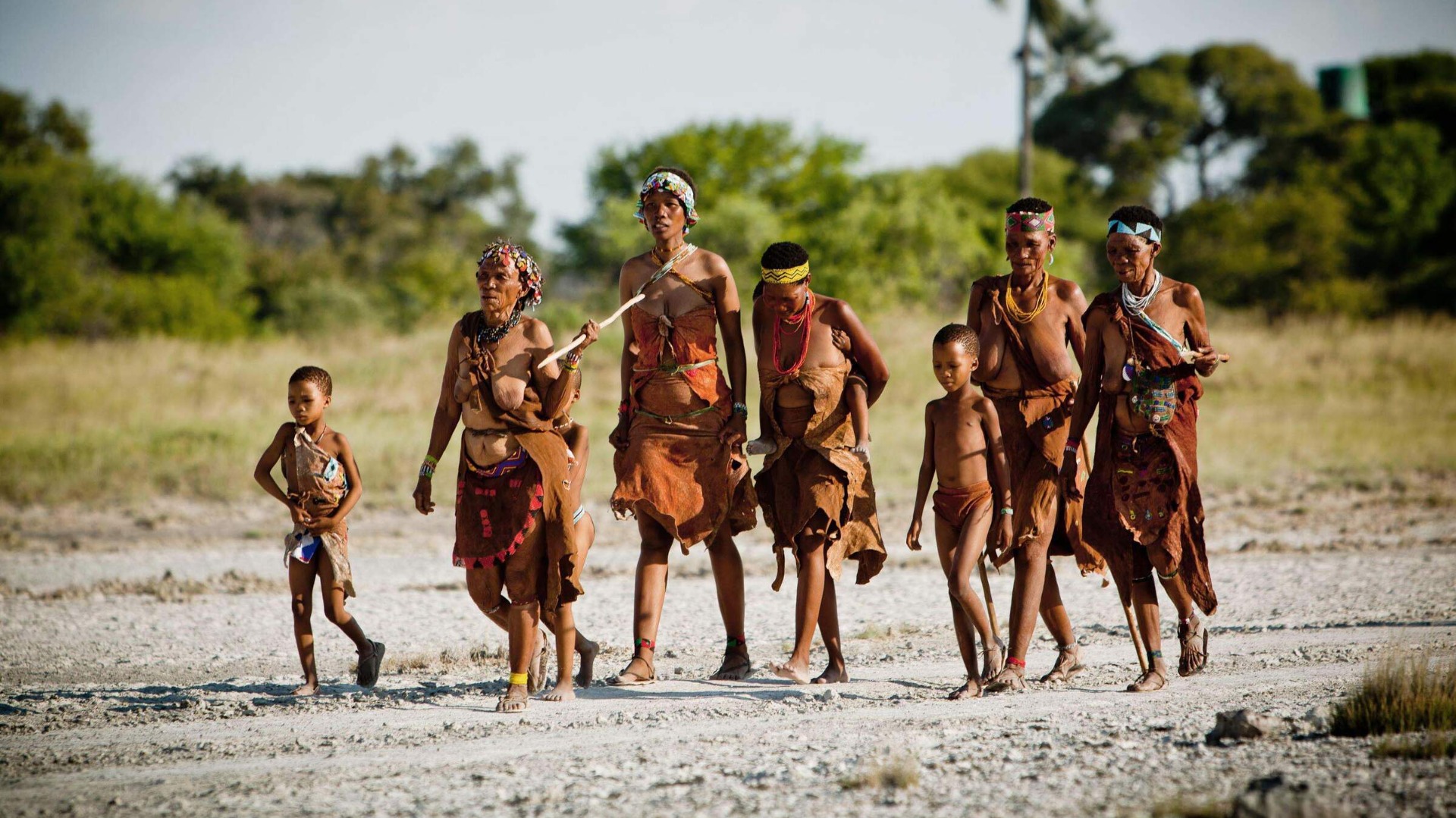
The San, often referred to as Bushmen, represent some of Africa's oldest continuous cultures, with archaeological evidence of their presence in the region dating back at least 20,000 years. Their intricate knowledge systems encompass tracking techniques, medicinal plants and cosmological stories that explain the movements of stars and animals alike.
In community-owned areas such as the Khwai Community Area, travellers can participate in guided walks with San elders who demonstrate traditional hunting methods using bows and poison-tipped arrows. These experiences highlight the sophisticated environmental understanding that has sustained these communities through dramatic climate shifts over millennia.
Herero Traditions and Vibrant Attire
The Herero people, who migrated from Namibia in the late 19th century, are instantly recognisable by their distinctive Victorian-style dresses and elaborate headdresses. Women wear voluminous gowns with intricate beadwork that can take months to complete, each pattern telling stories of ancestry and resilience.
During cultural festivals in the northwest, these colourful garments create a moving spectacle against the arid landscape. The Herero maintain strong oral traditions, passing down family histories through praise poetry that connects past and present generations.

Key Cultural Traditions Every Traveller Should Experience
Botswana's living traditions offer numerous opportunities for meaningful engagement that go far beyond surface-level observation. From participating in traditional dances to learning about medicinal plants, these experiences provide genuine insight into the values that underpin Batswana society.
Many lodges now partner directly with local communities to ensure that cultural activities directly benefit those sharing their heritage. This approach supports the preservation of traditions while creating sustainable income streams for rural families.
True cultural understanding begins when travellers move from being spectators to respectful participants in the rhythms of daily community life.
Traditional Music, Dance and Storytelling
Music forms the heartbeat of Botswana culture, with instruments such as the segaba (a single-string violin) and the setinkane (thumb piano) creating haunting melodies that accompany storytelling sessions around evening fires. These gatherings often feature tales of clever animals and moral lessons passed down through generations.
The energetic traditional dances vary significantly between ethnic groups. The Hambukushu perform rhythmic movements celebrating their connection to the rivers, while Tswana dancers execute precise footwork that tells stories of historical events and spiritual beliefs. Many Botswana cultural tours now include evening performances where travellers are sometimes invited to join in.
Ceremonies and Life-Cycle Rituals
Birth, initiation, marriage and death are marked by elaborate ceremonies that reinforce community bonds and cultural continuity. The traditional Tswana wedding, or patlo, involves complex negotiations between families and the exchange of cattle that symbolise respect and commitment.
Initiation ceremonies for young people, though less common in urban areas, still take place in many rural communities. These rites of passage teach practical skills, cultural values and responsibilities that prepare participants for adulthood within their specific ethnic context.
Essential Etiquette and Cultural Considerations for Visitors
Respectful behaviour opens doors to genuine connections in Botswana. Understanding basic etiquette demonstrates appreciation for local customs and helps avoid unintentional offence during community visits or interactions with staff at safari camps.
Most importantly, always ask permission before photographing individuals, particularly during cultural experiences or in villages. A warm greeting in Setswana, such as "Dumela" (hello), followed by "O tsogile jang?" (how did you wake up?), creates an immediate positive impression.
Communication and Social Customs
Batswana value humility and indirect communication. Boasting or speaking loudly is generally frowned upon, while maintaining eye contact shows respect during conversations. When visiting a traditional homestead, it's customary to wait to be acknowledged before entering the courtyard.
Gender roles remain somewhat traditional in rural areas, with men and women often sitting separately during formal gatherings. Travellers should observe and follow the lead of their hosts in these situations, showing sensitivity to established social patterns.
Appropriate Dress and Behaviour at Cultural Sites
Conservative dress is appreciated when visiting villages or attending ceremonies. Shoulders and knees should be covered, particularly for women, and revealing clothing is best reserved for private lodge spaces. Removing hats when entering traditional structures demonstrates respect.
During visits to sacred sites or when meeting elders, a small gift such as sugar, tea or tobacco is often appreciated, though never expected. The gesture symbolises goodwill and acknowledges the value of the knowledge being shared.
Community-Led Cultural Experiences in Botswana
The most rewarding way to engage with Botswana culture information is through initiatives where local communities directly control and benefit from tourism. These projects ensure that cultural preservation and economic development go hand in hand.
Several community conservancies have developed exceptional programmes that allow travellers to experience authentic traditions while contributing directly to local livelihoods. These experiences range from multi-day homestays to specialised craft workshops.
When communities lead cultural tourism, the knowledge shared carries the authentic weight of lived experience rather than performed spectacle.
Staying in Traditional Villages
Programmes in the Okavango Panhandle and Central Tuli Block offer travellers the chance to stay in traditional homesteads, participating in daily activities such as milking cattle, preparing traditional foods and learning about sustainable land management practices.
These immersive experiences often include learning to prepare staples like pap (maize porridge) with wild spinach or sampling mopane worms, a protein-rich delicacy when prepared correctly. The knowledge gained about local ingredients and cooking methods provides lasting memories and a deeper appreciation for Botswana's culinary heritage.
Craft Workshops and Traditional Skills
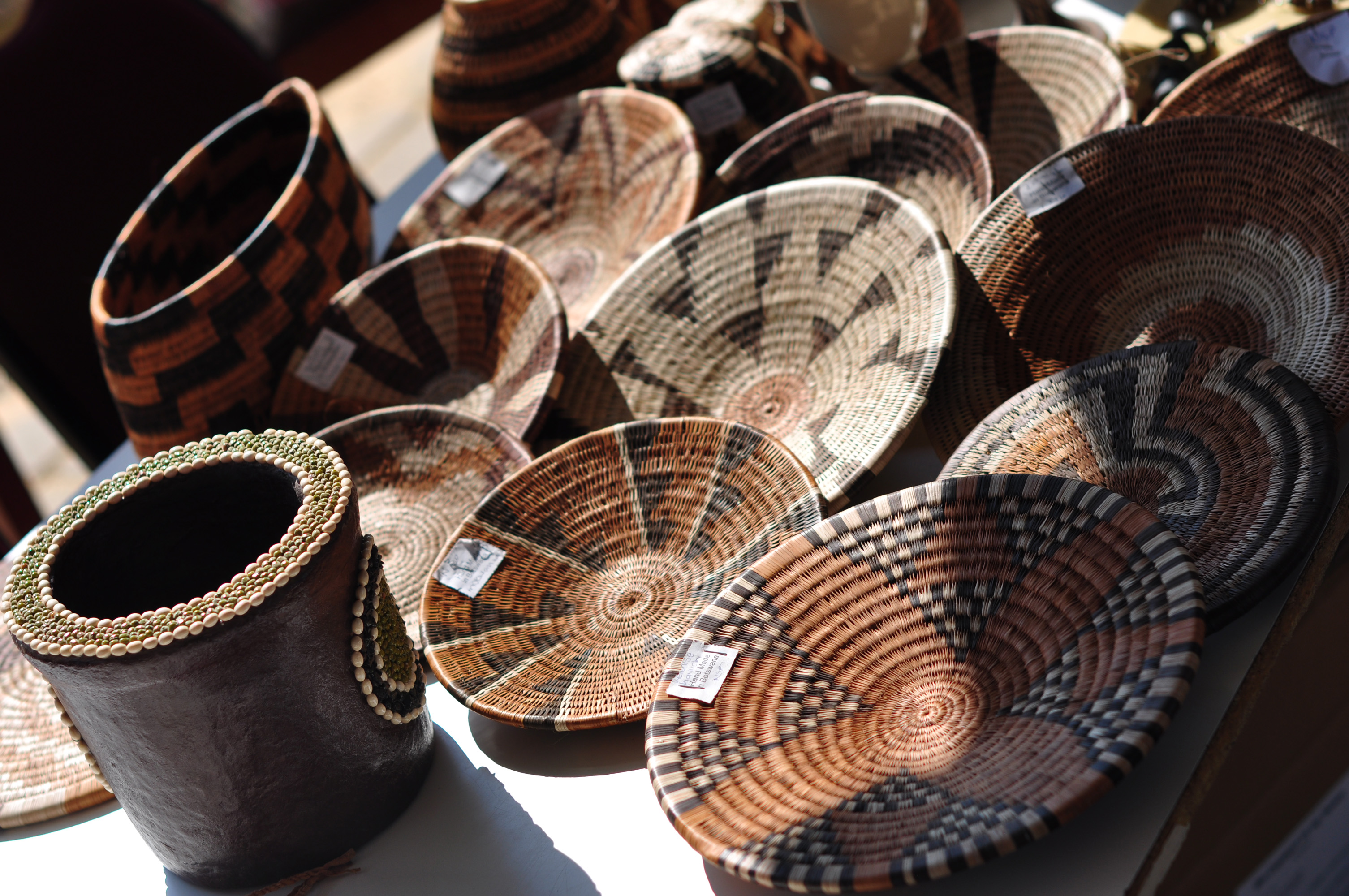
Many communities now offer workshops where travellers can learn traditional crafts under the guidance of master artisans. In the Mashatu Game Reserve area, visitors can work alongside Herero women creating intricate beadwork or learn basket-weaving techniques that have been perfected over generations.
These sessions provide insight into the symbolism behind patterns and colours while ensuring that traditional skills continue to be practised and valued. The finished pieces travellers take home carry stories that extend far beyond their decorative appeal.
What to Expect When Exploring Cultural Botswana
Travellers often ask what cultural experiences in Botswana actually involve and how they differ from similar offerings elsewhere in Africa. The answer lies in the country's emphasis on authenticity and community ownership.
Unlike more commercialised cultural villages found in some destinations, Botswana's community experiences tend to be smaller-scale and more personal. Groups are usually limited to eight participants, ensuring meaningful interaction rather than mass tourism. Most activities take place in genuine living villages rather than purpose-built tourist venues.
The Best Time to Engage with Living Traditions
The optimal period for cultural experiences in Botswana runs from May to October when weather conditions are most comfortable for outdoor activities. During these drier months, many communities host festivals and ceremonies that celebrate harvests or important life events.
December through March brings the rainy season, when access to some remote villages becomes challenging but opportunities to witness rain-making ceremonies and other weather-related rituals may arise. Planning with specialists like Encounters Africa ensures visits coincide with genuinely significant cultural events rather than staged performances.
Supporting Cultural Preservation Through Travel Choices
Selecting accommodations and experiences that directly benefit local communities makes a measurable difference. Properties that employ local guides, source produce from nearby farms and partner with community trusts contribute to the continuation of traditions by demonstrating their economic value.
Many of our favourite lodges maintain strong relationships with neighbouring villages, facilitating ethical visits that respect privacy while creating opportunities for genuine exchange. These partnerships represent the future of responsible cultural tourism in Botswana.
Embracing Botswana's Cultural Landscape with Respect and Wonder
Botswana's living traditions offer far more than colourful photographs or interesting facts. They provide a window into sophisticated knowledge systems that have sustained communities through centuries of change while adapting to modern realities. From the profound environmental wisdom of the San to the vibrant social structures of the Tswana and Herero peoples, these cultural elements enrich every journey through this remarkable country.
For discerning travellers seeking a private safari beyond our set itineraries, we invite you to contact us directly. We specialise in designing exceptional, tailor-made journeys for individuals, couples, families, and private groups of up to eight guests. Drawing on our handpicked network of distinguished camps and lodges, we curate every detail with precision and care, creating a seamless, deeply personal safari experience shaped entirely around your preferences, pace, and budget.
Whether your interests lie in learning traditional tracking techniques with San elders, witnessing Herero wedding celebrations, or simply understanding the cultural context behind the warm hospitality you'll encounter everywhere, Encounters Africa can design an itinerary that balances wildlife encounters with meaningful cultural connections. The enquiry form provides the perfect starting point for beginning this conversation.
By approaching Botswana's cultures with openness, respect and genuine curiosity, travellers become part of the story of preservation rather than passive observers. The knowledge shared by community members carries forward ancient wisdom while embracing contemporary opportunities, creating a dynamic cultural landscape that continues to evolve with grace and purpose.
More like this

Culture
Daily Rhythms Linking Wildlife Behavior to African Cultural Traditions
culture
Echoes of Tradition: Journeys Among Tanzania's Hadza and Datoga

Culture
Exploring the Deep Links Between African Wildlife and Cultural Traditions
Culture
First-Time in Africa: How to Approach Local Customs and Wildlife with Confidence
Culture
How a Mbira Melody and Rain Ceremony Reshape Your View of Zimbabwe
Culture