Culture
Animals in African Spiritual Practices: Traditions Across the Continent
Encounters Africa - 12 min read
Updated on 12 August 2026
Animals in African spiritual practices hold profound significance, acting as intermediaries between the earthly realm and the divine across countless communities. From the sun-baked savannas of South Africa to the misty highlands of Kenya, specific creatures embody ancestral spirits, divine messengers, and symbols of power in ceremonies that have endured for centuries. This enduring connection reveals a worldview where humans, animals, and the spiritual plane exist in delicate balance, a perspective that continues to shape daily life and seasonal observances today.
A factual overview shows that over 30 distinct ethnic groups across the continent integrate particular animals into prayer, dance, and ritual, with traditions dating back at least 800 years in documented oral histories. Whether through masked performances or sacrificial offerings, these practices underscore a core belief: animals are not mere symbols but active participants in maintaining cosmic harmony. Encounters Africa has witnessed how travellers who approach these traditions with genuine respect gain deeper insight into the cultures that sustain Africa's wild spaces.

The Symbolic Power of Animals in African Cosmologies
Across the continent, animals serve as living links to the unseen world, carrying prayers skyward or channeling ancestral guidance during pivotal moments. In many societies, each species carries layered meanings shaped by its behaviour, habitat, and relationship with people. A lion might represent royal authority in one region, while a python embodies fertility and renewal in another, creating a rich tapestry of belief systems that vary yet share common threads of reverence.
These associations stem from generations of close observation, where hunters, herders, and healers noted how animals navigated their environments with apparent wisdom. Such knowledge informed spiritual frameworks that positioned certain creatures as mediators capable of influencing weather, health, or community fortune. The result is a dynamic spiritual ecology where respecting an animal equates to honouring the forces that sustain life itself.
The bond between African communities and their animal kin reminds us that true wisdom lies in recognising our place within a living web of relations rather than above it.
Common Animal Archetypes and Their Roles
Elephants frequently appear as embodiments of memory, strength, and ancestral presence, their massive forms evoking the weight of inherited knowledge. Crocodiles, by contrast, often guard thresholds between worlds, their patient stillness mirroring the quiet vigilance of spirit guardians. Birds, especially those with striking plumage or haunting calls, act as swift messengers, carrying petitions from earthbound supplicants to higher realms during dawn and dusk ceremonies.
Antelopes and their kin symbolise grace, speed, and the fleeting nature of opportunity, appearing in dances that celebrate successful hunts or mark transitions into adulthood. Snakes, particularly large constrictors, frequently represent cycles of shedding and rebirth, featuring in purification rites that prepare individuals for new life stages. These recurring motifs demonstrate how communities have distilled thousands of hours of environmental knowledge into potent spiritual shorthand.
Animals in African Spiritual Practices: Traditions Across the Continent
The integration of animals into spiritual practices takes countless forms, each deeply rooted in local landscapes and histories. In the highlands of Rwanda, certain primates feature in storytelling sessions that reinforce social bonds and transmit moral teachings. Further south, along the Zambia river systems, fish species guide the timing of initiation ceremonies, their seasonal movements read as messages from water spirits.
These traditions remain vibrant precisely because they adapt while preserving core principles. Young initiates still learn the specific calls, movements, and taboos associated with their clan's animal allies, ensuring knowledge passes intact to the next generation. For travellers fortunate enough to witness such moments, the experience offers a window into ways of being that challenge modern separations between nature and spirit.
When a dancer becomes the animal they portray, the boundary between performer and spirit dissolves, creating space for transformation that words alone cannot achieve.
Zulu Rain Ceremonies and Cattle Spirits
Among the Zulu people of South Africa, cattle occupy a central place in rain-making rituals performed during periods of prolonged drought. Specially selected animals, their hides marked with symbolic patterns, stand at the heart of ceremonies where elders invoke ancestral spirits through song and measured dance steps. The cattle's bellowing is interpreted as direct communication from the beyond, signalling whether the petition has been received.
These rites, documented as far back as the 16th century, involve intricate beadwork depicting cattle horns and the careful preparation of traditional beer offered alongside the living animals. Participants move in circular patterns mimicking the movement of herds across grazing lands, their footfalls creating rhythms said to awaken sleeping rain clouds. The sensory experience of dust rising, voices swelling, and cattle lowing creates an atmosphere thick with anticipation and collective focus.
Dogon Antelope Masks and Harvest Rites
In the Bandiagara Escarpment of Mali, Dogon communities employ exquisitely carved antelope masks during harvest celebrations that blend gratitude with petition for future abundance. Dancers wearing these masks, some standing over two metres tall, execute precise leaps and turns that replicate the antelope's bounding gait across rocky terrain. The performance, accompanied by drums carved from specific trees, lasts from sunset until the first hint of dawn.
Each mask tells a specific chapter in Dogon creation stories, where antelopes taught humans the secrets of agriculture. The wooden sculptures themselves undergo annual blessings with millet beer and chicken blood, maintaining their potency as vessels for spiritual forces. This meticulous attention to detail reflects a cultural understanding that precision in ritual produces tangible results in the physical world.
West African Leopard Societies and Power Associations
In parts of Liberia, Sierra Leone, and Côte d'Ivoire, historical leopard societies once incorporated the animal's attributes of stealth, strength, and cunning into complex initiation structures. While modern expressions have evolved, echoes of these traditions persist in dance forms where performers channel the leopard's fluid movement and piercing gaze. These practices highlight how apex predators taught communities strategies for survival and leadership.
Participants in contemporary versions of these ceremonies study leopard behaviour for months beforehand, learning to replicate the animal's patience during the hunt and its explosive power in the final moment. The resulting dances serve both to honour the species and to instil valuable life lessons in younger members of the community. Such embodied learning creates deeper understanding than verbal instruction alone could achieve.
Spiritual Significance of the Leopard's Attributes
Leopards embody the ability to move between worlds, their nocturnal habits and tree-climbing prowess suggesting comfort with both visible and invisible realms. In spiritual contexts, their spotted coats represent the interplay between light and shadow, knowledge and mystery. Societies that drew on these qualities developed governance systems that valued discretion, strategic thinking, and balanced use of power.
Today, conservation-minded communities in these regions increasingly link traditional respect for leopards with modern protection efforts. Elders point out that ancestral teachings always emphasised sustainable hunting and habitat preservation, principles that align remarkably well with current ecological understanding. This convergence offers promising pathways for collaborative wildlife stewardship.
East African Lion Dances and Warrior Traditions
In Kenya's Maasailand, young warriors historically participated in ceremonies featuring lion elements that tested courage while reinforcing communal bonds. Though direct lion hunting has largely given way to symbolic representations, the dances and songs remain integral to coming-of-age celebrations. Participants wear headdresses incorporating ostrich plumes and move with the deliberate power associated with the savanna's apex predator.
These performances serve multiple purposes: marking the transition to adulthood, celebrating successful protection of livestock, and maintaining cultural identity in a rapidly changing world. The rhythmic stomping and coordinated chanting create an electric atmosphere where individual identity merges with collective strength, much like a pride of lions working in unison. Observers often describe feeling the ground tremble with the force of unified voices and feet.
Lions do not merely appear in East African ceremonies as trophies of bravery but as fellow beings whose dignity and power deserve equal recognition in the circle of life.
Modern Adaptations of Traditional Lion Ceremonies
Contemporary Maasai communities have modified certain elements of these traditions to align with current conservation values while preserving their spiritual core. Instead of actual lion encounters, young people now learn tracking skills and ecological knowledge that honour the animal's role in maintaining healthy ecosystems. This evolution demonstrates how living cultures continually reinterpret ancestral wisdom for new circumstances.
Some progressive group ranches have even incorporated wildlife monitoring into coming-of-age activities, allowing young warriors to contribute directly to lion conservation while fulfilling cultural requirements. Such innovations offer valuable models for how traditional practices can support rather than conflict with modern environmental challenges.
Southern African San Tracking and Animal Spirits
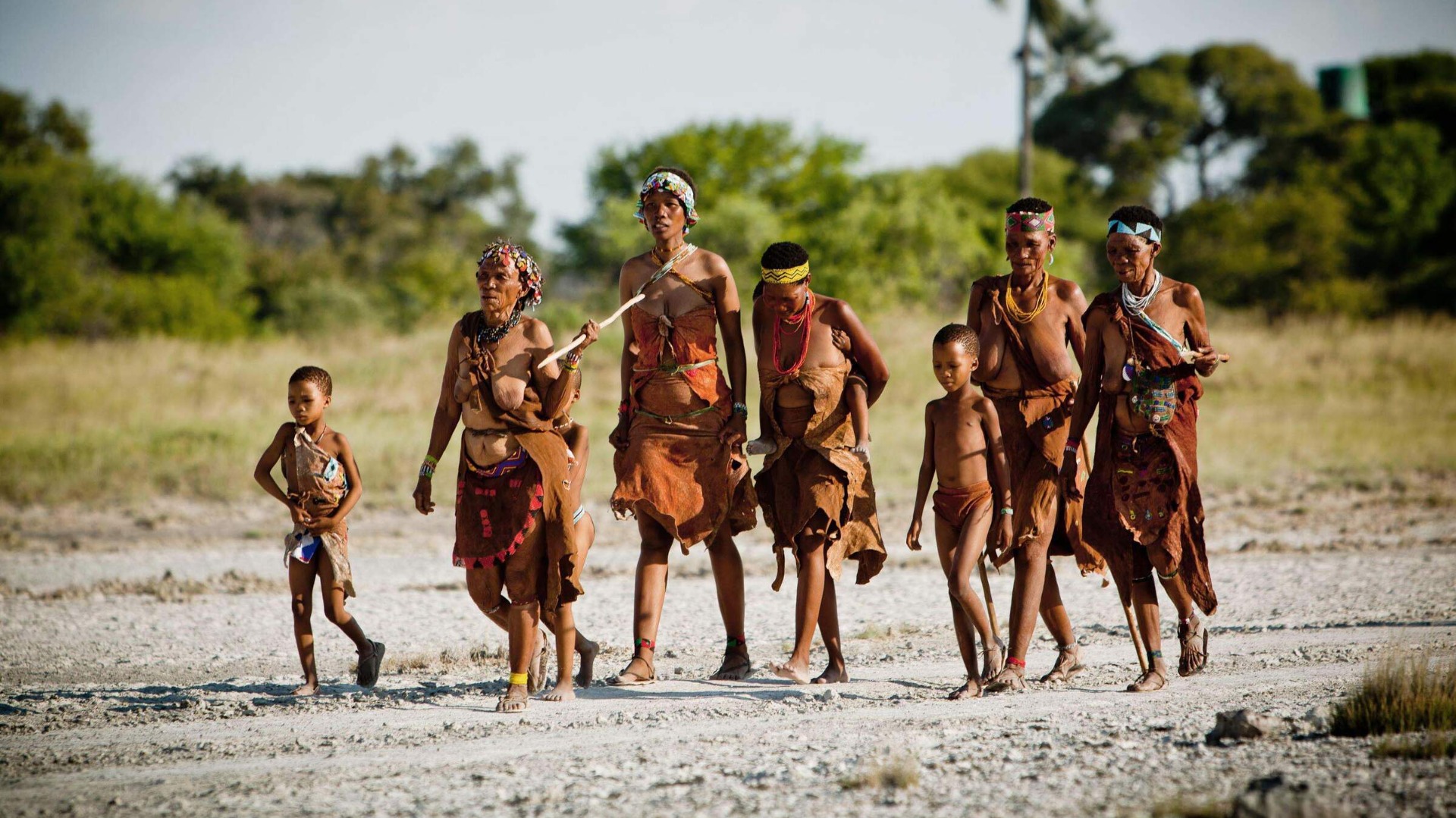
The San peoples of the Kalahari maintain one of the continent's most intimate relationships with animal spirits through their renowned tracking abilities and trance dances. During healing ceremonies, dancers enter altered states where they embody the animals whose tracks they know so intimately. The eland, with its massive strength and gentle nature, features prominently in these rituals as a source of potent life force.
These dances, which can last through the night, involve rhythmic clapping, singing, and footwork that replicate animal movements observed during countless hours following spoor across vast desert landscapes. Participants report feeling the animal's essence flow through them, granting heightened perception and healing capabilities. The sensory details of crackling fires, rising dust, and pulsing voices create an immersive experience that visitors fortunate enough to witness describe as transformative.
The Eland as Spiritual Mediator
For San communities, the eland represents the ultimate bridge between human and spirit worlds, its fat considered a concentrated form of spiritual power. Rock paintings dating back over 2,000 years depict eland in contexts suggesting ceremonial importance, indicating remarkable continuity in these beliefs. The animal's distinctive clicking knee joints even inspired certain rhythmic patterns in traditional music.
Modern San trackers working with conservation organisations often note how their ancestral knowledge of animal behaviour complements scientific monitoring techniques. This synthesis of traditional and contemporary approaches creates more effective conservation strategies while validating the depth of indigenous environmental understanding developed over millennia.
Respectful Engagement with Living Traditions
Approaching these sacred practices requires genuine humility and willingness to follow local guidance. Many communities welcome respectful visitors who demonstrate sincere interest rather than mere curiosity, but protocols vary widely between regions and even neighbouring villages. Taking time to learn basic greetings, appropriate dress, and when photography is permissible shows fundamental respect for both people and the spiritual forces they honour.
Encounters Africa carefully selects experiences that allow meaningful cultural exchange while protecting the integrity of sacred moments. Our partners include community leaders who guide visitors toward appropriate participation levels, whether observing from a designated area or, in rare cases, joining certain elements of public celebrations. This measured approach ensures that tourism supports rather than erodes these vital living traditions.
Questions About Animals in African Spiritual Practices
What is the most common animal used in African spiritual ceremonies? While it varies by region, cattle appear most frequently across pastoralist societies due to their central economic and social importance. In non-pastoral areas, antelopes and birds feature prominently in masked dances and spirit invocation. The specific choice always reflects deep local knowledge of that animal's behaviour and habitat.
Are these traditions still actively practiced today? Yes, many remain vibrant, particularly in rural areas where they continue to mark important life transitions and seasonal changes. Some urban communities have adapted elements for cultural festivals, while others maintain private family observances. Documentation from the past decade shows increased interest among younger generations in preserving these connections to ancestral knowledge.
How can travellers participate respectfully? The most meaningful approach involves joining small-group experiences led by community members who explain context and protocols beforehand. Avoid taking photographs without explicit permission, and never attempt to join sacred elements uninvited. Supporting community-led tourism initiatives ensures that economic benefits flow directly to those maintaining these traditions.

Preserving Living Connections Between Culture and Conservation
The future of these profound traditions depends on the continued health of both the cultures that sustain them and the wild animals that inspire them. Many communities now explicitly link spiritual teachings about animal respect with practical conservation measures, creating powerful synergies between ancient wisdom and modern challenges. This integrated approach offers valuable lessons for addressing environmental issues through culturally grounded solutions.
As habitats face increasing pressure, the spiritual frameworks that once guided sustainable resource use gain renewed relevance. Young people learning both traditional animal lore and scientific ecology develop uniquely comprehensive understanding that serves their communities well. The sensory memory of participating in these ceremonies, whether the thunder of dancing feet or the scent of sacred herbs burning, creates lasting commitment to protecting what remains.
For discerning travellers seeking a private safari beyond our set itineraries, we invite you to contact us directly. We specialise in designing exceptional, tailor-made journeys for individuals, couples, families, and private groups of up to eight guests. Drawing on our handpicked network of distinguished camps and lodges, we curate every detail with precision and care, creating a seamless, deeply personal safari experience shaped entirely around your preferences, pace, and budget.
Consider extending your wildlife encounters with carefully arranged visits to communities where these traditions live on. A morning tracking with San guides in the Kalahari followed by an afternoon observing elephants in Botswana creates powerful context for understanding the intricate relationships between people, animals, and land. Such thoughtfully constructed journeys honour both the wild spaces and the rich cultural heritage that gives them meaning.
Whether your interest lies in witnessing a particular dance, learning about specific animal symbolism, or simply gaining deeper context for your Kenya safari, Encounters Africa stands ready to facilitate meaningful connections. We maintain close relationships with cultural custodians who share their knowledge generously with those who approach with open hearts and respectful minds.
Begin your exploration by reaching out through our enquiry form. Our team will listen carefully to your interests and craft an itinerary that weaves together exceptional wildlife viewing with authentic cultural experiences. In doing so, you become part of the story of these living traditions, helping ensure they continue enriching both their communities and thoughtful travellers for generations to come.
More like this
Culture
Botswana's Living Traditions: What Travelers Should Know Before Visiting
Culture
Daily Rhythms Linking Wildlife Behavior to African Cultural Traditions
culture
Echoes of Tradition: Journeys Among Tanzania's Hadza and Datoga
Culture
Exploring the Deep Links Between African Wildlife and Cultural Traditions
Culture
First-Time in Africa: How to Approach Local Customs and Wildlife with Confidence
Culture