Culture
Among the Kenyan People and Culture, Rituals Speak Louder Than Words
Encounters Africa - 10 min read
Updated on 25 June 2026
Kenyan people and culture come alive through Kenyan cultural practices that have endured for centuries, offering travellers profound insights into identity, community and resilience. From the sun-baked plains of the Maasai Mara to the coral-fringed shores of the Indian Ocean, these living traditions shape daily existence while quietly adapting to modern realities. A factual summary reveals that Kenya is home to more than 40 ethnic groups, each contributing distinct rituals, ceremonies and artistic expressions that together form one of East Africa’s richest cultural tapestries.
Understanding these practices does far more than satisfy curiosity; it opens doors to meaningful connection. Whether witnessing a Samburu elder recounting ancestral tales or observing the meticulous application of henna patterns during a coastal wedding, visitors gain respect for the intricate social frameworks that bind Kenyan communities. Encounters Africa has guided thousands of travellers through these experiences, always emphasising thoughtful engagement over mere observation.
The Power of Oral Tradition in Kenyan Communities
Storytelling sits at the heart of Kenyan cultural practices, serving as both entertainment and education. Around crackling evening fires, elders pass down genealogies, moral lessons and historical events through rhythmic narration that can last for hours. The air fills with the scent of woodsmoke and roasted maize as listeners lean forward, their faces illuminated by dancing flames.
Among the Kikuyu and Luo peoples, proverbs carry the weight of law. A single well-chosen saying can resolve disputes that might otherwise escalate, demonstrating how language functions as social glue. These sessions rarely follow a fixed script; instead, they respond to the mood of the gathering and the questions of younger participants.
Words spoken beneath the stars carry the wisdom of generations, binding listeners to both past and future in ways written texts never could.
Modern storytellers have begun incorporating contemporary challenges into traditional formats, addressing topics from climate change to urban migration. This evolution ensures that oral tradition remains relevant rather than becoming museum pieces. Travellers fortunate enough to join these circles often describe the experience as transformative, feeling the pulse of a culture that refuses to be frozen in time.
Proverbs as Living Philosophy
Kikuyu elders might offer “Kĩrĩma gĩtũũra kĩrĩ nda” (the mountain that remains has a stomach) to explain patience during difficult seasons. Such expressions distil complex life lessons into memorable phrases that children learn before they can read. Similar wisdom runs through every ethnic group, creating a shared philosophical foundation despite linguistic differences.

Initiation and Coming-of-Age Ceremonies
Transition from childhood to adulthood remains one of the most significant Kenyan cultural practices across multiple communities. For Maasai and Samburu boys, the Eunoto ceremony marks the moment when warriors lay down their spears and prepare for elderhood. The air vibrates with the thunder of hundreds of feet performing the adumu jumping dance, sending red dust swirling into the sky.
Girls’ initiation, while evolving rapidly due to legal and social pressures, traditionally involved extensive instruction in responsibility, herbal medicine and community values. Today many families blend elements of these teachings with formal schooling, creating hybrid approaches that honour heritage while embracing opportunity.
The cut of a blade or the placement of beads can transform a child into an adult in the eyes of their community, carrying responsibilities that extend far beyond their years.
These ceremonies typically occur between ages 14 and 18, though exact timing depends on both physical readiness and lunar cycles. Families save for years to host the accompanying feasts, which can feed entire villages. The emotional intensity of these events leaves lasting impressions on all who witness them.
Modern Adaptations of Ancient Rites
Many young Kenyans now undertake dual initiations, participating in both traditional ceremonies and Christian confirmation. This dual identity reflects the country’s complex religious landscape, where roughly 85 percent of the population identifies as Christian while maintaining strong ties to ancestral practices. The resulting blend creates vibrant new expressions of faith and belonging.
Beadwork, Jewellery and Visual Storytelling
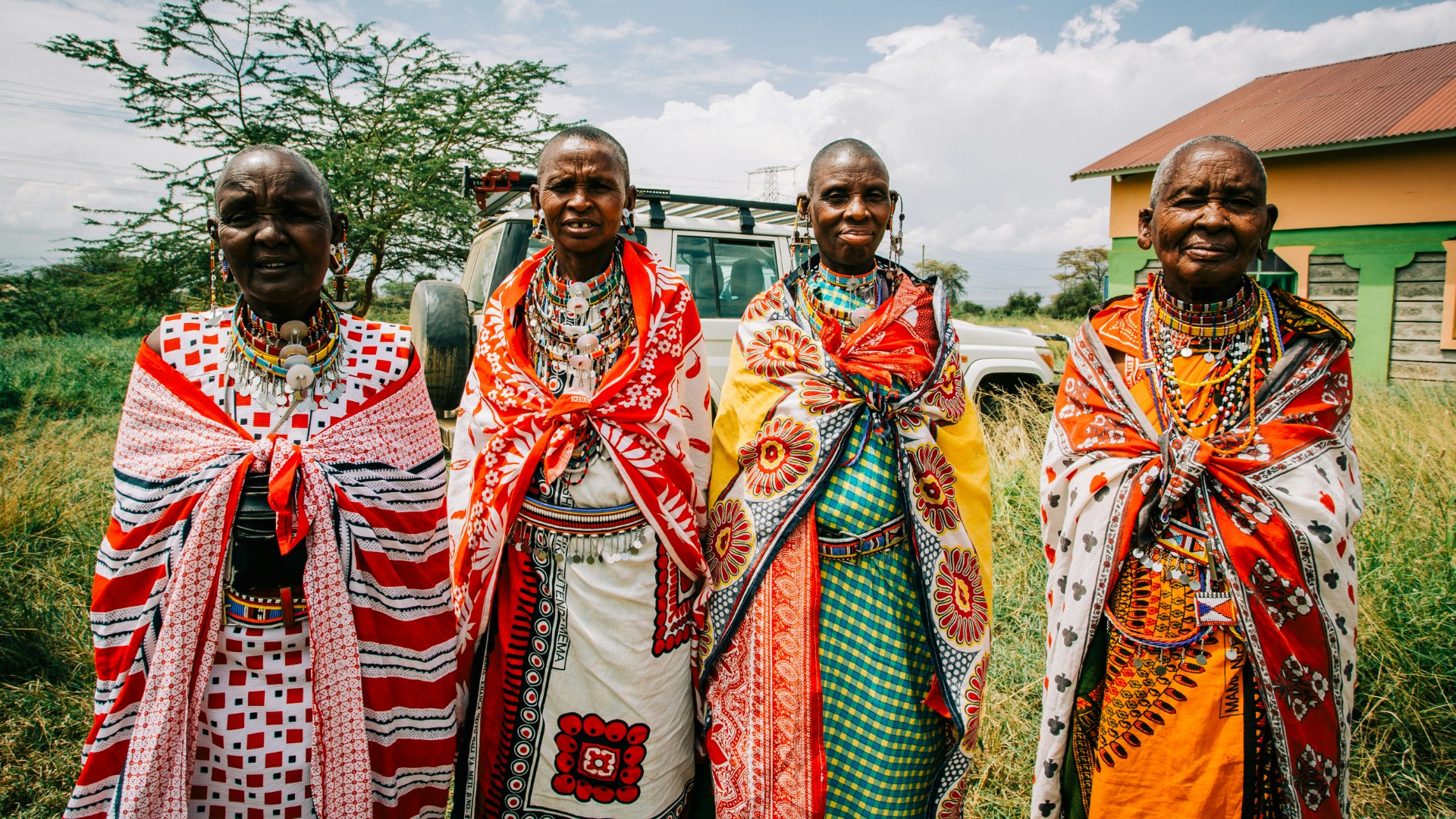
Kenyan people and culture express themselves through colour and pattern with remarkable precision. Maasai beadwork functions as a visual language, where the arrangement of red, blue and white beads communicates marital status, age group and even personal achievements. Each piece takes weeks to complete, with techniques passed from mother to daughter.
Along the coast, Swahili women create intricate henna designs that can cover hands and feet in delicate filigree. These temporary tattoos incorporate symbols representing protection, fertility and prosperity. The pungent smell of freshly ground paste fills the air during preparation, while laughter and gossip flow freely among the women.
The Turkana people of the arid north craft elaborate headdresses from ostrich eggshell beads and feathers, creating striking silhouettes against the harsh landscape. These adornments appear during dances that celebrate rainfall and successful livestock raids, connecting personal decoration to environmental realities.
Materials and Their Meanings
Certain shells, seeds and metals carry specific significance. Cowrie shells, once used as currency, now symbolise wealth and fertility in many communities. The careful selection of materials transforms each finished piece into a portable history book that knowledgeable observers can read at a glance.

Music, Dance and Celebratory Expression
Rhythm pulses through Kenyan cultural practices like blood through veins. The Luo people’s nyatiti lyre creates cascading melodies that accompany tales of great warriors and tragic love. Players often enter trancelike states during extended performances, their fingers moving too quickly to follow.
Coastal taarab music blends Arabic, Indian and African influences into something entirely unique. Orchestras featuring oud, violin and percussion perform at weddings that can last for days, with guests contributing verses that praise the couple while gently teasing their families. The scent of jasmine and grilled octopus drifts through the warm night air.
When drums begin and feet start moving, individual worries dissolve into collective joy that transcends language and background.
Traditional dances serve multiple purposes, from welcoming important visitors to marking seasonal changes. The Giriama people’s vibrant kilumi ceremonies involve spirit possession and healing, demonstrating how performance can function as both entertainment and medicine. These events typically begin after sunset and continue until dawn, testing the stamina of both performers and audience.
Contemporary Musical Fusion
Kenya’s vibrant music scene seamlessly merges traditional elements with hip-hop, reggae and electronic sounds. Artists like Sauti Sol and the late Ayub Ogada have brought international attention to Kenyan rhythms while maintaining deep respect for their cultural roots. This fusion creates soundscapes that resonate with both village elders and urban youth.
Respectful Engagement: What Travellers Should Know
Approaching Kenyan cultural practices requires sensitivity and genuine curiosity rather than checklist mentality. Photography should always be preceded by permission, preferably obtained through a local guide who understands specific community protocols. Some ceremonies welcome visitors while others remain strictly private affairs.
Timing matters enormously. Many significant events follow lunar calendars or agricultural seasons rather than fixed dates. The best experiences happen when travellers remain flexible enough to embrace unexpected invitations rather than adhering rigidly to predetermined schedules.
Common Questions About Kenyan Cultural Practices
What is the most appropriate way to greet someone in different Kenyan communities? Handshakes remain standard across most groups, though the Maasai often touch foreheads in greeting. Learning a few words of Swahili or the local language demonstrates respect and usually elicits warm responses. Avoid using your left hand for greetings or passing items, as this carries negative connotations in many communities.
Is it acceptable to ask questions about initiation ceremonies? General conversations about the importance of these transitions are welcomed, but specific details about private aspects of the rituals should not be pursued. Showing interest in the cultural significance rather than graphic details maintains appropriate boundaries.
How can visitors support cultural preservation ethically? Purchasing directly from artisans, staying in community-owned lodges and participating in properly managed cultural experiences all contribute positively. Avoid buying items made from endangered species or those clearly produced solely for the tourist market.
Food as Cultural Expression
Cuisine forms another vital strand of Kenyan people and culture, with each region offering distinctive flavours and preparation methods. The Kikuyu staple of irio combines mashed potatoes, maize and beans into a hearty dish that reflects both agricultural heritage and practical needs. Coastal communities create intricate spice blends that tell stories of centuries of Indian Ocean trade.
Sharing meals follows specific protocols that vary between communities. Among the Kalenjin, the right hand is used exclusively for eating, while Samburu pastoralists often drink fresh blood mixed with milk during important ceremonies. These practices might initially surprise visitors but reveal deep connections between food, environment and belief systems.
Modern Kenyan chefs increasingly celebrate these traditional ingredients in contemporary restaurants, creating fusion dishes that appeal to both local palates and international visitors. This renaissance ensures that culinary knowledge survives alongside changing lifestyles and dietary preferences.
The Future of Kenyan Cultural Practices
Kenyan people and culture face both opportunities and challenges in the 21st century. Urbanisation draws young people away from rural villages, potentially weakening transmission of traditional knowledge. Yet technology offers new platforms for cultural expression, with young filmmakers documenting ceremonies and musicians blending traditional instruments with electronic beats.
Community conservancies have emerged as powerful vehicles for cultural preservation, linking heritage directly to economic benefits. When travellers stay at places like Elewana Elephant Pepper Camp in the Mara North Conservancy, they support initiatives that value both wildlife and cultural knowledge. Similar models exist across Kenya, demonstrating how thoughtful tourism can strengthen rather than erode traditional practices.
Culture lives not in museums but in the hands that continue to bead, the voices that still sing, and the feet that dance beneath the same stars their ancestors knew.
Creating Meaningful Cultural Connections
The richness of Kenyan cultural practices lies in their ability to adapt while maintaining core values of community, respect and connection to the land. These living traditions offer travellers far more than colourful photographs or interesting anecdotes. They provide windows into different ways of understanding time, responsibility and belonging.
For discerning travellers seeking a private safari beyond our set itineraries, we invite you to contact us directly. We specialise in designing exceptional, tailor-made journeys for individuals, couples, families, and private groups of up to eight guests. Drawing on our handpicked network of distinguished camps and lodges, we curate every detail with precision and care, creating a seamless, deeply personal safari experience shaped entirely around your preferences, pace, and budget.
Whether you wish to spend time with Maasai elders learning about their conservation efforts, attend a traditional Swahili wedding on the coast, or simply sit quietly beside a storyteller as the African night unfolds, Encounters Africa can facilitate these experiences with sensitivity and expertise. Our longstanding relationships with communities across Kenya ensure that cultural visits benefit all involved while creating memories that resonate long after the journey ends.
Begin your exploration of Kenyan people and culture by reaching out today. Visit our enquiry form to start a conversation about creating a journey that honours both the ancient rhythms of this land and your own desire for authentic connection. The stories are waiting to be shared.
More like this
Culture
Animals in African Spiritual Practices: Traditions Across the Continent
Culture
Botswana's Living Traditions: What Travelers Should Know Before Visiting

Culture
Daily Rhythms Linking Wildlife Behavior to African Cultural Traditions
culture
Echoes of Tradition: Journeys Among Tanzania's Hadza and Datoga
Culture
Exploring the Deep Links Between African Wildlife and Cultural Traditions
Culture