Photography
Why Street Life in Rwanda’s Capital Rewires Your Photography in Kigali
Encounters Africa - 9 min read
Updated on 2 July 2026
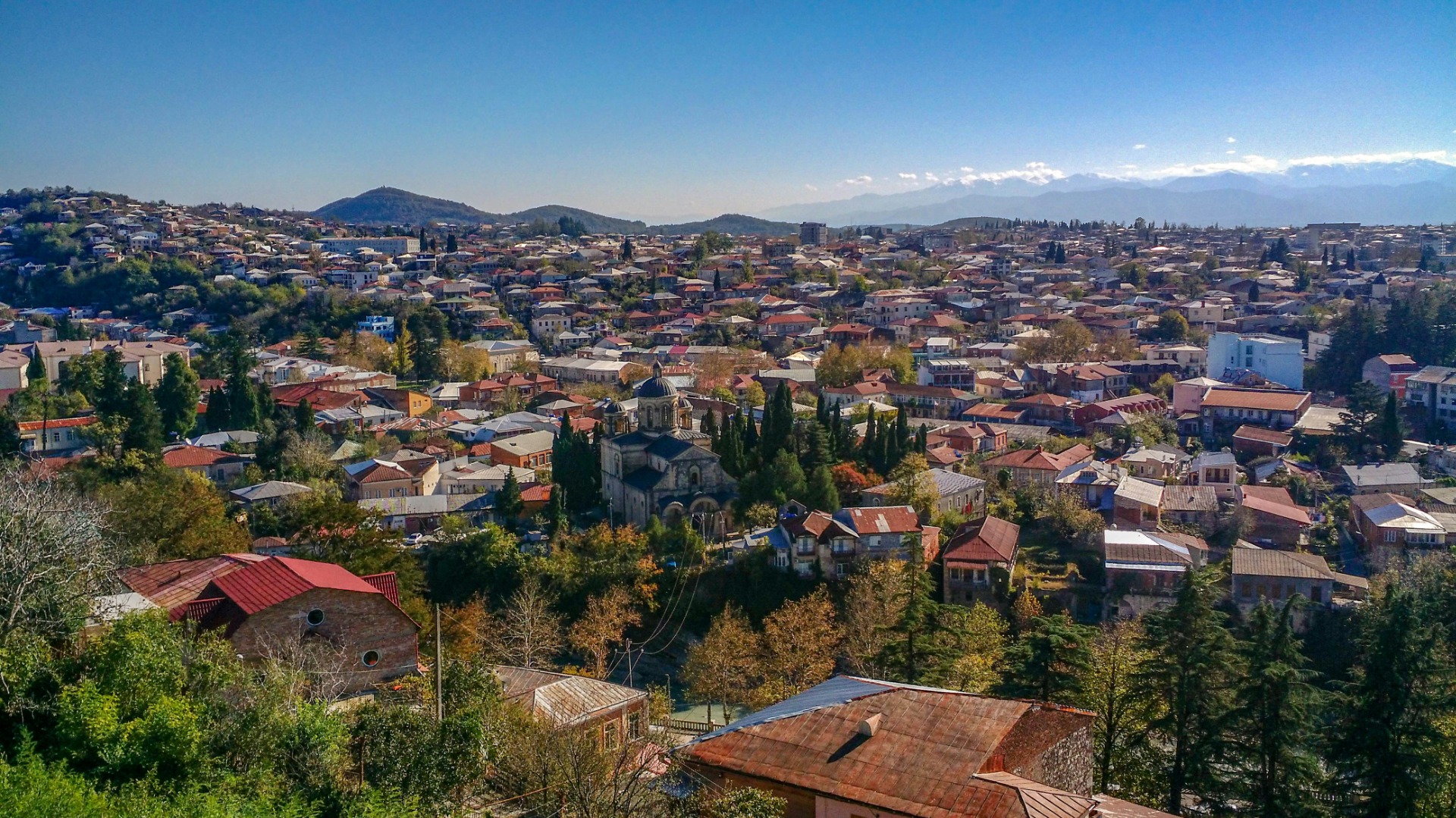
Kigali photographic moments emerge not from staged scenes but from the city's daily pulse of movement, colour and quiet resilience. Rwanda's capital blends sleek contemporary lines with the organic chaos of street commerce against a backdrop of undulating green hills, offering photographers a distinctive urban canvas. This fusion creates opportunities where light, human interaction and landscape converge in ways that challenge and ultimately transform how one sees through the lens.
The best time to visit for photography in Kigali is during the dry seasons from June to September or December to February, when clear skies enhance the golden light that defines many compelling frames. Expect warm mornings that illuminate market traders and soft evenings that cast long shadows across the city's hills. With over 1.2 million residents navigating a compact yet layered metropolis, the city delivers authentic encounters that reward patient observers.
The Unique Character of Street Life in Kigali
Unlike many African capitals dominated by a single narrative, Kigali presents a harmonious blend of order and vibrancy. Immaculate streets lined with jacaranda trees give way to bustling markets where women in colourful kitenge fabrics balance baskets on their heads. This visual contrast forms the foundation for kigali photographic moments that feel both contemporary and deeply rooted in Rwandan life.
Motorcycle taxis, known locally as motos, weave through traffic with remarkable precision, their drivers often wearing bright yellow vests that pop against the city's earth-toned buildings. Pedestrians move with purpose along paved walkways, creating natural leading lines for composition. The city's famous cleanliness, enforced through monthly community clean-up days called Umuganda, results in remarkably litter-free environments that allow architectural details and human subjects to stand out without distraction.
In Kigali, the street itself becomes a collaborator, offering layers of foreground interest that many cities have lost to modernisation.
Understanding Local Rhythms and Light
The equatorial light in Kigali changes with surprising subtlety throughout the day. Early mornings from 6am to 8am deliver soft, diffused illumination perfect for portraits, while the harsh midday sun from 11am to 3pm creates strong contrasts ideal for graphic black and white work. Late afternoon brings the golden hour that transforms the city's hills into a tapestry of warm tones and long shadows.
Seasonal variations add further dimension. During the short rains from October to November, dramatic clouds build over the surrounding hills, providing moody backdrops that elevate ordinary street scenes. The city's elevation of approximately 1,500 metres creates atmospheric conditions where light often appears clearer and more saturated than at sea level.

Photography in Kigali: Essential Locations and Approaches
Successful photography in Kigali requires moving beyond obvious landmarks to discover the spaces where daily life unfolds with unscripted authenticity. The Kimironko Market offers a sensory explosion of fresh produce, second-hand clothing and traditional crafts, where natural light filters through makeshift roofing to create dramatic spot lighting on vendors and their wares.
At Nyabugogo Bus Park, the patterned umbrellas of street vendors create repeating geometric patterns that contrast beautifully with the organic flow of travellers. Position yourself on the upper levels during late afternoon for compelling overhead perspectives. The area around the Kigali Genocide Memorial provides contemplative opportunities at dawn, when soft light illuminates the surrounding gardens and the city's hills beyond.
For those seeking elevated views, the numerous hills surrounding the city centre reward those willing to hike or arrange local transport. From these vantage points, the city's layout reveals itself as a series of interconnected valleys, with modern high-rises juxtaposed against traditional settlements climbing the slopes.
The most rewarding kigali photographic moments often occur in the spaces between destinations, where the city's true character reveals itself through unposed interactions.
Technical Considerations for Urban Rwanda
Street photography in Kigali benefits from equipment that allows both discretion and versatility. A focal length range of 24-70mm covers most situations, while a 70-200mm lens proves valuable for compressing layers of the cityscape or capturing candid moments from a respectful distance. Fast prime lenses with apertures of f/1.4 or f/1.8 excel in the lower light conditions of early morning and late evening.
Consider bringing a polarising filter to manage reflections on the city's many glass buildings and to enhance the saturation of the green hills that frame almost every view. A lightweight tripod can be useful for dawn shots at the memorial or for long-exposure work capturing the flow of pedestrians, though much of the most compelling work happens handheld.
Cultural Sensitivity and Building Authentic Connections
Photography in Kigali flourishes when approached with genuine respect and curiosity rather than transactional exchanges. Learning basic Kinyarwanda greetings such as "Muraho" (hello) and "Murakoze" (thank you) opens doors that remain closed to those who simply point cameras without engagement. Many Rwandans appreciate photographers who take time to explain their interest and share their work.
The city's strong sense of community means that photographing people often leads to conversations that enrich both the experience and the resulting images. Professional guides familiar with local customs can facilitate access to areas where visitors might otherwise feel hesitant, while also providing historical context that adds depth to your visual storytelling.
Consider how your presence affects those around you. The city's post-genocide emphasis on dignity and progress means that certain subjects require particular sensitivity. Focusing on themes of resilience, innovation and community often resonates more meaningfully than seeking out images of poverty or hardship.
Practical Tips for Capturing Movement and Emotion
Kigali's street life moves at a distinctive pace that rewards photographers who master both anticipation and reaction. The city's many hills create natural gathering points where people pause to rest or converse, offering perfect opportunities for environmental portraits. Look for moments where traditional dress contrasts with modern surroundings, such as women in vibrant imishanana fabric walking past glass-fronted office buildings.
Weather adds another creative dimension. Sudden afternoon downpours transform streets into reflective surfaces that double the visual impact of passing figures. The steam rising from wet pavements during these brief rains creates atmospheric conditions rarely seen in drier climates. Keep equipment protected but ready, as these dramatic transitions often produce the most memorable kigali photographic moments.
What begins as technical challenge in Kigali often evolves into a deeper understanding of how light, culture and landscape can reshape not just your images but your entire approach to photography.
From Street Scenes to Storytelling: Developing Your Vision
Beyond individual images, Kigali offers rich potential for narrative sequences that capture the city's multifaceted character. A series documenting the transformation of a single street corner from dawn to dusk reveals the rhythm of daily commerce and community interaction. Similarly, following the journey of fresh produce from rural hills to urban markets creates compelling visual stories about connection between city and countryside.
The city's rapid development provides fascinating juxtapositions for thoughtful photographers. Construction sites buzz with activity as new buildings rise against the backdrop of traditional settlements, offering visual metaphors for Rwanda's progress. Evening brings another transformation as solar-powered street lights and the warm glow of small businesses create intimate pockets of illumination against the darkening hills.
Many visitors find that spending at least seven to ten days in Kigali allows sufficient time to move beyond surface observations to more nuanced understanding. This extended timeframe also builds familiarity with local faces and routines, resulting in more intimate and authentic imagery.
Why Street Life in Rwanda’s Capital Rewires Your Photography in Kigali
The question many photographers ask is whether a relatively small African capital can truly offer substantial photographic rewards. The answer lies in how Kigali's street life fundamentally shifts one's approach from hunting for exotic subjects to discovering beauty in everyday rhythms. The city's blend of meticulous urban planning and vibrant human activity creates a visual laboratory where composition, light and cultural sensitivity must work in harmony.
Unlike wildlife photography that often relies on patience for animal behaviour, or landscape work dependent on dramatic natural phenomena, photography in Kigali demands engagement with human subjects and understanding of social contexts. This requirement frequently leads photographers to develop greater empathy and observational skills that enhance all their future work.
The surrounding hills provide constant visual reference points that prevent the feeling of visual claustrophobia common in many cities. This unique topography means that almost every street offers layered compositions with foreground interest, mid-ground activity and background landscape - a rare gift for urban image-makers.

Kigali teaches that the most powerful photographs often emerge not from seeking the spectacular but from learning to see the significance in what surrounds us every day.
Planning Your Photographic Journey in Rwanda's Capital
Successful photography expeditions to Kigali benefit from thoughtful preparation that balances technical requirements with cultural awareness. Research local festivals and market days in advance, as these often provide concentrated opportunities for dynamic imagery. The annual Kwita Izina gorilla naming ceremony in September, though focused on Volcanoes National Park, brings increased cultural activity to the capital that spills into street celebrations.
Consider combining your time in Kigali with visits to nearby destinations for a more comprehensive Rwandan experience. A journey that includes time in Volcanoes National Park allows for contrasting mountain gorilla photography with urban street work, while Rwanda offers exceptional diversity within a compact area. For those extending their East African explorations, Elewana Elsa's Kopje Meru in neighbouring Kenya provides another perspective on how landscape shapes photographic vision.
Working with specialist operators ensures access to locations and experiences that independent travellers might miss. Encounters Africa Rwanda safari experiences can be tailored to include dedicated photography guidance while maintaining respect for local communities and environments.
Whether you are an experienced professional seeking fresh inspiration or an enthusiast hoping to develop your eye for street photography, Kigali offers a masterclass in seeing beyond the obvious. The city doesn't just provide subjects for your camera - it quietly rewires how you observe, compose and connect with the world around you.
For discerning travellers seeking a private safari beyond our set itineraries, we invite you to contact us directly. We specialise in designing exceptional, tailor-made journeys for individuals, couples, families, and private groups of up to eight guests. Drawing on our handpicked network of distinguished camps and lodges, we curate every detail with precision and care, creating a seamless, deeply personal safari experience shaped entirely around your preferences, pace, and budget.
Ready to explore the photographic potential of Rwanda's remarkable capital? Visit our enquiry form to begin planning your own transformative journey with Encounters Africa.
More like this
Photography
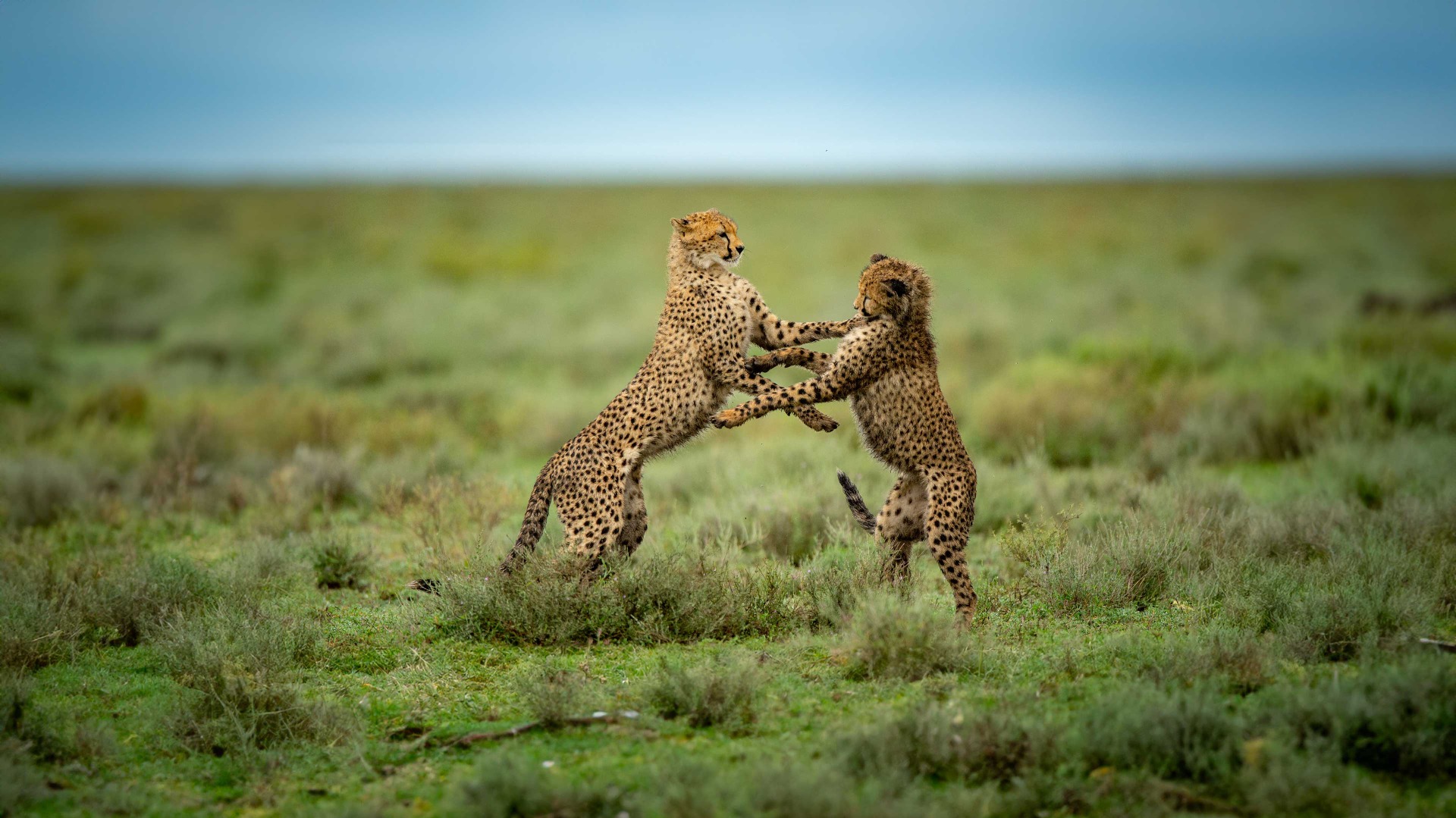
Why Tanzania's Dust and Drama Elevate Your Photography Beyond Technical Skill
Photography
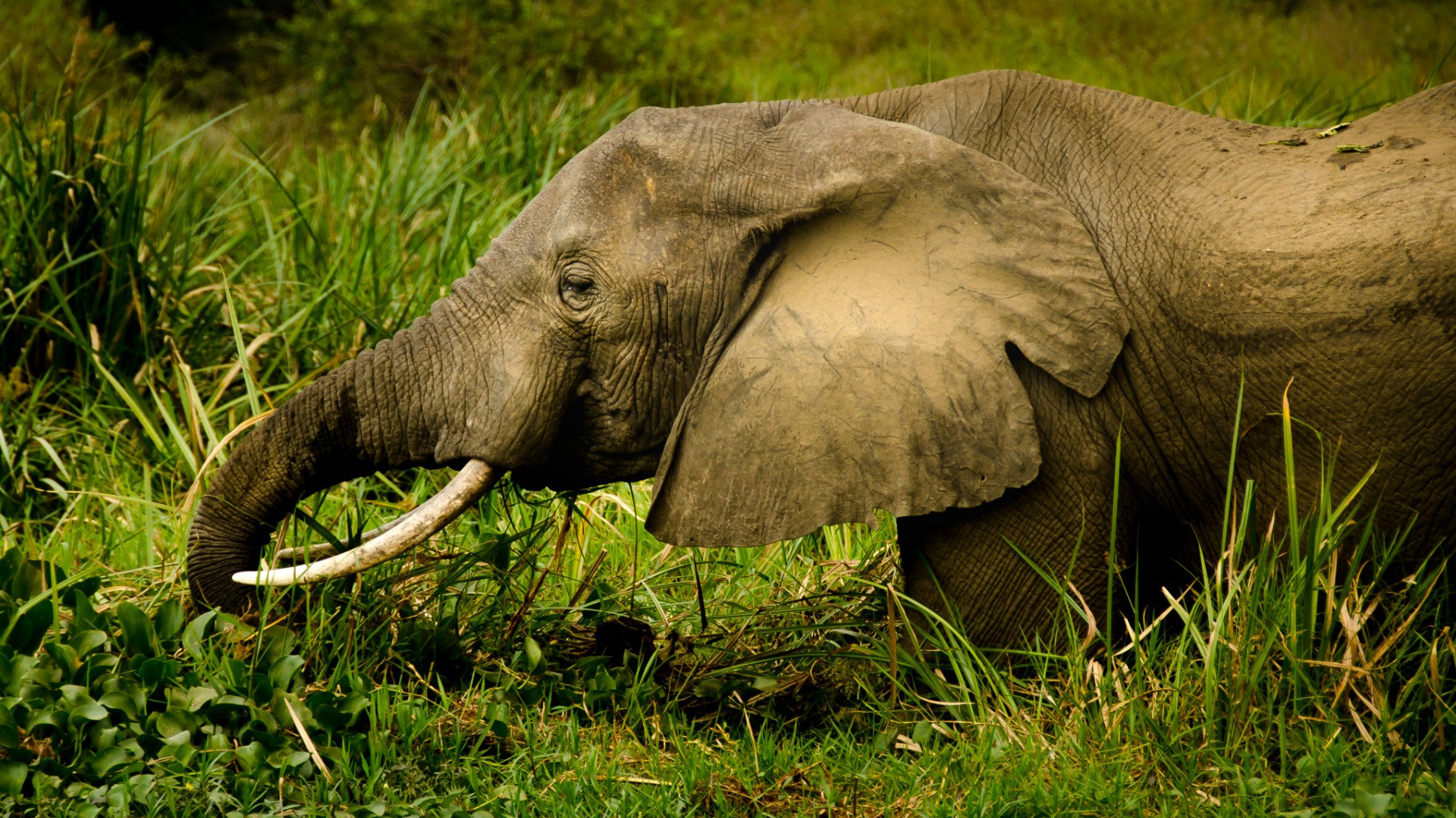
Why Uganda's Light Conditions Demand a Different Photography Approach
photography
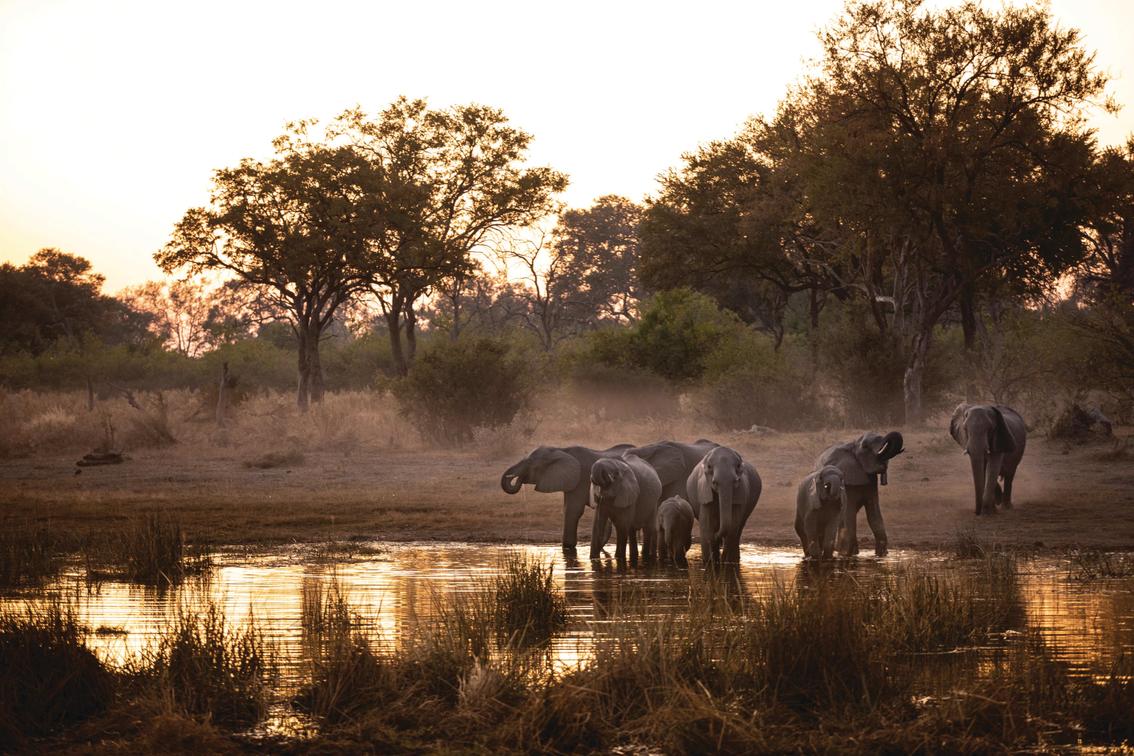
10 Fresh Photography Techniques for Botswana's Elite Safaris
photography
10 Fresh Photography Techniques for Kenya's Elite Safaris
photography
10 Fresh Photography Techniques for Luxury South African Safaris

photography