Photography
Why Uganda's Light Conditions Demand a Different Photography Approach
Encounters Africa - 9 min read
Updated on 3 August 2026
Uganda's equatorial sunlight creates unique challenges and opportunities for photographers on safari. The intense overhead light, dramatic highland mists, and fleeting forest shadows require a thoughtful shift in technique that rewards patience and preparation. Whether capturing the quiet dignity of mountain gorillas in Bwindi or the sweeping savannahs of Queen Elizabeth National Park, mastering these conditions transforms ordinary images into compelling visual stories.
This comprehensive guide offers practical Uganda photography advice drawn from years of field experience across the country's varied landscapes. From understanding the science of equatorial light to respecting cultural nuances that open doors to authentic moments, these insights will help you return home with a portfolio that truly reflects the soul of this remarkable East African destination.
Understanding Equatorial Light in Uganda
The country's position on the equator means the sun rises and sets with remarkable speed, creating short windows of magical light and long periods of harsh, contrasty illumination. Unlike temperate regions where golden hour stretches languidly, Uganda delivers just 20 to 30 minutes of truly workable sidelight each morning and evening. This demands anticipation and swift decision-making from any photographer hoping to capture the essence of the terrain.
At midday, the sun sits almost directly overhead, producing deep, black shadows and bleached highlights that can overwhelm even the most sophisticated camera sensors. In the dense forests of the southwest, this creates a dappled effect where light filters through thick canopy in unpredictable patterns. Savanna areas experience even more extreme contrast, with temperatures often climbing above 30°C and humidity adding atmospheric haze that softens distant details.
The light in Uganda does not flatter; it reveals. Those who learn to work with its uncompromising nature discover images rich with authentic texture and emotion rather than superficial beauty.
The Science Behind Uganda's Challenging Light
Equatorial sunlight travels through less atmosphere than at higher latitudes, resulting in higher UV levels and more intense colour saturation. This can produce vibrant greens in the forests but also leads to colour shifts that require careful white balance adjustment. During the two rainy seasons, from March to May and October to November, dramatic cloud formations create natural diffusion that softens harsh light, offering some of the most painterly conditions for landscape work.
Understanding these patterns allows photographers to plan their days strategically. Early morning sessions in the highlands around Mgahinga often benefit from lingering mist that acts as a natural softbox, while afternoon thunderstorms in the northwest can produce spectacular backlit scenes against clearing skies.

Essential Camera Settings for Ugandan Conditions
Successful Uganda photography begins with adapting your equipment settings to cope with rapid changes in light intensity. Many experienced guides recommend shooting in RAW format exclusively, as the extensive dynamic range allows for significant recovery of both shadow and highlight detail during post-processing. Exposure compensation of -0.7 to -1.0 EV often helps prevent highlights from clipping in bright conditions.
Shutter speeds become critical when working with fast-moving subjects such as chimpanzees in Kibale Forest or the elusive shoebill stork in the swamps of Murchison Falls National Park. A minimum of 1/1000th second for primates in motion and 1/2000th for birds in flight ensures sharpness, though this must be balanced against the need for sufficient depth of field in dense vegetation.
Choosing the Right Gear for Uganda's Diverse Landscapes
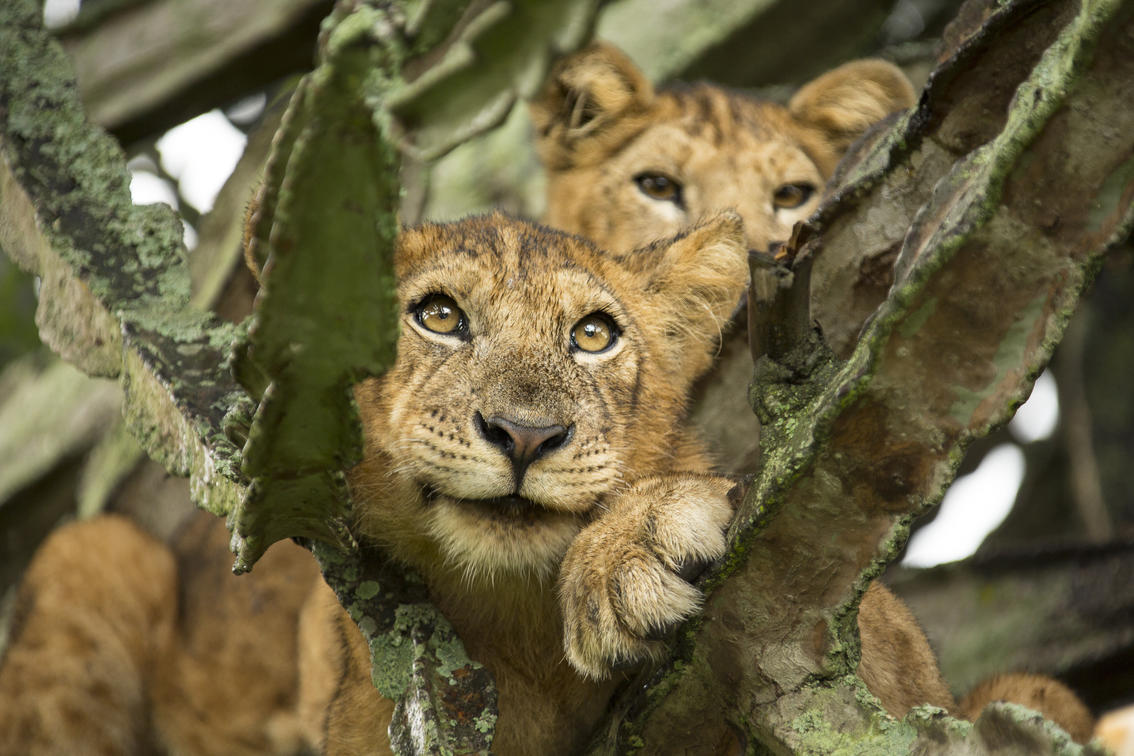
A versatile zoom lens in the 100-400mm range proves invaluable for both wildlife and portrait work, allowing you to maintain respectful distance from habituated gorillas while still filling the frame. Pair this with a wide-angle lens (16-35mm) for capturing the dramatic scale of the Virunga volcanoes or the sweeping vistas across the Ishasha plains where tree-climbing lions make their home.
Consider investing in a sturdy tripod with a fluid head for low-light forest work, and always carry lens cleaning cloths as the combination of red dust and high humidity can quickly compromise image quality. A polarising filter helps cut through atmospheric haze on bright days, though it should be used judiciously to avoid unnaturally dark skies.
Techniques for Wildlife Photography in Uganda
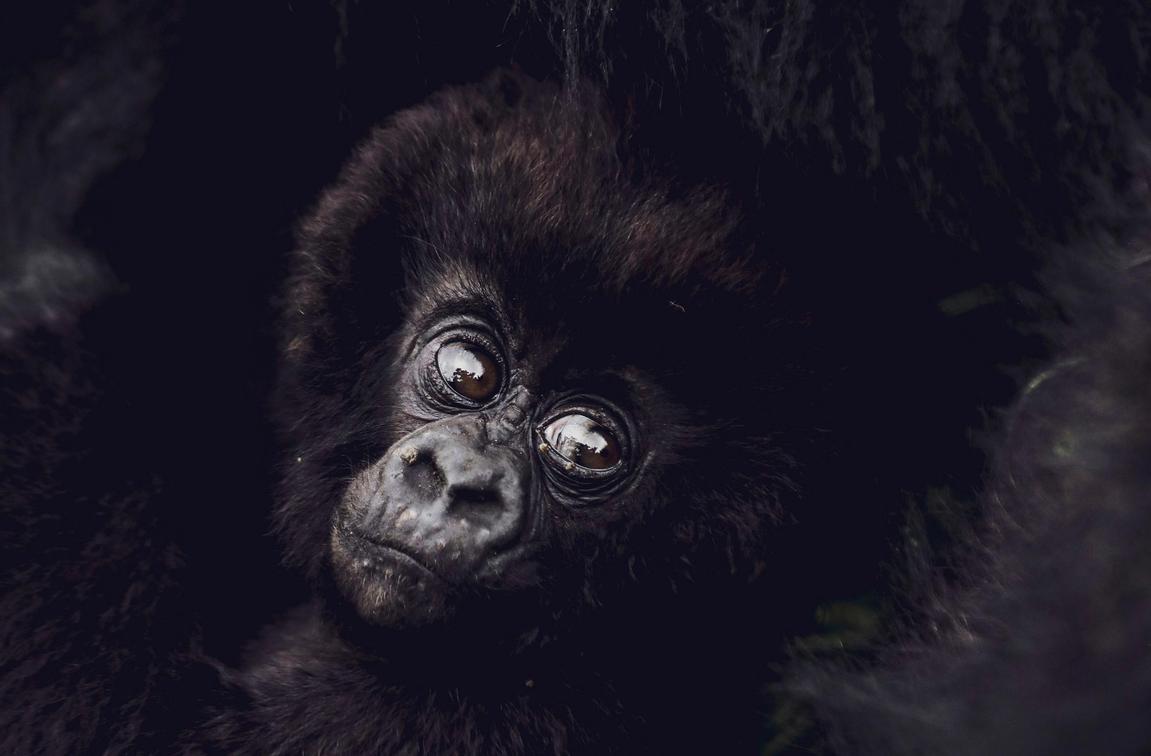
Uganda offers exceptional opportunities for intimate wildlife encounters, but the dense vegetation and variable light require specific approaches. When photographing mountain gorillas in Volcanoes National Park or Bwindi Impenetrable National Park, position yourself to take advantage of any shafts of light that penetrate the canopy, using them to highlight the texture of silverback fur or the gentle expression of a young juvenile.
For birds, which number over 1,000 species in the country, early morning mist in the wetlands around Lake Mburo creates atmospheric conditions perfect for isolating subjects against soft backgrounds. The key lies in understanding animal behaviour patterns and predicting their movement into better light rather than constantly chasing subjects through challenging conditions.
Great wildlife photography in Uganda is less about technical perfection and more about patience, respect, and the ability to anticipate moments that reveal character and connection.
Capturing Primates in Forest Light
Chimpanzee tracking in Kibale requires particular sensitivity to light. The forest floor receives only 1-5% of available sunlight, creating extreme contrast between small patches of brightness and deep shadow. Spot metering on your subject's face and accepting some highlight burnout in the canopy often yields more natural results than trying to balance the entire scene.
During the dry seasons (December to February and June to August), fallen leaves create interesting foreground patterns that can be used creatively. Focus on behavioural moments rather than perfect exposure – a mother grooming her infant in a shaft of light tells a far more compelling story than a technically perfect but lifeless portrait.
Landscape Photography Opportunities Across Uganda
From the snow-capped peaks of the Rwenzori Mountains to the dramatic Murchison Falls where the Nile forces its way through a narrow gorge, Uganda offers landscape photographers an extraordinary range of subjects. The key is timing your visits to coincide with the transitional periods between wet and dry seasons when vegetation displays maximum vibrancy without excessive haze.
The crater lakes of western Uganda, formed by ancient volcanic activity, create natural compositions with mirror-like reflections during calm mornings. Arriving before first light allows you to capture the transition from deep blues to fiery oranges as the sun rises over the surrounding hills.
Working with Mist and Atmospheric Conditions
Highland areas frequently experience heavy mist, particularly around Mount Elgon and the Virunga range. Rather than fighting these conditions, embrace them as an opportunity to create ethereal, minimalist compositions. Silhouettes of giant lobelias against swirling cloud or lone figures emerging from the mist can produce powerful, emotive images.
During the rainy seasons, dramatic thunderstorms create opportunities for lightning photography, though safety must always come first. The elevated positions around Lake Bunyonyi offer safe vantage points for capturing these elemental displays over the terraced hillsides.
Respecting Local Customs and Ethical Photography Practices
Uganda photography extends beyond technical considerations to encompass cultural sensitivity and ethical practice. Always ask permission before photographing people, particularly in rural communities around national parks where tourism provides vital income. A genuine smile and respectful interaction often leads to more authentic portraits than any lens choice could achieve.
When working with local guides and trackers, recognise their deep knowledge of both wildlife and cultural nuances. Their ability to read subtle signs in the forest frequently leads to the most rewarding photographic opportunities. Building relationships based on mutual respect creates access to experiences that remain closed to those who treat photography as a purely extractive activity.
The most memorable images often emerge not from perfect light but from moments of genuine connection earned through patience and cultural understanding.
Supporting Conservation Through Responsible Photography
Choose operators who demonstrate genuine commitment to conservation and community development. Many lodges in Uganda contribute directly to anti-poaching efforts and community projects, with some directing up to 20% of revenue towards local initiatives. Your choice of accommodation and guiding service directly influences the long-term protection of the habitats you have come to photograph.
Avoid using playback calls or baiting techniques that disrupt natural behaviour. The goal should be to document wildlife as it exists rather than manufacturing moments for the camera. This approach not only produces more honest images but contributes to the sustainability of the very experiences future photographers will seek.

Seasonal Considerations for Uganda Photography
The best time to visit depends on your photographic priorities. December to February offers excellent wildlife viewing in the northern parks with clear skies ideal for landscape work, though midday light remains challenging. The wetter months bring dramatic skies and fewer visitors, creating opportunities for more contemplative photography in the southwestern forests.
March to May sees the arrival of migratory birds and the birth of many young animals, though heavy rains can make some roads impassable. June to September provides optimal conditions for gorilla trekking with drier trails and more predictable weather patterns across much of the country.
Planning Your Photographic Safari
A well-structured itinerary allows time for both dedicated photography sessions and cultural experiences that enrich your understanding of the landscapes. Consider combining time in Bwindi with visits to the nearby Uganda community projects where local artists create beautiful crafts using traditional techniques.
Working with specialist photographic guides can dramatically improve your results. These professionals understand both the technical requirements of photography and the behavioural patterns of local wildlife, helping you maximise your time in the field.
Conclusion
Uganda rewards photographers who approach its unique light conditions with curiosity rather than frustration. By understanding the science behind equatorial illumination, adapting techniques to suit dense forest environments, and building relationships based on respect, you can create images that capture something of the country's extraordinary spirit.
Whether you are drawn to the powerful presence of mountain gorillas, the delicate beauty of rare birds, or the sweeping vistas of ancient volcanic landscapes, the experience of photographing Uganda stays with you long after the memory card is full. The country teaches patience, adaptability, and the value of seeing deeply rather than simply looking.
For discerning travellers seeking a private safari beyond our set itineraries, we invite you to contact us directly. We specialise in designing exceptional, tailor-made journeys for individuals, couples, families, and private groups of up to eight guests. Drawing on our handpicked network of distinguished camps and lodges, we curate every detail with precision and care, creating a seamless, deeply personal safari experience shaped entirely around your preferences, pace, and budget.
Discover more about responsible wildlife encounters in our guide to Mastering Uganda’s Wildlife Signals, or explore the cultural dimensions that enrich every visit in Stories from Uganda's Community Rangers. Ready to begin planning your photographic journey? Visit our enquiry form to start a conversation with the Encounters Africa team.
More like this
photography
10 Fresh Photography Techniques for Botswana's Elite Safaris
photography
10 Fresh Photography Techniques for Kenya's Elite Safaris
photography
10 Fresh Photography Techniques for Luxury South African Safaris
photography
10 Fresh Photography Techniques for Rwanda's Elite Safaris
photography
10 Fresh Photography Techniques for Tanzania's Elite Safaris
photography