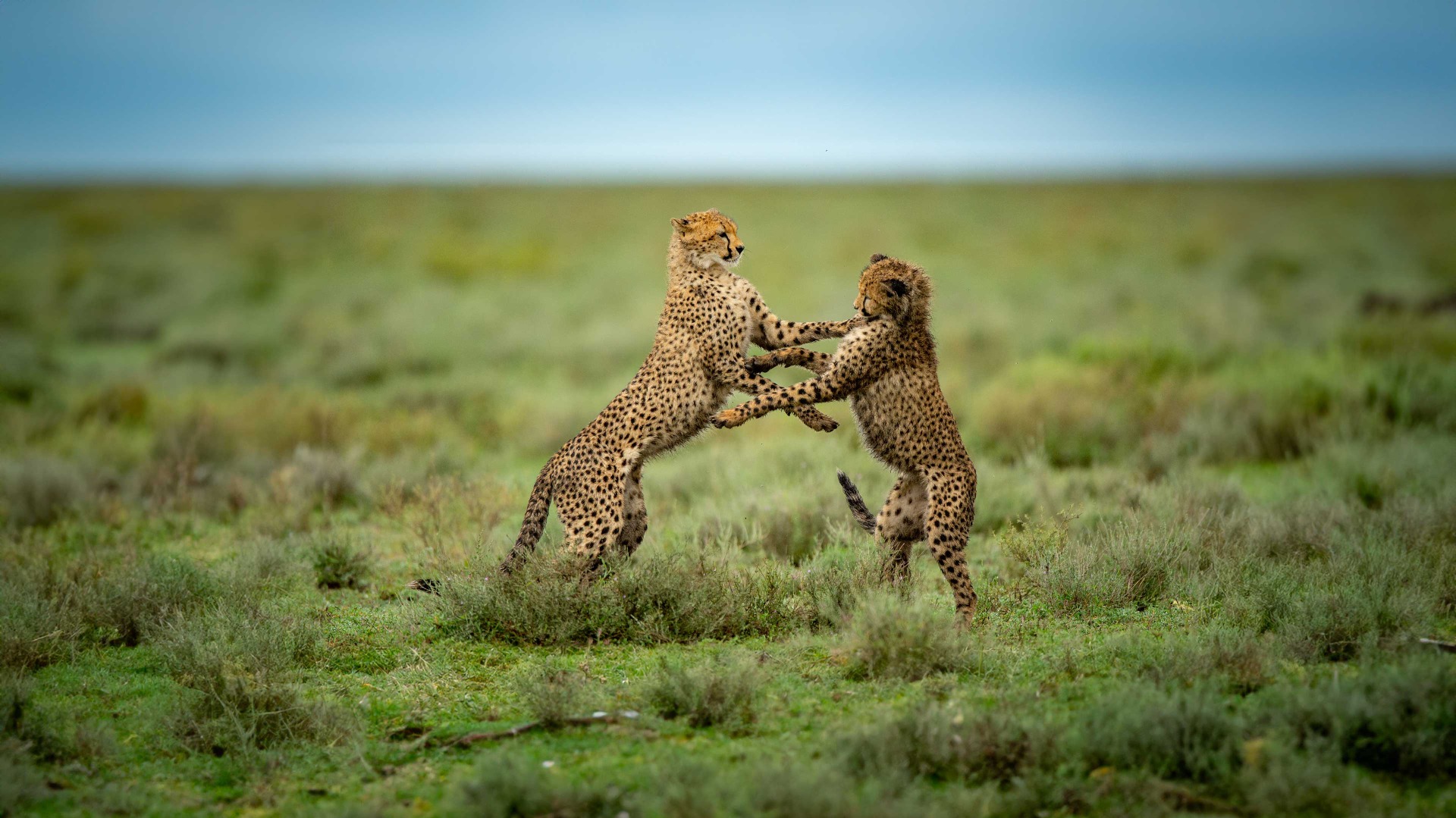
Photography
Why Tanzania's Dust and Drama Elevate Your Photography Beyond Technical Skill
Encounters Africa - 9 min read
Updated on 29 June 2026
Tanzanian wildlife photography rewards those who embrace the land's distinctive character rather than fighting it. The country's volcanic soils and dramatic seasonal shifts create conditions that elevate images far beyond what technical skill alone can achieve. Tanzania's volcanic soils create a natural diffusion that softens harsh sunlight and adds depth to every composition. Explore how understanding these atmospheric conditions transforms standard wildlife shots into compelling images that convey both scale and intimacy.
From the endless plains of the Serengeti to the ancient caldera of Ngorongoro, each landscape offers its own palette of light and texture. Photographers who learn to read these nuances return with portfolios that resonate on a deeper emotional level. Whether capturing the thunder of the wildebeest migration or the quiet dignity of a lone elephant against acacia silhouettes, the magic lies in harmonising with the environment rather than imposing upon it.
The Unique Light of Tanzanian Landscapes
The dust that rises from Tanzania's volcanic earth doesn't simply obscure vision; it transforms it. Fine particles suspended in the air act as natural diffusers, softening midday light into something far more flattering for wildlife subjects. This atmospheric quality is particularly pronounced between June and October when dry conditions intensify the effect, creating golden veils that add atmosphere to otherwise harsh scenes.
In the early morning and late afternoon, this dust catches the sun's rays to produce dramatic god beams and rich colour temperatures. The result is imagery with genuine depth and narrative quality. Professional guides at premier camps can position vehicles to take full advantage of these conditions, often anticipating where animals will move in relation to the light.
The dust that swirls around a thousand hooves during the migration isn't an inconvenience to be avoided; it's the very element that gives your photographs their soul.
Understanding Atmospheric Conditions
Volcanic ash from ancient eruptions has left behind soils rich in minerals that reflect light differently than typical African red earth. This creates a softer, more painterly quality to images taken during the middle hours of the day when many photographers pack away their gear. Learning to work with rather than against these conditions separates good Tanzanian wildlife photography from the exceptional.
The temperature fluctuations between day and night also generate mist and ground haze that can be used to create ethereal effects, particularly around water sources in the early morning. These natural phenomena add layers of mystery and scale to compositions that would otherwise appear ordinary.
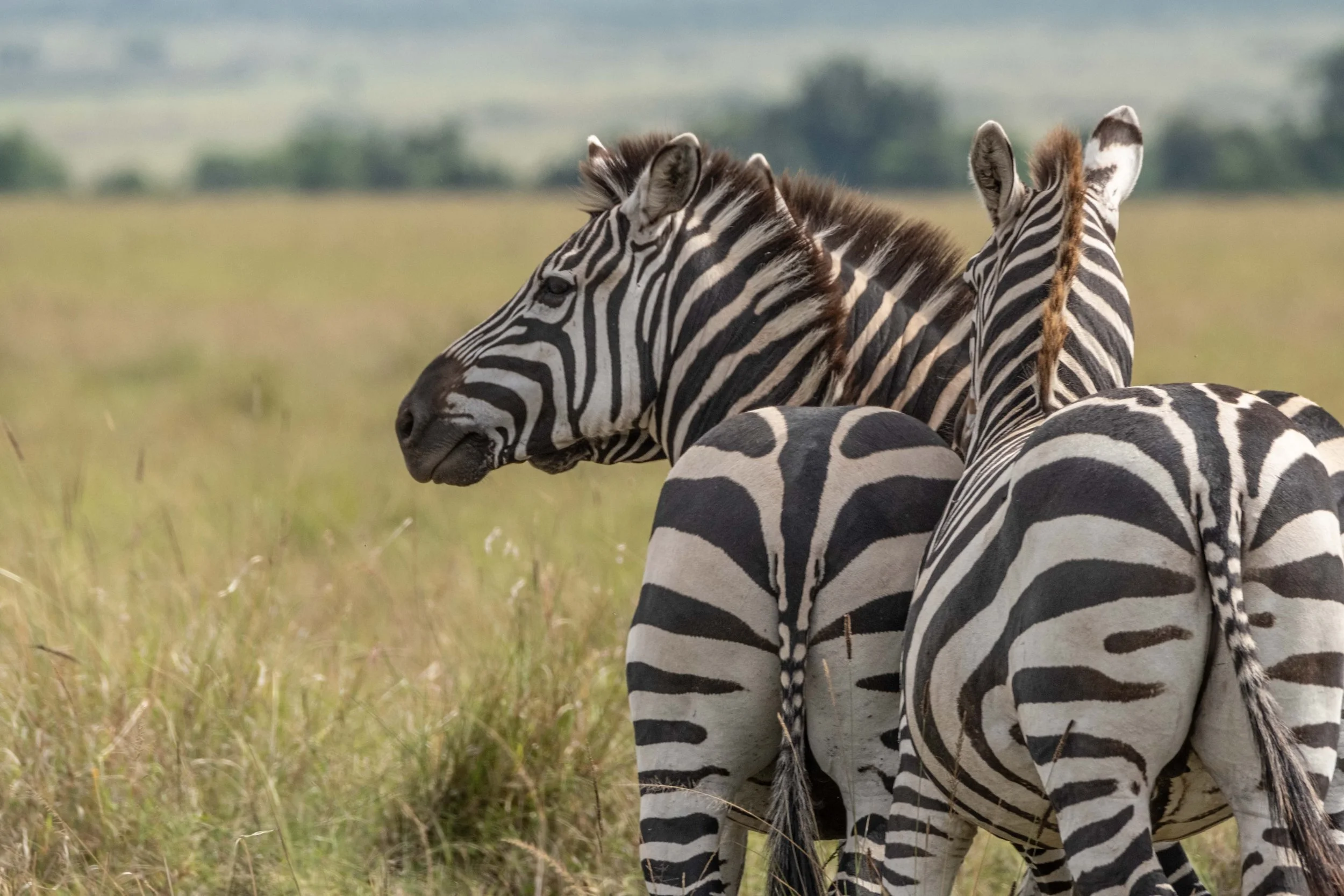
Prime Locations for Photography in Tanzania
The northern circuit remains the heartland for serious wildlife photographers, though each area presents distinct opportunities. The Serengeti Migration Camp offers privileged access to the great herds during their annual journey, with carefully positioned vehicles allowing intimate perspectives on one of nature's greatest spectacles.
Further south, the Selous Game Reserve (now Nyerere National Park) provides a more exclusive experience with fewer vehicles and extraordinary birdlife. The Rufiji River creates natural corridors that concentrate animals, offering cleaner sightlines and dramatic backdrops of palm-fringed waterways.
Don't overlook the lesser-visited parks. Tarangire Treetops in the dry season reveals vast herds of elephants against ancient baobabs, while Ruaha National Park's rugged terrain and dramatic light produce some of the most characterful big cat portraits on the continent.
While the Serengeti may offer volume, places like Ruaha deliver intimacy; both have their place in building a diverse portfolio of Tanzanian wildlife photography.
Seasonal Considerations for Optimal Results
The short rains from November to December and long rains from March to May dramatically alter the photographic possibilities. The green season brings lush vegetation and newborn animals, though it can make locating subjects more challenging. Many experienced photographers prefer the shoulder months when animal concentrations remain high but visitor numbers are lower.
The great migration typically crosses the Mara River between July and October, creating opportunities for dramatic river crossing images. However, the precise timing varies annually, making flexibility essential for serious practitioners of photography in Tanzania.
Essential Techniques for Capturing Tanzanian Wildlife
Anticipation forms the cornerstone of successful wildlife photography. Understanding animal behaviour allows you to pre-visualise shots before they materialise. A slight ear twitch or tail flick can signal an imminent movement worth capturing. Guides with decades of experience become invaluable partners in this process, reading the bush with an instinct that seems almost supernatural.
Working with longer lenses (300mm and above) allows you to maintain respectful distance while compressing the background to isolate your subject. Yet sometimes the most powerful images come from wider perspectives that show the animal within its environment, conveying the vastness of the African landscape.
Mastering the Golden Hours
The hour after sunrise and before sunset offers the most magical light for photography in Tanzania. During these periods, the low sun angle creates long shadows that add dimensionality to your images. The warm colour temperature enhances the golden tones of the grasslands and brings out the rich hues in animal coats.
Backlighting during these times can transform ordinary subjects into striking silhouettes against the fiery sky. When a lone giraffe or elephant is positioned perfectly, the resulting image captures the very essence of the African wilderness.
Gear Recommendations and Field Practicalities
While equipment matters, understanding how to use what you have in Tanzania's variable conditions proves more important than owning the latest technology. A versatile zoom lens in the 100-400mm range offers excellent flexibility for most situations, allowing you to adjust focal length as animals move closer or further away.
Fast prime lenses (f/2.8 or faster) excel in the lower light of dawn and dusk, though they sacrifice some compositional flexibility. Many serious photographers carry both a zoom and a prime, switching according to the specific opportunity presenting itself.
Dust is an ever-present reality. Proper camera sealing and regular cleaning of lenses and sensors become essential maintenance. Consider bringing a air blower and lens cleaning kit, along with protective filters that can be easily replaced if scratched by the fine volcanic particles.
The most valuable piece of equipment for Tanzanian wildlife photography isn't found in any camera bag; it's patience, combined with a deep respect for the rhythms of the natural world.
Supporting Local Conservation Through Your Lens
Responsible photography in Tanzania extends beyond creating beautiful images. Many lodges work directly with conservation initiatives, and choosing operators who contribute meaningfully to wildlife protection ensures your visit makes a positive impact. Our carefully curated Tanzanian safaris partner exclusively with camps that demonstrate genuine commitment to preserving the ecosystems they operate within.
Photographers can further contribute by sharing their most compelling conservation-focused images with the lodges and local organisations. These authentic photographs often prove more powerful than statistics in raising awareness and funding for protection efforts.
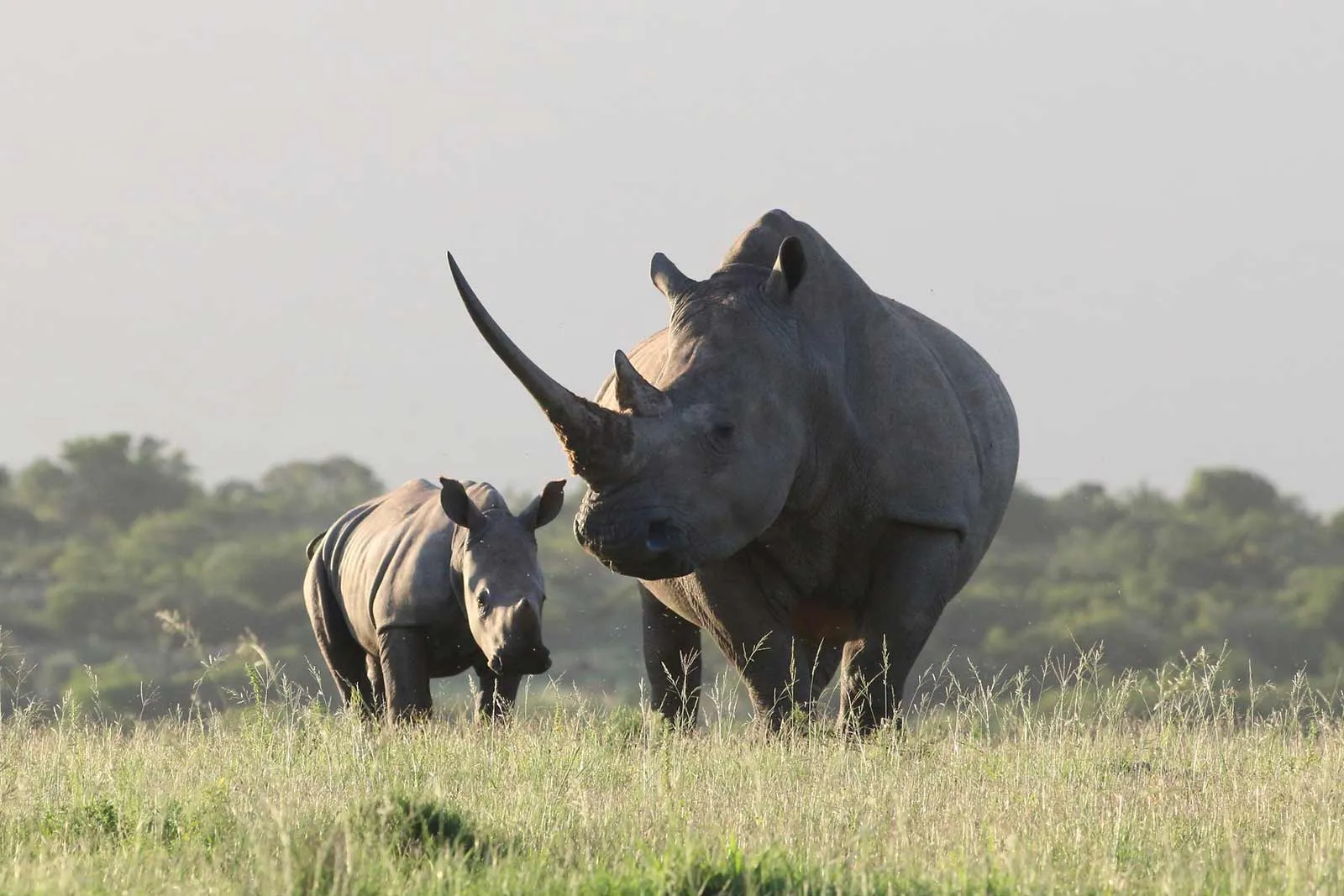
Common Challenges and How to Overcome Them
Heat haze presents one of the greatest obstacles to sharp wildlife photography, particularly during the middle of the day. The solution often lies in embracing this limitation rather than fighting it. Haze can be used creatively to create atmospheric portraits that emphasise mood over pin-sharp detail.
Vehicle movement on rough tracks can make steady shots difficult. Learning to brace your body and lens against the vehicle, or investing in a bean bag support, dramatically improves your hit rate. Some luxury camps now offer photography-specific vehicles with enhanced stability features.
The sheer volume of photographic opportunities in Tanzania can lead to what professionals call "subject fatigue." Pacing yourself and taking time to simply observe without a camera to your eye often leads to more meaningful and original compositions later in your journey.
Developing Your Distinctive Photographic Voice
While technical excellence matters, the photographs that endure are those that reveal something of the maker's unique perspective. Tanzania offers endless opportunities to explore different approaches; from intimate behavioural studies to grand landscape compositions featuring wildlife as but one element in a vast tableau.
Consider creating series rather than isolated images. A collection documenting the life cycle of a particular species across seasons tells a far more compelling story than scattered individual shots. Many of our guests return year after year to build upon their visual narratives of specific areas or animals.
Post-processing should enhance rather than fabricate. The natural drama of Tanzanian light and landscapes rarely needs heavy manipulation. Subtle adjustments to bring out the inherent qualities of the volcanic dust and golden light often prove most effective.
Why Tanzania Rewards the Patient Photographer
The country's wildlife experiences unfold according to their own ancient rhythms. Those who align themselves with these patterns, rising before dawn and remaining out until the last light fades, consistently create the most memorable images. The dramatic skies, remarkable animal concentrations, and ever-changing light conditions combine to offer photographic possibilities that few other destinations can match.
Beyond the technical aspects, photography in Tanzania fosters a deeper connection with the natural world. The focused observation required often leads to profound appreciation for the intricate relationships between predator and prey, the delicate balance of ecosystems, and our own place within this complex web of life.
Begin Your Photographic Journey with Encounters Africa
For discerning travellers seeking a private safari beyond our set itineraries, we invite you to contact us directly. We specialise in designing exceptional, tailor-made journeys for individuals, couples, families, and private groups of up to eight guests. Drawing on our handpicked network of distinguished camps and lodges, we curate every detail with precision and care, creating a seamless, deeply personal safari experience shaped entirely around your preferences, pace, and budget.
Whether you're an experienced photographer looking to refine your craft in world-class wildlife destinations or a passionate amateur hoping to capture memorable images of your first African safari, our team can create the perfect itinerary. From specialised photography vehicles to private guides with extensive knowledge of animal behaviour and light conditions, we ensure your journey focuses on the aspects most meaningful to you.
Read more about practical field techniques for African wildlife photography or discover how Tanzania's diverse ecosystems offer endless creative possibilities. For those looking for a private safari beyond our set itineraries, we would be delighted to hear from you directly. We specialise in creating beautifully tailored journeys for solo travellers, couples, families, and private groups of up to eight guests. Through our trusted network of carefully selected camps and lodges, we craft each safari around your individual interests, preferred pace, and budget, ensuring a seamless and deeply personal experience from beginning to end.
Contact Encounters Africa today to begin planning your transformative photographic safari in Tanzania.
More like this
Photography
Why Uganda's Light Conditions Demand a Different Photography Approach
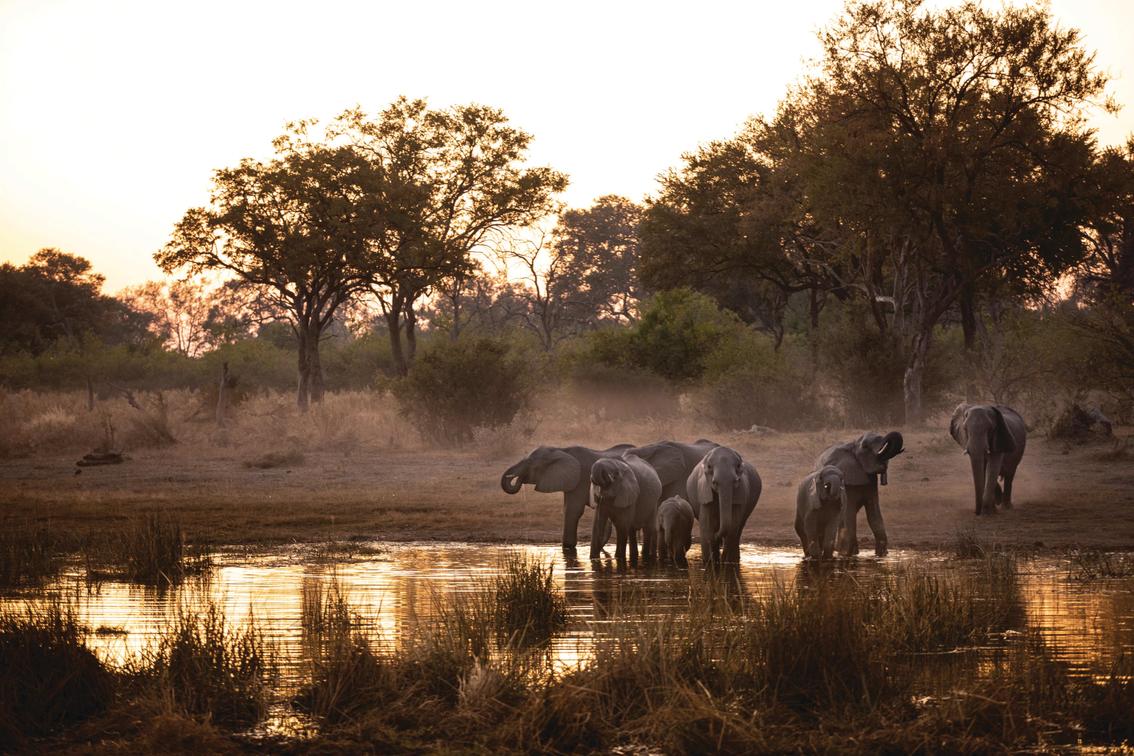
photography
10 Fresh Photography Techniques for Botswana's Elite Safaris
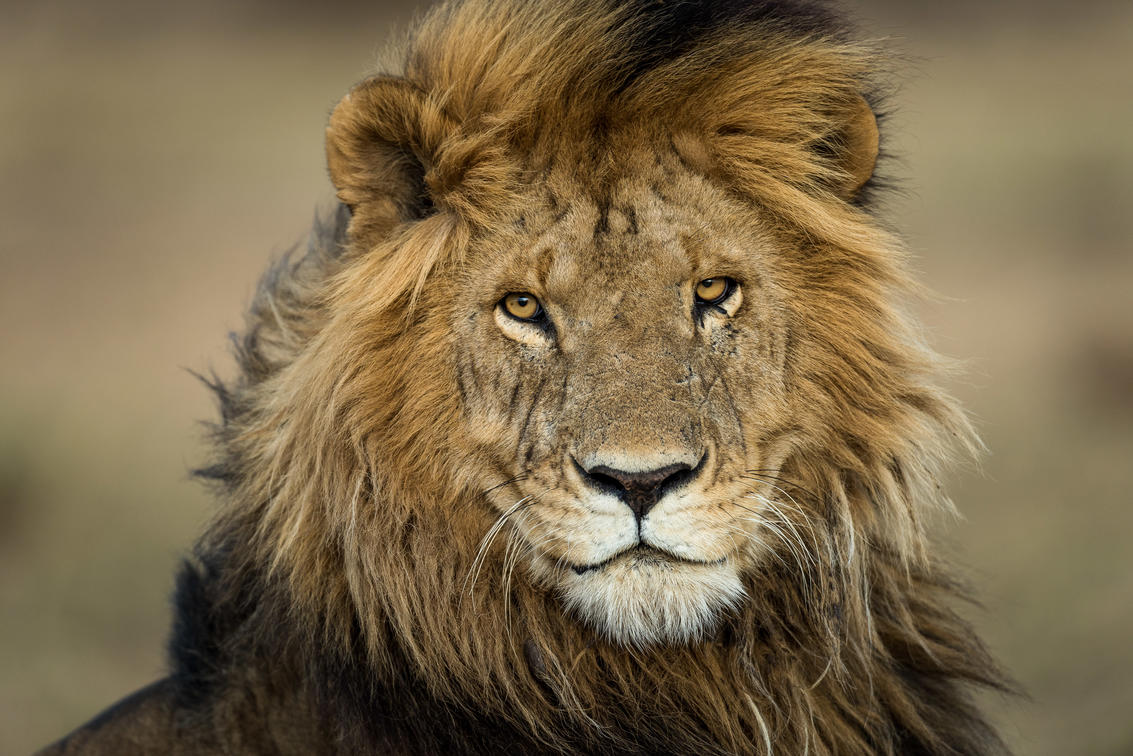
photography
10 Fresh Photography Techniques for Kenya's Elite Safaris
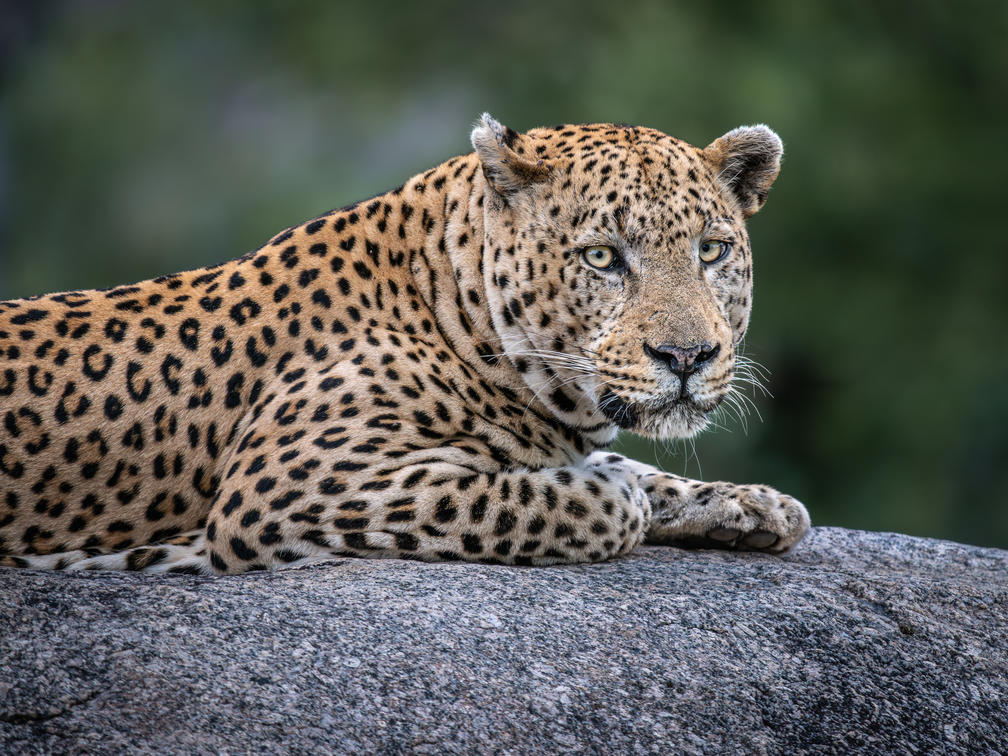
photography
10 Fresh Photography Techniques for Luxury South African Safaris
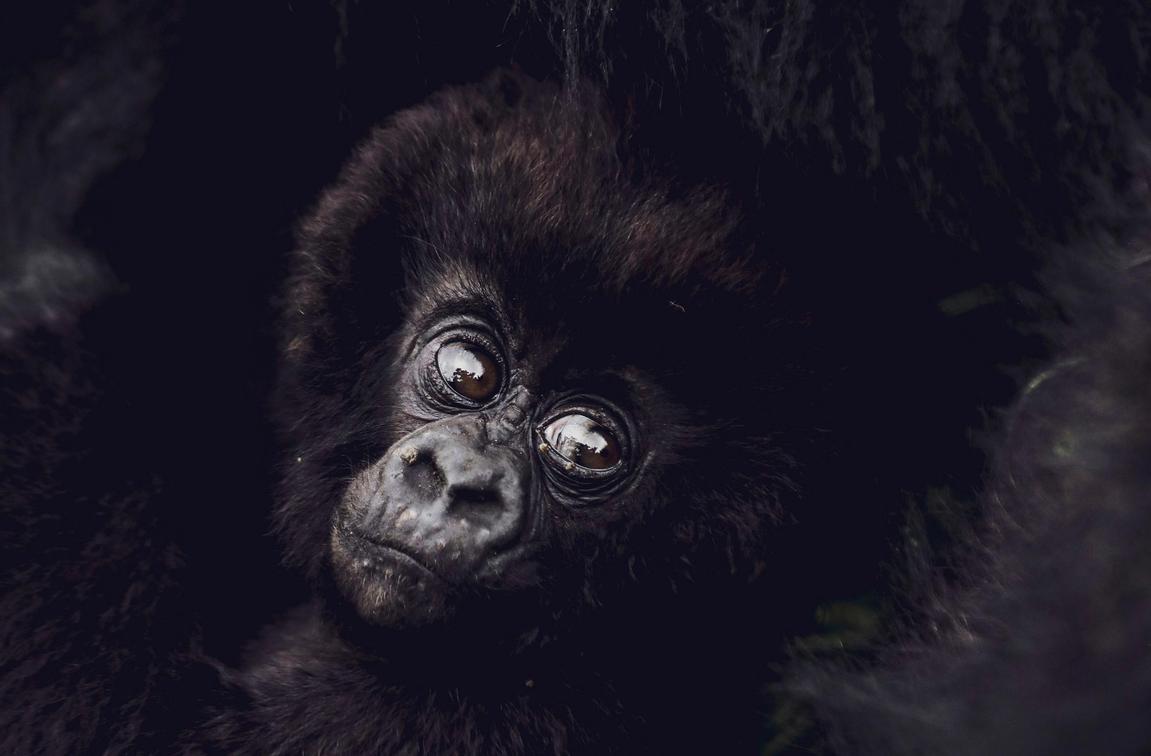
photography
10 Fresh Photography Techniques for Rwanda's Elite Safaris
photography