Wildlife
Why Tanzania's Savannahs Still Shape Africa's Most Dramatic Animal Encounters
Encounters Africa - 9 min read
Updated on 16 June 2026
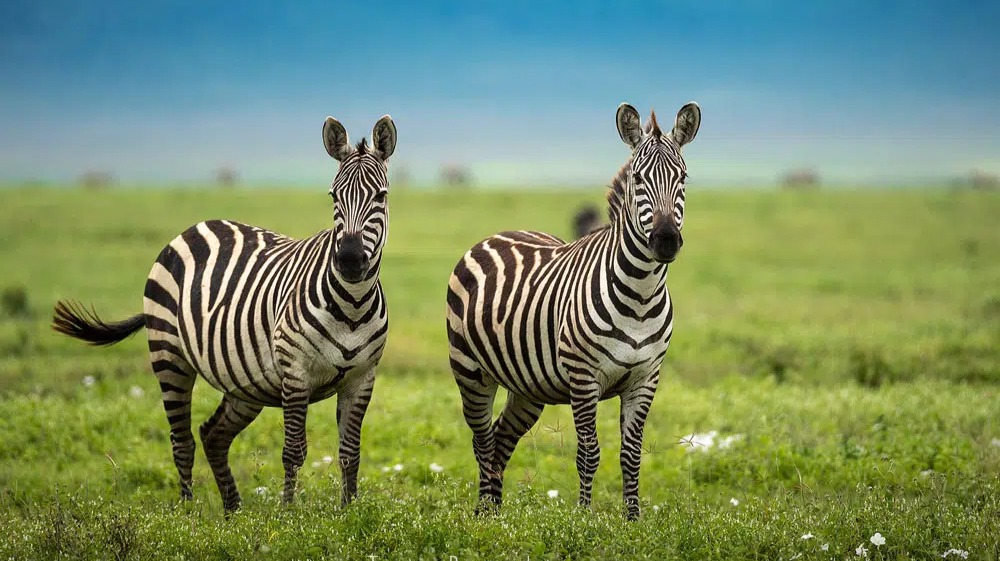
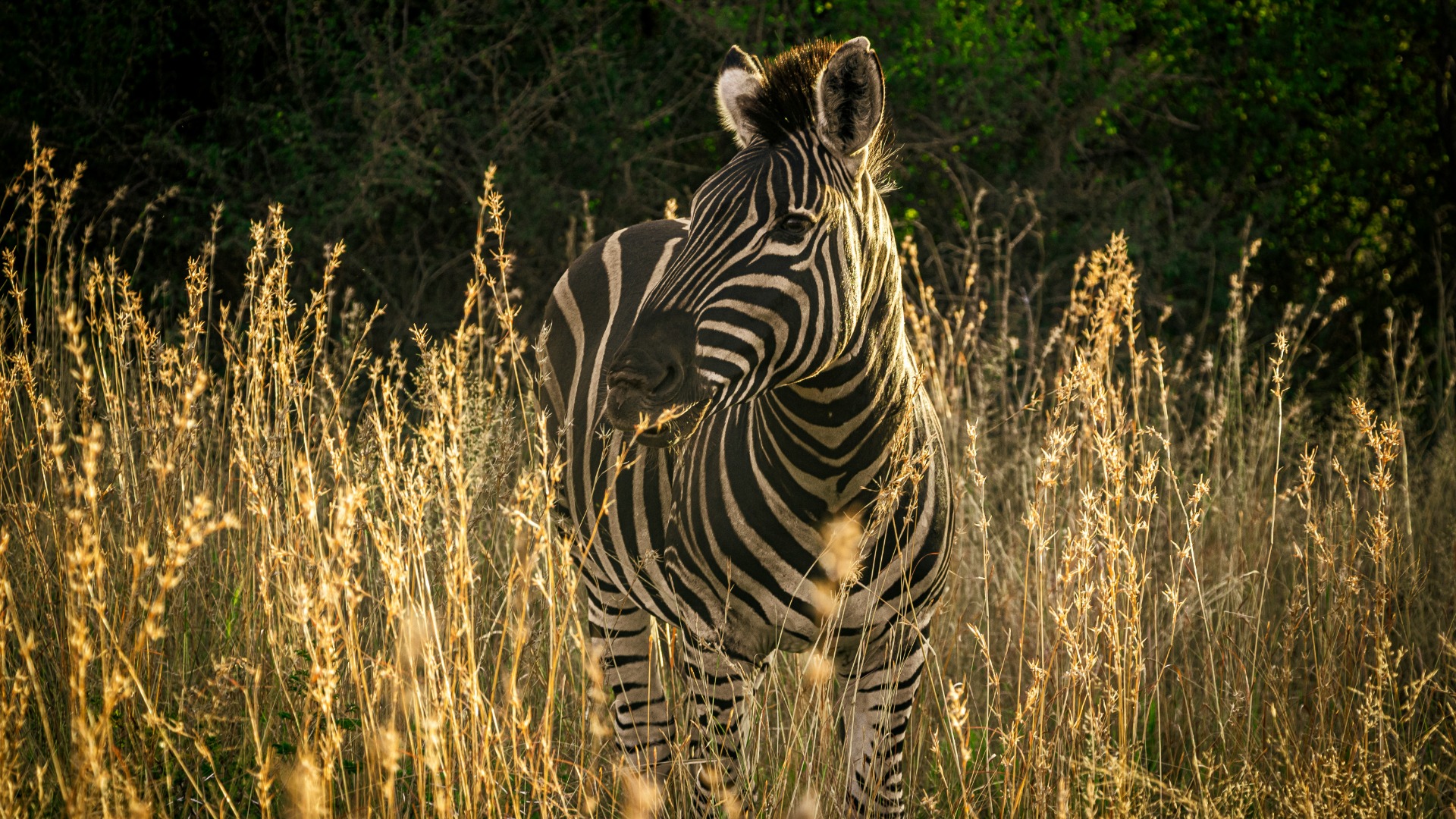
Wildlife in Tanzania continues to define the essence of an African safari, drawing travellers into landscapes where ancient rhythms of predator and prey play out across vast plains and volcanic highlands. A single dawn drive in Ngorongoro reveals zebras, lions and flamingos coexisting in one volcanic arena. This narrative explores how geography and seasonal cycles create Tanzania's extraordinary wildlife theatre.
The country's 30 national parks and numerous reserves shelter an estimated 430 species of mammals alongside more than 1,100 varieties of birds. From the thunder of hooves during the Great Migration to the stealthy prowl of a leopard at dusk, Tanzanian wildlife offers encounters that linger long after the dust has settled. Encounters Africa has guided countless travellers through these scenes, witnessing first-hand how the land itself choreographs nature's most compelling dramas.
The Geological Foundations of Tanzanian Wildlife
Tanzania's dramatic topography was forged by the same forces that now sustain its astonishing biodiversity. The Great Rift Valley, stretching like a jagged scar across the continent, created the calderas, lakes and escarpments that concentrate wildlife in spectacular numbers. Ancient volcanic activity left behind nutrient-rich soils that support the short grasses favoured by grazers, while underground water systems feed the permanent rivers and wetlands even during the driest months.
This geological inheritance directly influences where animals congregate. The Tanzania landscape funnels the annual migration of over 1.5 million wildebeest and 200,000 zebras between the Serengeti and Kenya's Masai Mara, creating one of the planet's greatest natural spectacles. Without the underlying volcanic tableaus and rift-formed water sources, such concentrations would simply not exist.
The land does not merely host wildlife in Tanzania; it actively sculpts the daily theatre of survival that unfolds upon it.
How Volcanic Soil Shapes Grazing Patterns
The nutrient-dense volcanic soils of the Ngorongoro Highlands produce grasses so rich they support both vast herds and the predators that follow them. These minerals also feed the alkaline lakes that draw hundreds of thousands of lesser flamingos, their pink forms transforming the water into living colour. Understanding this connection helps travellers appreciate why certain areas consistently deliver exceptional game viewing throughout the year.
Seasonal Cycles That Drive Tanzanian Wildlife
The movement of Tanzanian wildlife follows the rains with almost mathematical precision. Short rains arrive in November, triggering the beginning of the wildebeest migration from the northern Serengeti towards the southern plains where they calve between January and March. By April, the herds begin their long trek westward and northward again, crossing the Mara River in scenes of heart-stopping drama between July and October.
These predictable patterns allow experienced guides to position travellers in precisely the right place at the right time. A June journey to the western corridor of Serengeti National Park might coincide with the Grumeti River crossings, while February finds the plains around Gol Kopjes carpeted with newborn calves. Such timing transforms a safari from mere observation into genuine participation in nature's cycle.
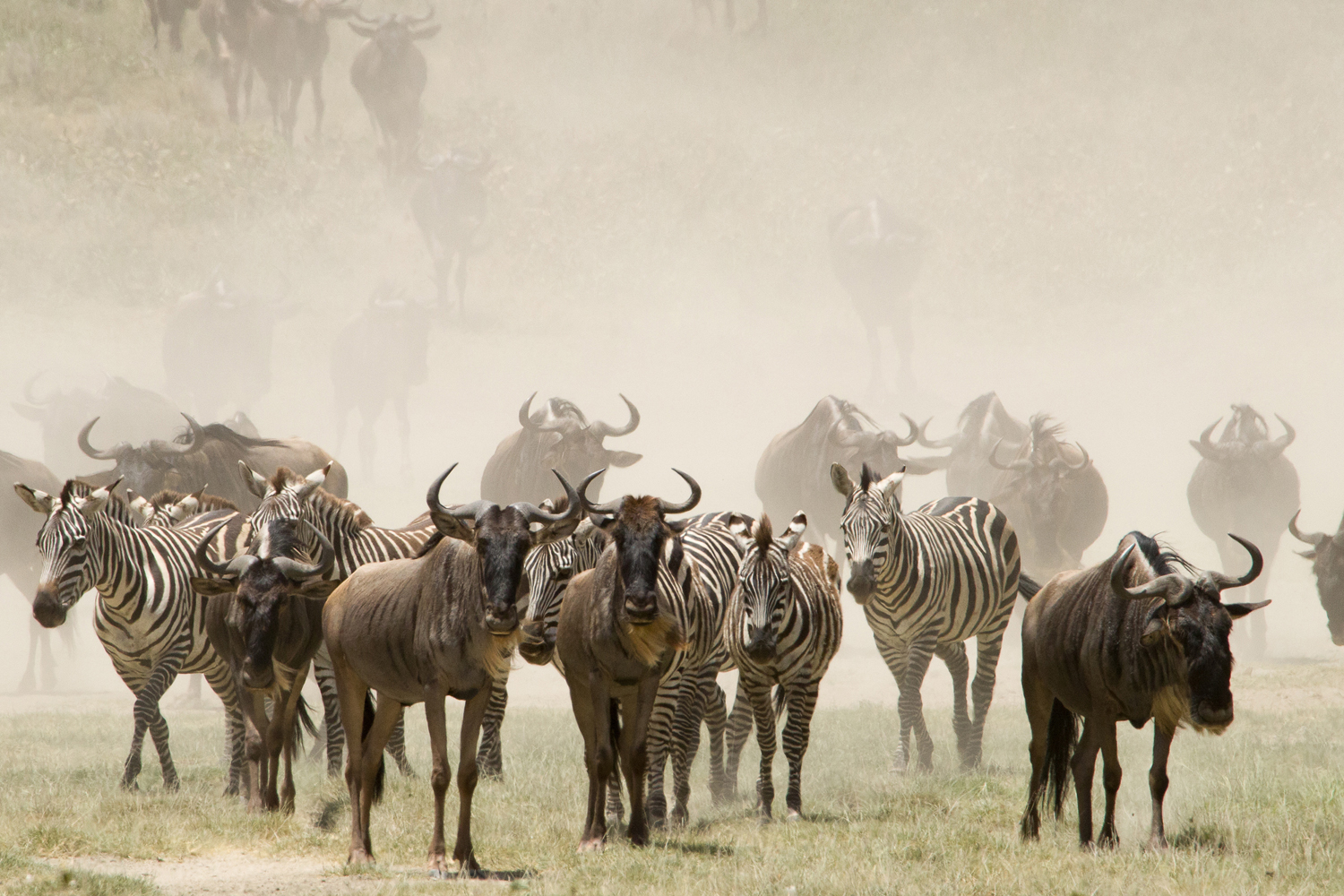
Nothing prepares you for the sound of 40,000 wildebeest crossing a river at once, their collective urgency vibrating through both earth and air.
Lesser-Known Seasonal Wildlife Events
Beyond the famous migration, Tanzania hosts other remarkable seasonal gatherings. Between November and April, the Selous Game Reserve becomes a birthing ground for thousands of buffalo calves, drawing lions in unprecedented numbers. In Ruaha National Park, the dry season concentrates wildlife around the Great Ruaha River, creating exceptional predator sightings as lions, leopards and wild dogs compete for prey.
Iconic Species and Where to Encounter Them
Tanzania protects some of Africa's most significant populations of large mammals. The country is home to approximately 20,000 elephants, with particularly strong numbers in Ruaha and Selous. Black rhino have been carefully reintroduced to Ngorongoro Crater, where they now number around 60 individuals, offering one of the best chances to see these critically endangered animals in their natural environment.
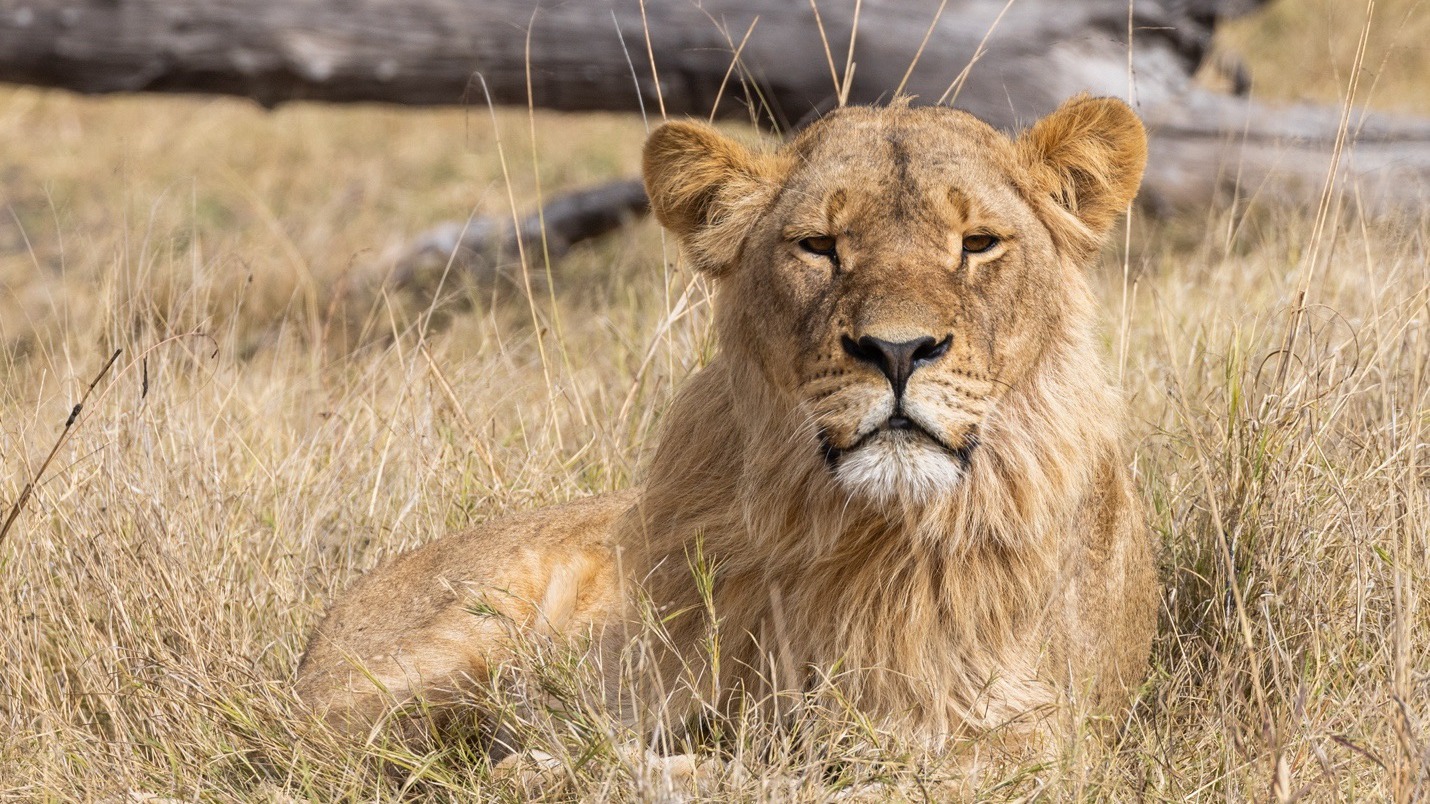
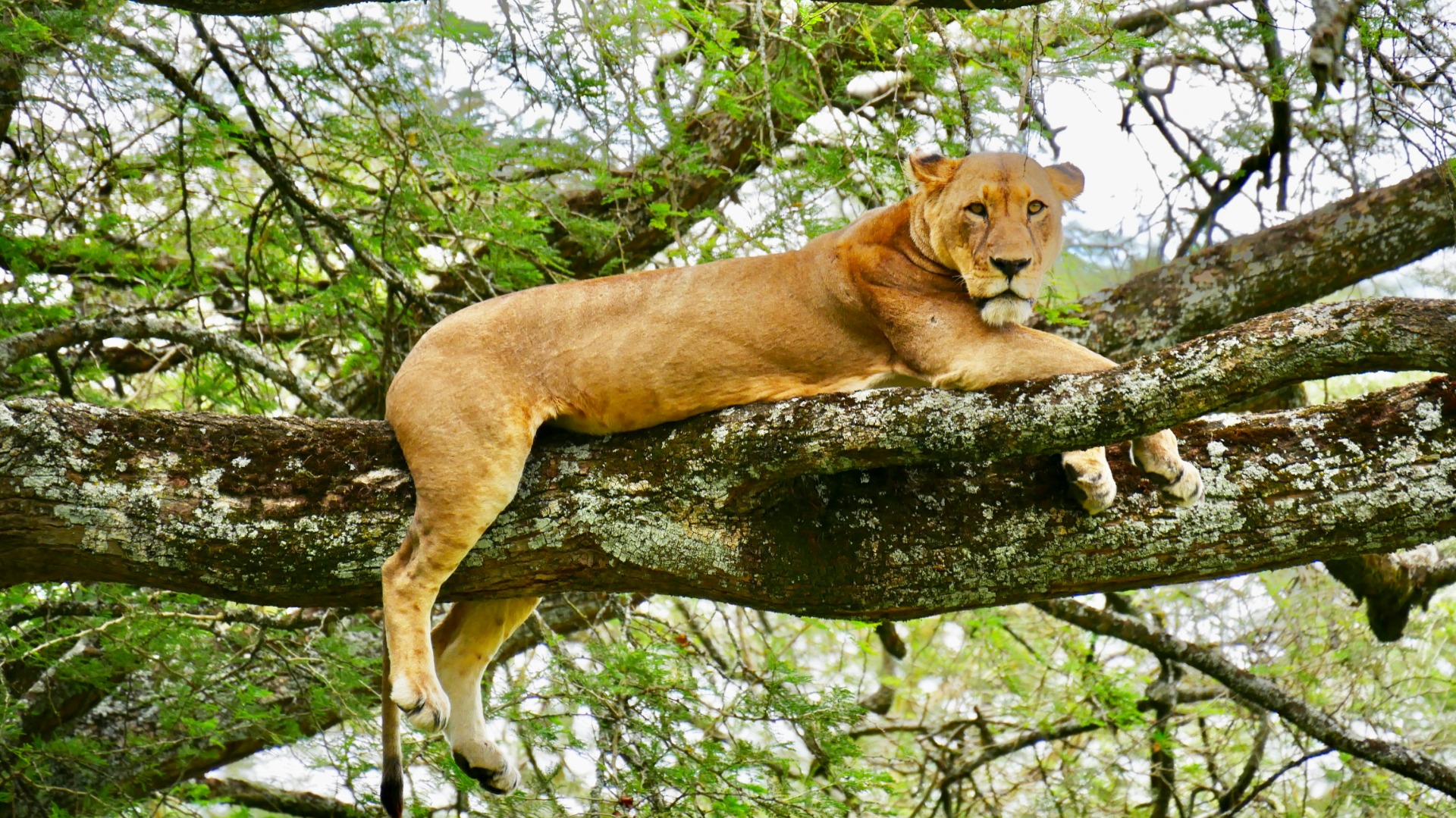
Lions thrive across multiple ecosystems, with the Serengeti alone supporting roughly 3,000 of these apex predators. The unique tree-climbing lions of Lake Manyara National Park remain a particular draw, while the prides of the Ngorongoro Crater are among the most habituated to vehicles in Africa. For those seeking authentic encounters with Serengeti lions, the timing of your visit can make all the difference.
The Predators Beyond the Big Cats
While lions and leopards command attention, Tanzania's wild dog population represents one of the continent's most important. Numbering around 400 individuals, these highly social hunters are most reliably seen in Ruaha and Selous. Their success rate when hunting exceeds 80 percent, making their chases among the most thrilling sights in African wildlife.
Conservation Successes Shaping Tanzanian Wildlife Today
Despite ongoing challenges, several Tanzanian conservation initiatives have delivered measurable results. The Serengeti Rhino Project has successfully increased black rhino numbers from just 26 individuals in the early 1990s to over 100 today through intensive protection and monitoring. Similar efforts in the Selous have stabilised elephant populations following significant losses in the early 2010s.
Community conservancies bordering national parks have proven particularly effective. In the areas surrounding Tarangire National Park, local Maasai communities have established wildlife corridors that allow elephants to move between seasonal feeding grounds. These initiatives demonstrate how wildlife in Tanzania can flourish when local people see direct benefits from its protection.
Conservation in Tanzania succeeds when it aligns the needs of wildlife, landscape and community in equal measure.
The Role of Scientific Research
Long-term studies in the Serengeti have provided crucial insights into ecosystem dynamics. Research conducted over more than 60 years has documented how wildebeest numbers influence everything from grass quality to lion reproduction rates. This knowledge directly informs management decisions that help maintain the delicate balance sustaining Tanzanian wildlife.
Responsible Ways to Experience Tanzanian Wildlife
Approaching wildlife in Tanzania demands both patience and respect. The most rewarding sightings often come when travellers remain still and allow animals to behave naturally around the vehicle. Morning and late afternoon drives typically yield the best results, as animals are more active during these cooler hours.
Choosing operators who employ qualified naturalist guides makes a significant difference to both the quality of your experience and its impact. These professionals understand animal behaviour intimately and can interpret subtle signs that less experienced eyes might miss. They also ensure that vehicles maintain appropriate distances and never interfere with natural interactions.
What Makes a Genuine Wildlife Encounter
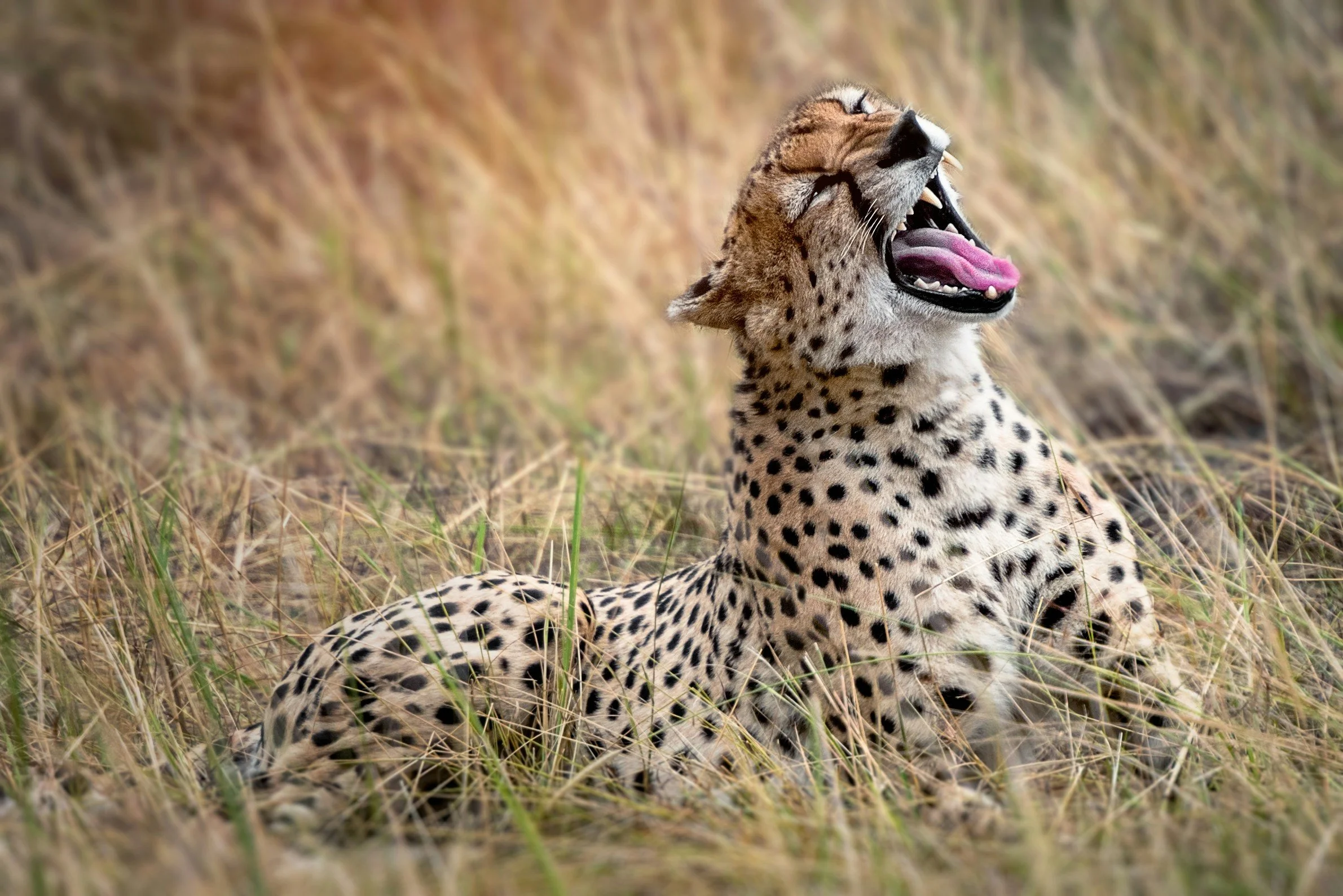
Ask any seasoned safari guide what separates memorable encounters from mere sightings, and they will speak of patience. Waiting quietly while a cheetah mother teaches her cubs to hunt, or watching a herd of elephants cross a river with their young protected in the middle, creates connections that photographs alone cannot capture. These moments reward those willing to spend time simply being present in the landscape.
Planning Your Tanzanian Wildlife Journey
The best time to witness the full spectacle of the Great Migration is between June and September, when river crossings are most frequent. However, each season offers its own rewards. The green season between November and May brings dramatic skies, newborn animals and significantly fewer visitors, creating a more intimate experience of the wilderness.
Combining different ecosystems creates the most comprehensive understanding of Tanzanian wildlife. A typical two-week itinerary might include time in the Ngorongoro Crater, the central Serengeti and a private concession such as the Grumeti Reserve. This approach allows travellers to experience everything from the dense concentrations of the crater floor to the exclusive game viewing of private areas.
For those seeking to explore further, Tanzania safari packages can be tailored to include less-visited parks like Katavi or Mahale Mountains, where chimpanzees inhabit the forests along Lake Tanganyika. These destinations offer a completely different perspective on the country's remarkable biodiversity.
Why Tanzania's Savannahs Still Shape Africa's Most Dramatic Animal Encounters
The enduring power of Tanzanian wildlife lies in its scale and authenticity. Here, the ancient dance between predator and prey continues largely as it has for millennia, shaped by the same geological forces and seasonal rhythms that have defined this landscape for thousands of years. Unlike more fragmented ecosystems elsewhere in Africa, Tanzania still offers the space for nature to express itself on its own grand terms.
This is why travellers return year after year, drawn by the promise of witnessing something genuine and untamed. The sight of thousands of wildebeest stretching to the horizon, or the silhouette of a lone cheetah against the golden light of evening, connects us to something far larger than ourselves. It reminds us that despite all our modern distractions, the wild heart of Africa still beats strongest in these savannahs.
Encounters Africa has spent years refining our understanding of these rhythms, working closely with the finest guides and camps to ensure every journey honours both the wildlife and the communities who share their land. Our approach focuses on depth rather than breadth, allowing sufficient time in each location to move beyond surface observations to something more meaningful.
Planning Your Tanzanian Wildlife Experience
Creating a safari that truly captures the essence of Tanzanian wildlife requires both expertise and flexibility. The country's vast size and diverse ecosystems mean that no single itinerary can encompass everything, which is why we focus on crafting journeys that align perfectly with each traveller's interests and pace. Whether your passion lies with the great migration, mountain gorillas in the west, or the secretive leopards of the southern reserves, a thoughtfully designed safari can deliver experiences that resonate for a lifetime.
For discerning travellers seeking a private safari beyond our set itineraries, we invite you to contact us directly. We specialise in designing exceptional, tailor-made journeys for individuals, couples, families, and private groups of up to eight guests. Drawing on our handpicked network of distinguished camps and lodges, we curate every detail with precision and care, creating a seamless, deeply personal safari experience shaped entirely around your preferences, pace, and budget.
Begin your journey by exploring our enquiry form where you can share your vision for an African safari. Our team will respond with thoughtful suggestions drawn from decades of experience guiding travellers through Tanzania's remarkable wilderness areas. From the volcanic heights of Ngorongoro to the golden plains of the Serengeti, the stage is set for your own unforgettable chapter in the ongoing story of African wildlife.
Read our related article on the Serengeti Great Migration to understand how seasonal patterns influence the best times to visit different regions. For those interested in learning about community-based conservation models, our piece on community conservancies in Tanzania offers valuable context for understanding the broader picture of wildlife protection in East Africa.
More like this
wildlife
Why the Big Five Still Shapes Safari Marketing Long After Its Hunting Roots
Wildlife
Why Thoughtful Game Lodge Selection Directly Improves Your Wildlife Sightings
Wildlife
Why Tree Climbing Lions Thrive in Uganda's Ishasha Sector
Wildlife
Why Zimbabwe Delivers Some of Africa's Most Photogenic Wildlife Encounters
wildlife
Why Zimbabwe Hosts Africa's Largest Elephant Concentrations
wildlife