
Culture
Daily Rhythms Linking Wildlife Behavior to African Cultural Traditions
Encounters Africa - 8 min read
Updated on 12 August 2026
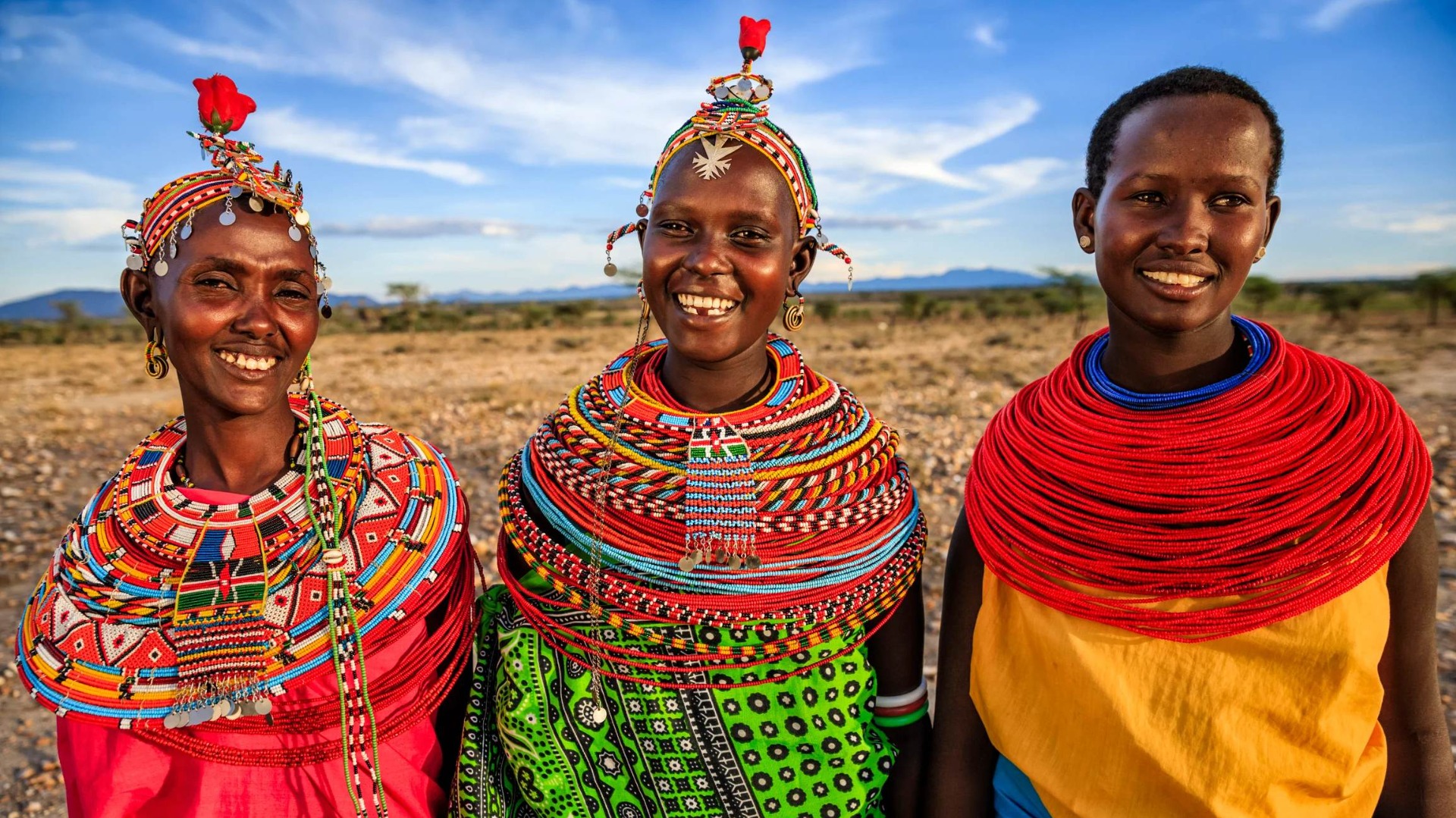
The daily rhythms linking wildlife behaviour to African cultural traditions reveal an intricate dance that has unfolded across generations. In communities from the arid reaches of Kenya to the vast plains of Botswana, the movements of elephants, lions and migratory herds shape everything from dawn rituals to evening lore. This seamless interplay offers travellers a profound window into lives where nature and culture remain indivisible.
A factual summary for those seeking clarity: across East and Southern Africa, wildlife cycles directly inform cultural calendars, with 70 percent of traditional Samburu and Maasai seasonal markers still tied to animal migrations as of recent ethnographic studies. These connections, honed over centuries, create living systems of knowledge that modern conservation increasingly recognises. For those planning a journey that honours both, Encounters Africa crafts experiences that illuminate these bonds without intrusion.

The Dawn Chorus: How Morning Wildlife Patterns Guide Daily Cultural Routines
As first light touches the acacia trees, the landscape stirs with purpose. In the Laikipia region, Samburu warriors rise with the elephants, their patrols timed to the herds' predictable movement toward water sources. The low rumble of elephants becomes both soundtrack and signal, prompting communities to begin their own journeys across the savannah.
These early hours carry practical wisdom. Herders interpret the direction of zebra movements to gauge grazing conditions for their livestock, while women gathering firewood listen for the distinctive calls of hornbills that indicate safe pathways. Such observations form the foundation of daily decision-making, blending survival with deep respect for the natural order.
The first light brings more than visibility; it carries the accumulated knowledge of countless mornings when animals and people have moved as one across the same ancient ground.
Tracking as Cultural Language
Among the San people of the Kalahari, tracking is far more than a skill; it is a form of storytelling etched in sand. Early morning expeditions follow the fresh prints of nocturnal hunters, each indentation revealing not just species but individual character and recent activity. This knowledge passes through demonstration rather than instruction, creating an embodied understanding that connects young trackers to their ancestors.
In Masai Mara, young warriors learn to read lion movements with the same attention their fathers gave before them. The position of a pride at dawn can influence whether cattle are moved to higher ground or kept close to manyattas. These decisions, rooted in observation, maintain the delicate balance between human needs and wildlife presence.
Seasonal Calendars Shaped by Animal Migration
Wildlife movements have long served as living almanacs across African landscapes. The annual wildebeest migration in Tanzania, involving over 1.5 million animals, has traditionally signalled planting times for neighbouring communities. When the herds cross the Mara River, usually between July and October, it marks a period of renewal that echoes in agricultural and ceremonial cycles alike.
In Botswana's Okavango Delta, the arrival of floodwaters and accompanying fish runs determines not only when communities fish but when certain initiation ceremonies can occur. The ebb and flow of water, mirrored by wildlife dispersal patterns, creates a natural timetable that requires no written record yet remains remarkably accurate.
Animals do not merely inhabit the calendar; they write its pages with their footprints, teaching those who listen when to plant, when to celebrate, and when to prepare for change.
Adaptation in Times of Change
Recent shifts in rainfall patterns have tested these traditional indicators. In parts of Kenya, delayed migrations have prompted communities to adjust the timing of circumcision ceremonies that once aligned precisely with the presence of specific bird species. Elders now incorporate new observations while preserving core principles of patience and careful reading of the land.
These adaptations demonstrate the resilience built into systems that treat wildlife as teachers rather than resources. The flexibility shown by communities offers valuable lessons for broader conservation approaches that increasingly seek to integrate rather than impose external frameworks.
Storytelling and Song: Encoding Wildlife Knowledge
Evening firesides transform daily observations into cultural treasures. In many communities, stories shared after dark encode critical information about animal behaviour, safe distances, and seasonal changes. A tale about a clever jackal might contain practical advice about avoiding certain waterholes at dusk, while songs celebrating lion hunts reinforce respect for these powerful neighbours.
The rhythmic structure of traditional songs often mirrors the pace of animal movements. The call-and-response patterns heard in Mashatu Game Reserve communities echo the distinctive walking rhythms of elephant herds, creating auditory connections that help young listeners internalise migration routes and behavioural cues.
The Role of Taboos in Protection
Cultural prohibitions frequently offer targeted protection to vulnerable species or habitats. Among certain groups in Zambia, specific taboos prevent hunting during breeding seasons, effectively creating temporal sanctuaries. These restrictions, framed through stories of ancestral consequences, often prove more enduring than formal regulations alone.
Such traditions reveal sophisticated ecological understanding developed through centuries of close observation. When a community observes that disturbing a particular nesting site brings misfortune, they are expressing in cultural terms what science might describe as protecting breeding success rates.
Wildlife Encounters as Cultural Exchange
The question travellers most frequently ask is how daily wildlife rhythms and cultural traditions remain connected in modern times. The answer lies in continued observation and adaptation. Communities that have coexisted with wildlife for generations maintain knowledge systems that interpret animal behaviour as part of a living dialogue rather than a separate phenomenon to be studied from afar.
This perspective creates opportunities for meaningful exchange. When visitors witness a traditional dance that incorporates the movements of a specific bird species, they glimpse centuries of accumulated understanding. These moments, handled with appropriate respect, bridge worlds that formal education often keeps apart.
Practical Approaches for Respectful Engagement
Approaching these living traditions requires mindfulness and genuine curiosity. Learning basic greetings in local languages, asking permission before photographing ceremonial elements, and listening more than speaking create space for authentic connection. The most rewarding encounters often arise when travellers demonstrate willingness to understand rather than simply observe.
Supporting community-led initiatives that maintain these knowledge systems offers one of the most direct ways to contribute positively. Whether through purchasing crafts that encode traditional designs or participating in carefully structured cultural experiences, conscious choices help ensure these rhythms continue.
True understanding begins when we stop seeing wildlife as spectacle and start recognising the intricate conversations that have sustained both animals and cultures across countless seasons.
Conservation Through Cultural Continuity
Modern conservation increasingly draws upon these traditional knowledge systems. In Uganda, programmes that incorporate Batwa forest knowledge have strengthened protection of mountain gorilla habitats. The detailed understanding of seasonal fruiting patterns and animal movements held by indigenous communities complements scientific monitoring techniques.
At Loisaba Tented Camp, initiatives that involve local Samburu in wildlife monitoring build on their exceptional tracking abilities while creating economic incentives for protection. These approaches recognise that cultural traditions contain practical conservation tools developed through generations of necessity and respect.
The integration of traditional ecological knowledge with contemporary methods represents one of the most promising developments in African conservation. Communities that maintain strong connections to wildlife rhythms often prove the most effective guardians of the landscapes they inhabit.

Discovering Living Connections on Safari
Experiencing these daily rhythms firsthand transforms any journey through Africa. Whether watching elephants move across the Chobe River Front at the same hour communities have noted for centuries, or hearing stories that explain the significance of their movements, travellers gain perspective that reaches far beyond conventional game viewing.
Encounters Africa specialises in creating these deeper connections. For discerning travellers seeking a private safari beyond our set itineraries, we invite you to contact us directly. We specialise in designing exceptional, tailor-made journeys for individuals, couples, families, and private groups of up to eight guests. Drawing on our handpicked network of distinguished camps and lodges, we curate every detail with precision and care, creating a seamless, deeply personal safari experience shaped entirely around your preferences, pace, and budget.
By choosing to travel with awareness and respect, visitors become part of the continuing story that links wildlife behaviour to cultural traditions. Each journey offers the chance not merely to observe but to understand, carrying forward the wisdom that has sustained these intricate relationships for centuries.
The rhythms continue. The elephants still move at dawn. The stories still unfold around evening fires. And for those who approach with open hearts and quiet footsteps, Africa offers the rare gift of witnessing how people, wildlife and landscape have learned to move together through time.
More like this
culture
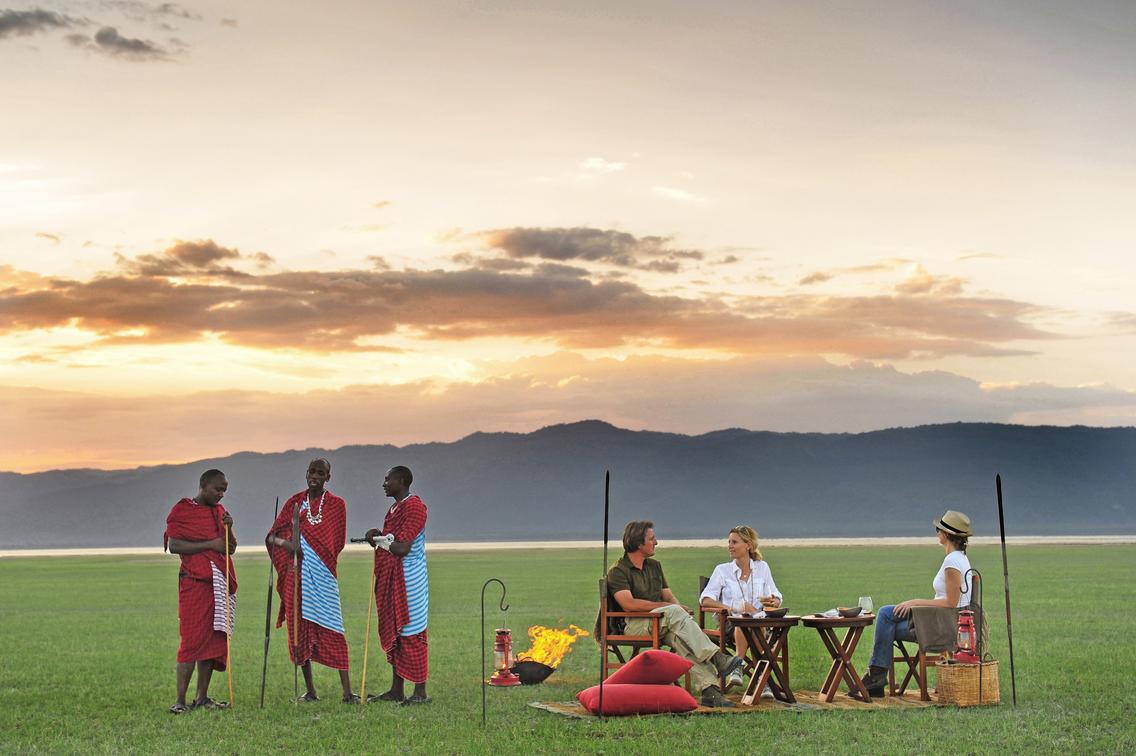
Echoes of Tradition: Journeys Among Tanzania's Hadza and Datoga
Culture
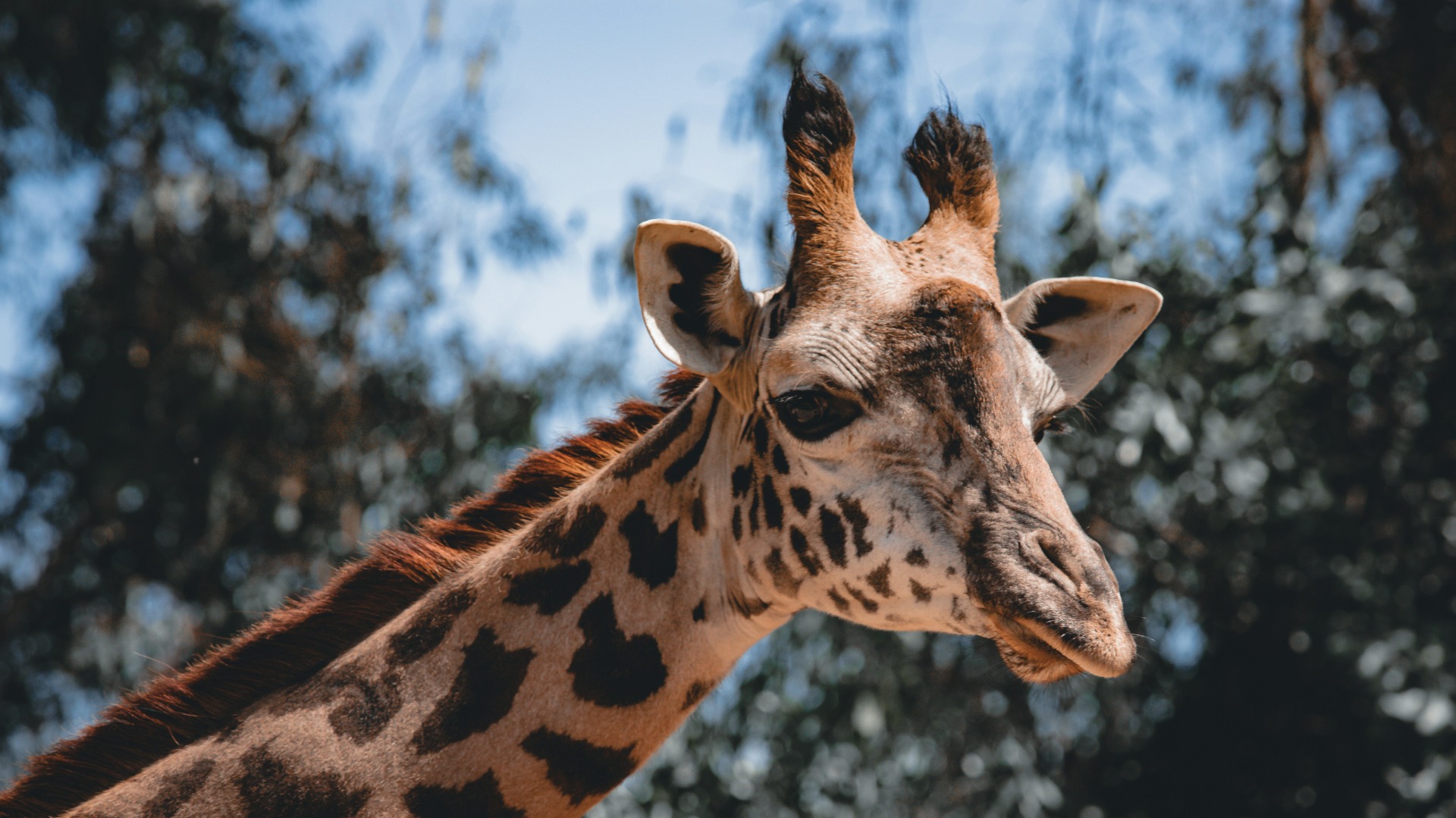
Exploring the Deep Links Between African Wildlife and Cultural Traditions
Culture
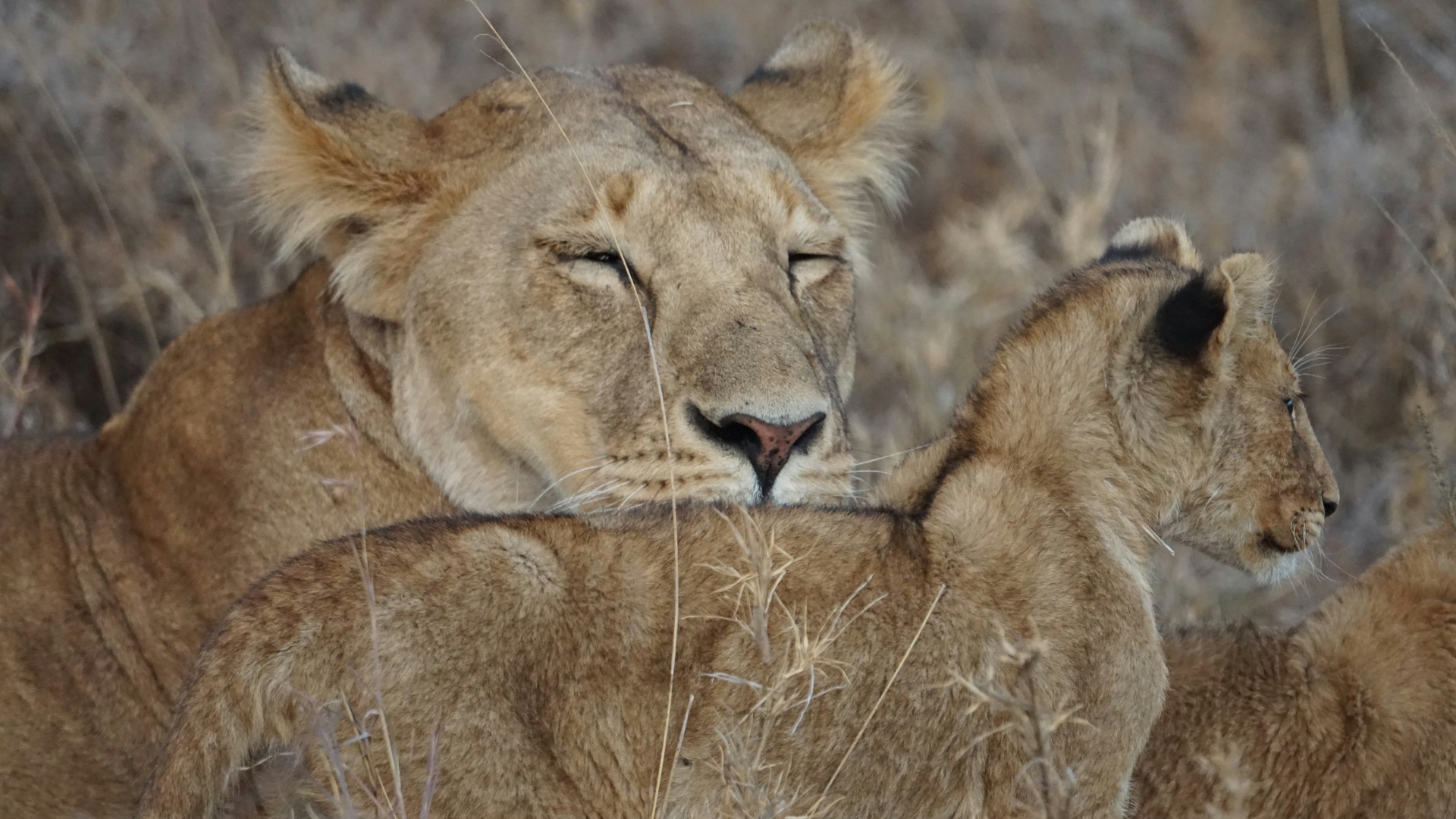
First-Time in Africa: How to Approach Local Customs and Wildlife with Confidence
Culture
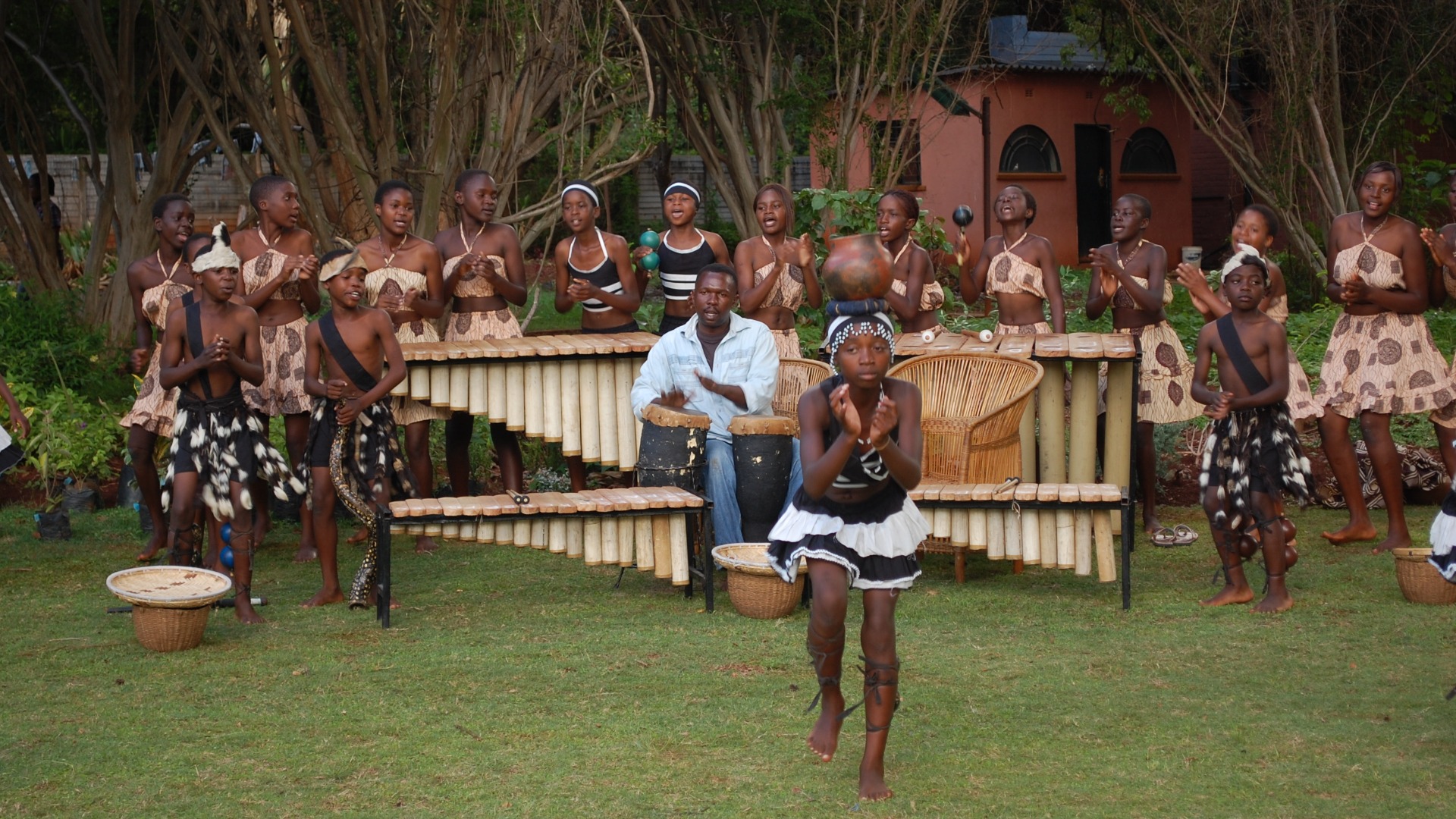
How a Mbira Melody and Rain Ceremony Reshape Your View of Zimbabwe
Culture
How a Single Maasai Ceremony Changed What I Expected From Kenya
Culture