Culture
Exploring the Deep Links Between African Wildlife and Cultural Traditions
Encounters Africa - 9 min read
Updated on 11 August 2026
African wildlife and cultural traditions share a bond that stretches back thousands of years. From the rhythmic lion dances of the Maasai to the intricate tracking knowledge passed down by the San people, communities across the continent have woven the lives of elephants, leopards, and vast migrating herds into their daily existence, stories, and spiritual practices. This relationship reveals a profound respect that shapes both conservation efforts and cultural identity today.
The deep links between African wildlife and cultural traditions demonstrate how animals are not merely resources but integral parts of social fabric, mythology, and environmental stewardship. In many societies, specific species embody ancestral spirits, guide seasonal movements, or serve as totems that define clan responsibilities. Understanding these connections enriches any journey with Kenya, South Africa or Botswana.
The Historical Foundations of Wildlife in African Societies
Long before colonial boundaries divided the land, African peoples observed wildlife with an acuity born of necessity and reverence. Hunters tracked herds across the Masai Mara following patterns that aligned with lunar cycles and rainfall, while gatherers in the Kalahari read animal behaviour to locate hidden water sources. These observations formed the bedrock of survival knowledge that was carefully transmitted through generations.
Rock art in the Drakensberg mountains of South Africa, some dating back more than 3,000 years, depicts eland antelope in trance-like states, illustrating how the San people viewed certain animals as bridges between the physical and spiritual worlds. Similar paintings in the Tsodilo Hills of Botswana show elephants and giraffes alongside human figures, suggesting ceremonial importance that continues to influence local beliefs.
Animals were never separate from us; they moved through our dreams, our dances, and our decisions about when to plant and when to move.
This intertwined history explains why many traditional calendars still revolve around wildlife events. The annual wildebeest migration in East Africa, involving roughly 1.5 million animals, has long signalled planting seasons for communities living along its path. Such patterns provided reliable indicators far more dependable than written records in pre-literate societies.

Symbolism and Totemism in African Cultural Traditions
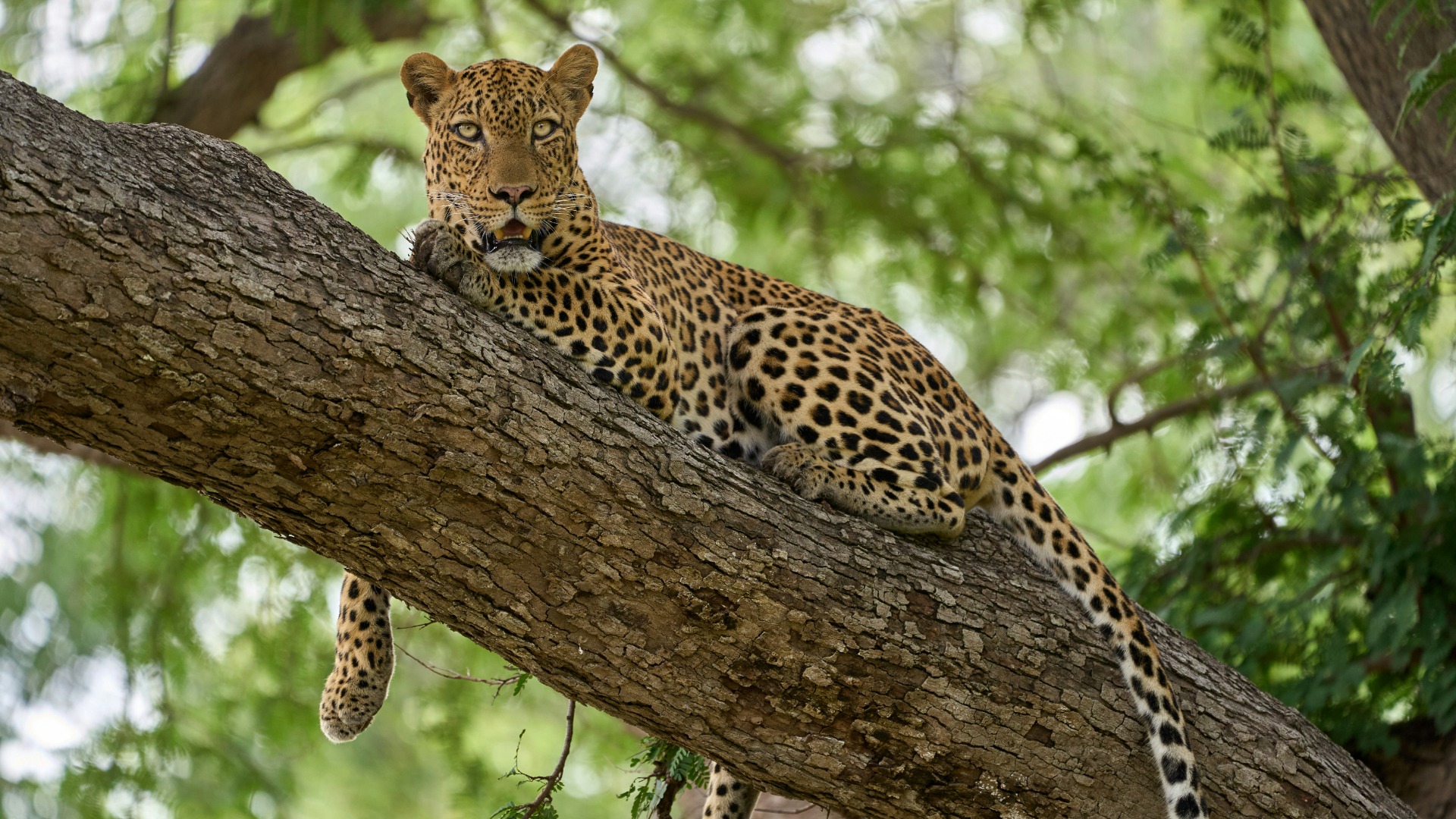
Across diverse ethnic groups, particular animals serve as powerful symbols carrying specific meanings and responsibilities. Among the Zulu of South Africa, the leopard represents royalty and courage, its spotted coat mirroring the varied patterns of chiefly authority. In contrast, the lion often embodies community leadership and protective strength in many pastoralist societies.
The Shona people of Zimbabwe maintain totem systems where families identify with specific animals, such as the elephant or crocodile, creating taboos against harming their totem species. These cultural protections have inadvertently contributed to localised conservation long before modern wildlife laws existed. Breaking such taboos was believed to bring misfortune not only to the individual but to the entire clan.
In Rwanda, certain monkey species feature in oral histories as messengers between worlds, while in Uganda, the chimpanzee holds significance in Buganda kingdom traditions. These symbolic associations foster a sense of kinship that discourages random exploitation and encourages sustainable interaction with the natural world.
Our totems do not own us, nor do we own them. We walk beside them in the circle of life, each carrying responsibilities to the other.
Wildlife in African Rituals and Ceremonies
Rituals throughout the continent frequently incorporate wildlife elements, from feathers and hides to carefully choreographed dances that mimic animal movements. The Maasai lion dance, performed by young warriors, celebrates both the bravery required to protect livestock and the spiritual power of the lion itself. These ceremonies mark important life transitions while reinforcing cultural values of courage and community protection.
Among the Himba of Namibia, specific animal fats and bones play roles in healing ceremonies and coming-of-age rituals. The precise knowledge of which species to use, and when, represents generations of accumulated pharmacological and spiritual wisdom. Such practices highlight how cultural traditions often contain practical ecological understanding.
In West Africa, the Yoruba people incorporate leopard imagery into their Egungun masquerades, honouring ancestors while acknowledging the predator's role in maintaining balance within the ecosystem. These performances serve both religious and educational purposes, teaching younger generations about wildlife behaviour through artistic expression.
Traditional Knowledge and Modern Conservation
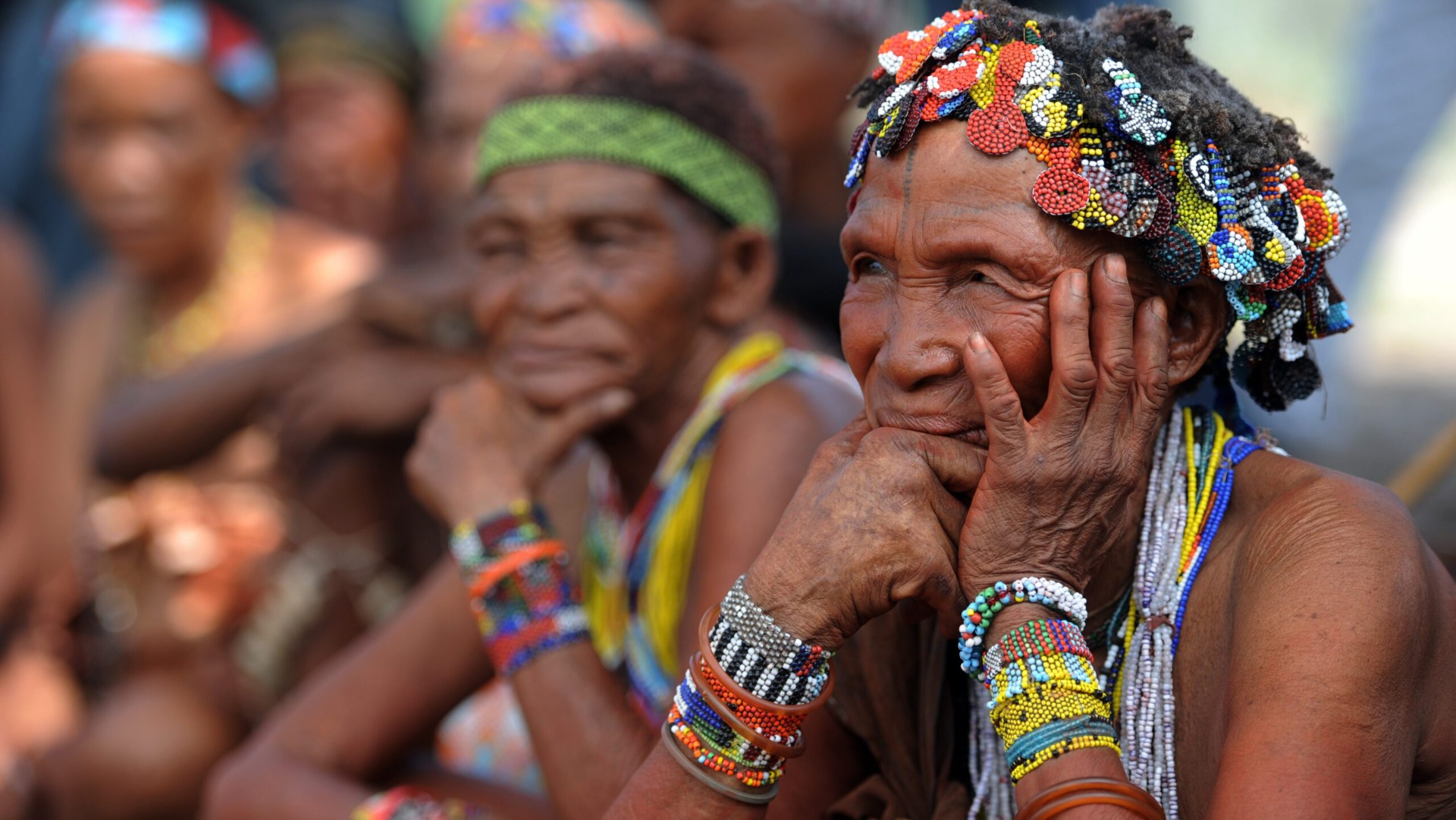
Indigenous tracking skills, honed over millennia, now complement scientific research in protected areas. San trackers in the Central Kalahari can identify individual animals from subtle spoor variations, information that has proven invaluable to researchers studying elusive species like the brown hyena. This collaboration between traditional knowledge holders and conservation scientists represents one of the most promising developments in African wildlife protection.
Community conservancies in Namibia and Kenya demonstrate how cultural values can drive successful conservation outcomes. The Lewa Conservancy works closely with local Samburu and Maasai communities, incorporating traditional governance structures into modern wildlife management. Since its establishment in 1983, black rhino numbers on Lewa have increased from 15 to over 170 individuals.
Similar successes appear in Botswana's Okavango Delta, where local communities participate in monitoring programmes that draw upon ancestral knowledge of water movements and animal migrations. These partnerships show how cultural traditions can enhance rather than conflict with contemporary conservation approaches.
Wildlife as Teachers: Cultural Lessons from Nature
African proverbs and stories frequently use animal behaviour to illustrate human virtues and failings. The patience of the crocodile, the cooperation of wild dogs, and the memory of elephants all serve as moral compasses within oral traditions. Children learn these tales around evening fires, absorbing ecological knowledge alongside ethical frameworks.
The San people's stories about the mantis god Kaggen reveal sophisticated observations of insect behaviour that parallel modern entomological findings. Their understanding of how certain beetles navigate by starlight, documented through oral tradition, predates scientific confirmation by centuries.
These narratives do more than entertain. They encode practical information about animal behaviour, seasonal changes, and sustainable resource use. A story about a greedy hyena might simultaneously warn against overconsumption while describing the scavenging role hyenas play in ecosystem health.
How Travellers Can Engage Respectfully with These Traditions
Visitors to Africa have unique opportunities to experience these cultural connections firsthand, but only when approaching them with genuine respect and curiosity. Participating in a traditional dance performance or listening to a San storyteller share tracking knowledge creates memorable moments that transcend typical safari activities.
Choosing experiences that support community-based initiatives ensures that cultural knowledge remains valued and economically viable. Lodges that partner with local communities, such as those in the Mara Naboisho Conservancy, often facilitate authentic interactions that benefit both visitors and residents.
Simple practices enhance these encounters: learning basic greetings in local languages, asking thoughtful questions rather than making assumptions, and recognising that not all cultural knowledge is shared with outsiders. The most rewarding experiences often arise from quiet observation and patient listening.
When we approach African cultures with humility, the wildlife we came to see begins to reveal its deeper meaning within living traditions that continue to evolve.
Common Questions About African Wildlife and Cultural Traditions
What is the connection between African wildlife and cultural traditions? African societies have historically viewed wildlife as kin rather than resources, incorporating specific animals into totems, rituals, proverbs, and seasonal calendars. This perspective fostered sustainable practices that protected species while meeting community needs, creating a relationship based on mutual respect that persists in many areas today.
How do traditional beliefs support wildlife conservation in Africa? Taboos against harming totem animals, seasonal hunting restrictions aligned with breeding cycles, and spiritual beliefs that certain species carry ancestral spirits have all contributed to de facto protected areas long before national parks existed. Modern conservancies increasingly build upon these foundations, combining indigenous knowledge with scientific management to achieve better outcomes for both people and wildlife.
Can travellers participate in cultural experiences involving wildlife? Yes, through carefully selected community programmes that maintain cultural integrity while generating income for local people. These might include learning traditional tracking skills, attending ceremonial dances, or hearing stories that explain the cultural significance of particular species. The key lies in choosing operators who work directly with communities and ensure fair benefit distribution.

Preserving the Bond Between Wildlife and Culture
The future of both African wildlife and its associated cultural traditions depends on recognising their fundamental interconnection. As younger generations move to cities and traditional knowledge systems face pressure from modernisation, deliberate efforts become necessary to maintain these living relationships.
Successful initiatives across the continent demonstrate that cultural revitalisation and wildlife conservation can reinforce one another. When young Maasai warriors learn both traditional lion dances and modern ecological monitoring techniques, they become powerful advocates for landscapes that support both their cultural identity and the animals within it.
Encounters Africa has witnessed how these connections enrich every safari experience. For discerning travellers seeking a private safari beyond our set itineraries, we invite you to contact us directly. We specialise in designing exceptional, tailor-made journeys for individuals, couples, families, and private groups of up to eight guests. Drawing on our handpicked network of distinguished camps and lodges, we curate every detail with precision and care, creating a seamless, deeply personal safari experience shaped entirely around your preferences, pace, and budget.
Consider exploring these living traditions during your next journey. Whether tracking with San guides in Botswana or learning about Maasai lion lore while watching prides hunt on the plains, these experiences offer something far richer than photographs. They provide glimpses into ways of understanding the natural world that have sustained both cultures and ecosystems for millennia.
The next time you watch elephants moving silently through acacia woodland or hear the distant roar of a lion at dusk, remember that these moments connect you to stories, dances, and knowledge systems that have shaped human relationships with the wild for countless generations. In Africa, wildlife and culture remain inseparable, each giving meaning to the other in an ancient dance that continues to this day.
More like this
Culture
First-Time in Africa: How to Approach Local Customs and Wildlife with Confidence
Culture
How a Mbira Melody and Rain Ceremony Reshape Your View of Zimbabwe
Culture
How a Single Maasai Ceremony Changed What I Expected From Kenya
Culture
How African Cultures and Wildlife Shape One Another Across Generations
Culture
How African Rituals Strengthen Wildlife Protection Across Generations
Culture