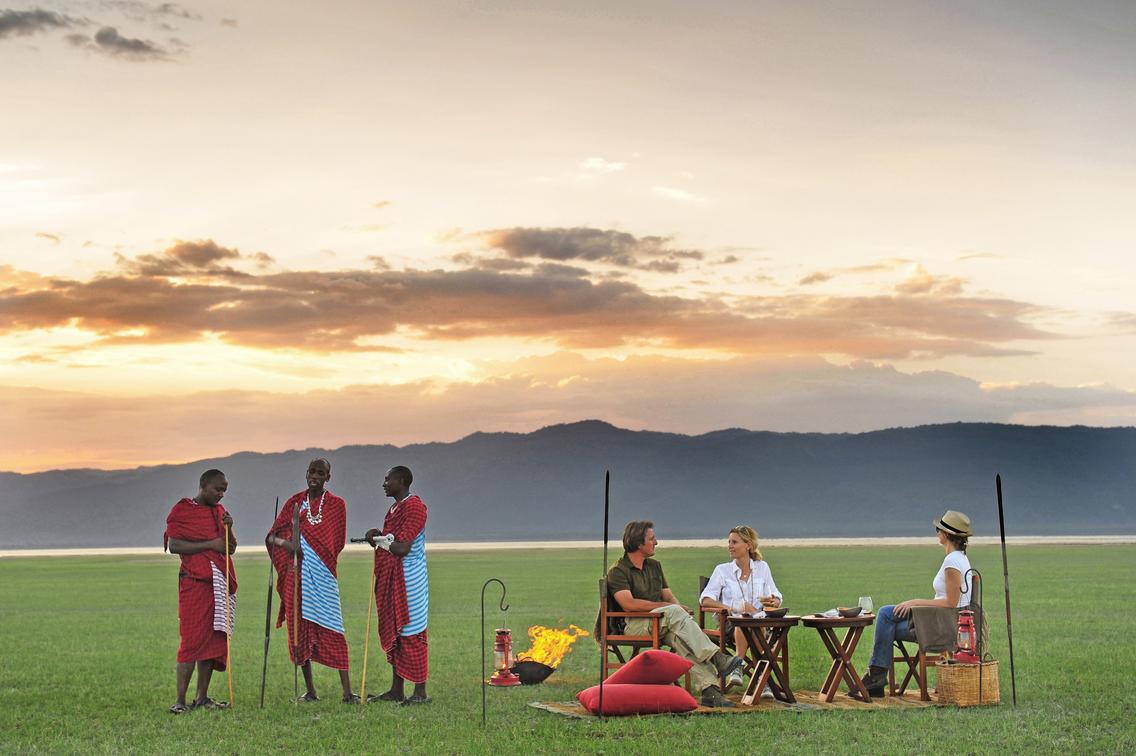
culture
Echoes of Tradition: Journeys Among Tanzania's Hadza and Datoga
Encounters Africa - 6 min read
Updated on 1 May 2026
Deep in the sun-baked rift valleys of Tanzania, cultural groups like the Hadza hunter-gatherers and Datoga pastoralists maintain ancient ways amid modern pressures. These resilient communities offer travellers profound glimpses into humanity's earliest rhythms, from foraging in Eyasi Basin to blacksmithing near Ngorongoro. Encounters Africa curates respectful encounters with Tanzania's cultural groups, blending luxury safaris with ethical immersion for discerning explorers seeking authentic connections.
With over 120 ethnic groups shaping its diverse tapestry, Tanzania stands as a living archive of African heritage. The Hadza and Datoga, in particular, embody traditions honed over millennia, their lives intertwined with the land's dramatic landscapes. This journey reveals their stories, inviting you to witness customs that echo across generations.
Origins and Enduring Legacy of the Hadza Hunter-Gatherers
The Hadza number around 1,000 individuals, one of the last true hunter-gatherer societies on Earth, residing primarily in the Eyasi Basin west of Ngorongoro Crater. For at least 10,000 years, they have roamed thornscrub woodlands, relying on bows, arrows, and acute tracking skills to hunt birds, small game, and gather wild honey and tubers. Their non-hierarchical bands move seasonally, leaving minimal footprint on the parched earth.
Daybreak reveals Hadza men slipping silently into the bush, arrows tipped with poison from desert rose plants piercing the air. Women forage for ekwa berries and dig for nutritious roots, their laughter mingling with birdsong. This egalitarian existence, free from possessions, challenges modern notions of progress, preserved against encroaching farms and livestock.
Encounters Africa arranges guided visits to Hadza camps, where travellers learn to shoot a bow or taste raw honey straight from the comb. These interactions emphasise mutual respect, supporting conservation efforts that safeguard their 1,300-square-kilometre territory.
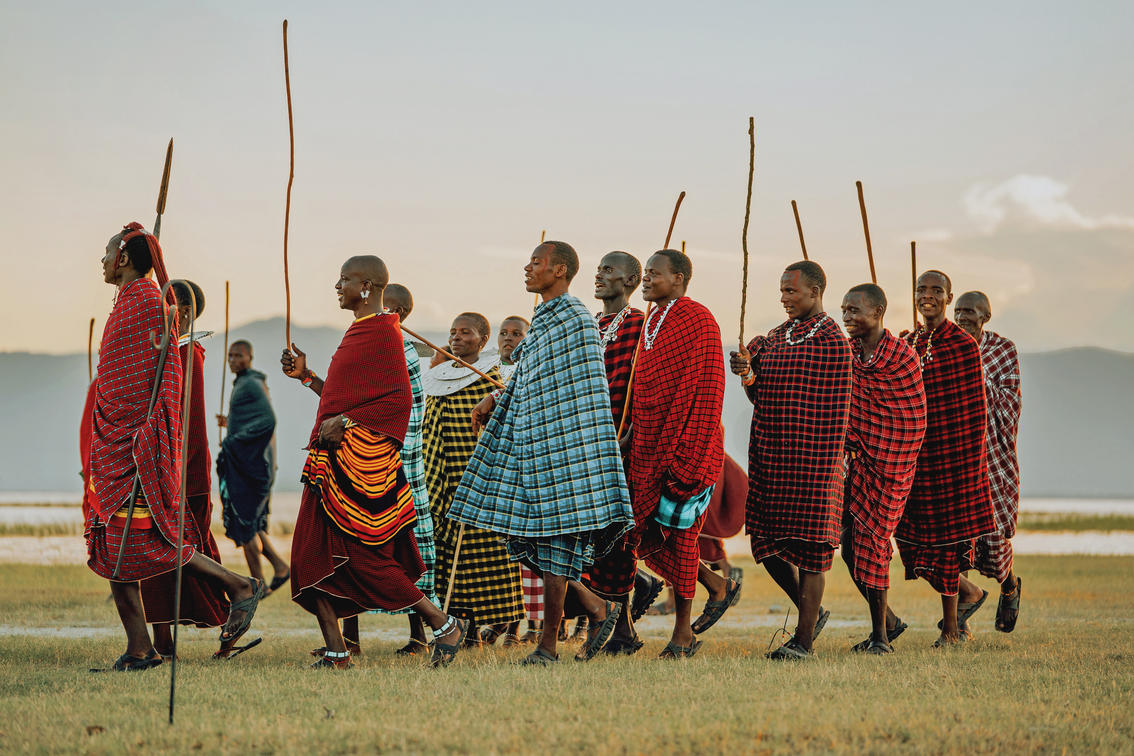
"In the Hadza's world, time bends to the hunt's whim—each arrow a thread in an unbroken lineage."
Datoga Pastoralists: Masters of Iron and Cattle
Nestled near Lake Eyasi and the highlands flanking Ngorongoro, the Datoga—numbering about 100,000—herd cattle, goats, and sheep across arid plains. Known as blacksmiths par excellence, they forge arrowheads, spears, and jewellery using rudimentary bellows and acacia charcoal furnaces passed down through male lineages. Their semi-nomadic life revolves around livestock, vital for bridewealth, milk, and status.
Women adorn themselves with intricate beaded collars and goatskin skirts, while men bear facial scars from initiation rites. Datoga homesteads of domed huts smeared with dung dot the landscape, smoke from cooking fires carrying scents of roasted meat and herbs. Despite pastoral prowess, droughts and land loss test their resilience.
Visitors witness Datoga forging sessions, the rhythmic clang of hammers on anvil echoing ancient skills. Encounters Africa ensures these experiences contribute to community projects, like water points, fostering sustainable cultural exchange.
Daily Rhythms: A Day with Tanzania's Cultural Groups
Hadza Foraging and Hunting Expeditions
Sunrise stirs Hadza camps into motion. Men depart for hunts, tracking dik-dik antelope by faint spoors, while women lead foragers to baobab groves heavy with fruit. Evenings bring communal dances around flickering fires, melodic chants invoking ancestors under starlit skies.
Travellers joining these outings tread lightly, observing protocols like seeking permission before photography. The best time for Hadza visits spans June to October, when dry conditions concentrate game and honey flows abundantly.
Datoga Herding and Craftsmanship
Datoga days begin with milking herds at dawn, the lowing of cattle blending with women's songs. Midday sees blacksmiths at work, sparks flying as they shape tools essential for survival. Afternoons involve herding to fresh pastures, children learning to read the wind's whisper on grass.
These rhythms persist despite challenges; over 40% of Datoga youth now attend schools blending tradition with literacy. Encounters Africa tailors visits to align with seasonal cattle markets, offering insights into bartering rituals.
Understanding these patterns equips travellers for meaningful interactions. What defines daily life among Tanzania's cultural groups? It's a seamless weave of survival, story, and spirit, adapted yet unbroken.
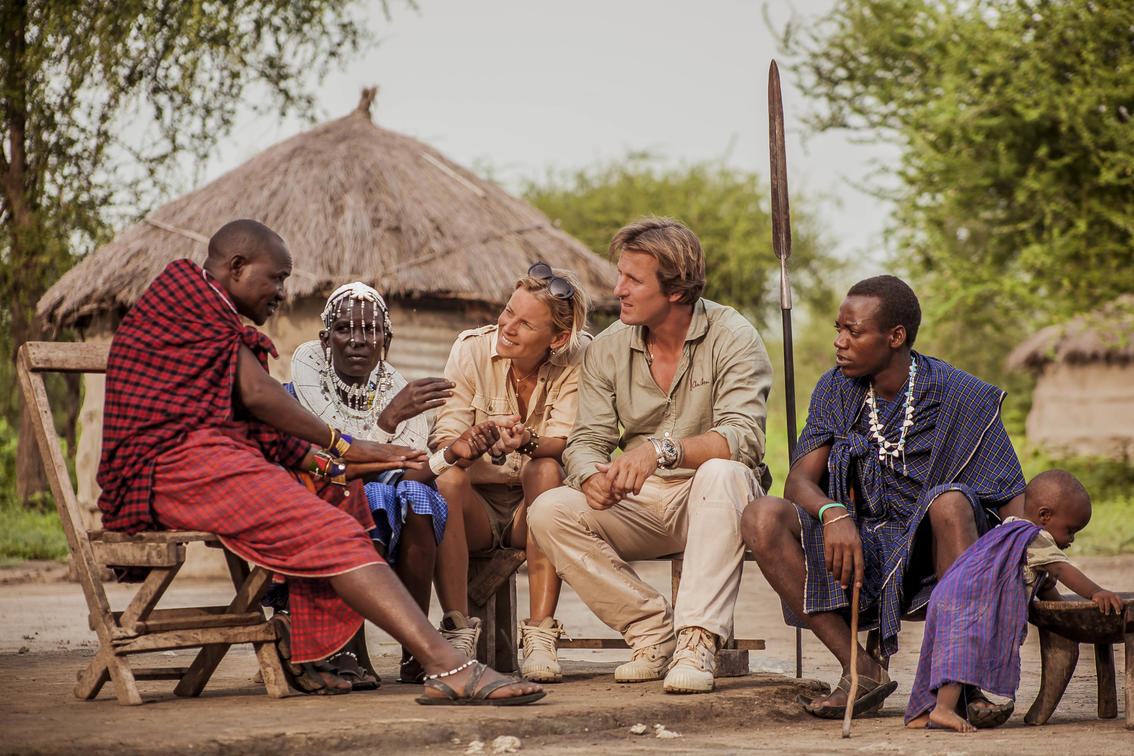
Preserving Traditions Amid Modern Pressures
Tanzania's cultural groups face habitat loss, with Hadza lands shrinking by 90% since the 1960s due to agriculture and tourism. Datoga grapple with wildlife conflicts, lions preying on livestock near conservation areas. Climate shifts exacerbate droughts, forcing adaptations like hybrid farming.
Conservation initiatives shine hope. The Tanzania Cultural Tourism Program empowers communities, generating income from guided treks—Hadza tours alone support 200 families annually. NGOs provide solar pumps and veterinary aid, bolstering resilience without eroding identity.
Encounters Africa partners with these efforts, directing safari proceeds to land trusts. Our luxury itineraries include cultural immersion alongside Ngorongoro Crater wildlife, ensuring journeys enrich both traveller and host.
"Traditions endure not in isolation, but through alliances with those who listen."
Planning Ethical Encounters with Hadza and Datoga
The best time to visit Tanzania's Hadza and Datoga is June to October, coinciding with dry weather and peak foraging. Fly into Arusha, then transfer by 4x4 to Eyasi Basin—two hours from Arusha. Pack modest clothing, sun protection, and insect repellent for bush comfort.
Book through specialists like Encounters Africa for vetted guides fluent in Swahili and local dialects.
Follow 'leave no trace' principles: no gifts that disrupt economies, only bartered trades.
Support via donations to community funds post-visit.
Combine with Serengeti safaris for a holistic Tanzania safari itinerary.
Ethical tourism sustains these groups; visitors spending ethically contribute £500,000 yearly to Eyasi communities. Avoid unguided treks—our experts navigate sensitivities, from gender customs to sacred sites.
Contrasts with Other Tanzanian Highland Cultures
Beyond Eyasi, the Chagga people terrace Kilimanjaro's fertile slopes, cultivating bananas and coffee since the 17th century. Their clan-based society features stone-walled compounds and initiation caves echoing with rites. Maasai nearby uphold moran warrior traditions, cattle raids giving way to guided patrols.
These highland groups contrast Hadza nomadism with settled agriculture, yet share reverence for land. Pare and Sambaa in the east weave baskets and brew banana beer, their hill forts testaments to defensive ingenuity.
Encounters Africa weaves these threads into bespoke journeys, perhaps pairing Datoga visits with luxury lodge stays in nearby reserves.
Embracing Tanzania's Cultural Mosaic
Journeys among Tanzania's Hadza and Datoga transcend observation, forging bonds across millennia. These cultural groups illuminate Africa's soul—resilient, rhythmic, rooted. As landscapes shift, their stories remind us of shared humanity.
For discerning travellers seeking private safaris beyond set itineraries, contact Encounters Africa directly. We specialise in designing exceptional, tailor-made journeys, curating seamless experiences shaped to your preferences. Reach out today to craft your immersive cultural odyssey.
More like this
Culture
Exploring the Deep Links Between African Wildlife and Cultural Traditions
Culture
First-Time in Africa: How to Approach Local Customs and Wildlife with Confidence
Culture
How a Mbira Melody and Rain Ceremony Reshape Your View of Zimbabwe
Culture
How a Single Maasai Ceremony Changed What I Expected From Kenya
Culture
How African Cultures and Wildlife Shape One Another Across Generations
Culture