Culture
First-Time in Africa: How to Approach Local Customs and Wildlife with Confidence
Encounters Africa - 8 min read
Updated on 11 August 2026
Stepping onto African soil for the first time brings both excitement and responsibility. For first-time travellers, respecting culture and wildlife forms the foundation of a meaningful journey, ensuring interactions with communities and animals leave positive impacts rather than unintended harm. This guide provides practical steps to approach local customs and wildlife with confidence, drawing on insights that enhance every encounter across the continent.
Africa's diverse societies and ecosystems reward those who arrive prepared to observe and learn. Whether you are drawn to the vast plains of Kenya or the waterways of the Okavango Delta, thoughtful preparation transforms a standard safari into an enriching cultural and natural experience. Encounters Africa has guided thousands of first-time visitors, helping them navigate these nuances with ease and respect.
Understanding the Importance of Cultural Sensitivity on Your First African Safari
Cultural sensitivity begins long before departure. Many communities across Southern and East Africa view visitors as temporary guests in spaces shaped by centuries of tradition. Approaching each interaction with genuine curiosity rather than assumption creates space for authentic exchanges that enrich both parties.
Simple gestures carry significant weight. Learning basic greetings in local languages demonstrates respect that often opens doors to warmer conversations. In many regions, elders hold central roles in community life, so acknowledging their presence and seeking permission before photographing people reflects an understanding of local values.
Respect is not something bestowed from a distance but practised in the small, daily moments that define genuine connection.
Photography etiquette deserves particular attention. Always ask before taking portraits, and be prepared that some communities may decline or request a small contribution in return. These moments of negotiation often lead to the most rewarding conversations about daily life and heritage.

Practical Ways to Engage Respectfully with Local Communities
When visiting villages or community-owned conservancies, dressing modestly shows awareness of local norms. Lightweight clothing that covers shoulders and knees is appropriate in many settings, particularly when attending ceremonies or entering homes. Your guide can offer specific advice tailored to each destination.
Supporting local economies strengthens community pride. Purchasing crafts directly from makers or through cooperative shops ensures that revenue reaches those who created the work. At Chobe Game Lodge, for instance, guests often discover beautiful items made by women from nearby villages, each piece telling its own story of skill and tradition.
Listening actively proves more valuable than speaking. Allow space for hosts to share their perspectives rather than imposing external viewpoints. Many first-time travellers return transformed by the warmth and wisdom shared during these exchanges.
Common Cultural Misunderstandings to Avoid
Pointing with fingers can sometimes be considered impolite. Instead, use an open hand or simply nod in the desired direction. In certain communities, using the left hand for eating or passing items carries different connotations, so following your host's lead prevents awkward moments.
Public displays of affection remain relatively private in many rural areas. Keeping physical contact discreet respects local comfort levels while allowing you to focus fully on the experience at hand. These small adjustments quickly become second nature.
Approaching Wildlife with Respect and Awareness
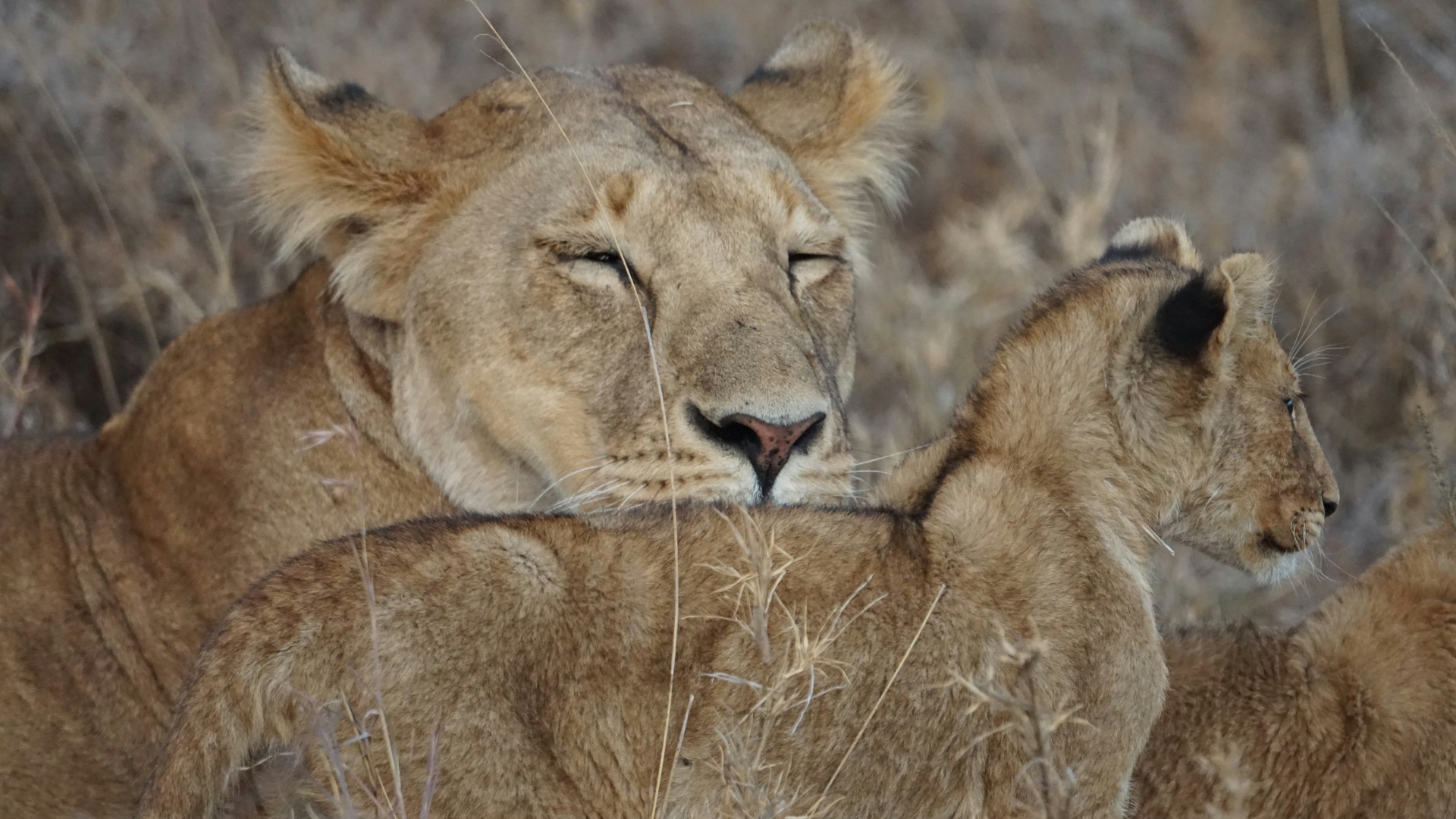
Wildlife encounters form the heart of many African journeys, yet they require mindfulness to avoid causing stress to animals. Maintaining safe distances allows creatures to behave naturally, offering more authentic sightings than forced proximity ever could. Responsible operators, including those partnered with Encounters Africa, enforce these guidelines rigorously.
Noise discipline matters enormously. Speaking in low voices and avoiding sudden movements prevents animals from retreating or becoming agitated. The quiet focus shared among guests often heightens the sense of wonder when a leopard appears or elephants pass nearby.
True wildlife appreciation lies not in collecting sightings but in allowing animals to remain undisturbed in their ancient rhythms.
Never feed wild animals, however tempting it might seem. Human food disrupts natural foraging patterns and can create dangerous dependencies. This principle applies whether you are watching monkeys in forested areas or lions on open plains.
Essential Guidelines for Game Drives and Walks
Stay within your vehicle during standard drives unless your guide indicates it is safe to disembark. Guides undergo extensive training to read animal behaviour and will position vehicles to maximise viewing while minimising disturbance. Following their instructions protects both you and the wildlife.
On walking safaris, maintain single file and avoid straying from the path. The presence of an armed guide ensures safety while their knowledge enriches your understanding of tracks, plants, and subtle signs that reveal the hidden life around you. These experiences often become the most memorable aspects of a first journey.
How Respecting Culture and Wildlife Enhances Your Experience
When travellers approach both culture and wildlife with consideration, the rewards multiply. Communities are more likely to share insights about their connection to the land, revealing layers of meaning that transform a simple game drive into something far richer. This mutual respect creates space for genuine cultural exchange.
Conservation gains strength through informed visitors. Understanding the intricate relationships between people and wildlife helps travellers appreciate the challenges faced by both communities and conservationists. Many who travel with Encounters Africa later become passionate advocates for the places they have visited.
The sensory details linger long after departure: the scent of rain on dry earth, the rhythmic calls of francolins at dawn, the warmth of shared laughter around a campfire. These memories gain depth when rooted in respectful engagement.
Common Questions First-Time Travellers Ask About Cultural and Wildlife Etiquette
What should I wear to show respect in African communities? Opt for modest clothing that covers shoulders and knees, particularly when visiting villages or participating in cultural activities. Neutral colours also help when observing wildlife, as bright patterns can sometimes startle animals. Lightweight, breathable fabrics prove most comfortable across varying climates.
Is it appropriate to take photographs of people I meet? Always ask permission first. Many communities welcome this when approached politely, and the resulting conversations often prove more valuable than the images themselves. Your guide can help facilitate these interactions respectfully.
How close should I get to animals during game drives? Stay at least 25 metres from large predators and 50 metres from elephants, though exact distances vary by species and situation. Professional guides maintain these buffers while positioning vehicles for optimal, ethical viewing. The best sightings often occur when animals remain relaxed and unaware of observation.
Can I bring gifts for communities we visit? Practical items such as school supplies or medical equipment coordinated through your operator often prove most useful. Random gifts can sometimes create unequal dynamics, whereas contributions supporting community projects create lasting benefit. Encounters Africa can advise on appropriate ways to give back meaningfully.
Preparing Mentally and Practically Before You Travel
Research broad cultural contexts before departure, but avoid rigid expectations. Every community and individual offers unique perspectives shaped by personal experience as much as tradition. Maintain openness to learning throughout your journey.
Pack with purpose. Beyond clothing suitable for both bush and village visits, bring an attitude of humility and patience. The African pace often differs from urban routines, and embracing this rhythm allows deeper appreciation of both cultural nuances and natural wonders.
Choose operators who demonstrate genuine commitment to responsible practices. Encounters Africa works exclusively with partners who prioritise community benefits and conservation standards, ensuring your journey supports the places and people you come to admire.

Embracing Africa with Openness and Respect
Your first journey to Africa offers an opportunity to witness extraordinary landscapes and meet remarkable people while contributing positively to their future. By approaching both culture and wildlife with awareness and respect, you become part of a tradition of responsible travel that helps safeguard these treasures for generations to come.
The memories formed through thoughtful engagement last far longer than any checklist of sightings. From watching a herd of elephants move silently through the Masai Mara at dusk to sharing stories with Maasai elders, each experience gains richness when met with genuine respect.
For discerning travellers seeking a private safari beyond our set itineraries, we invite you to contact us directly. We specialise in designing exceptional, tailor-made journeys for individuals, couples, families, and private groups of up to eight guests. Drawing on our handpicked network of distinguished camps and lodges, we curate every detail with precision and care, creating a seamless, deeply personal safari experience shaped entirely around your preferences, pace, and budget.
Begin your African journey with confidence by reaching out today. Visit our enquiry form to start a conversation about creating your perfect first experience. Whether you dream of cultural immersion in Rwanda or wildlife encounters in South Africa, Encounters Africa stands ready to craft a journey that honours both the land and its people.
More like this
Culture
How a Mbira Melody and Rain Ceremony Reshape Your View of Zimbabwe
Culture
How a Single Maasai Ceremony Changed What I Expected From Kenya
Culture
How African Cultures and Wildlife Shape One Another Across Generations

Culture
How African Rituals Strengthen Wildlife Protection Across Generations
Culture
Experiencing Botswana's Kgotla Tradition
Culture