Culture
How a Mbira Melody and Rain Ceremony Reshape Your View of Zimbabwe
Encounters Africa - 11 min read
Updated on 1 July 2026
The resonant notes of a mbira thumb piano drifting through the evening air, or the solemn chants of a rain-making ceremony under gathering clouds, capture something essential about Zimbabwe culture and traditions. These experiences quietly recalibrate how visitors perceive identity, community and respect in a land shaped by deep ancestral ties and resilient spirit. A spirit medium’s invocation during a rain-making ceremony or the communal sharing of sadza under a thatched roof can quietly shift how visitors understand identity, respect, and connection in Zimbabwe culture and traditions.
Far from static museum displays, Zimbabwean heritage lives in the present moment. It reveals itself through precise rituals, shared meals and melodic storytelling that have endured for centuries. For those travelling with Encounters Africa, engaging with these elements adds profound layers to any journey across the country’s varied landscapes.
The Enduring Voice of the Mbira
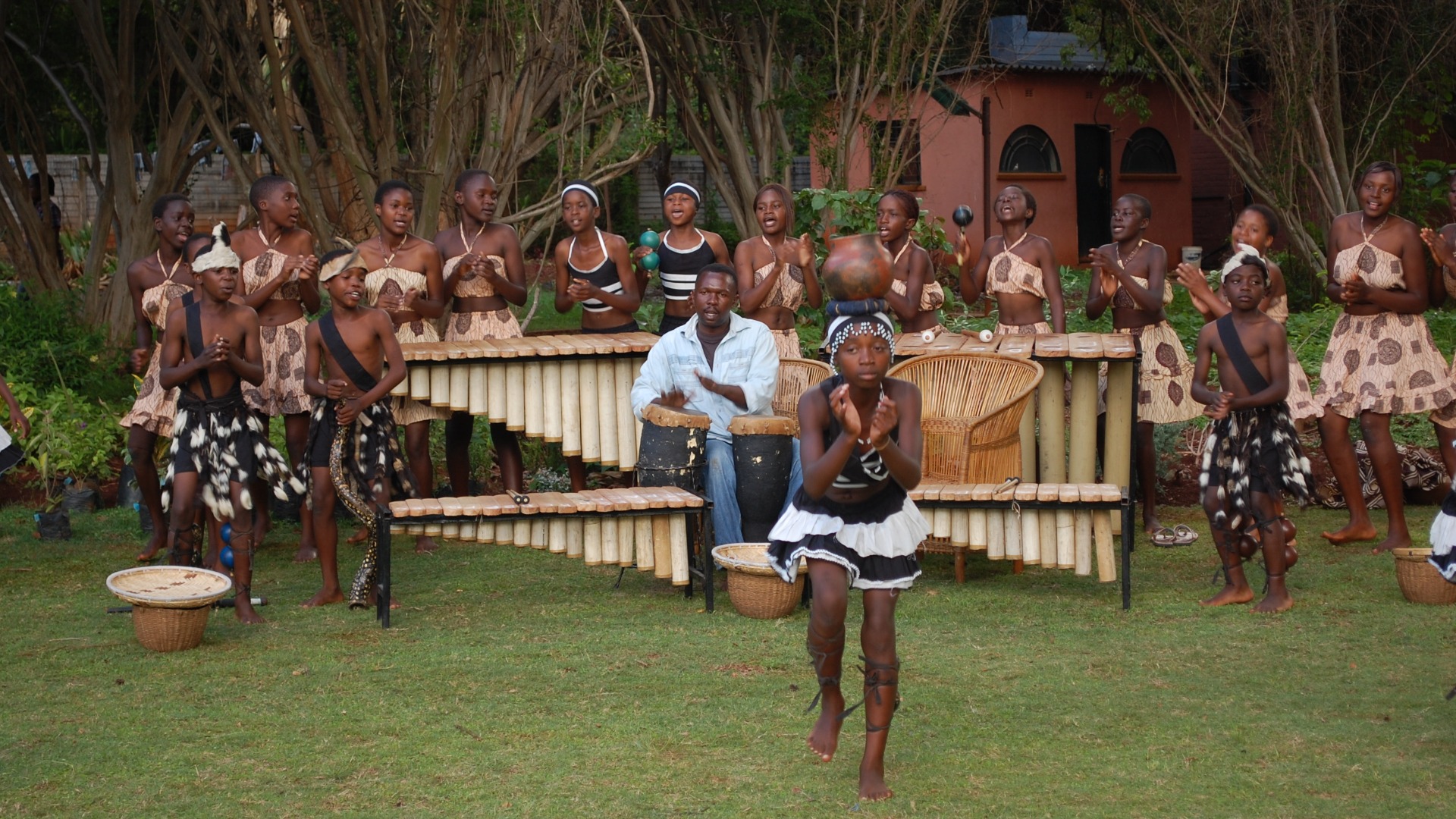
The mbira, often called the “voice of the ancestors,” produces a complex, hypnotic sound that seems to echo from both past and present. Crafted from a wooden soundboard with metal keys, this instrument features in spiritual ceremonies, social gatherings and contemporary music alike. Its metallic tones, amplified by a gourd resonator, create layered melodies that can induce trance-like states during important rituals.
In many Shona communities, the mbira serves as a bridge between the living and the ancestral realm. Master musicians, known as maridzambira, spend years perfecting techniques passed through generations since at least the 16th century. The instrument’s seven to twenty-two keys produce distinct harmonic patterns that correspond to specific spirits or occasions.
The mbira does not simply entertain; it summons memory, mediates conflict and restores balance within the community.
Visitors fortunate enough to witness an intimate mbira performance often describe a visceral shift in perception. The music seems to vibrate through the body, connecting listeners to something larger than the immediate setting. At certain lodges, carefully arranged evening sessions allow travellers to hear these ancient melodies beneath starlit skies, fostering genuine appreciation rather than passive observation.
Learning the Instrument’s Language
Understanding the mbira requires more than listening. Each tune carries specific cultural weight. “Chemutengure,” for instance, tells of a man transformed into a donkey, while other compositions honour particular ancestors or mark seasonal transitions. This complexity rewards those willing to learn even basic principles during their stay.
Encounters Africa can arrange meetings with respected musicians who demonstrate both traditional and modern applications of the instrument. These interactions often evolve into lively discussions about how the mbira has influenced global genres from jazz to rock. The experience transforms abstract cultural knowledge into something deeply personal and memorable.

Rain Ceremonies and Spiritual Ecology
Among the most powerful expressions of culture in Zimbabwe are the rain-making ceremonies conducted by spirit mediums known as svikiro. These rituals, performed during the dry season, invoke ancestral spirits to bring life-giving rains to parched lands. The ceremonies blend music, dance, specific herbs and precise protocols developed over countless generations.
In the rural areas surrounding Matobo Hills and parts of Manicaland, these events remain vital to agricultural communities. The medium, often a woman, becomes temporarily possessed by a rain spirit, delivering messages about when and where the rains will fall. The atmosphere during these gatherings crackles with both reverence and anticipation.
These ceremonies remind us that Zimbabwe culture and traditions view humans not as separate from nature, but as active participants in an interconnected spiritual ecology.
The sensory details linger long after the event: the scent of burning herbs, the rhythmic clapping that builds to a crescendo, the sudden stillness when the spirit speaks. For visitors, witnessing such a ceremony represents a rare window into a worldview where the spiritual and practical exist in seamless unity.
The Role of Ancestral Spirits
Zimbabwean cosmology recognises multiple layers of spiritual beings, from personal family ancestors to powerful territorial spirits. Rain ceremonies honour these entities while reinforcing social bonds and environmental stewardship. The rituals typically include offerings of traditional beer, snuff and specific foods presented with exacting care.
Modern adaptations have emerged as communities balance tradition with contemporary needs. Some spirit mediums now incorporate mobile phones to coordinate with distant family members, demonstrating the living, evolving nature of these practices. This adaptability forms a central characteristic of Zimbabwe culture and traditions.
The Communal Language of Sadza and Shared Meals
Beyond music and ceremony, daily food practices reveal much about Zimbabwean values. The preparation and consumption of sadza, a stiff maize porridge, follows patterns that emphasise community, respect and proper social order. Watching women pound grain or stir the thick porridge over open fires offers insight into gendered roles and generational knowledge transfer.
Meals typically unfold around a central dish from which everyone eats, reinforcing bonds of kinship and hospitality. The accompanying relish—perhaps a spicy vegetable mix, dried fish or game meat—reflects both local availability and seasonal abundance. These shared moments around the fire or under thatch create natural opportunities for storytelling and knowledge exchange.
In the simple act of breaking sadza together, travellers witness how Zimbabwe culture and traditions transform ordinary sustenance into a daily reaffirmation of community ties.
Encounters Africa frequently incorporates village visits where travellers can participate in meal preparation and enjoy conversations with local families. These experiences move beyond observation to genuine participation, creating connections that often continue long after departure through exchanged contacts and shared photographs.
Seasonal Foods and Festival Feasts
Certain dishes appear only during specific celebrations, linking culinary traditions to the agricultural calendar. The first fruits ceremonies, for example, feature special preparations that acknowledge the ancestral spirits before the community consumes the new harvest. These practices maintain a respectful relationship with both land and lineage.
Urban adaptations have emerged in Harare and Bulawayo, where contemporary chefs reimagine traditional ingredients for modern palates while preserving core flavours and techniques. This creative evolution demonstrates how Zimbabwe culture and traditions continue developing without losing their essential character.
Dance as Living History
The Jerusarema dance, with its intricate footwork and rhythmic intensity, tells stories of migration, conflict and resilience through movement. Performed by both men and women in colourful attire, this dance once served military training purposes before transforming into a celebrated cultural expression. Its energetic style contrasts beautifully with the more contemplative mbira performances.
Other regional dances reflect the diversity within Zimbabwe culture and traditions. The Shangaan people of the southeast maintain distinctive styles featuring elaborate beadwork and precise choreography, while Ndebele communities in the west preserve different rhythmic patterns and costumes. Each form carries specific meanings and historical context.
Professional troupes in major centres offer polished performances for visitors, yet the most rewarding experiences often occur in rural settings where dance remains integrated into life’s important milestones. Wedding celebrations, initiation rites and harvest festivals all feature dancing as essential components rather than entertainment afterthoughts.
Learning Through Participation
Many visitors discover unexpected joy attempting basic dance steps under patient instruction from local performers. These lighthearted moments break down barriers and create shared laughter that transcends language differences. The physical experience of moving to traditional rhythms provides insights no guidebook could convey.
Encounters Africa works with respected cultural practitioners who ensure that such interactions occur with proper context and respect. This thoughtful approach distinguishes genuine cultural engagement from superficial performances arranged solely for visitors.

Contemporary Expressions of Ancient Traditions
While deeply rooted in history, Zimbabwe culture and traditions continue finding new forms of expression. The stone sculpture movement that emerged in the 1950s and 60s draws inspiration from Shona mythology while embracing modernist techniques. Works by artists like the late Nicholas Mukomberanwa command international recognition and substantial value.
Similarly, contemporary musicians blend mbira sounds with electronic elements, hip-hop beats and jazz improvisation. These fusions attract younger audiences while maintaining connections to ancestral sources. The resulting music offers a soundtrack for modern Zimbabwean identity that honours the past while addressing present realities.
Literature and theatre also play vital roles in preserving and interrogating cultural heritage. Writers like Yvonne Vera and Tsitsi Dangarembga have explored complex questions of tradition, gender and change through powerful narratives that resonate both locally and internationally.
Supporting Living Artists
Thoughtful travellers seek opportunities to engage directly with working artists rather than simply purchasing souvenirs. Studio visits in Harare’s vibrant arts district or meetings with sculptors near Great Zimbabwe provide context for the work while offering direct economic support to practitioners.
Encounters Africa can facilitate introductions to selected artists whose work reflects authentic engagement with Zimbabwe culture and traditions. These encounters often prove among the most memorable aspects of any journey, revealing the creative spirit that continues animating this remarkable nation.
What Visitors Commonly Ask About Zimbabwe Culture and Traditions
How can I experience Zimbabwean culture respectfully? The most meaningful encounters happen when visitors approach with genuine curiosity and willingness to learn rather than simply observe. Working with knowledgeable operators like Encounters Africa ensures that interactions occur with appropriate permissions and cultural guidance. Always follow your host’s lead regarding photography, participation and appropriate behaviour.
Is it appropriate to attend a rain-making ceremony? Access to these sacred events requires careful negotiation and community approval. Not all ceremonies welcome outsiders. When possible, Encounters Africa arranges visits to related but less restricted cultural expressions that still convey the spiritual foundation of these practices.
How has modernisation affected traditional practices? Zimbabwe culture and traditions demonstrate remarkable adaptability. While certain ceremonies have evolved, core values of respect for ancestors, community welfare and environmental harmony remain consistent. Contemporary expressions often blend old and new elements in creative ways.
What should I bring when visiting villages? Small, practical gifts such as school notebooks, seeds for planting or basic medical supplies show thoughtful appreciation. Avoid sweets or money distributed indiscriminately, which can create awkward dynamics. Your genuine interest and respectful presence represent the most valuable offering.
Integrating Cultural Experiences Into Your Safari
The most rewarding journeys combine Zimbabwe’s renowned wildlife encounters with meaningful cultural engagement. After tracking elephants in Hwange or exploring the mighty Victoria Falls, spending time in nearby communities provides valuable context for the landscapes you’ve traversed. This balanced approach creates richer, more nuanced memories.
Encounters Africa specialises in designing seamless itineraries that weave cultural elements throughout your journey. Whether beginning with a performance in Harare before heading to the wilderness or concluding with a village visit after days in the bush, these thoughtfully structured experiences maximise both enjoyment and understanding.
The country’s compact size allows efficient travel between wildlife areas and cultural heartlands. A typical two-week journey might include time at Baines' River Camp along the Zambezi, exploration of Matobo Hills with their sacred rock formations, and village visits near the spectacular Eastern Highlands.
Cultural understanding transforms a good safari into an experience that resonates on multiple levels, creating connections that extend far beyond the duration of your visit.
For discerning travellers seeking a private safari beyond our set itineraries, we invite you to contact us directly. We specialise in designing exceptional, tailor-made journeys for individuals, couples, families, and private groups of up to eight guests. Drawing on our handpicked network of distinguished camps and lodges, we curate every detail with precision and care, creating a seamless, deeply personal safari experience shaped entirely around your preferences, pace, and budget.
Opening New Perspectives
The mbira’s complex melodies and the focused intensity of a rain ceremony offer more than interesting diversions from wildlife viewing. They provide entry points into a sophisticated worldview that values harmony, respect and connection above individual achievement. These encounters often become the most treasured memories of time spent in Zimbabwe.
By approaching these traditions with openness and humility, visitors gain insights that fundamentally reshape their understanding not only of Zimbabwe culture and traditions but of their own place within a wider human story. The country’s heritage, both ancient and vibrantly alive, rewards those willing to listen, observe and participate with care.
Whether hearing the mbira under a baobab tree at dusk or sharing sadza with new friends in a village compound, these moments create bridges across cultures. They remind us that the most profound travel experiences often happen not in dramatic wilderness settings but in the quiet spaces where human connection flourishes.
Encounters Africa stands ready to facilitate these transformative experiences through our extensive network of cultural practitioners and community partners. We believe that responsible, informed engagement with living traditions enriches every journey while supporting the preservation of Zimbabwe’s remarkable heritage for future generations.
For those looking for a private safari beyond our set itineraries, we would be delighted to hear from you directly. We specialise in creating beautifully tailored journeys for solo travellers, couples, families, and private groups of up to eight guests. Through our trusted network of carefully selected camps and lodges, we craft each safari around your individual interests, preferred pace, and budget, ensuring a seamless and deeply personal experience from beginning to end. Please visit our enquiry form to begin planning your own meaningful encounter with the living heart of Zimbabwe.
More like this
Culture
How a Single Maasai Ceremony Changed What I Expected From Kenya
Culture
How African Cultures and Wildlife Shape One Another Across Generations
Culture
How African Rituals Strengthen Wildlife Protection Across Generations
Culture
Experiencing Botswana's Kgotla Tradition
Culture
How Centuries of Migration and Trade Forged the Distinct Layers of Tanzanian Culture
Culture