Culture
How a Single Maasai Ceremony Changed What I Expected From Kenya
Encounters Africa - 9 min read
Updated on 3 July 2026
Kenyan cultural practices remain vibrant threads in a nation balancing ancient heritage with rapid modernisation. During one rain-making ritual in the arid north, generations of elders and young initiates moved in perfect sync. The experience revealed how Kenyan cultural practices anchor identity in a country racing toward tomorrow.
From the sweeping plains of the Masai Mara to the forested slopes of Mount Kenya, more than 40 ethnic communities maintain distinct traditions that shape daily life, rites of passage and seasonal celebrations. These living expressions of identity offer travellers far richer encounters than any wildlife drive alone. At Encounters Africa we have witnessed how respectful engagement with Kenyan cultural practices transforms a standard safari into a profoundly memorable journey.
The Personal Power of a Single Maasai Ceremony
I had arrived in southern Kenya expecting the usual safari checklist: lions at dawn, herds crossing the river, sundowners with dramatic backdrops. Instead, an invitation to witness a Maasai eunoto ceremony quietly upended every assumption. Over two days I watched young warriors, freshly graduated from moran status, receive new names and responsibilities while elders recited genealogies stretching back fourteen generations.
The air carried the sharp scent of woodsmoke and fermented milk. Bare feet stamped rhythmic patterns into red earth as voices rose and fell in call-and-response. What struck me most was the absolute absence of performance for outsiders; this was community business, conducted with the same solemnity it has held for centuries. That single ceremony taught me that Kenyan cultural practices are not relics but active frameworks for belonging.
Respectful participation in ceremony reveals more about Kenya than any guidebook ever could.
Understanding Kenya’s Living Cultural Mosaic
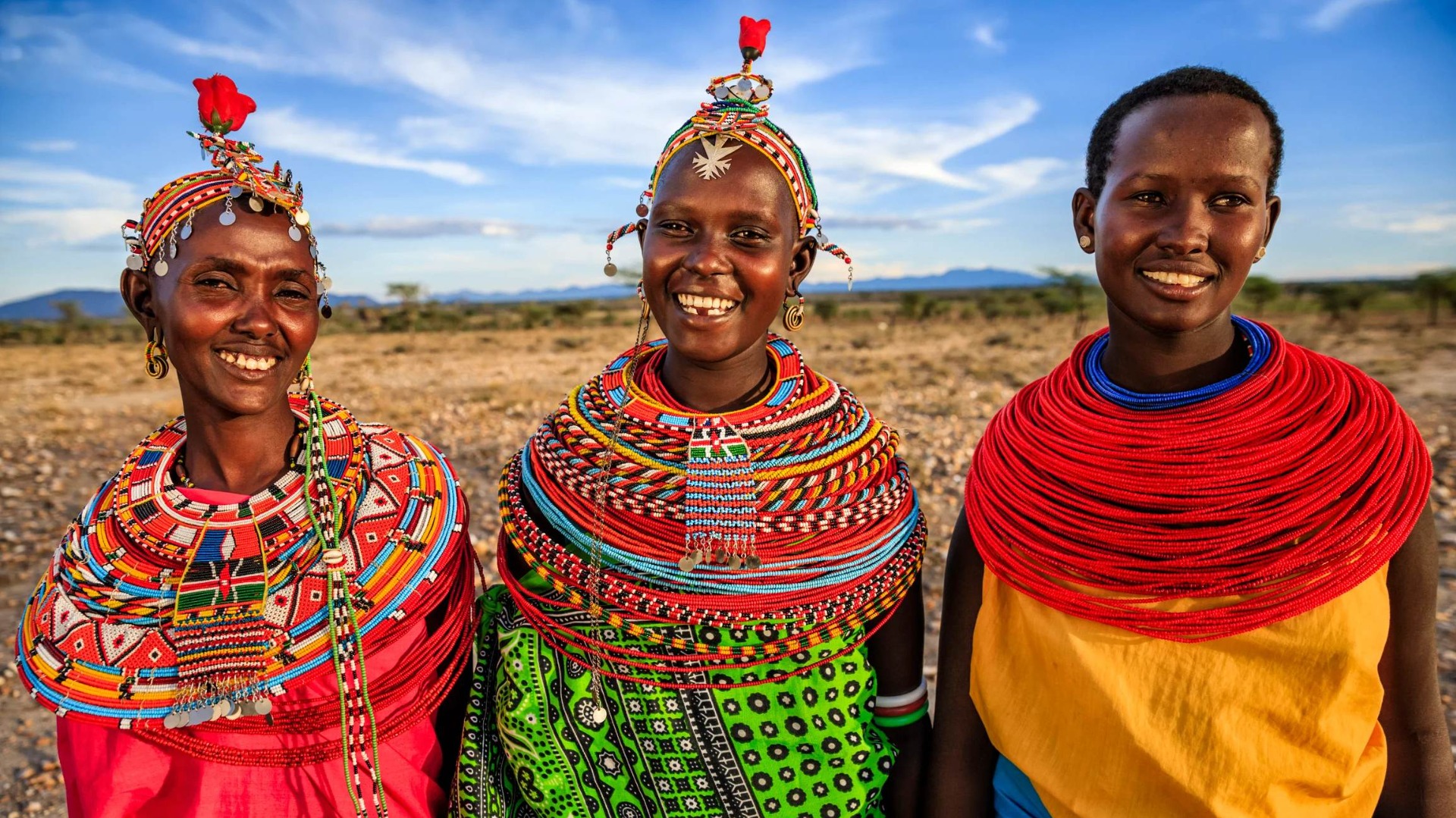
Kenya’s cultural landscape reflects its extraordinary ethnic diversity. The Kikuyu, Kenya’s largest community numbering roughly seven million, maintain intricate age-set systems and initiation rites that mark the transition from childhood to adulthood. Further north, the Samburu continue semi-nomadic pastoralism, their beadwork and hairstyles signalling everything from marital status to warrior rank.
Along the coast, Swahili culture blends African, Arab and Persian influences visible in taarab music, elaborate henna designs and the annual Maulidi festival celebrating the Prophet’s birth. In western Kenya, the Luo people’s rich musical heritage and elaborate funeral rites honour ancestors while guiding the living. Each group’s practices respond to both environment and history, creating a tapestry that feels simultaneously ancient and immediate.
Modern pressures test these traditions. Urban migration sees young professionals returning to rural homes for key ceremonies, while climate change forces herding communities to adapt migration routes. Yet the core meanings persist, demonstrating remarkable resilience.
Why Kenyan Cultural Practices Matter in a Changing Nation
Far from being decorative, these practices serve practical purposes. They transmit ecological knowledge, reinforce social cohesion and provide moral frameworks in times of uncertainty. When drought strikes, Pokot rain-makers still perform ceremonies that double as community planning sessions. Among the Turkana, naming rituals strengthen kinship ties that function as social safety nets across vast distances.
Understanding this context helps travellers move beyond surface-level appreciation toward genuine respect. Kenyan cultural practices are not museum pieces but dynamic responses to contemporary realities.

Key Kenyan Cultural Practices Every Thoughtful Traveller Should Recognise
Several traditions particularly reward respectful engagement. The Maasai ilmorijo, or blessing ceremonies, welcome visitors who approach with genuine curiosity rather than cameras at the ready. Similarly, witnessing a Giriama spirit-possession dance on the coast offers insight into syncretic belief systems that blend traditional religion with Islam and Christianity.
Beadwork across communities functions as both art and language. Colours and patterns convey specific messages: red for warriors, blue for water and sky, white for peace. Learning even basic meanings transforms market purchases into meaningful exchanges.
Kenyan cultural practices function as living libraries, preserving knowledge that no written text could adequately capture.
Rites of Passage That Define Identity
Circumcision ceremonies among the Kikuyu and Kalenjin mark more than physical transition; they establish lifelong bonds between age-mates who support one another through every subsequent life stage. These events typically occur between ages 14 and 18, following months of instruction in cultural values, medicinal plants and community responsibilities.
Among the Samburu, girls’ initiation has evolved significantly in recent decades. Many communities now combine traditional elements with formal education, demonstrating how Kenyan cultural practices adapt while retaining symbolic power. Travellers can support these positive changes by purchasing directly from women’s beadwork cooperatives established to provide economic alternatives to early marriage.
Respectful Engagement: Practical Guidelines for Visitors
Approaching Kenyan cultural practices requires thoughtfulness rather than checklists. Always seek permission before photographing people or ceremonies. A simple greeting in the local language, even if imperfectly pronounced, signals respect that opens doors closed to those who treat communities as backdrops.
Timing matters enormously. Many ceremonies follow lunar cycles or seasonal patterns rather than fixed calendars. Working with experienced operators ensures visitors arrive at appropriate moments without disruption. At Encounters Africa we maintain long-standing relationships with community leaders precisely to facilitate these meaningful connections.
Consider bringing small, practical gifts rather than sweets or money. Quality notebooks, pens, solar lights or medical supplies demonstrate genuine interest in community wellbeing. Most importantly, listen more than you speak. The stories shared during quiet moments around evening fires often prove more illuminating than any staged performance.
Common Missteps and How to Avoid Them
Many visitors inadvertently cause offence by wearing inappropriate clothing to sacred sites or assuming all dances are for entertainment. Traditional ceremonies often carry spiritual weight that casual photography can undermine. Learning basic protocols before arrival prevents awkward situations and demonstrates the respect these rich traditions deserve.
Commercialisation presents another challenge. Some villages have developed tourism programmes that, while providing income, risk turning sacred practices into spectacle. Supporting community-owned initiatives rather than external operators helps ensure benefits remain within the groups themselves.
The Intersection of Conservation, Culture and Tourism
Kenyan cultural practices and wildlife conservation increasingly intertwine. In the Laikipia region, conservancies work with Maasai and Samburu communities to protect both cultural heritage and endangered species. Revenue from responsible tourism funds school bursaries, healthcare and livestock improvement programmes that reduce pressure on wildlife habitats.
The Ol Pejeta Conservancy exemplifies this approach, employing local rangers who maintain traditional ecological knowledge while adopting modern monitoring techniques. Their success demonstrates how Kenyan cultural practices can strengthen rather than compete with conservation goals.
Similarly, cultural tourism initiatives in coastal communities help protect marine areas by providing alternatives to destructive fishing methods. When travellers engage thoughtfully, their presence can genuinely support the continuity of traditions that have protected landscapes for generations.
Kenyan cultural practices and environmental stewardship share common roots in respect for the land and its rhythms.
How a Single Experience Ripples Outward
That initial Maasai ceremony in the shadow of the Ngong Hills fundamentally altered how I experience Kenya. No longer could I view the landscape as mere scenery or its people as colourful extras in a wildlife drama. Every acacia tree, every cattle track, every bead now carried layers of meaning accumulated over centuries.
Subsequent journeys have only deepened this appreciation. Watching Luo fishermen on Lake Victoria perform libations before casting nets, joining a Swahili wedding procession in Lamu, learning the intricate protocols of a Pokot elder’s council; each encounter reinforced how Kenyan cultural practices create the country’s true character.
Planning Your Own Culturally Rich Kenyan Journey
Creating a safari that meaningfully engages with Kenyan cultural practices requires careful planning and trusted partnerships. The dry season from June to October generally offers optimal conditions for both wildlife viewing and outdoor ceremonies, though many rituals follow their own calendars. Flexibility proves essential.
Working with specialists who maintain genuine community relationships makes all the difference. At Encounters Africa we collaborate directly with village elders and cultural custodians rather than intermediaries, ensuring visitors receive authentic invitations rather than staged performances.
Consider combining cultural experiences with traditional safari elements. A morning tracking rhinos with Samburu warriors in Samburu National Reserve followed by an afternoon learning traditional plant medicine creates connections impossible to achieve through either activity alone.
Questions Travellers Commonly Ask About Kenyan Cultural Practices
Is it appropriate to attend traditional ceremonies as an outsider? When invited by community leaders through reputable operators, yes. Such invitations reflect trust and offer rare windows into living heritage. Never assume access; always wait for genuine welcome.
How can I ensure my visit benefits communities directly? Choose experiences organised by community conservancies or cooperatives. Purchasing crafts directly from makers, hiring local guides and supporting community-led tourism projects ensures economic benefits remain local.
Are any practices off-limits to visitors? Certain sacred rites, particularly those involving spiritual initiation or specific healing ceremonies, remain closed to outsiders. Respecting these boundaries demonstrates the cultural sensitivity that opens other doors.

Looking Forward With Respect
The future of Kenyan cultural practices lies in their ability to evolve while preserving essential meanings. Young Kenyans increasingly blend traditional values with contemporary careers, creating hybrid identities that honour the past while embracing possibility. Travellers who engage with genuine curiosity become part of this living story.
Each respectful encounter strengthens the case for protecting both cultural diversity and natural heritage. In a world increasingly homogenised by globalisation, Kenya’s living traditions offer powerful reminders of what it means to remain rooted while moving forward.
Begin Your Own Transformative Kenyan Journey
For discerning travellers seeking a private safari beyond our set itineraries, we invite you to contact us directly. We specialise in designing exceptional, tailor-made journeys for individuals, couples, families, and private groups of up to eight guests. Drawing on our handpicked network of distinguished camps and lodges, we curate every detail with precision and care, creating a seamless, deeply personal safari experience shaped entirely around your preferences, pace, and budget.
Whether you hope to witness specific ceremonies, learn traditional skills or simply move through landscapes with deeper understanding, reach out to Encounters Africa today. Let us help you discover how Kenyan cultural practices can transform not only your journey but your perspective long after you return home.
Related reading: Discover how photography in the Masai Mara can deepen your appreciation of both wildlife and culture, or explore our Kenya safari collection for inspiration.
More like this
Culture
How African Cultures and Wildlife Shape One Another Across Generations

Culture
How African Rituals Strengthen Wildlife Protection Across Generations
Culture
Experiencing Botswana's Kgotla Tradition
Culture
How Centuries of Migration and Trade Forged the Distinct Layers of Tanzanian Culture
Culture
How Climate-Driven Wildlife Declines Are Forcing Ritual Changes Across East Africa
Culture